Workplace Safety with Machine Vision & Real Time Positioning
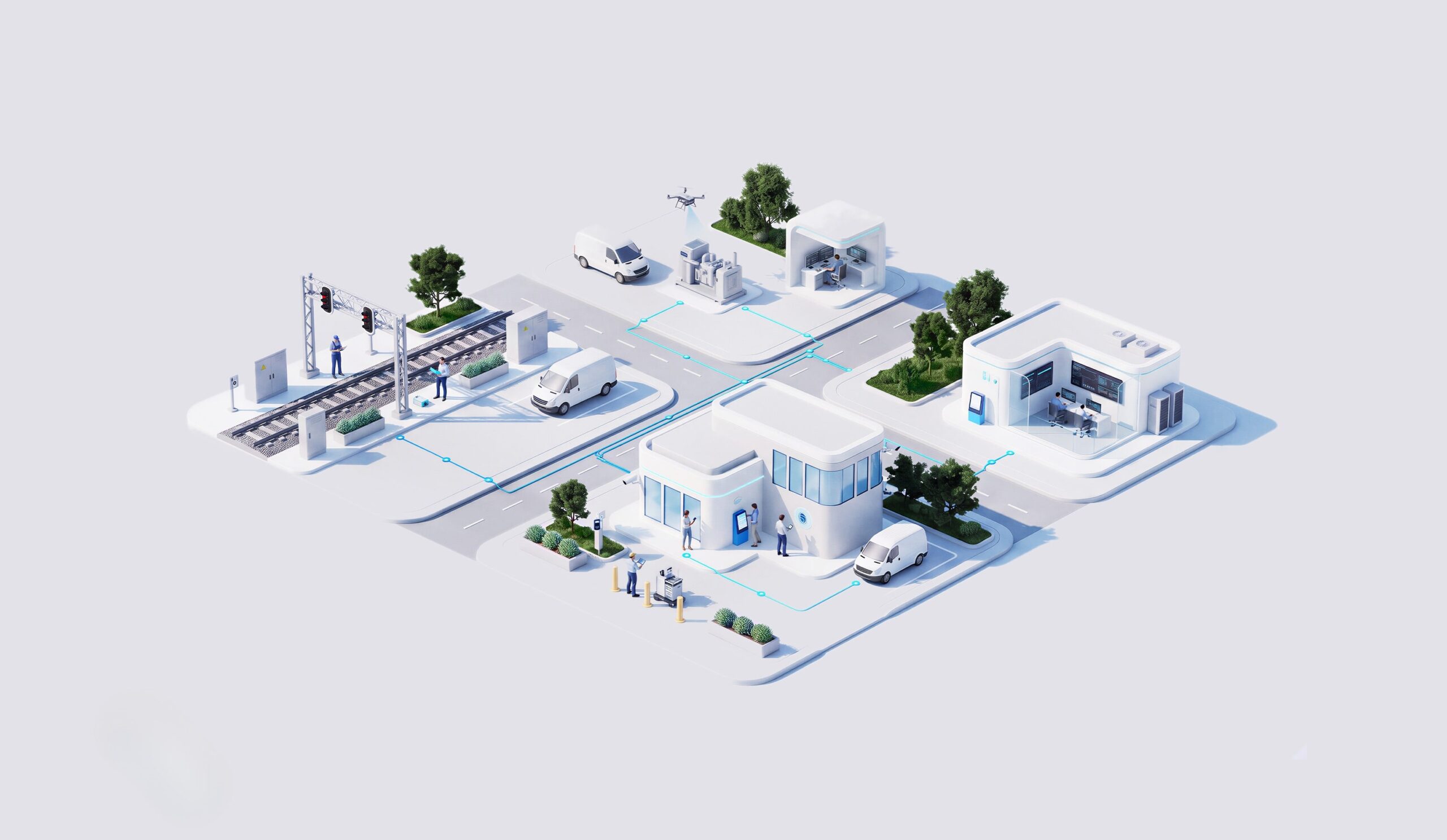
Safety creates the greatest value when risk is recognized before it becomes an incident. For a leading Energy Technology company, the challenge was to move beyond manual, reactive controls without creating another rigid monitoring layer. A modular platform combining real time indoor positioning and computer vision brought people, machines and assets into a common safety context, enabling hazardous situations to be detected and real time alerts to support faster action.
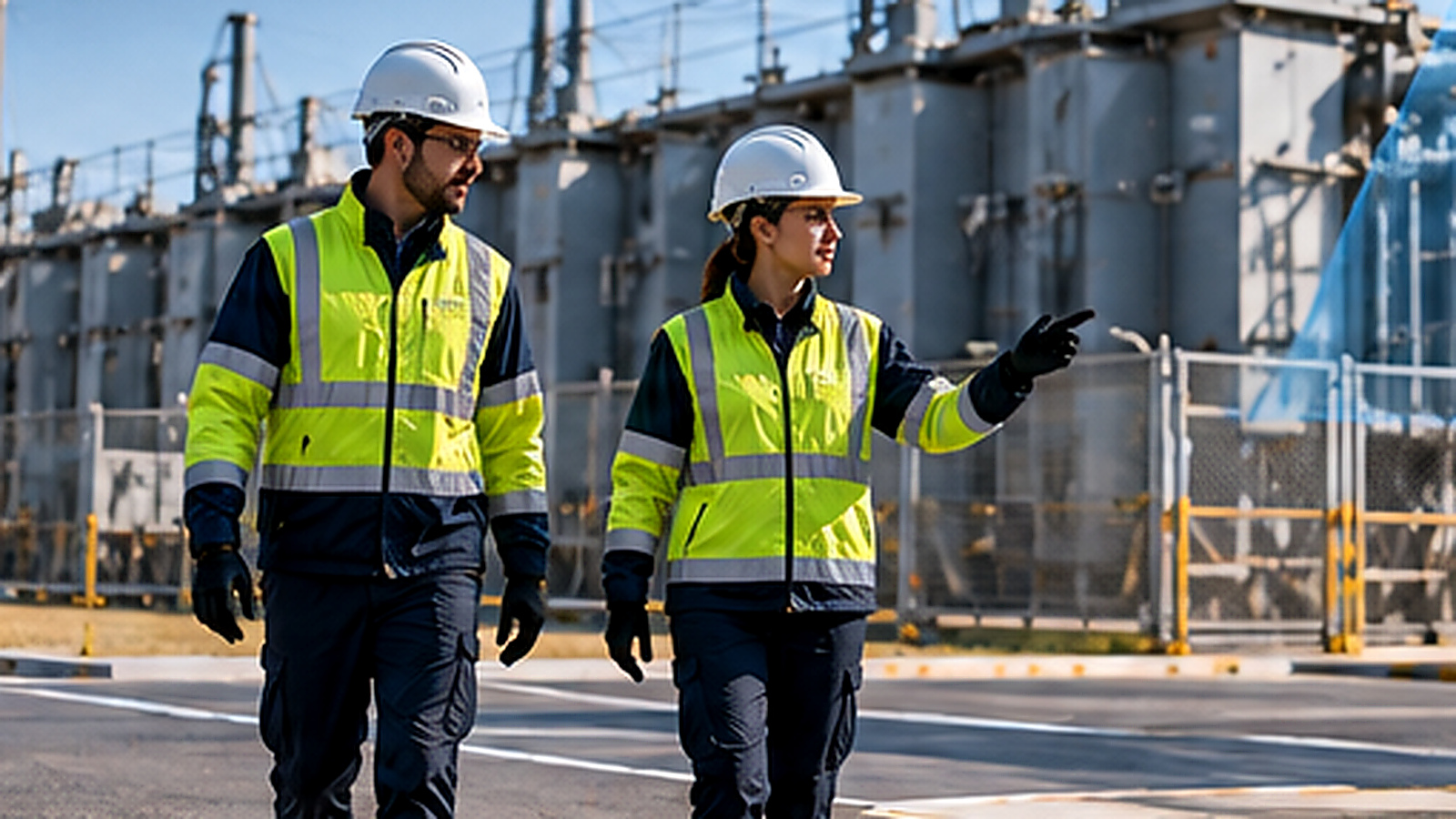
Two energy-sector technicians walk through an electrical operating yard with fixed monitoring hardware integrated into the facility.
Workplace safety
Improvement reported
Manual safety processes
Reduction reported
応答時間
Improvement reported
Integration & maintenance cost
Reduction reported
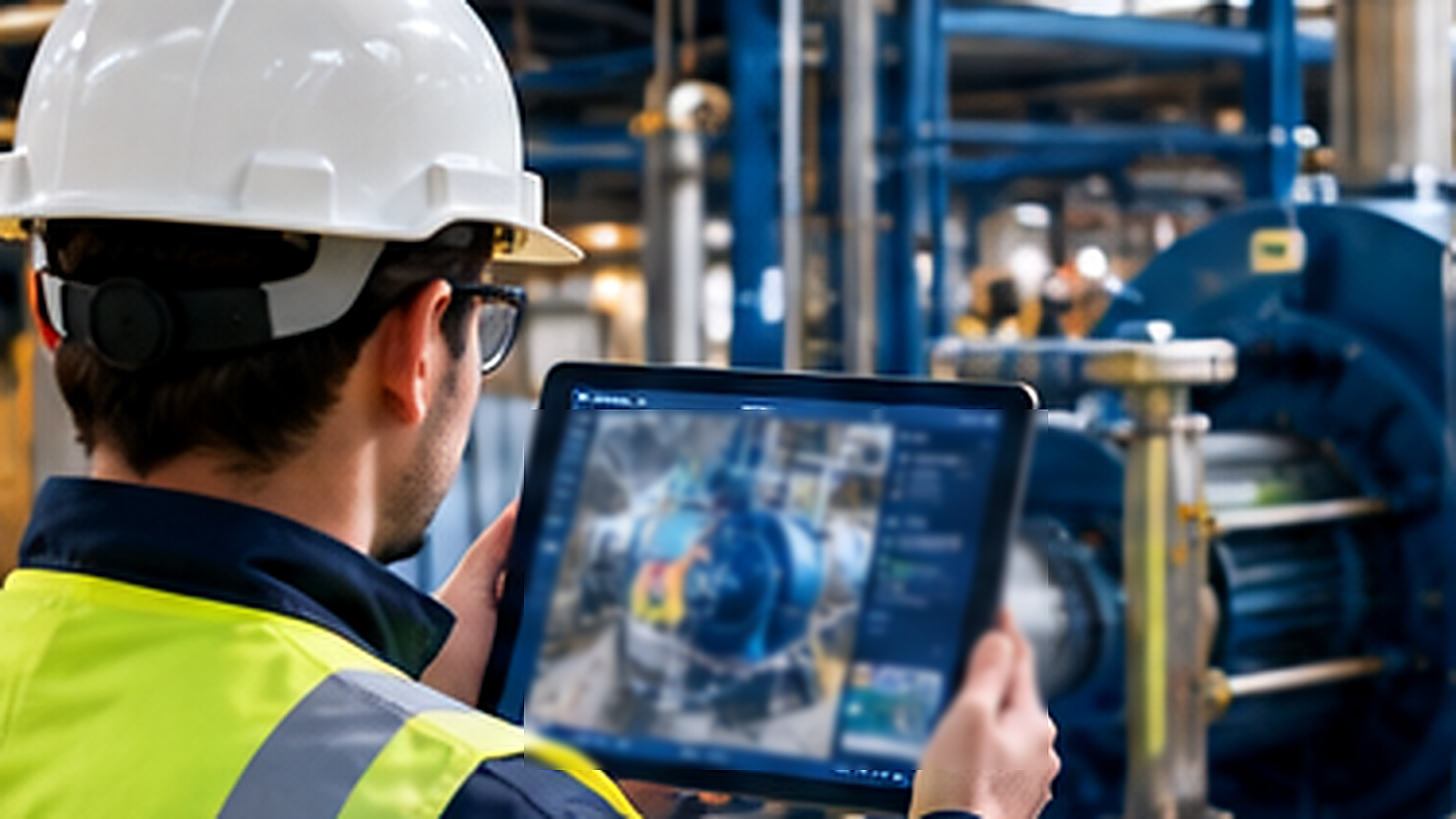
Industrial technician reviews equipment conditions beside a large pump assembly in a process facility, linking physical operations with digital safety oversight.
Real Time Safety Intelligence for Physical Operations

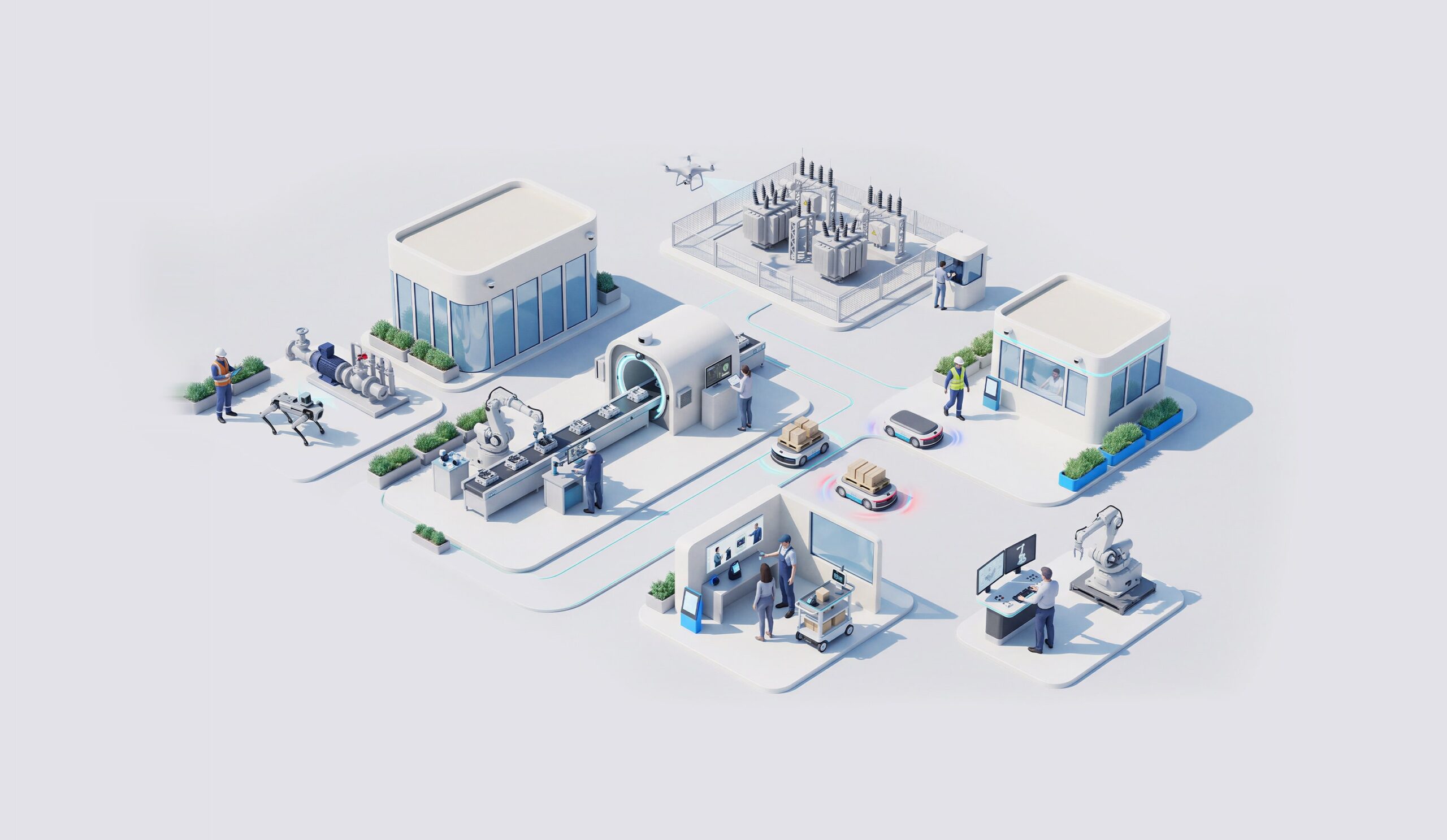
The platform combines indoor positioning, computer vision, real time alerts and safety analytics in a vendor independent architecture. It monitors the relationship between people, machines and assets, helping operational teams detect risk, automate safety compliance checks and connect real time evidence with operational follow up.

See risk sooner. Respond before it becomes an incident.
目的
Move the safety operating model from reactive controls and manual observation toward real time detection and prevention of hazardous situations. The ambition was not simply to add more cameras or sensors, but to create a modular safety capability that understands where people, machines and assets are, recognizes unsafe interactions and issues alerts in time to support action. The architecture also needed to fit existing industrial environments without locking the client into a rigid vendor ecosystem.
機会
The documented approach creates a path to extend proactive safety across plants, substations, warehouses and field support facilities where people and machines operate in close proximity. By using a modular, vendor independent architecture, the same foundation can support additional safety use cases over time, while reducing the integration and maintenance burden associated with isolated point solutions and strengthening data quality and digital maturity.
Making safety intelligence work in live industrial environments

The core challenge was to turn positioning and visual data into a practical operational safeguard. The capability had to coexist with legacy environments, improve response beyond manual monitoring, support dynamic people machine interaction and remain maintainable as new safety scenarios were added.
主な課題
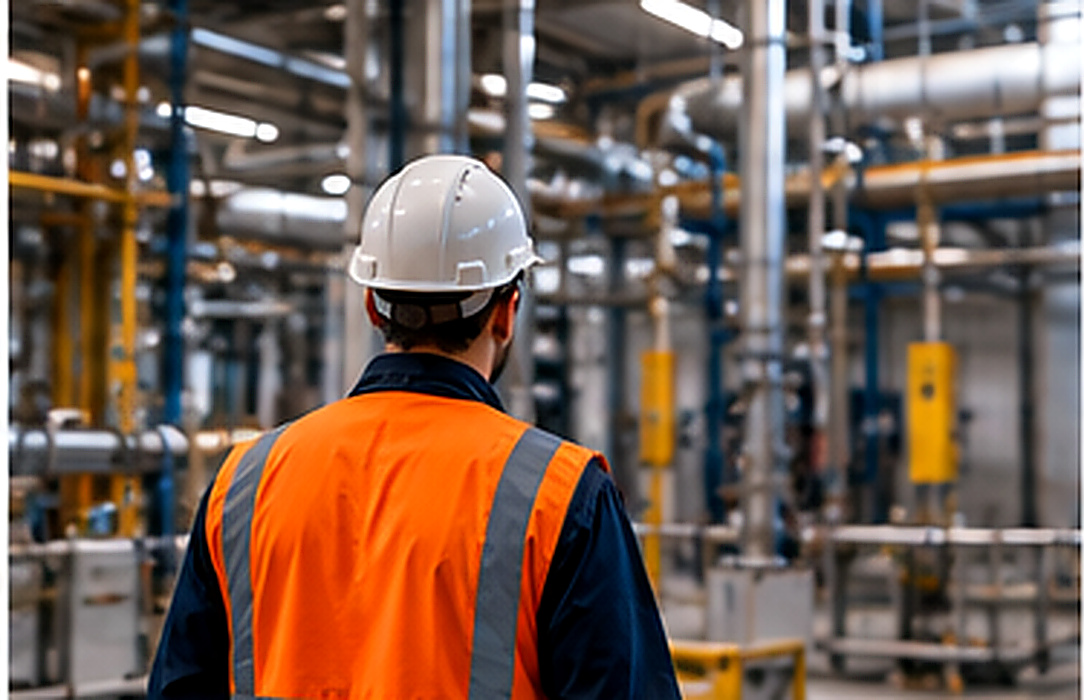
Worker moves through a dense industrial process area with pipes, equipment and defined safety routes that must work with existing infrastructure.
1: Scale without locking into legacy constraints
Existing safety solutions can be difficult to scale and integrate with legacy environments, making it harder to extend consistent monitoring across operational sites.
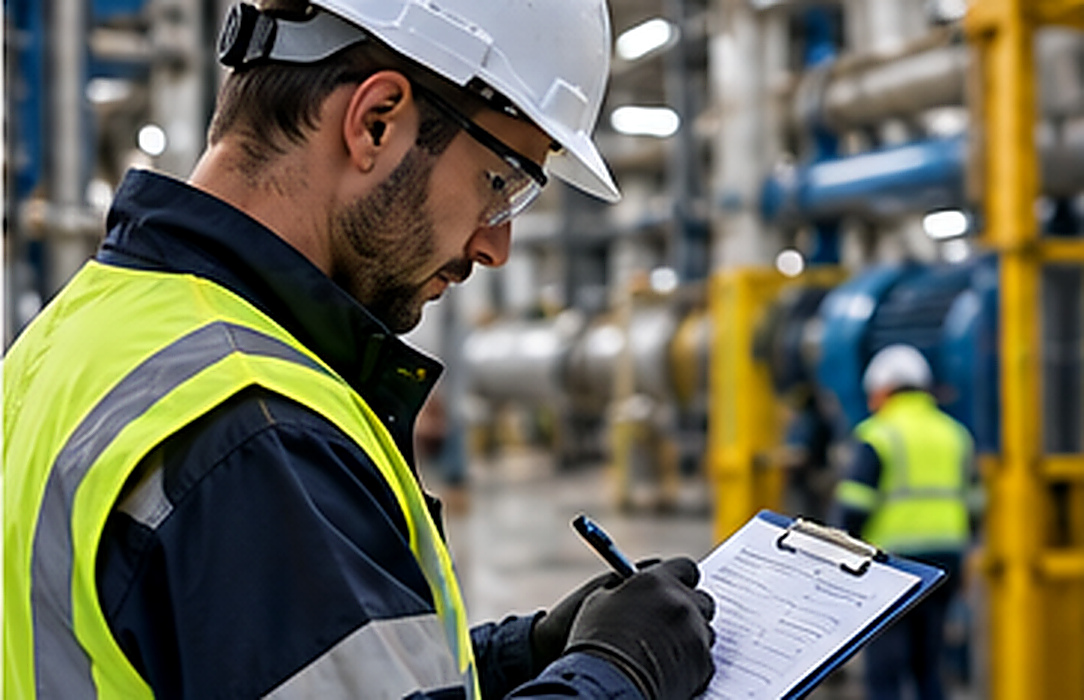
Safety professional records observations on a clipboard while mobile industrial equipment operates in the background of a plant.
2: Move beyond manual safety monitoring
Manual safety monitoring limits automation and response speed, reducing the ability to identify and act on emerging risks as operating conditions change.
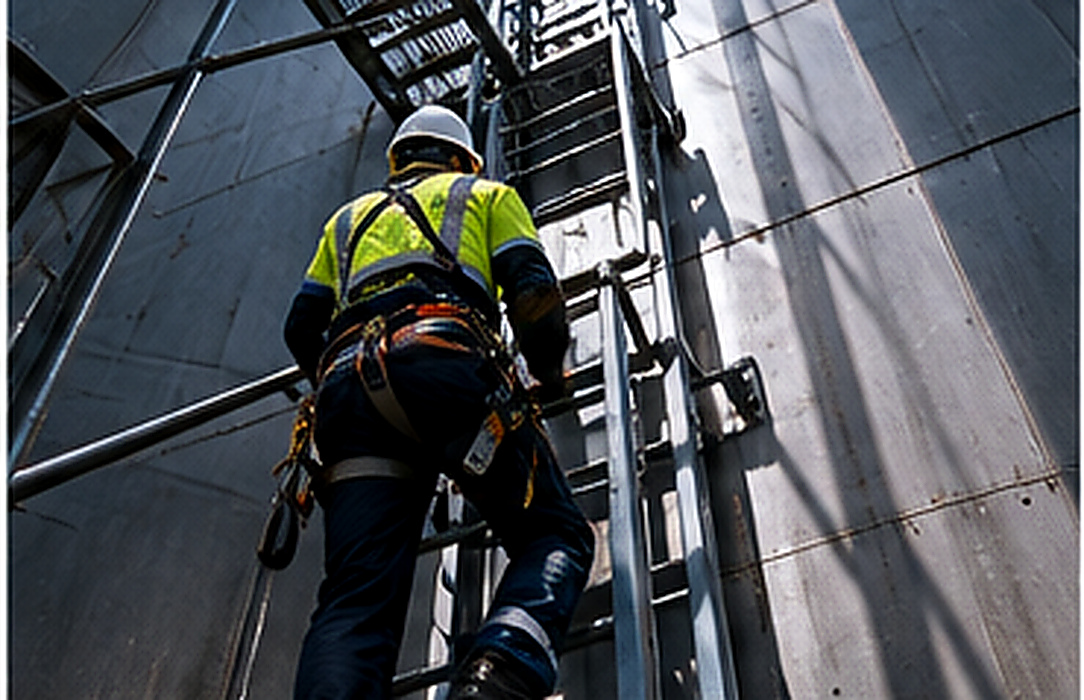
Technician climbs a fixed industrial access ladder while wearing fall-protection equipment in a constrained maintenance environment.
3: Protect people in dynamic operating zones
Plants and other industrial facilities bring people, machines and assets into shared environments where manual inspection or intervention can be slow, difficult to standardize or expose personnel to operational risk.
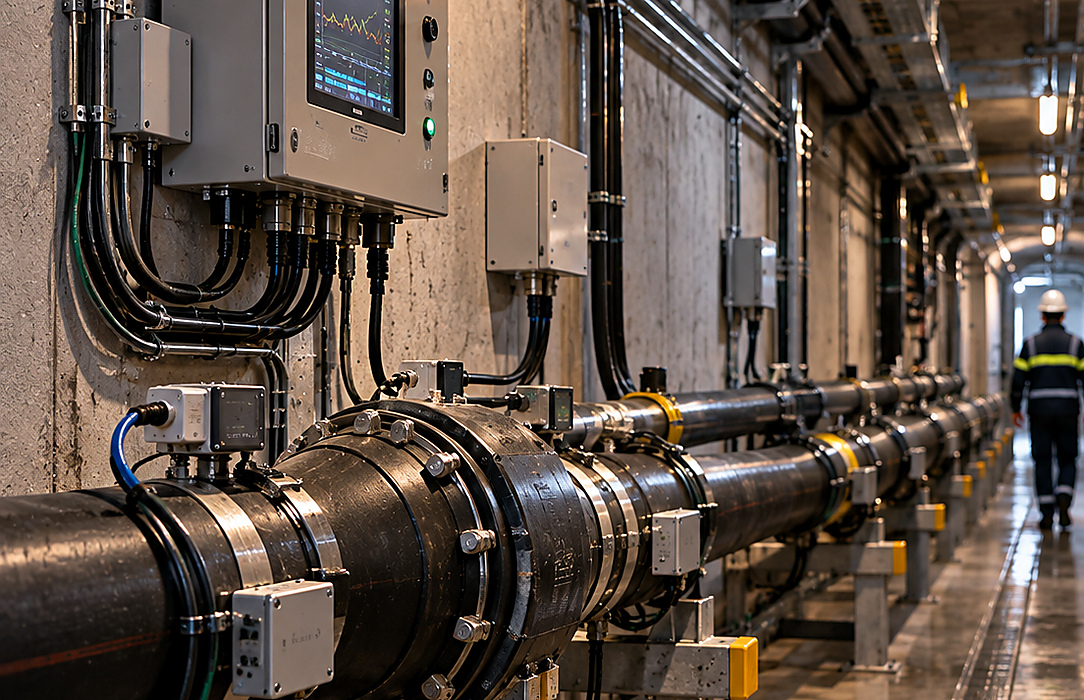
Instrumented utility tunnel with monitored cable and pipe infrastructure and a technician walking through the maintenance corridor.
4: Keep real time safety actionable and maintainable
Physical-world evidence must be converted into information that teams can review, trace and act on, while high integration and maintenance complexity can increase the operating burden of the safety environment.
解決策
A modular layer for real-time risk detection

The delivery combined real time indoor positioning and computer vision with automated alerts, digital workflow and a vendor independent architecture, creating an end to end path from sensing a risk to operational follow up.

チェックアイコン
Combine location and vision

Brought real time indoor positioning and computer vision together so people, machines and assets could be monitored within a common safety context.

チェックアイコン
Detect unsafe interactions in real time

Monitored operational movement to detect risk, help prevent collisions and issue real time alerts when hazardous situations emerged.

チェックアイコン
Automate checks and connect follow up

Automated safety compliance checks and linked field technology with a digital workflow for evidence capture, processing, review and operational follow up.

チェックアイコン
Design for repeatable scale

Used a modular, vendor independent architecture and repeatable procedures so the capability could extend beyond isolated deployments and support new safety use cases.

影響
From reactive control to proactive safety

The platform supports a more proactive, real time safety model, with reported improvements in workplace safety and response speed, reduced reliance on manual safety processes, lower integration and maintenance costs, and a scalable foundation for new use cases. It also strengthens data quality and digital maturity across the safety workflow.
注目の成功事例
デジタル化されたサービス管理による現場業務の強化と、コネクテッドワーカー技術による安全性の向上
すべての成功事例を見る
ドラッグ