- All Foundries

- 商品管理と取引

- 顧客とマーケティング戦略

- デジタルエンジニアリング

- ステーション・スタジオ

- サプライチェーン&インダストリー5.0
- サステナビリティ

- Physical AI

- Next-Generation Infrastructure













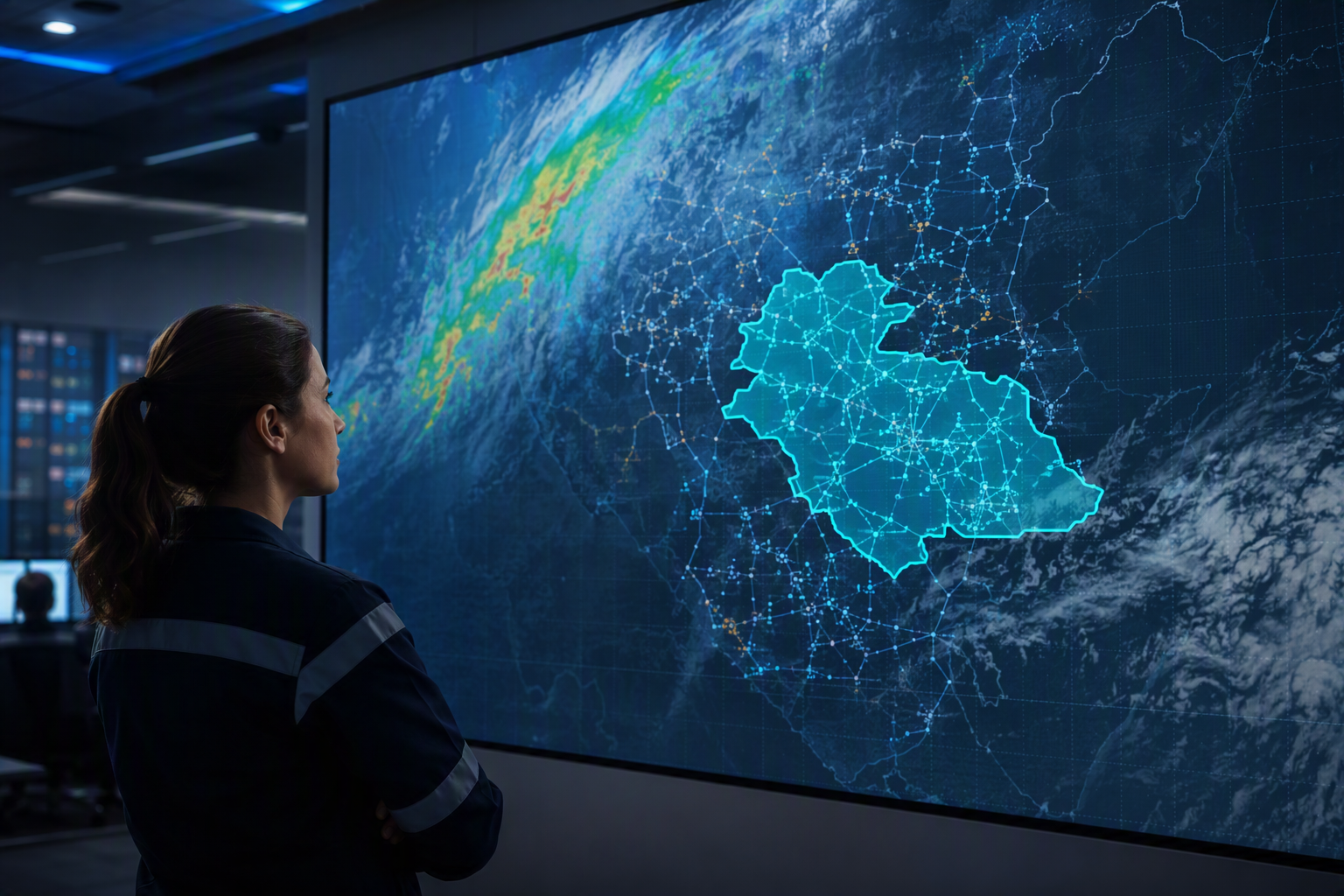
AI-Based climate vulnerability assessment
Two assets facing the same event carry different risk once age and condition are factored in. Vulnerability assessment scores exposure and fragility together, so investment goes where it protects the most value.
AI-based vulnerability assessment helps you rank which assets need protection first, not treat every site the same.

Earlier risk detection combines exposure and asset condition, so the highest-vulnerability sites surface first.
Better prioritisation of field resources follows a vulnerability score instead of a fixed inspection schedule.
Reduced exposure of critical assets comes from spotting fragile equipment before a climate event tests it.
Improved resilience investment decisions follow a ranked vulnerability list, not a flat allocation across sites.
NTTデータのサポート体制は?
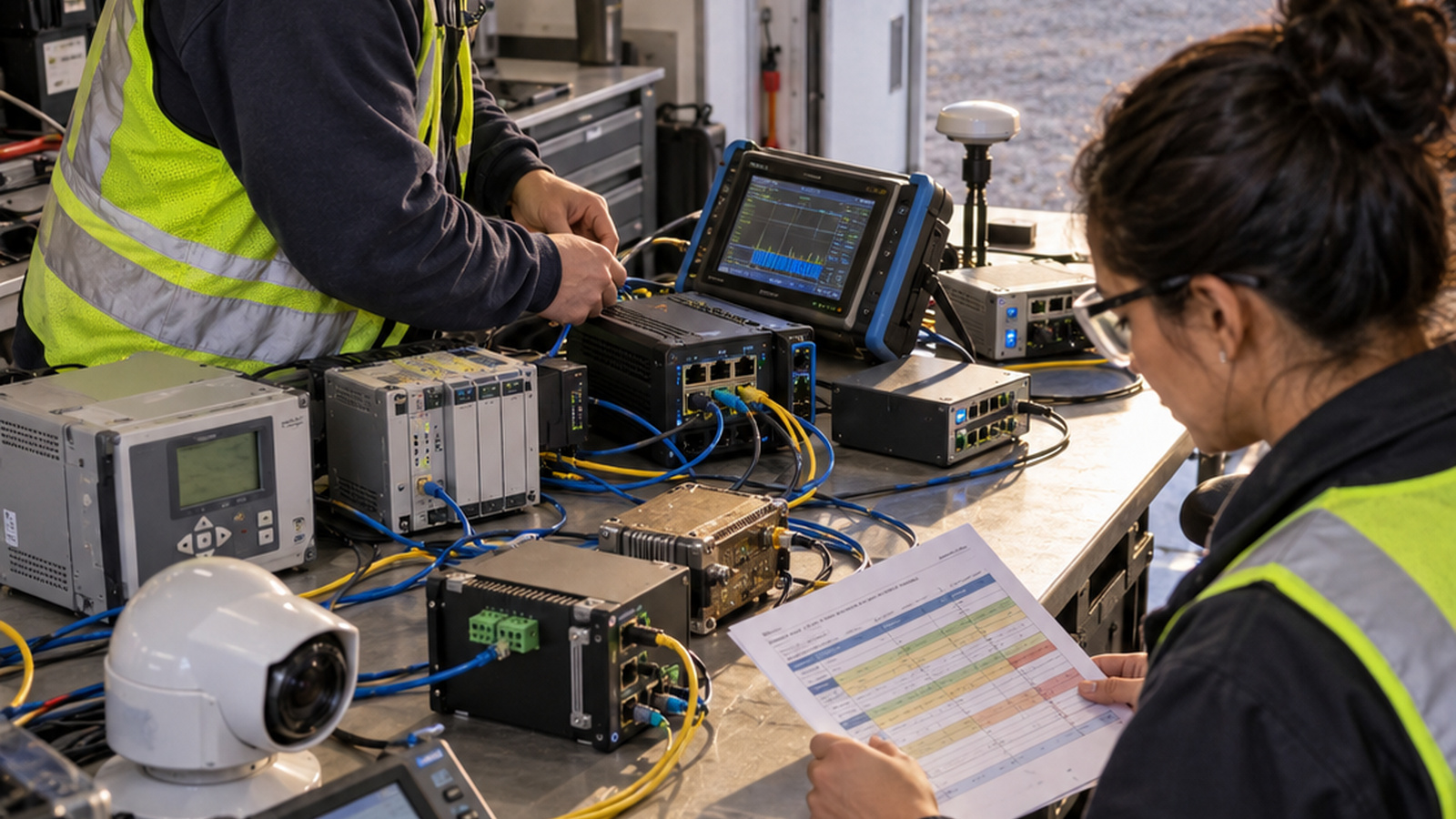
NTT DATA brings together weather intelligence, geospatial analytics, earth observation, IoT and asset condition data your vulnerability score depends on.

Artificial intelligence and machine learning combine exposure and fragility into one score, right where a planning decision happens.

Vulnerability scores connect into your existing operational technology (OT) and enterprise systems, not another isolated layer.

Permissions, cybersecurity controls, validation and fallback mechanisms get defined to match the safety bar your operations require.

Scale from proven use cases: Each new vulnerability use case grows from a controlled deployment measured against clear operational KPIs, so scale-up follows evidence, not guesswork.


Vulnerability assessment connects exposure, condition and asset data so resilience budget protects the most value.
Objectives depend on baseline performance, infrastructure and deployment scope across climate-risk operations.
20% to 40% reduction in risk assessment time, reflecting quicker movement from asset data to a ranked score.
15% to 30% improvement in warning lead time, giving crews more time to protect assets most likely to fail.
30% to 50% reduction in manual geospatial review, freeing analysts to focus on the highest-vulnerability sites.
20% to 40% reduction in response preparation time, reflecting quicker movement from score to budget decision.
Shape the conversation that turns climate vulnerability into a ranked investment decision.