- All Foundries

- 商品管理と取引

- 顧客とマーケティング戦略

- デジタルエンジニアリング

- ステーション・スタジオ

- サプライチェーン&インダストリー5.0
- サステナビリティ

- Physical AI

- Next-Generation Infrastructure







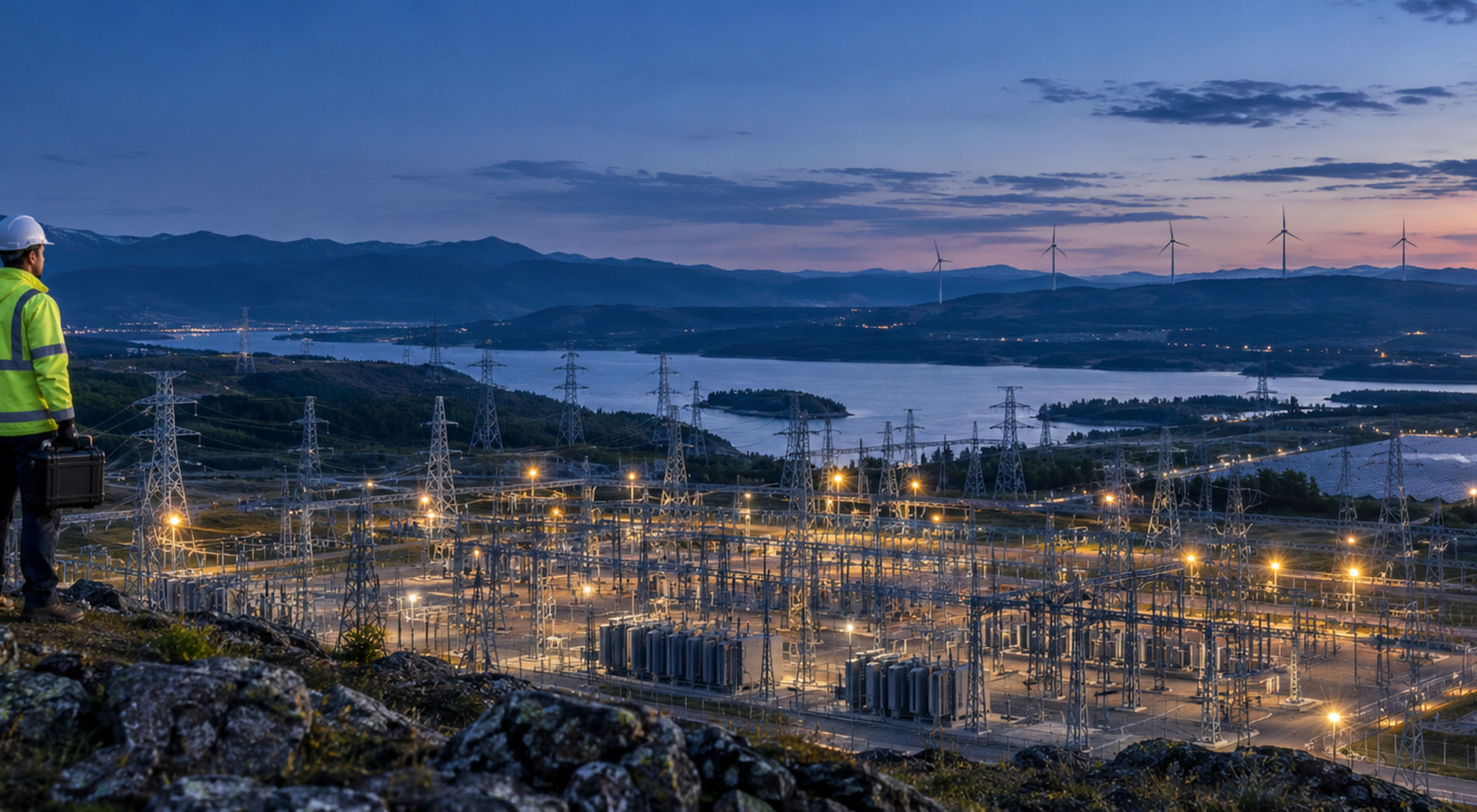
Drought intelligence and water resource forecasting
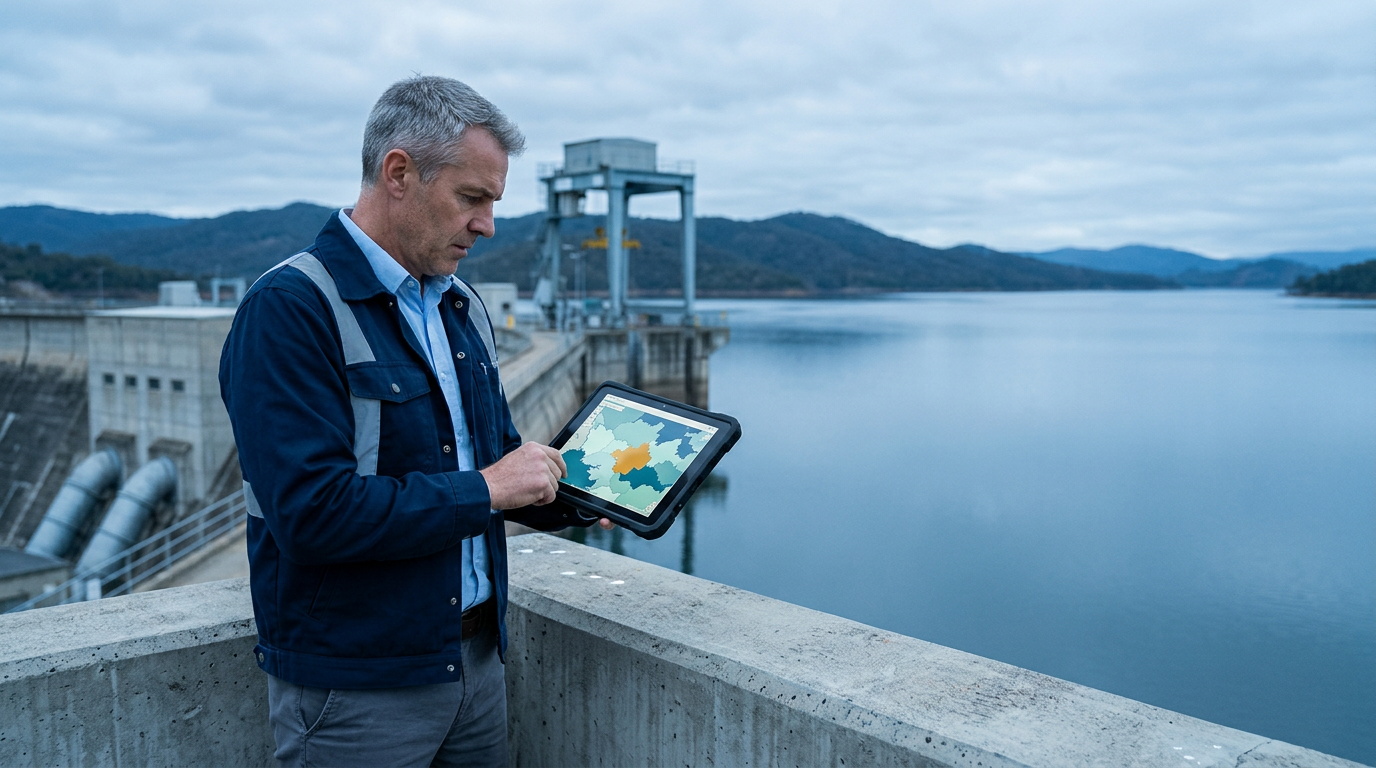
Reservoir levels and rainfall shift over months, but many utilities still plan water use on historical averages. Drought intelligence forecasts availability early enough to adjust generation and supply before scarcity hits.
Drought intelligence and water resource forecasting helps you see scarcity coming and plan around it.

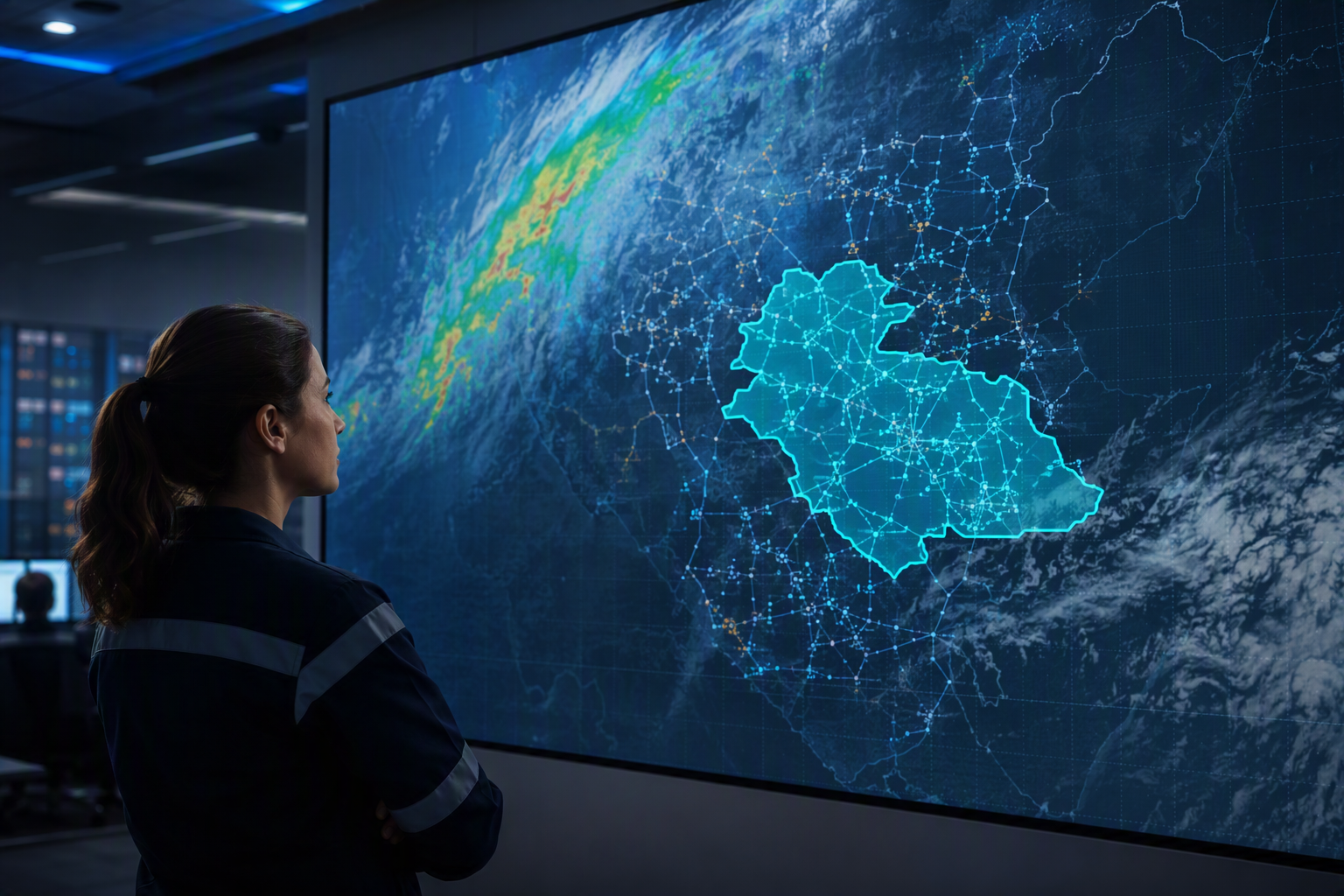
Earlier risk detection and warning combine rainfall, soil moisture and reservoir data into an early scarcity signal.
Better prioritisation of field resources follows current water stress by region, not a fixed rotation
Reduced exposure of critical assets comes from adjusting hydro generation and supply plans before reservoirs run low.
Faster emergency preparation and response let planning teams act on the current outlook, not last year’s pattern.
NTTデータのサポート体制は?
NTT DATA brings together weather intelligence, geospatial analytics, earth observation, IoT and hydrological data your water forecast depends on.

AI/ML and GIS sit where a generation, supply or allocation decision happens, not buried in a seasonal report.

Drought forecasts connect into your existing operational technology (OT) and enterprise systems, not another isolated layer.

Permissions, cybersecurity controls, validation and fallback mechanisms get defined to match the safety bar your operations require.

Each new drought intelligence use case grows from a controlled deployment measured against clear operational KPIs, so scale-up follows evidence, not guesswork.


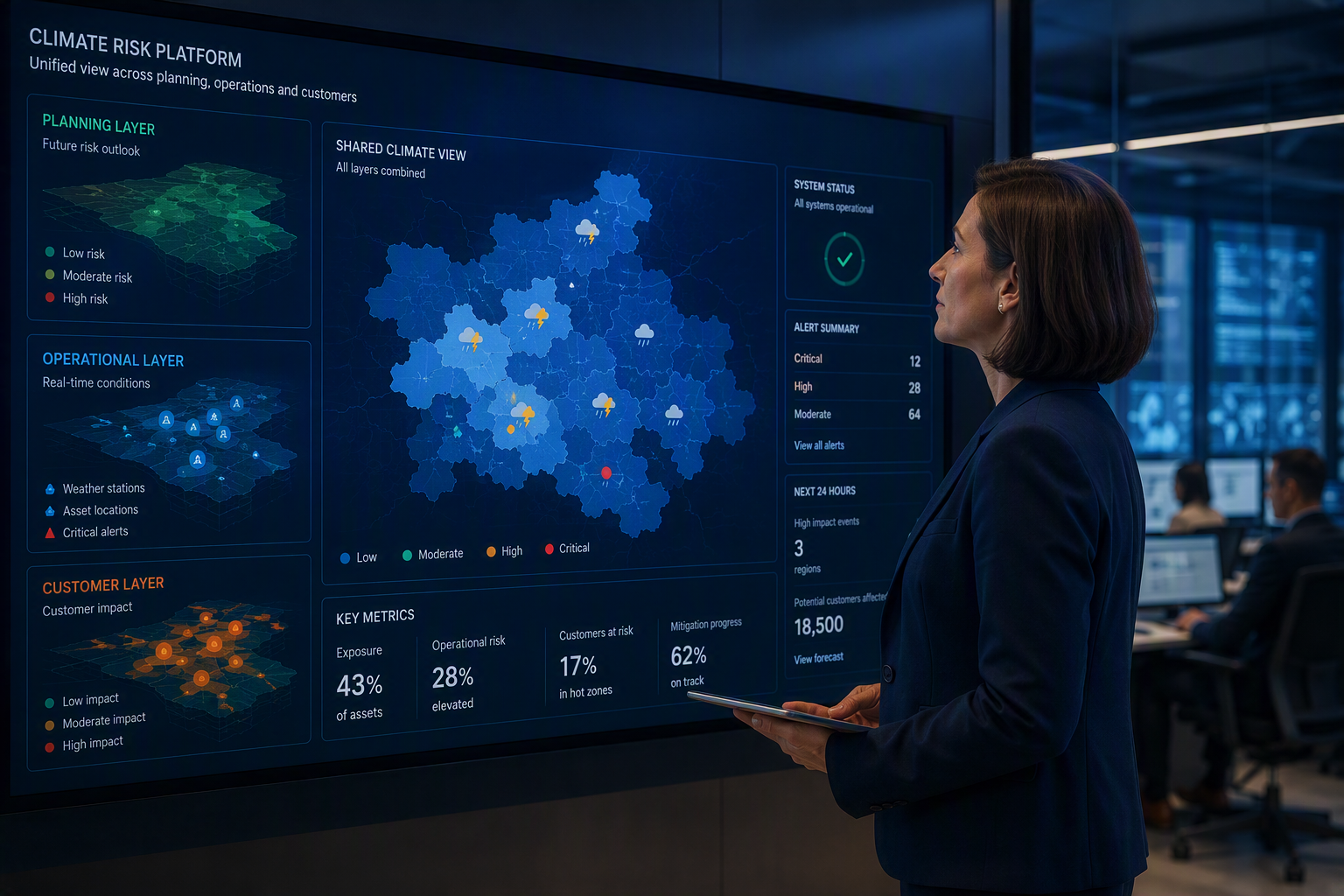
Drought intelligence connects rainfall, reservoir and asset data so teams plan around scarcity instead of reacting to it.
Objectives depend on baseline performance, infrastructure and deployment scope across climate-risk operations.
20% to 40% reduction in risk assessment time, reflecting quicker movement from reservoir data to a planning decision.
15% to 30% improvement in warning lead time, giving planning teams more time to adjust generation and supply.
30% to 50% reduction in manual geospatial review, freeing analysts to focus on the driest zones.
20% to 40% reduction in response preparation time, reflecting quicker movement from forecast to allocation.
Shape the conversation that turns water scarcity into a plan, not a surprise.