- All Foundries

- 商品管理と取引

- 顧客とマーケティング戦略

- デジタルエンジニアリング

- ステーション・スタジオ

- サプライチェーン&インダストリー5.0
- サステナビリティ

- Physical AI

- Next-Gen Infrastructure




Autonomous asset management
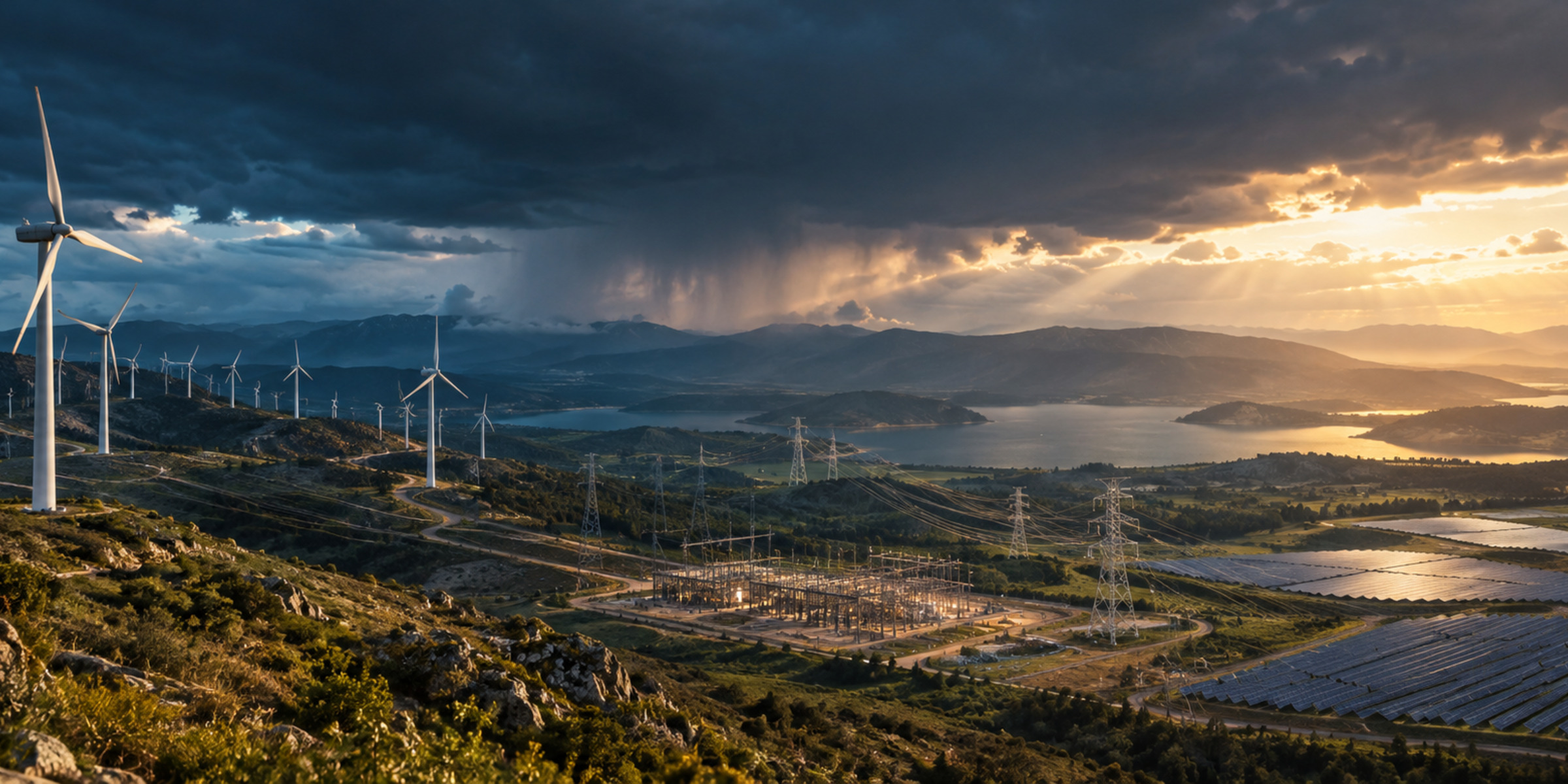
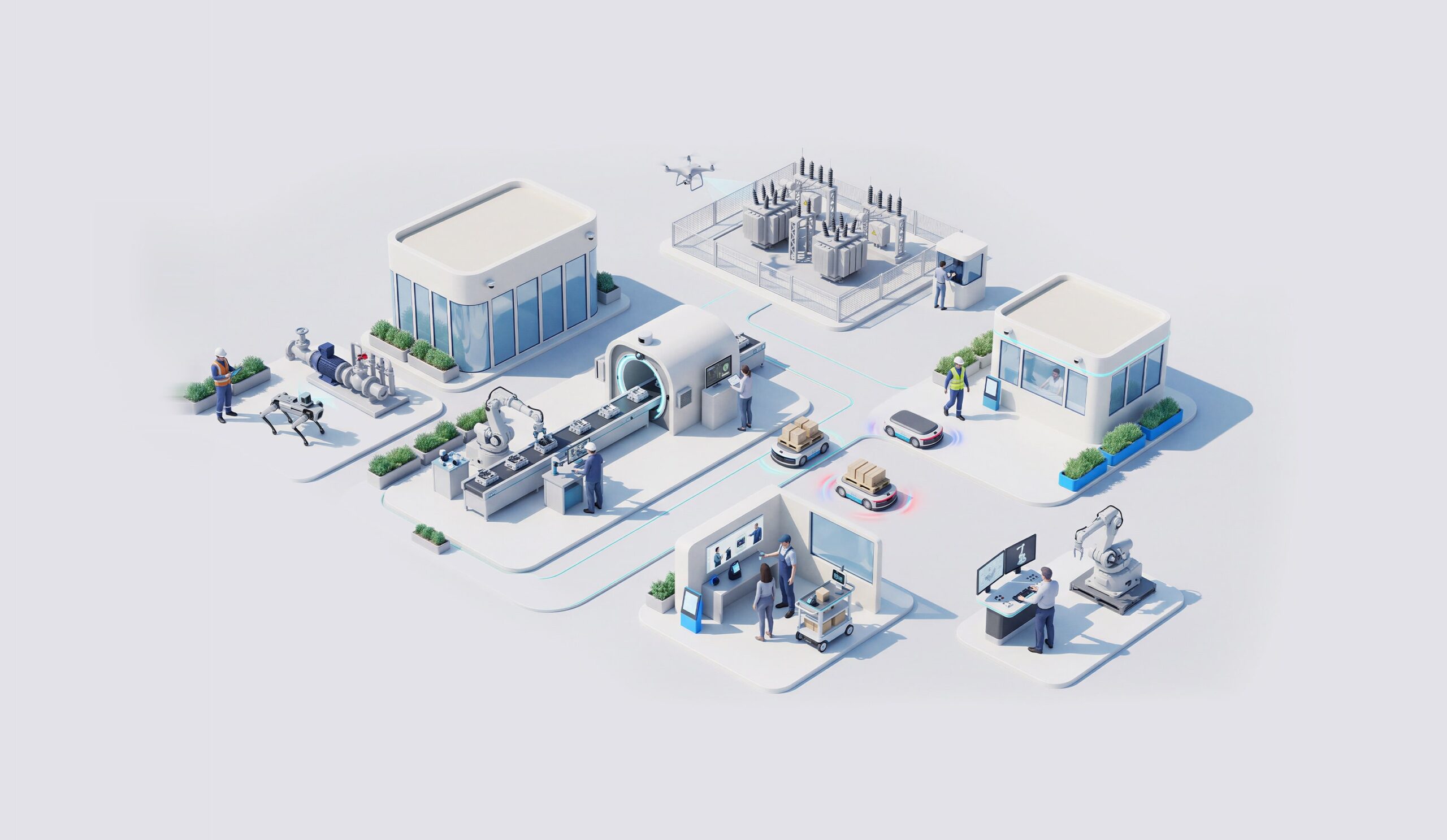
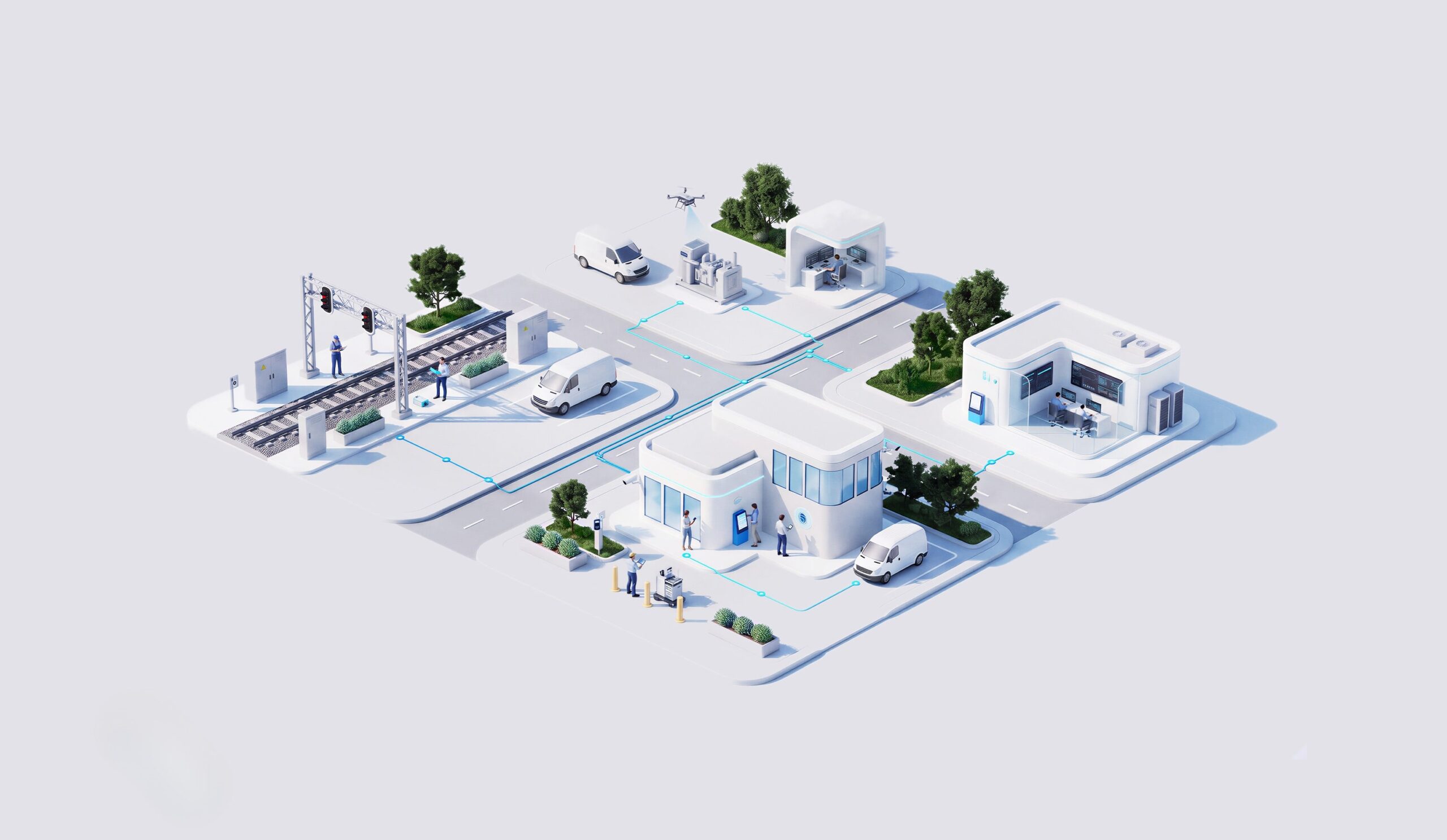
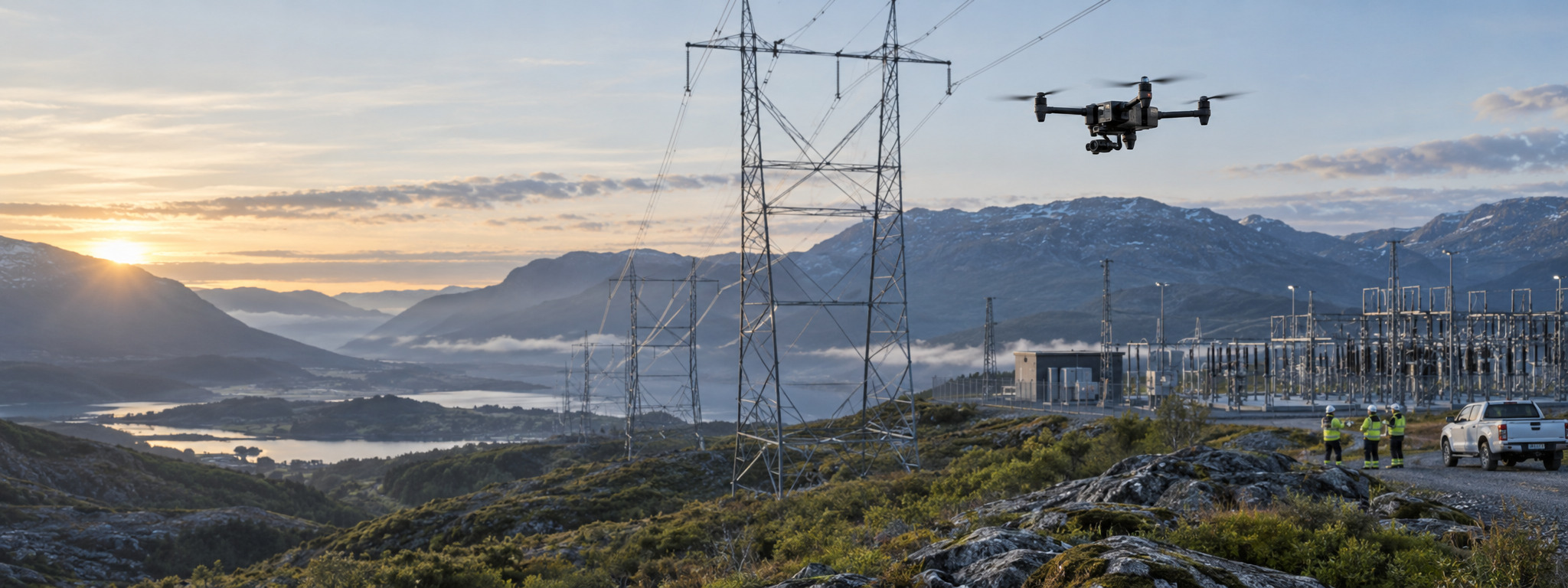
Utilities manage large portfolios across generation and retail, transmission and distribution, often in remote or hazardous environments. Manual inspection and intervention cannot scale at the pace of infrastructure complexity and data growth. The challenge is to connect assets, information and workflows so teams can act earlier, with the right context and the right level of human oversight.
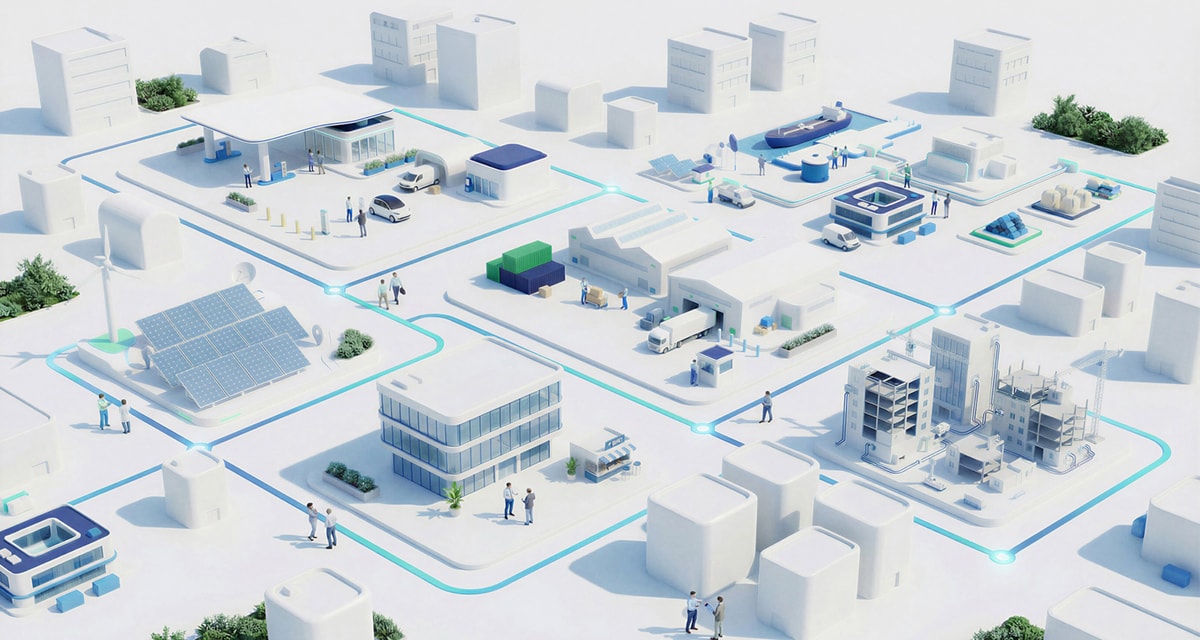
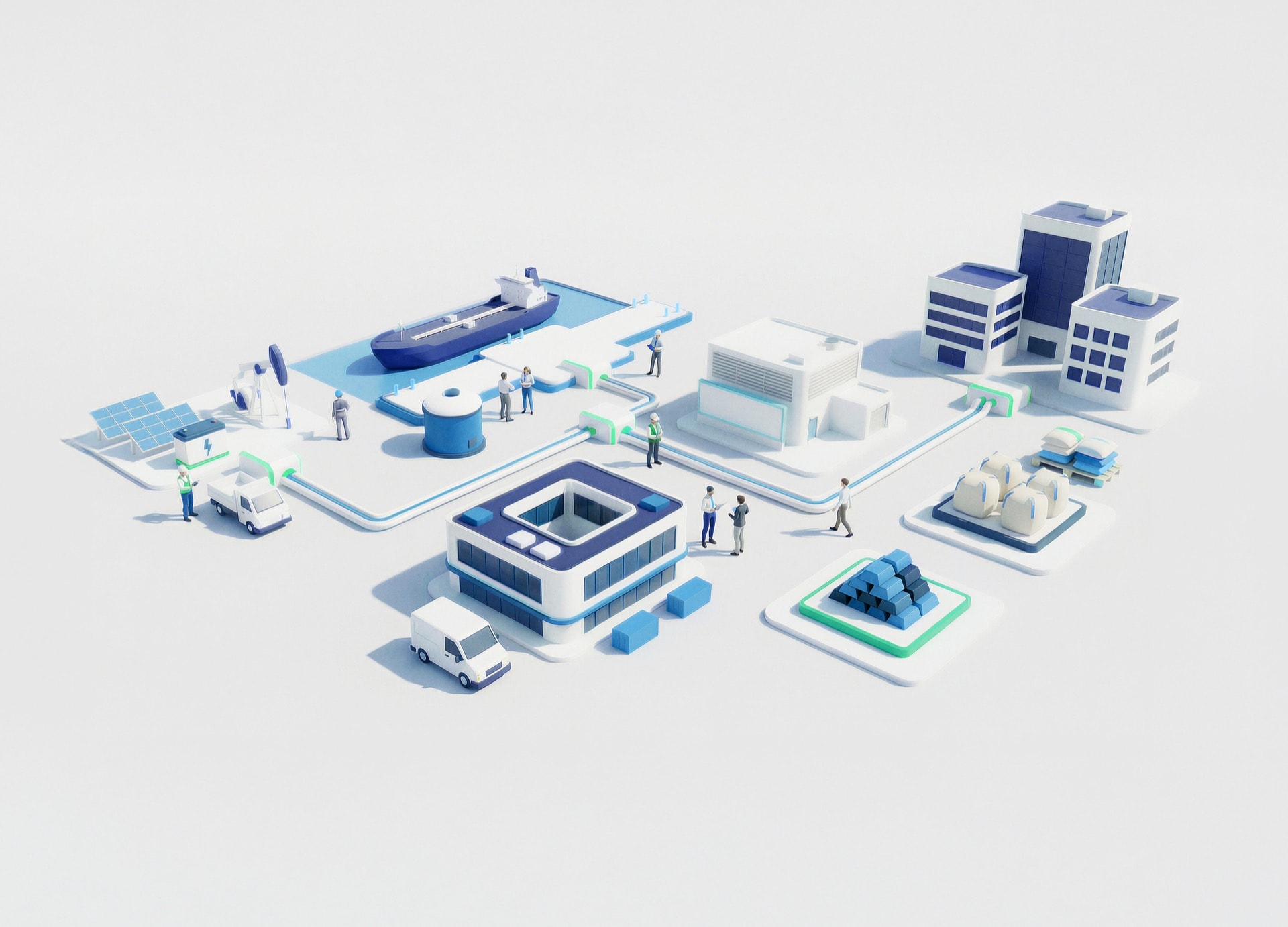
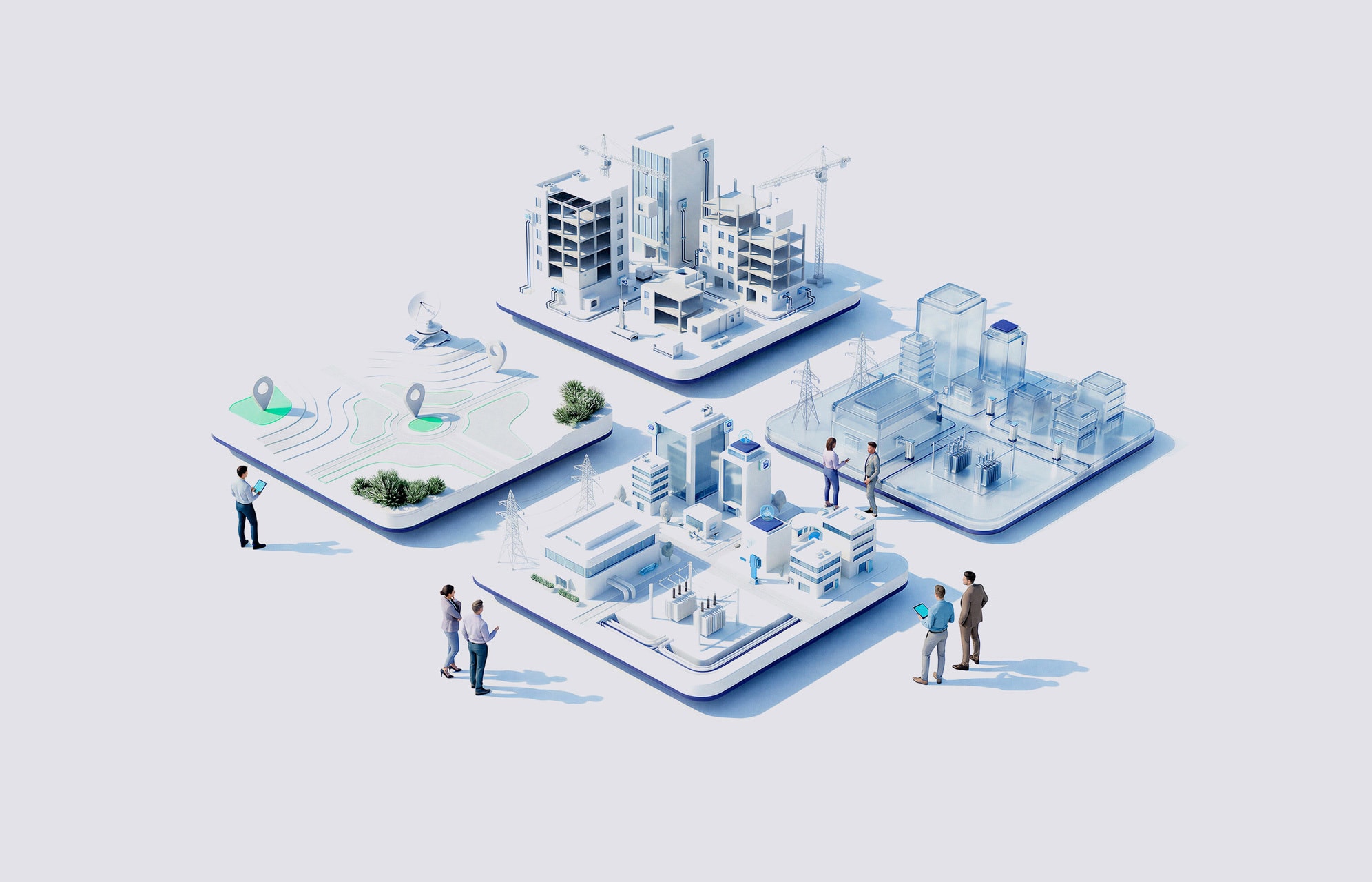
Autonomous asset management can turn disconnected signals into coordinated operational action, helping utilities improve productivity, reliability and resilience without losing sight of safety, governance or accountability.

Continuous sensing and contextual analysis can surface anomalies earlier, giving teams more time to evaluate and respond.
Remote inspection and selective automation can reduce repetitive manual effort and focus scarce expertise where judgement matters most.
Better operational context supports more timely maintenance decisions across critical and distributed infrastructure.
Progressive autonomy preserves human review wherever safety, regulatory or operational risk requires it.
NTTデータのサポート体制は?
Bring together authorised asset, operational and enterprise information, supported by the connectivity needed across remote and critical environments.
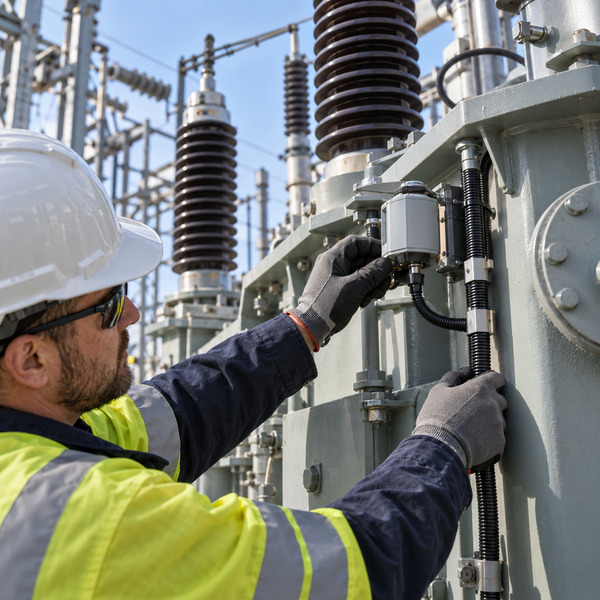
Apply Physical AI, computer vision, IoT, edge AI, robotics or digital twins at the point in the architecture where they can create practical operational value.
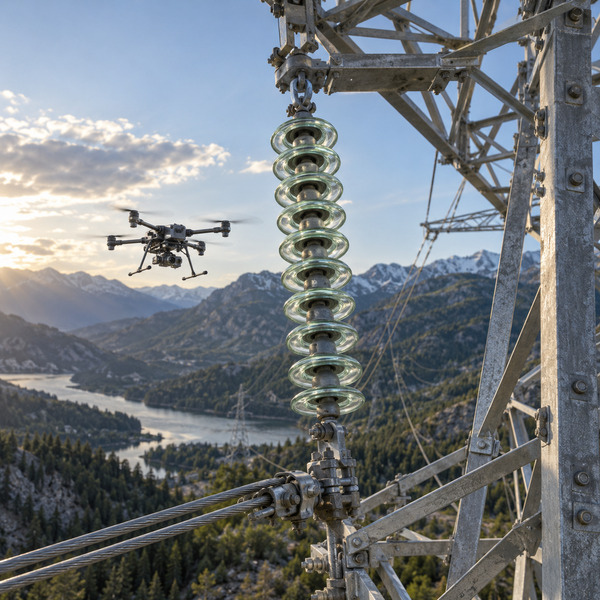
Integrate insight and automation into enterprise and operational technology processes, avoiding another isolated technology layer.
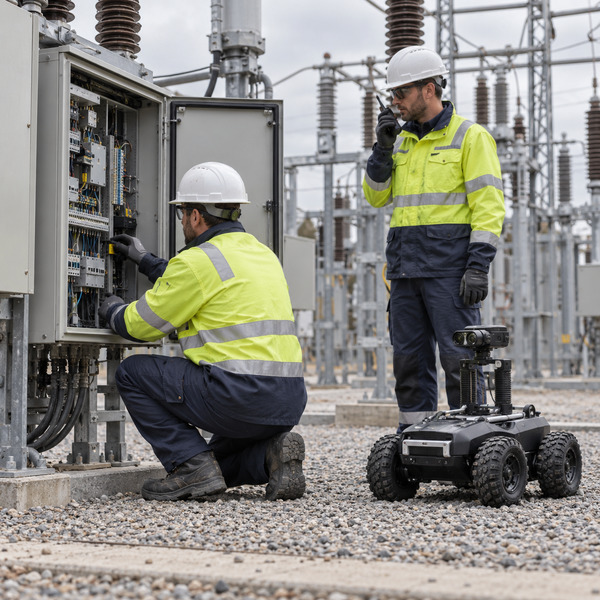
Define permissions, cyber controls, validation, fallback mechanisms and human oversight around the risk profile of each use case.
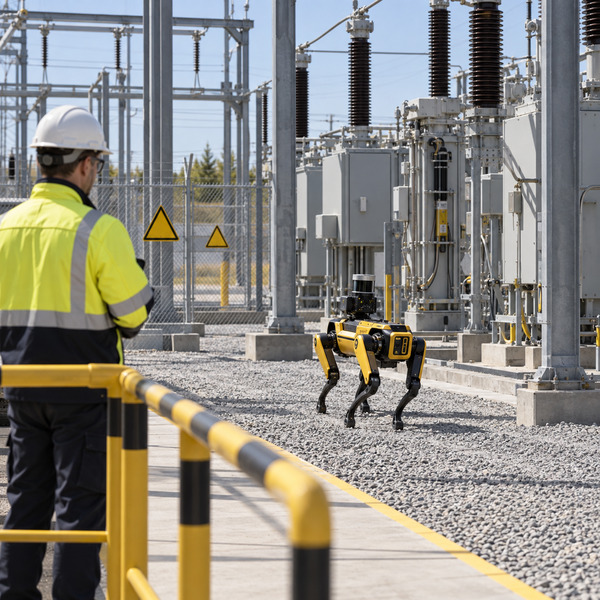
Begin with controlled inspection or maintenance scenarios, measure operational KPIs and reuse proven patterns across sites, asset classes and business units.
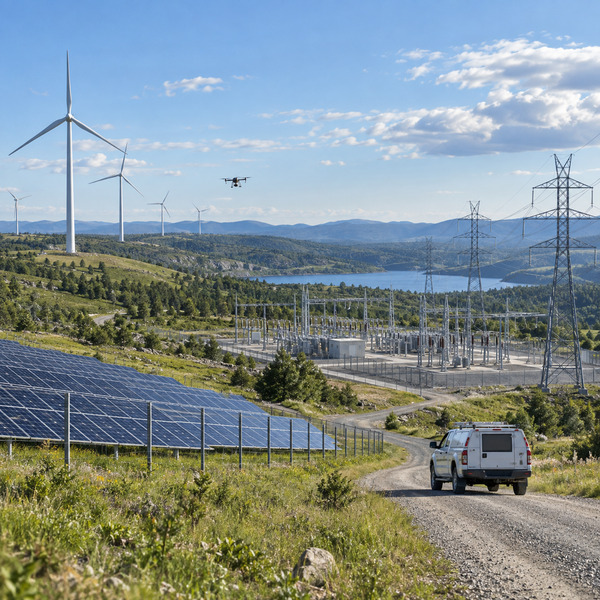
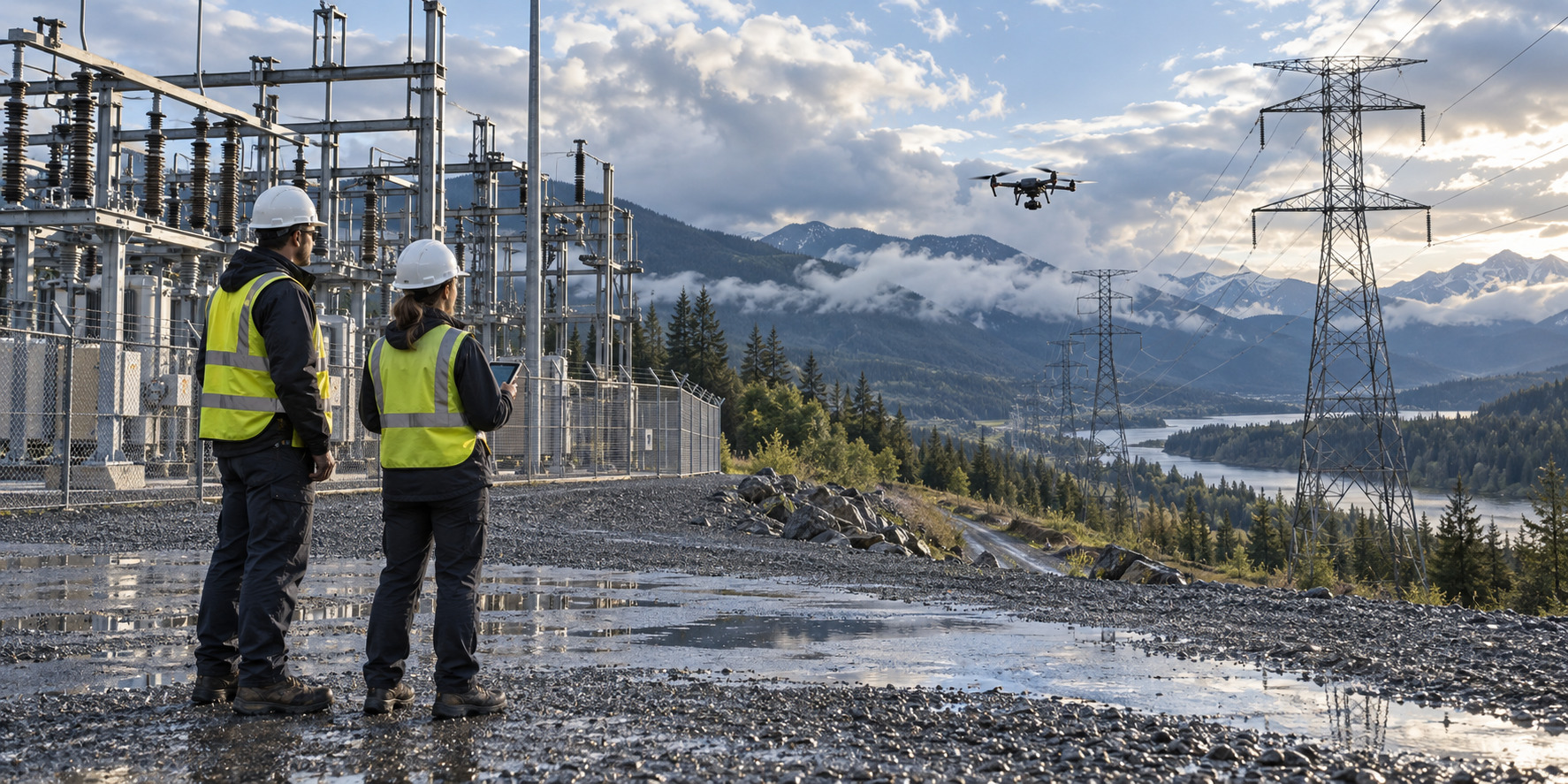
A progressive approach creates a practical path from connected assets to contextual insight and selective automation. By linking physical conditions with operational decisions, utilities can improve visibility, reduce fragmentation and strengthen how teams respond across the asset lifecycle.
The value of autonomy should be judged against the operating outcomes that matter to each utility, using baselines and deployment scope agreed before scaling.
Connect inspection signals and workflows so issues can move from detection to assessment with less delay.
Reduce repetitive inspection and hand-off activity while directing people toward higher-value interventions.
Give operational teams earlier context to prioritise work and select the appropriate action.
Create a more continuous view across assets, sites and processes to support consistent decisions.
Explore the inspection, maintenance and remote-infrastructure scenarios where connected intelligence can strengthen reliability, safety and resilience, then define a path from controlled use case to scalable capability.