- All Foundries

- 商品管理と取引

- 顧客とマーケティング戦略

- デジタルエンジニアリング

- ステーション・スタジオ

- サプライチェーン&インダストリー5.0
- サステナビリティ

- Physical AI

- Next-Gen Infrastructure



EdgeOps for Distributed Utility Infrastructure
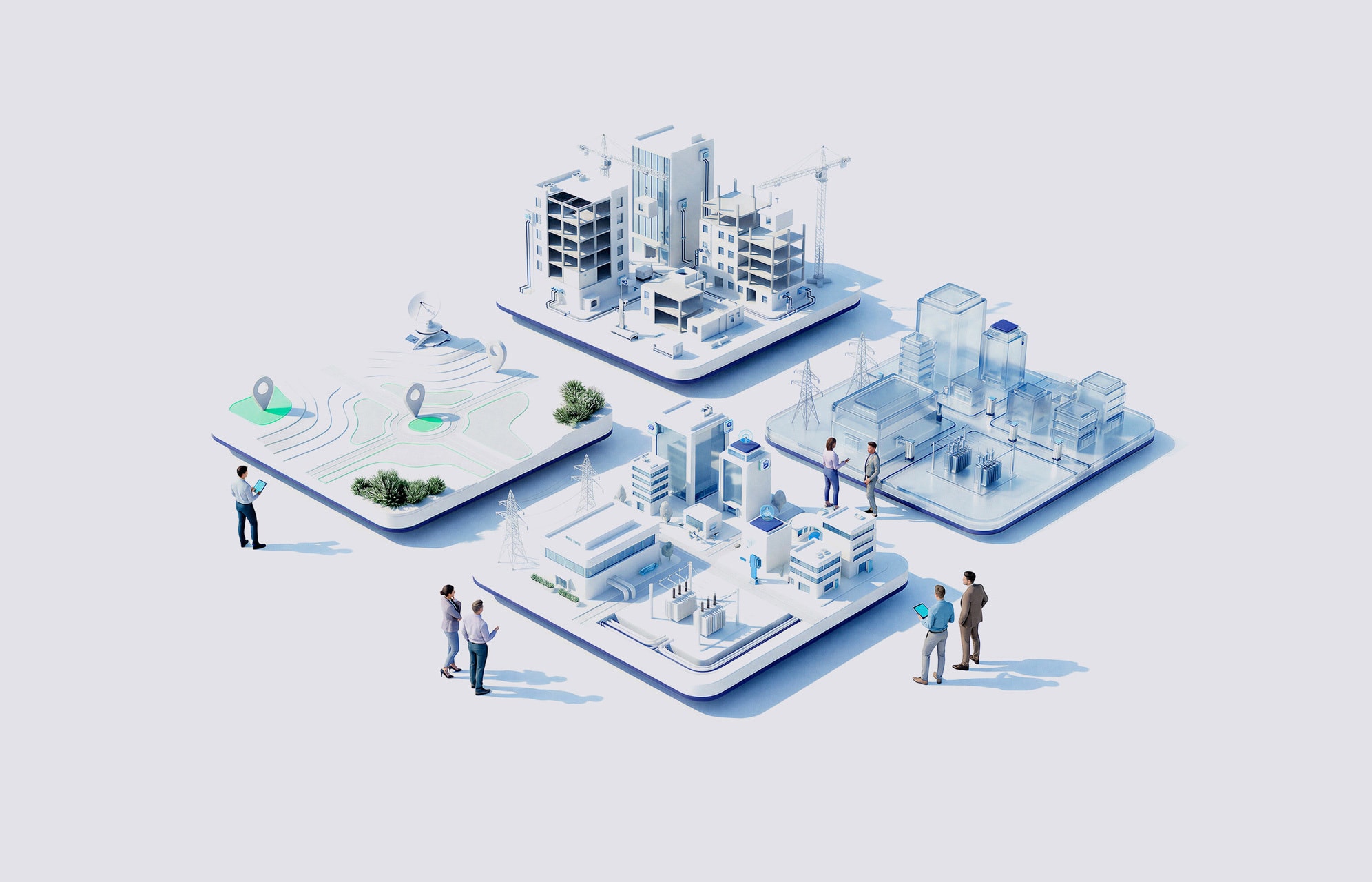
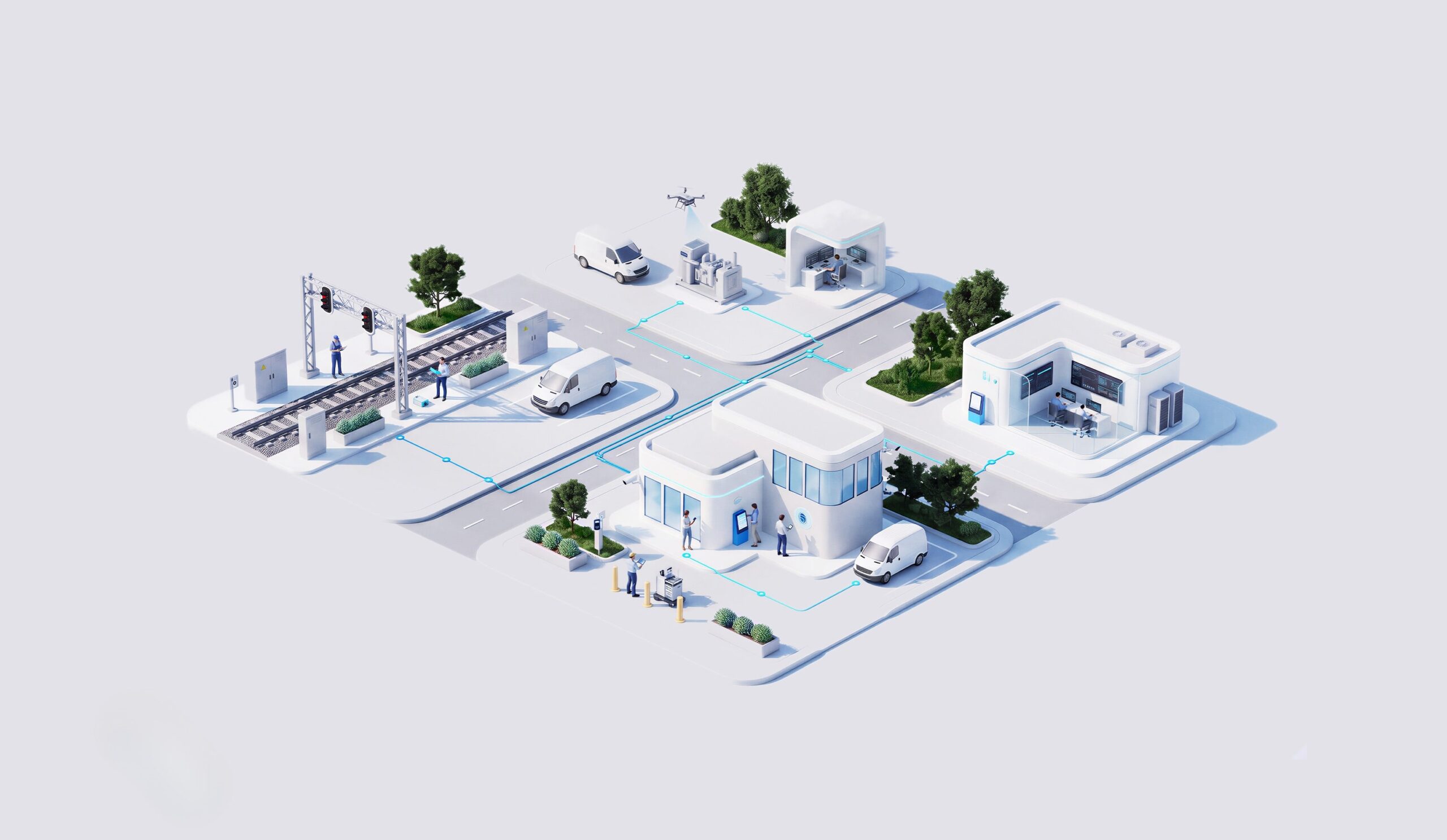
As utilities adopt edge platforms and multi-technology connectivity, complexity moves from deployment to day-to-day operation. The infrastructure becomes a service estate with thousands of devices, software versions, identities, dependencies and performance indicators, making device-by-device monitoring increasingly insufficient.

Common inventory and lifecycle models improve control over deployment, configuration, patching and monitoring across distributed edge nodes.
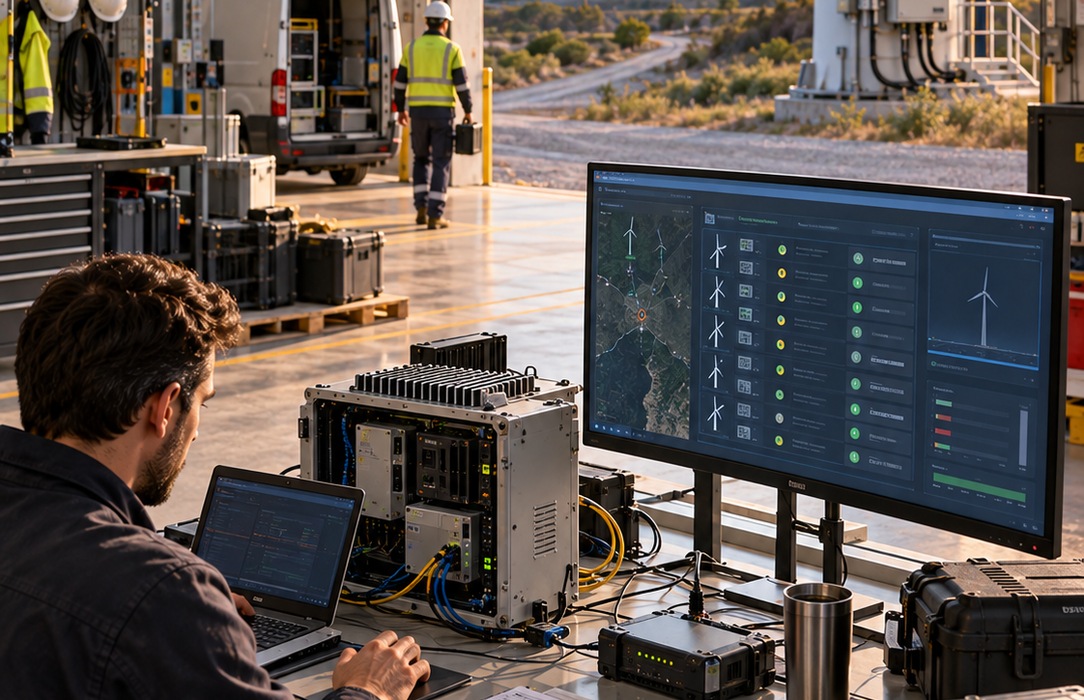
Automated deployment, configuration, patching and health monitoring reduce manual effort and help scale distributed infrastructure more efficiently.
Policy-based security, capacity and resilience controls help maintain reliable edge operations across remote sites with constrained access and intermittent connectivity.
Connecting edge workloads with network and cloud operations improves visibility, coordination and service assurance across dependent infrastructure domains.
NTTデータのサポート体制は?
Creates a consistent model for distributed edge infrastructure, including ownership, lifecycle state, configuration and dependencies.

Industrializes software lifecycle management and health monitoring across many remote sites.

Connects edge workloads with network and cloud environments to improve coordination, observability and response.

Applies policies to security, workload placement, capacity and recovery so edge nodes operate reliably despite constrained access and intermittent connectivity.


NTT DATA helps utilities deploy, patch, monitor and secure edge infrastructure consistently across remote sites while integrating edge, network and cloud operations.
Strengthening operational resilience by improving edge visibility, lifecycle control and automated response across the distributed infrastructure supporting critical utility processes.
Health monitoring, software lifecycle management and remote recovery help keep edge nodes operational despite constrained access and intermittent connectivity.
Standardized deployment, configuration, patching and monitoring reduce manual variation across distributed edge infrastructure.
Policy-based security, capacity and resilience improve consistency while reducing configuration drift and recurring weaknesses.
Better observability and controlled automation help distinguish symptoms from root causes and accelerate effective response.
Automate lifecycle management, strengthen resilience and integrate edge operations across remote utility environments