








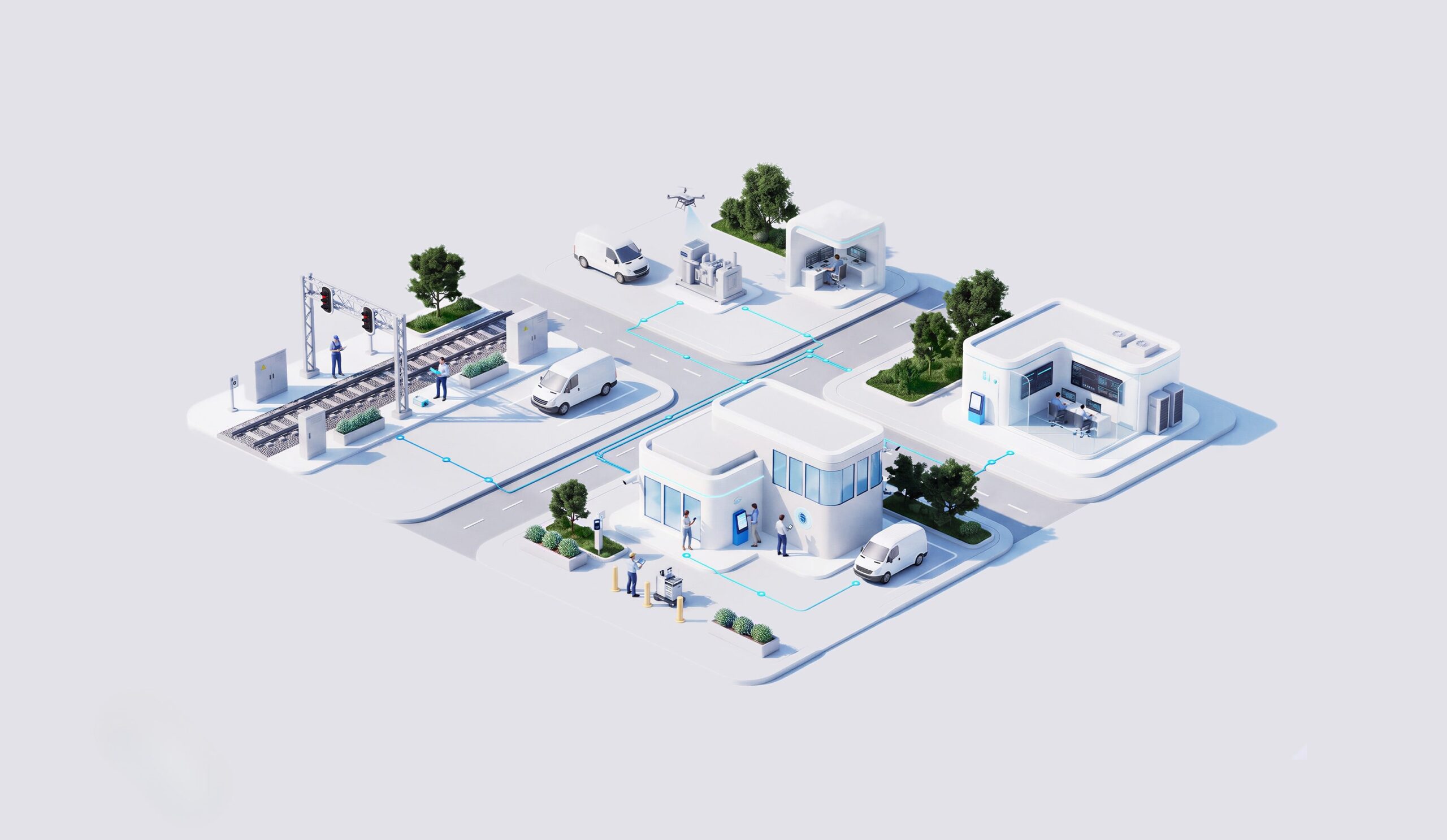



BESS Integration Readiness: Technical Due Diligence & Target Architecture
Utility-scale BESS now works as a strategic generation asset. Due diligence surfaces data, maintenance, control-room, cyber and ownership dependencies early, before they block commissioning.
You settle architecture and ownership while changes still cost little.

Integration risks and dependencies appear during design, weeks before they would surface on site.
Operations, IT and OT teams agree on interfaces, data flows and responsibilities up front.
Capability gaps get named and planned, so each system knows its role from day one.
Fewer design changes and less fragmentation once integration and commissioning start.
NTTデータのサポート体制は?
NTT DATA reviews current and future BESS requirements, asset interfaces and the operational processes the battery will touch.
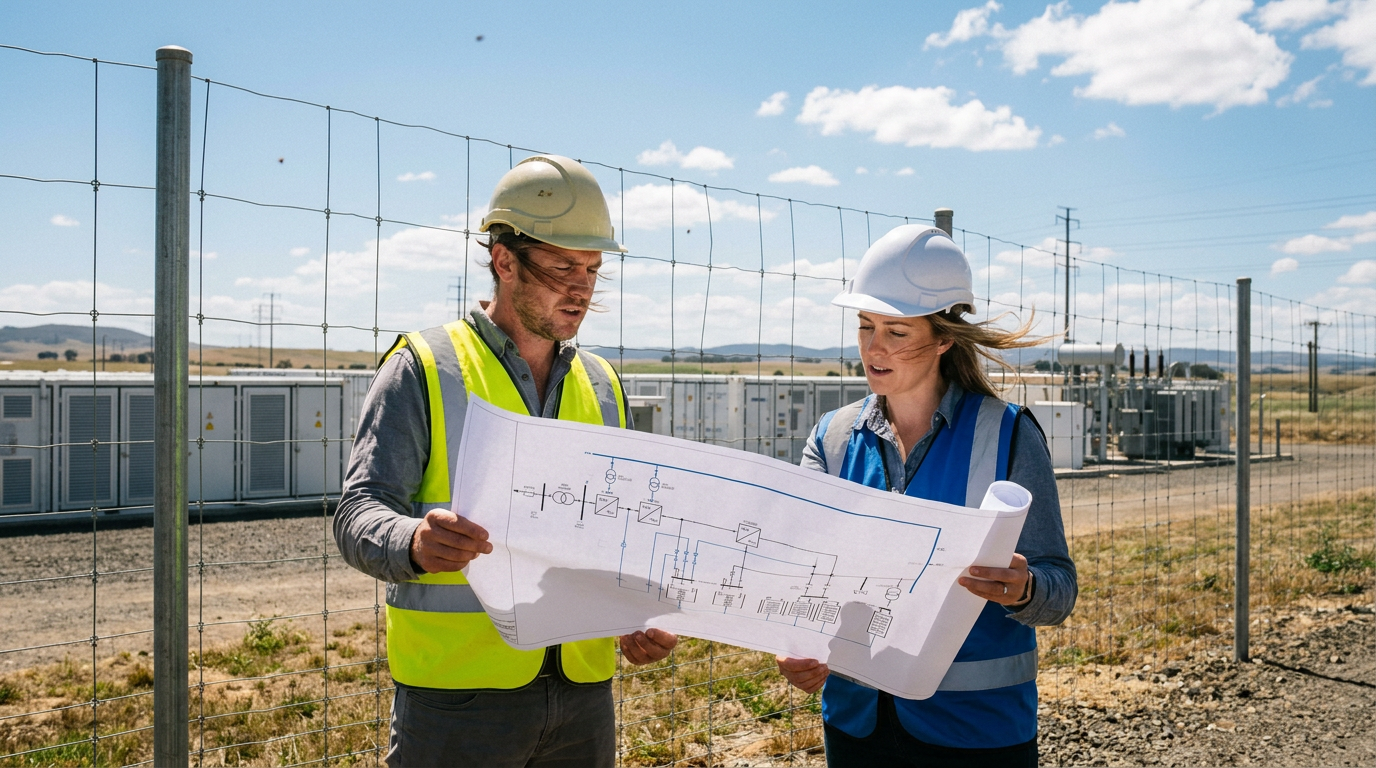
The review covers BMS and SCADA, generation assets, historian, analytics, work management and control-room processes.
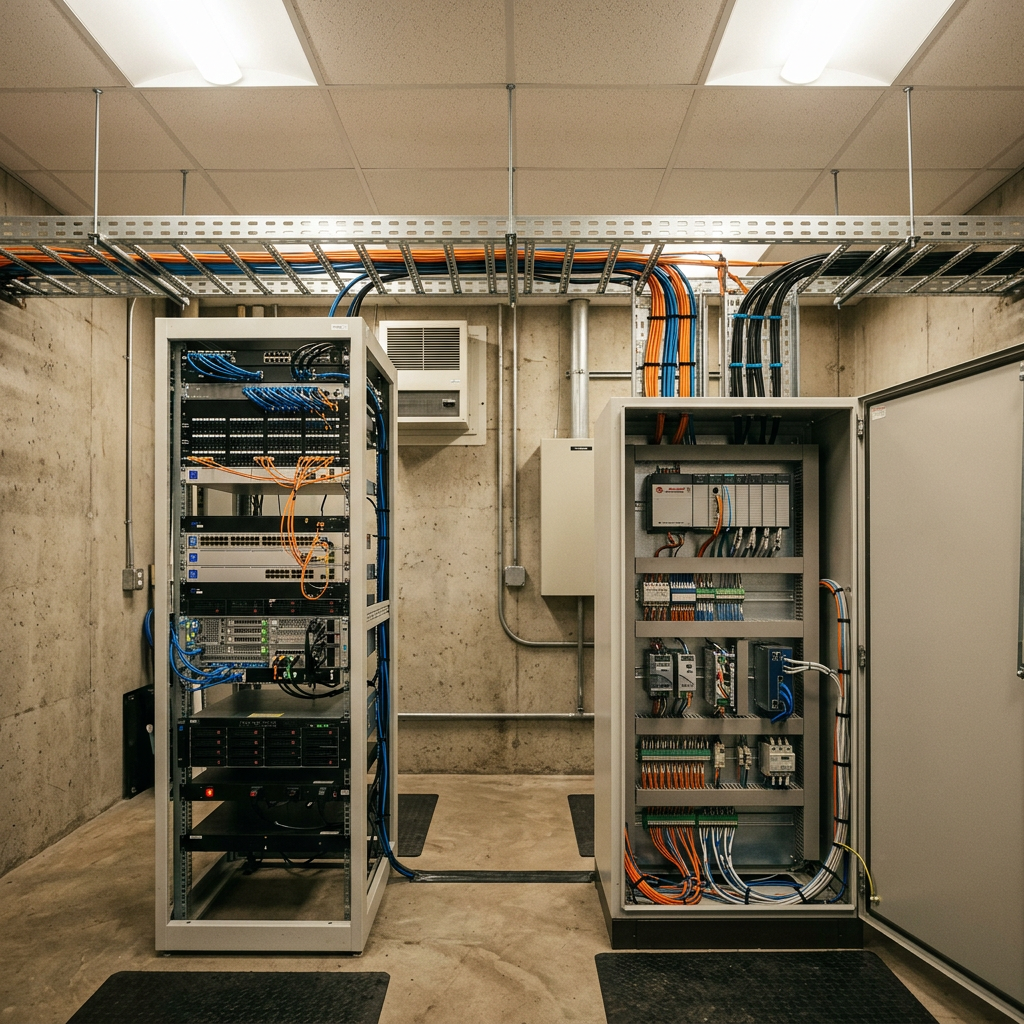
Integration dependencies, cyber and operational risks and ownership gaps get listed with mitigation options for each one.

A target operating model, systems architecture and capability requirements set how the battery runs inside your utility.

A phased roadmap covers design, integration, commissioning and operational support, with technology options compared on neutral terms.
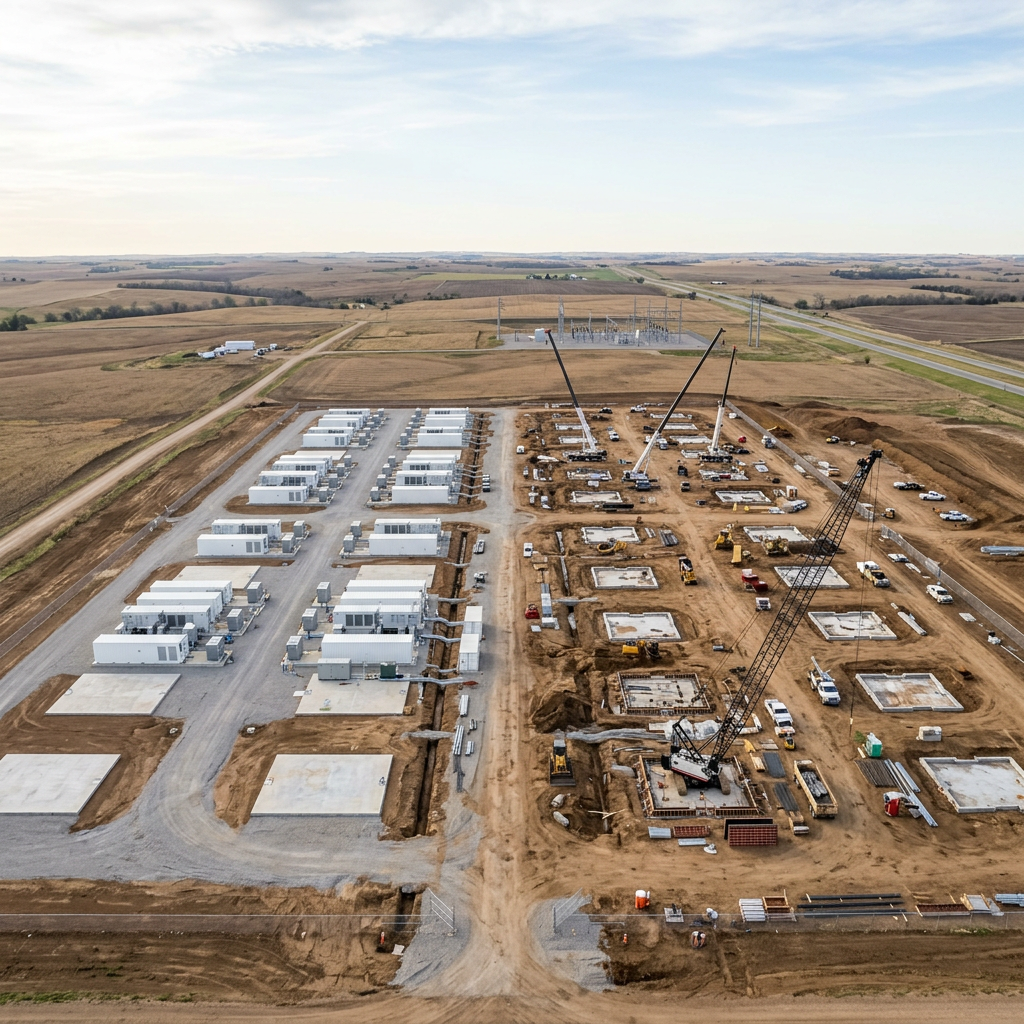
Due diligence brings data, maintenance, cyber and ownership questions forward, so the battery joins your enterprise systems on day one.
Readiness criteria follow your IT/OT estate and project stage, and get tracked through each roadmap phase.
Dependencies get logged and owned before procurement and detailed design close.
Every interface has a defined data flow, owner and security control.
The target architecture lists each capability gap with a plan and a date.
Commissioning runs on decisions made during design, with less rework and fragmentation.
Drive the conversation that makes BESS integration part of your IT/OT architecture from day one.