


- All Foundries

- 商品管理と取引

- 顧客とマーケティング戦略

- デジタルエンジニアリング

- ステーション・スタジオ

- サプライチェーン&インダストリー5.0
- サステナビリティ

- Physical AI

- Next-Generation Infrastructure







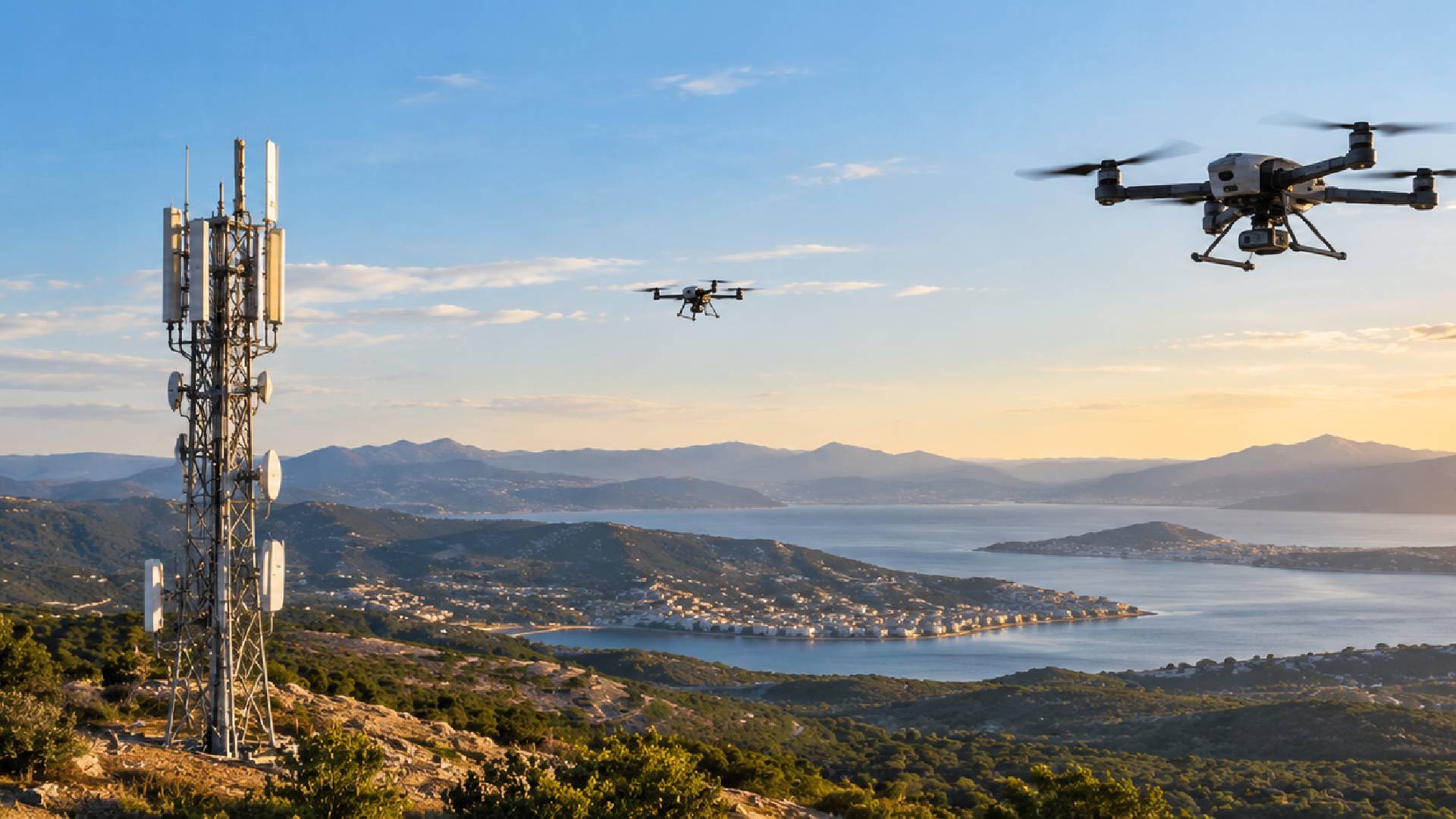
Cooperative networked UAVs for 5G coverage extension
Users can move beyond the range of conventional base stations, while remote locations and temporary operations may require connectivity where permanent infrastructure is unavailable. Mobile and adaptive coverage provides an alternative by allowing UAVs to extend network reach on demand and reposition as connectivity conditions change.
Coordinated UAVs create an agile layer for expanding 5G coverage, adapting in real time as users move and network demands evolve.

Mobile UAV relays can extend 5G connectivity rapidly without requiring permanent network infrastructure in every location.
Autonomous repositioning allows UAVs to follow changing user locations and maintain connectivity as network requirements evolve.
The approach supports connectivity across industrial campuses, remote environments and temporary or emergency operating scenarios.
Dynamic positioning and network monitoring create a basis for more intelligent, AI-driven optimization of future network operations.
NTTデータのサポート体制は?
NTT DATA provides a control capability designed to manage multiple UAVs operating cooperatively as mobile 5G relay nodes.
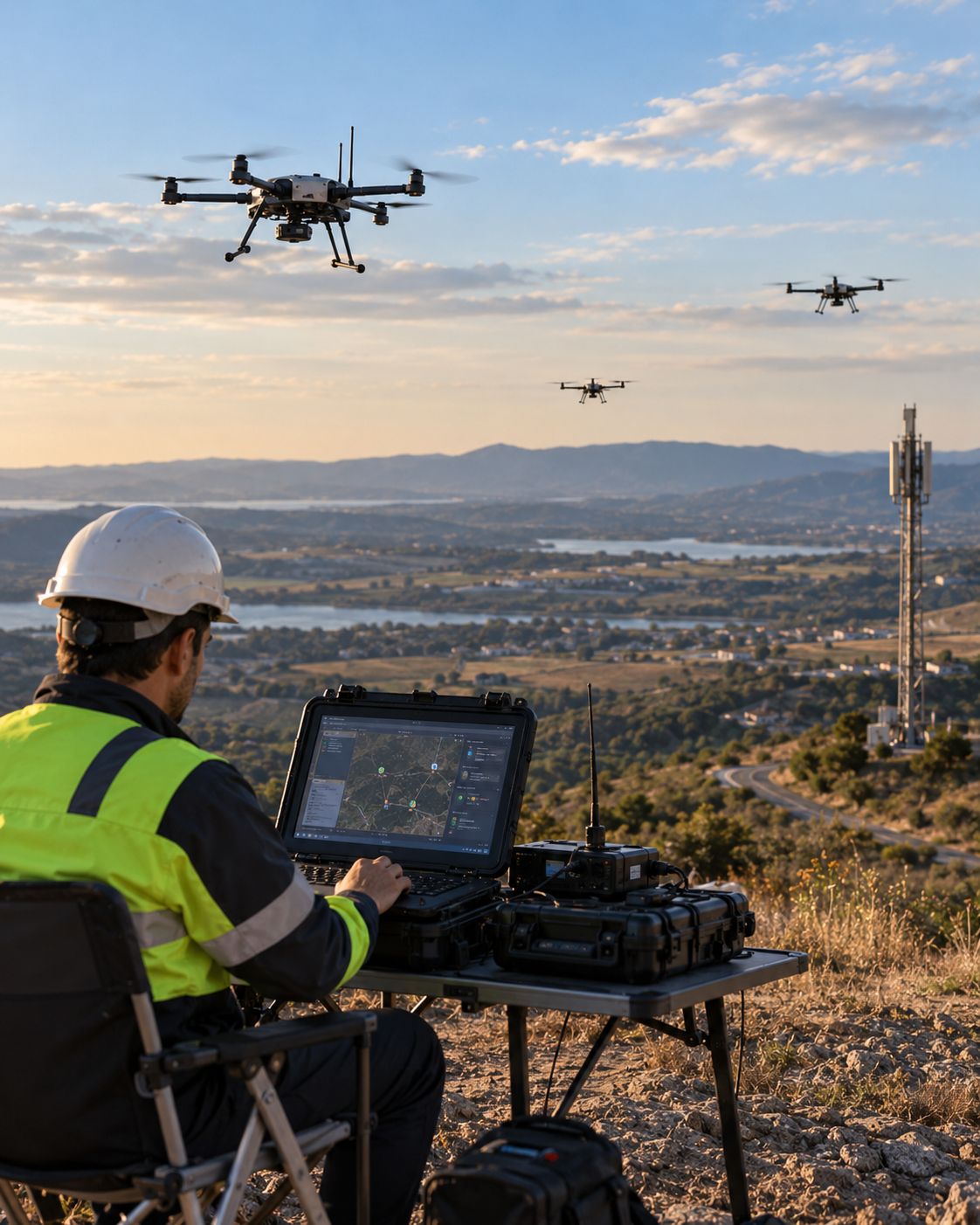
Different optimization policies can be applied to determine how UAVs should position and move within the coverage area.
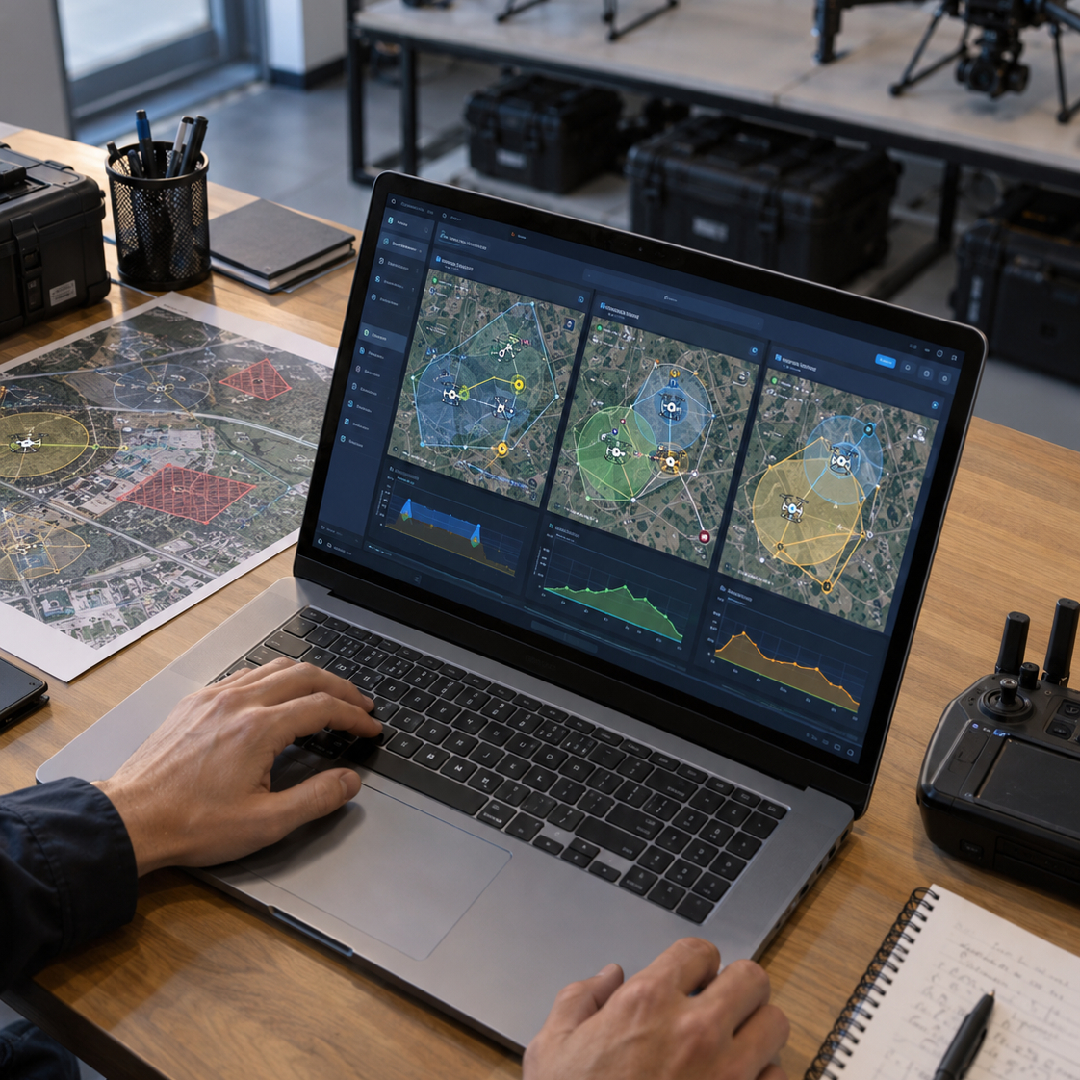
The system continuously evaluates connectivity conditions to support operational decisions about UAV placement and movement.
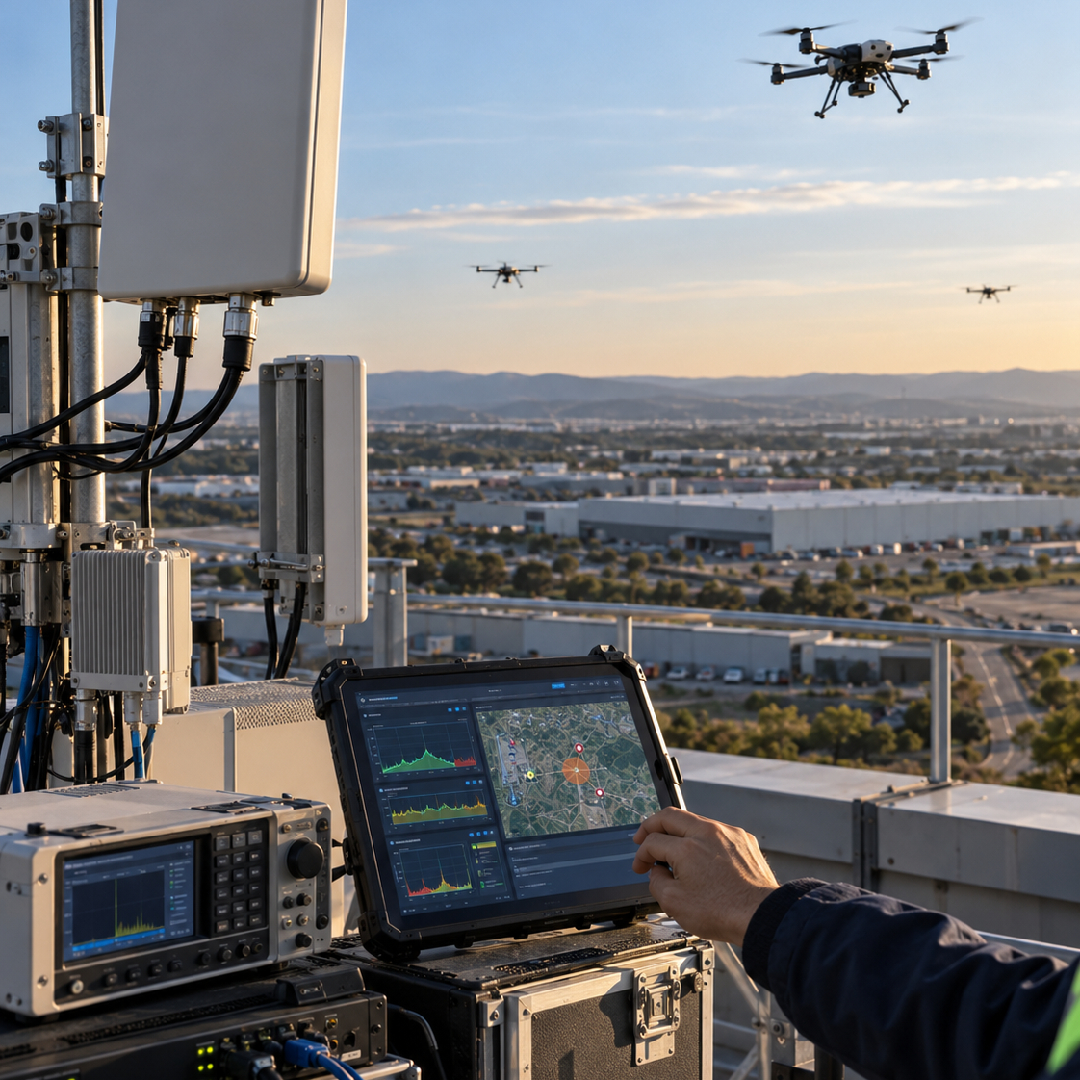
Aircraft positions are adjusted dynamically to help maximize signal strength and throughput as users move.

Ground-based 5G connectivity is relayed through UAVs equipped with radios and computing units that operate as mobile Integrated Access and Backhaul nodes.
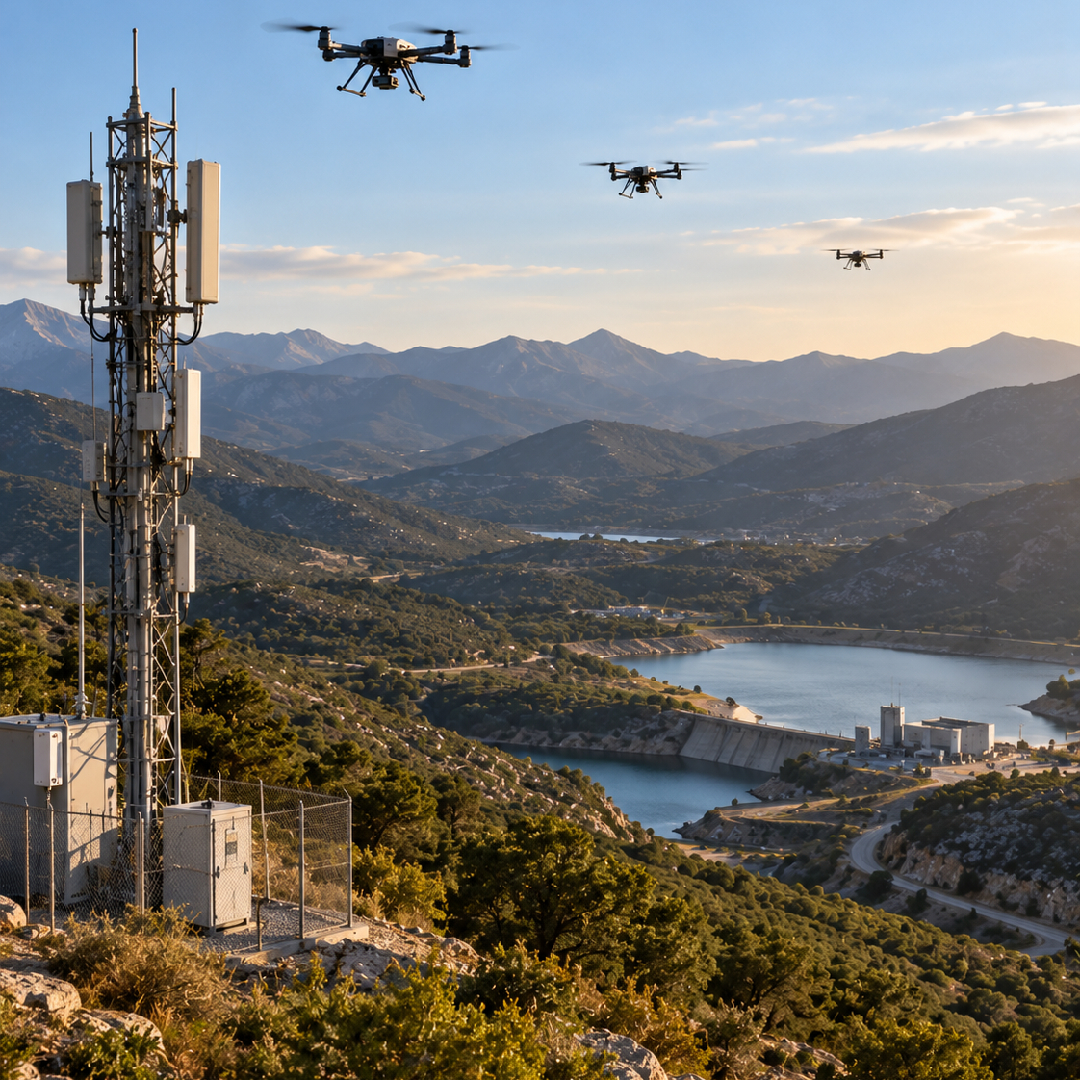

The demonstrated concept presents qualitative improvements in deployment flexibility, adaptive coverage, scalability and autonomous network management across mobile and temporary connectivity scenarios.
UAV-based relay nodes extend 5G reach beyond fixed infrastructure, supporting connectivity in locations where conventional base station coverage is limited.
Coordinated UAV repositioning allows network coverage to respond continuously as users move, helping maintain signal strength and throughput across changing locations.
The same cooperative approach can be applied across industrial campuses, remote operations, emergency situations and temporary events requiring flexible connectivity.
Continuous monitoring and configurable optimization policies provide a foundation for AI-driven positioning and increasingly autonomous management of distributed 5G coverage.
Use coordinated UAV fleets, dynamic positioning and continuous network monitoring to extend connectivity where fixed infrastructure cannot provide sufficient reach or flexibility.
