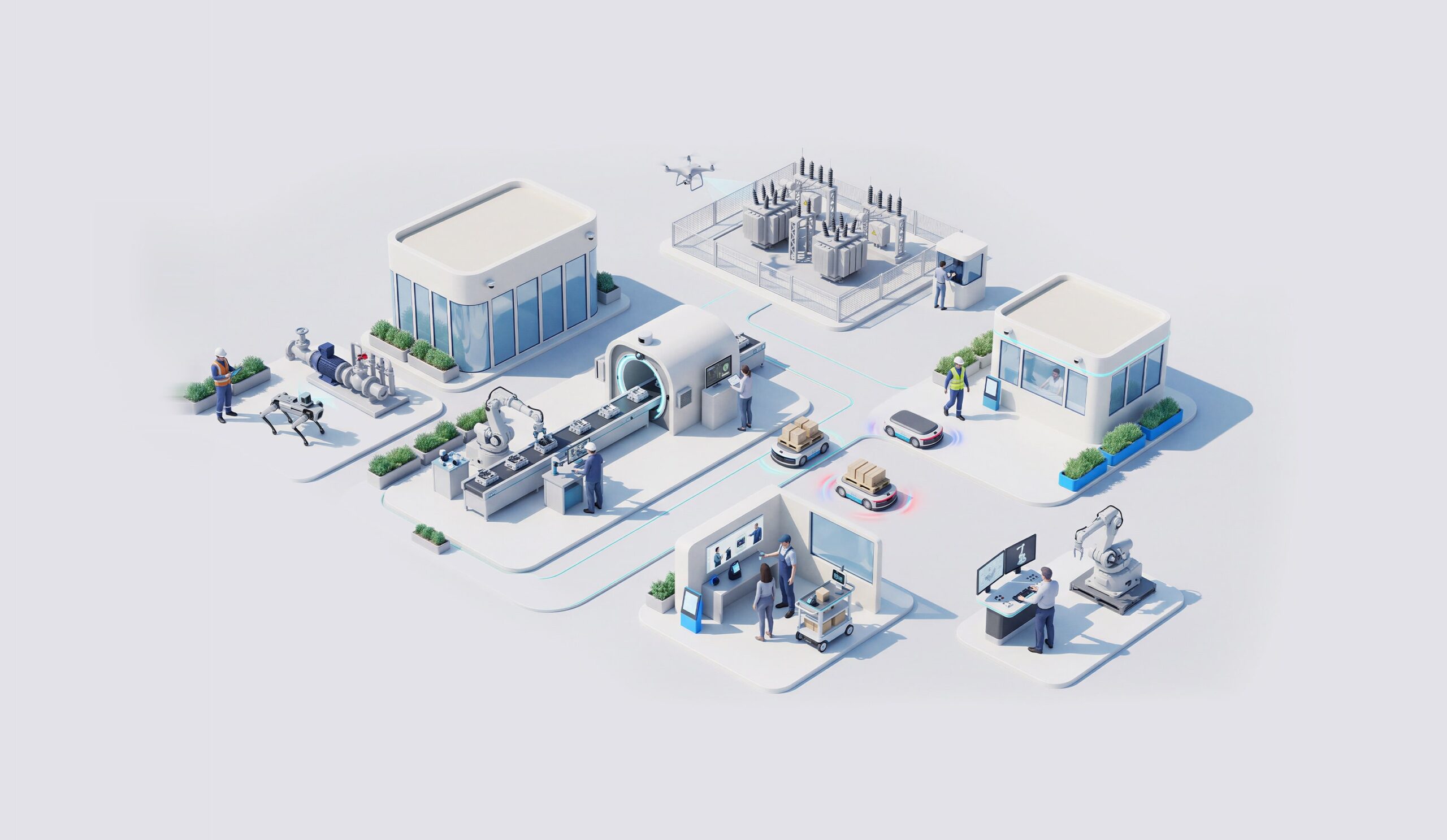
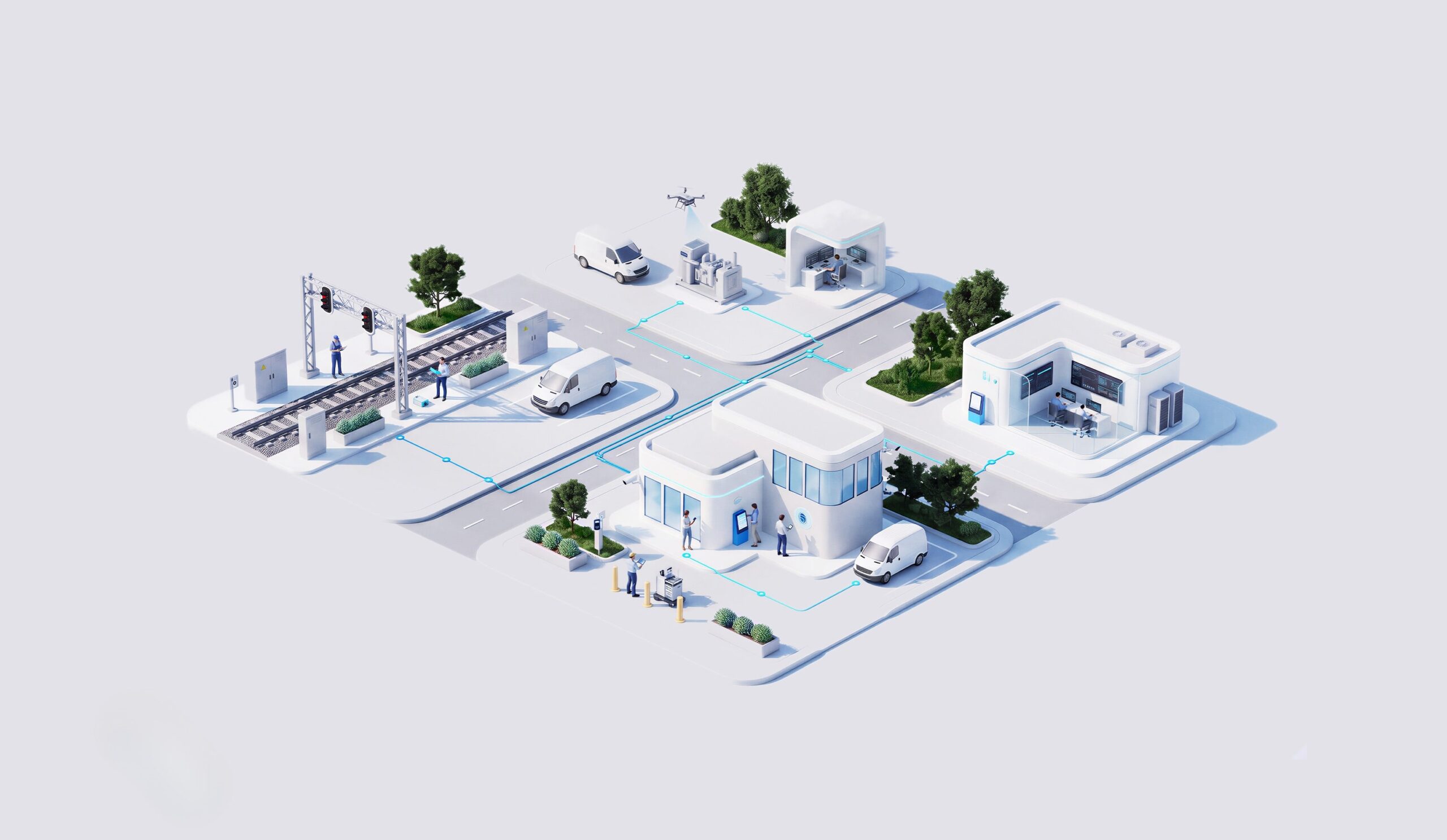
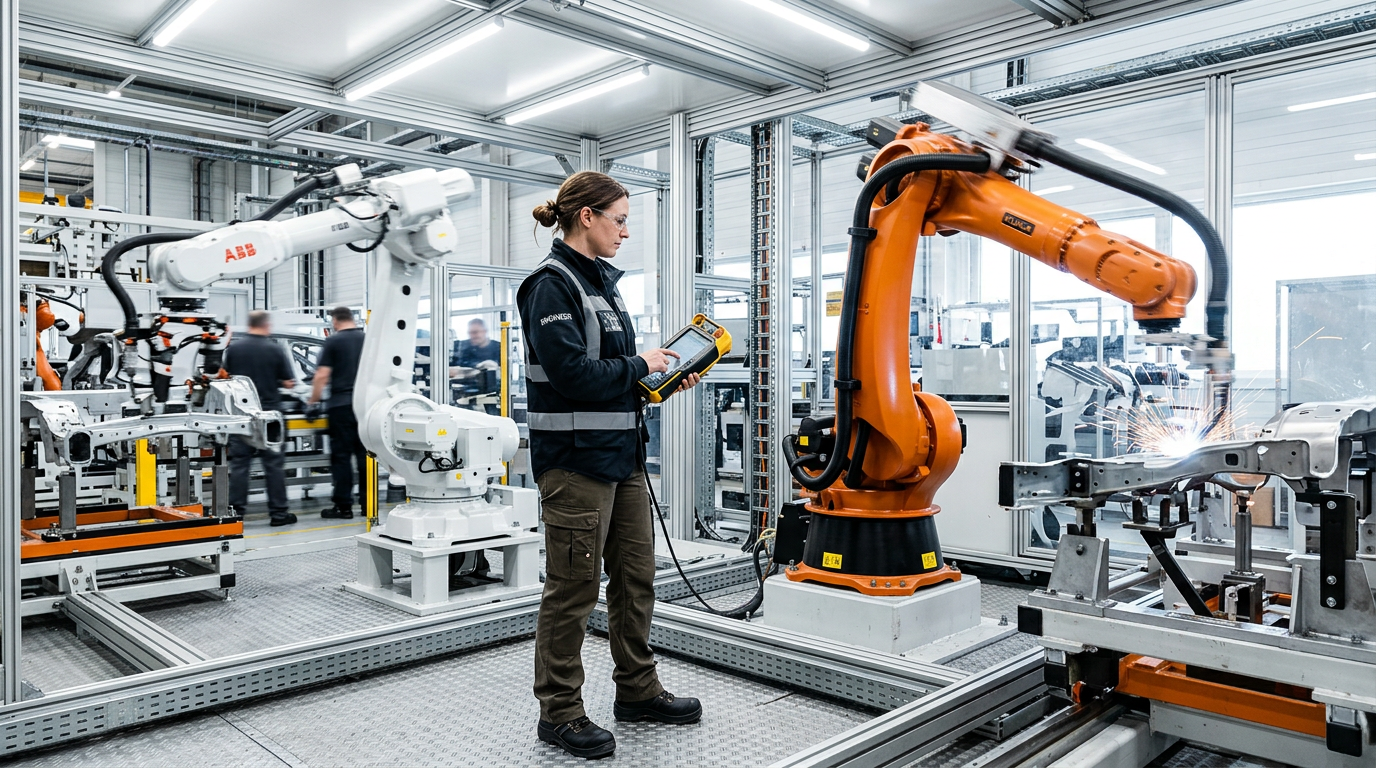
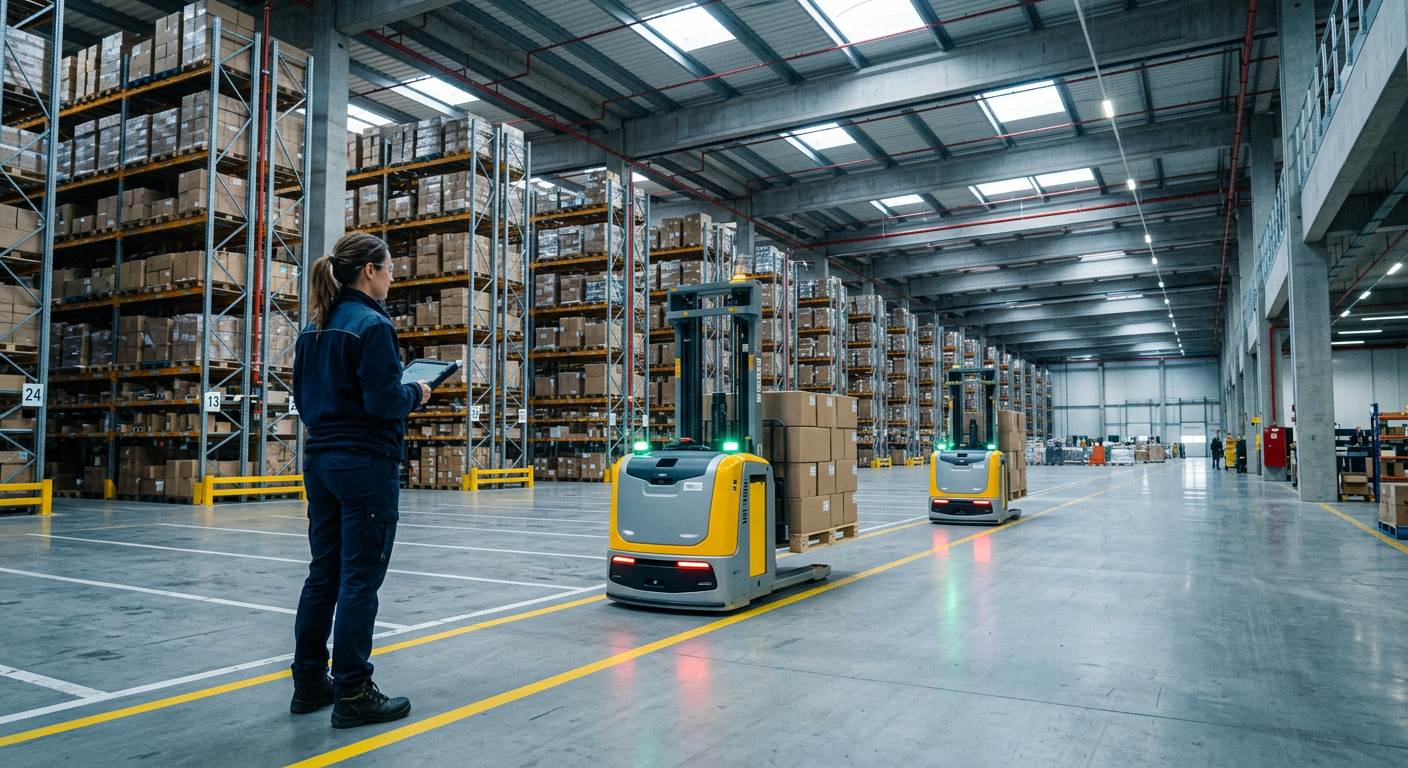
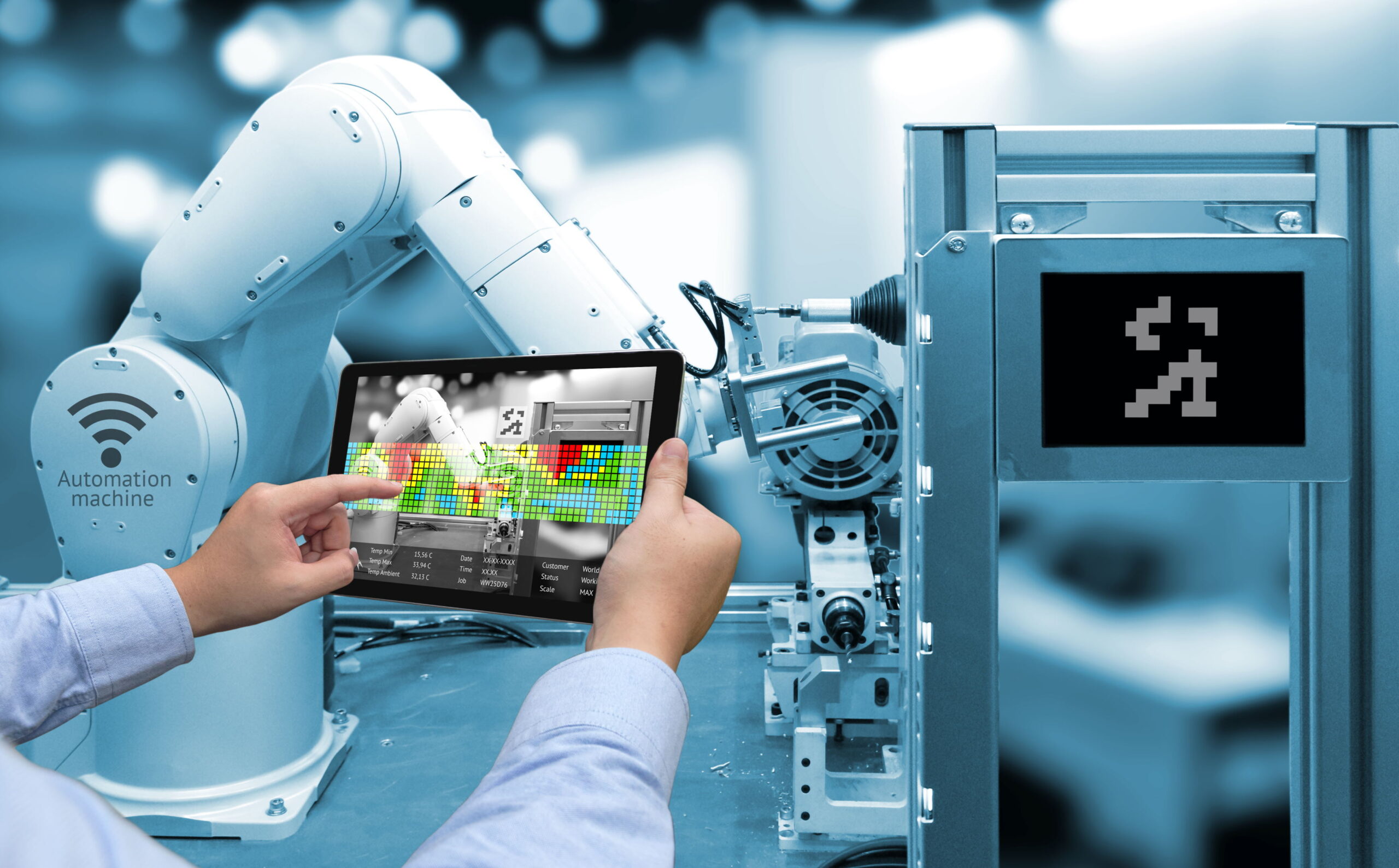
Industrial workers using digital monitoring to improve safety and visibility across large assembly areas
心を動かす会話

Critical Process Autonomous Monitoring

In sprawling assembly areas, people can vanish from view in seconds. Autonomous patrol robots bring awareness where fixed cameras and supervisors can't reach
会議のスケジューリング
ポッドキャストを聴く
-15
+15
0:00
/
0:00
Blind spots do not announce themselves. In complex manufacturing spaces, they become operational risk.
WHY THIS “CRITICAL PROCESS AUTONOMOUS MONITORING" CHALLENGE?
Fixed cameras can’t cover every blind spot

The issue isn’t surveillance it’s coverage. Vehicle assembly buildings need visibility across wide areas, but fixed cameras and supervisors can’t watch every zone. Lone workers need faster detection and a clear path to action

主なメリット
Safety Monitoring Has to Move With the Work
チェックアイコン
Find the worker the camera missed

Mobile patrols extend visibility into areas fixed surveillance cannot continuously cover.

チェックアイコン
Turn location into safety context

Mapping and navigation help the robot understand its position and the relative position of people nearby.

チェックアイコン
Follow the risk, not just the route

Patrol paths can adapt around shift schedules, worker presence and higher risk facility zones.

チェックアイコン
Escalate when someone is alone

If a solitary worker is detected, the system can trigger an alert and connect with facility management workflows.

NTTデータのサポート体制は?

01
Safety use case definition

Identifies where autonomous monitoring reduces blind spots and strengthens lone-worker detection across large facilities

Young Female Computer Science Engineer Working on Laptop next at Big Screen Display Showing Neural Data. Telecommunications Technology Company System Control and Monitoring Room with Servers.
02
Mobile perception and navigation design

Combines visual detection, 3D mapping and autonomous navigation so patrol robots move confidently through complex environments

Serviceman coding in high tech data center using javascript language, close up. Meticulous repairman updating software on server rigs on tablet terminal, ensuring optimal performance and security
03
Route logic based on operational risk

Designs patrol routes around shift patterns, risk zones and real-time worker presence, not fixed loops

Fleet vehicles following dynamic routes based on operational risk and real-time conditions
04
Alert integration with facility systems

Connects detection events to existing operational workflows so alerts reach the right team fast

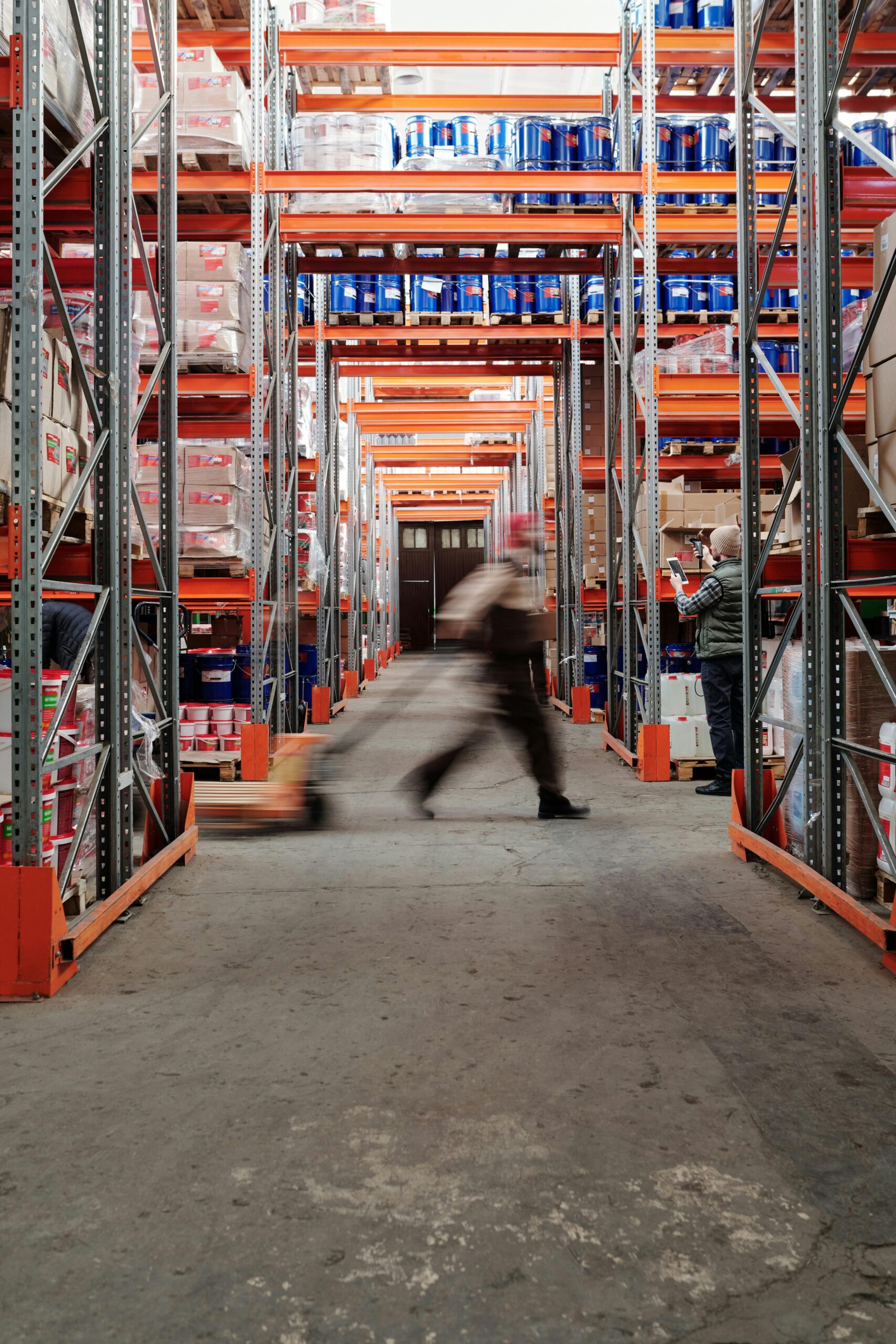
Warehouse manager using a tablet to receive real-time operational alerts integrated with facility systems
05
Scalable deployment across zones

Industrializes the model so monitoring expands from one area to multiple facility zones with consistent logic


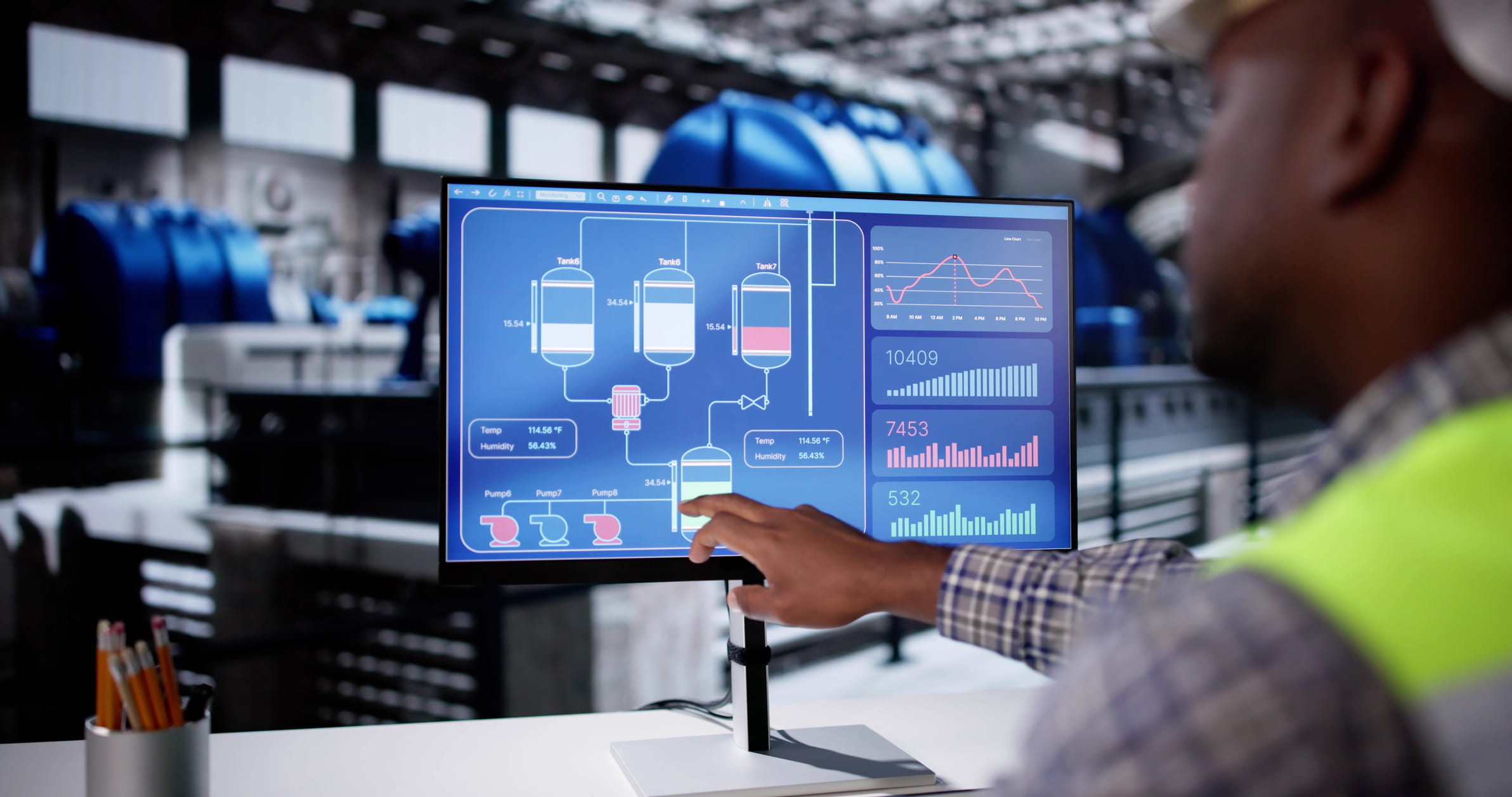
Operations team using centralized analytics to scale industrial monitoring consistently across multiple facility zones
Operations team using real-time monitoring and alert systems to improve safety and reduce blind spots across complex assembly environments
実証済みの効果
Fewer Blind Spots, Faster Alerts

Safer coverage across complex assembly environments

重要な結果
Operational safety gains from autonomous process monitoring.
チェックアイコン
Reduce supervision blind spots

Extend monitoring beyond fixed camera coverage and manual observation limits

チェックアイコン
Improve lone-worker detection

Identify when a worker appears alone in areas requiring accompaniment.

チェックアイコン
Strengthen safety compliance

Support adherence to internal safety policies and regulated procedures

チェックアイコン
Scale safety coverage across zones

Deploy autonomous patrol logic across facility areas without added supervisors

Ready to Close Your Blind Spots?

Bring mobile safety awareness to complex facilities and close critical blind spots before they become risks →
ドラッグ