- All Foundries

- 商品管理と取引

- 顧客とマーケティング戦略

- デジタルエンジニアリング

- ステーション・スタジオ

- サプライチェーン&インダストリー5.0
- サステナビリティ

- Physical AI

- Next-Gen Infrastructure




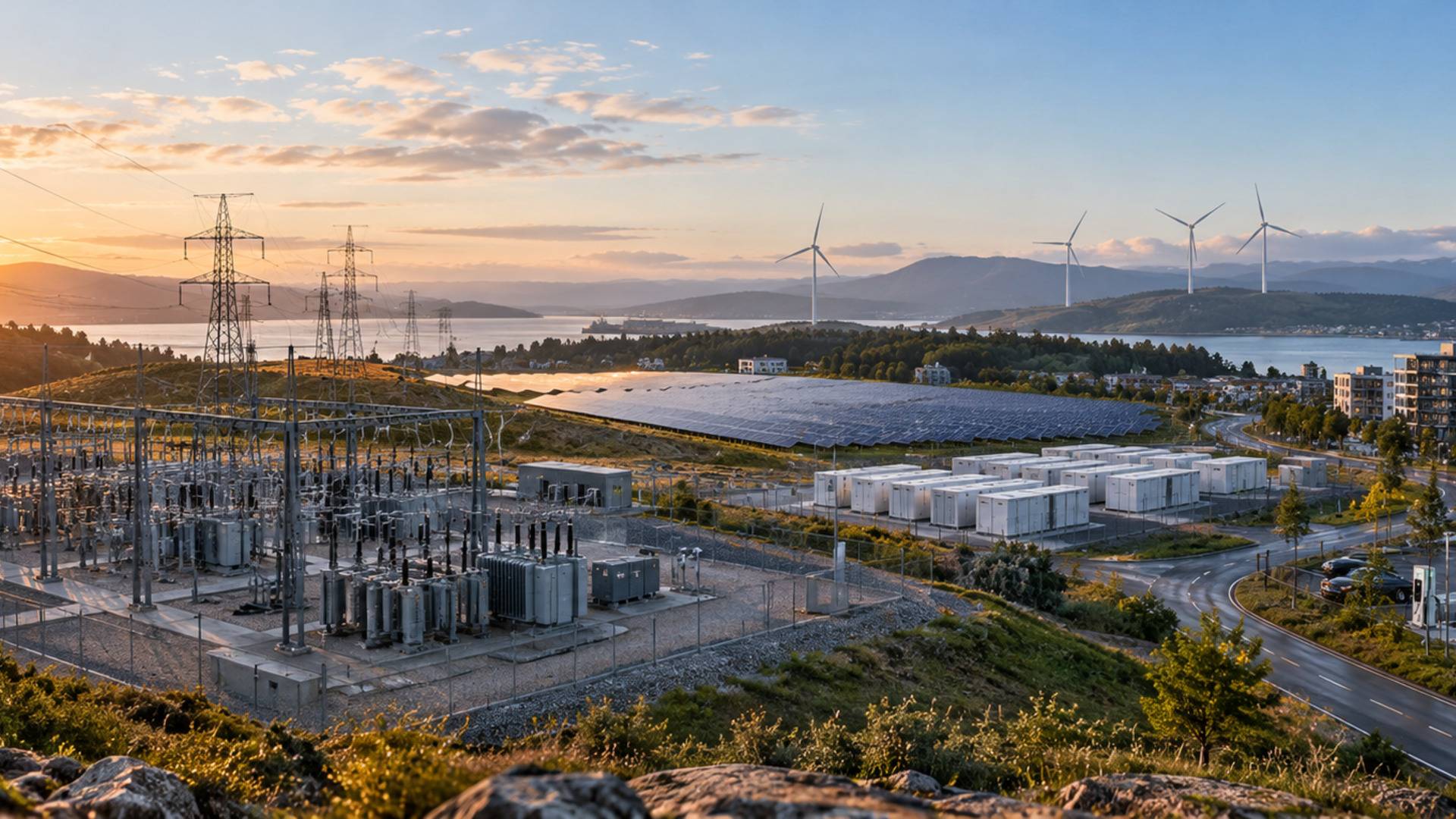
Energy as a service platforms
Customers, partners, distributed energy resources and digital services are multiplying across the utility value chain. Yet many interactions still rely on fragmented systems, manual data movement and one-off integrations. The challenge is to connect physical and market conditions with operational and commercial decisions, without compromising reliability, cyber resilience or human accountability.
Energy-as-a-Service platforms create a shared foundation for information, workflows and ecosystem participation, helping utilities move faster while retaining the controls critical infrastructure demands.

Improve communications availability and resilience across operational and commercial processes.
Bring authorised asset, enterprise and market information closer to the point of decision.
Integrate data and outputs into existing workflows instead of adding another isolated technology layer.
Extend reusable capabilities across sites, asset classes and business units with permissions, validation and cyber safeguards built in.
NTTデータのサポート体制は?
Connect relevant operational, asset and enterprise sources through cloud platforms, APIs and event streaming, establishing reliable data flows around priority utility processes.

Shape authorised data products around assets, customers and workflows so teams can interpret conditions in context, rather than navigate disconnected information.
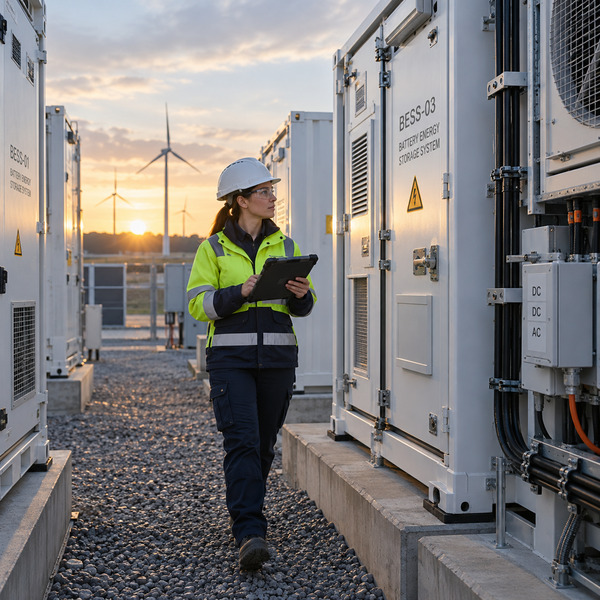
Apply analytics, automation or intelligence at the appropriate architectural point, then integrate outputs into the operational workflows where decisions are made

Define identity and access controls, cyber safeguards, validation paths and fallback mechanisms aligned with safety, regulatory and operational risk.
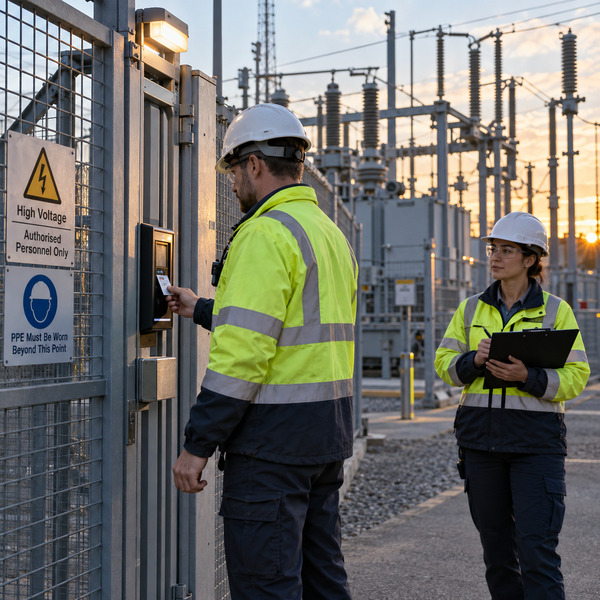
Begin with controlled scenarios and operational KPIs, then reuse the platform capabilities across sites, asset classes and business units as maturity grows.
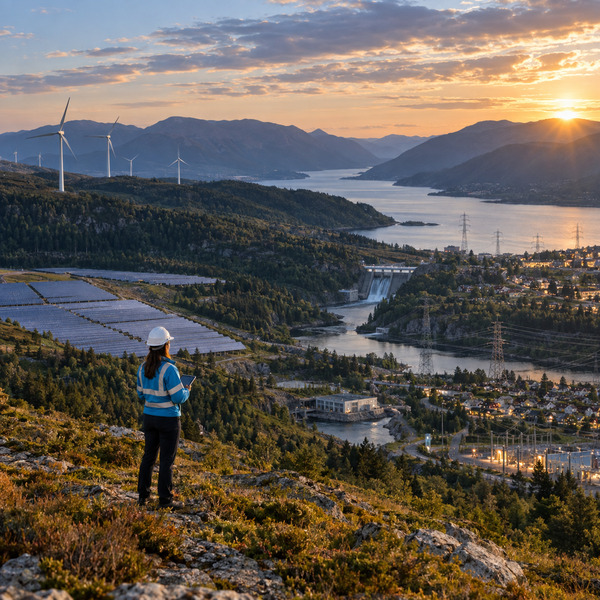
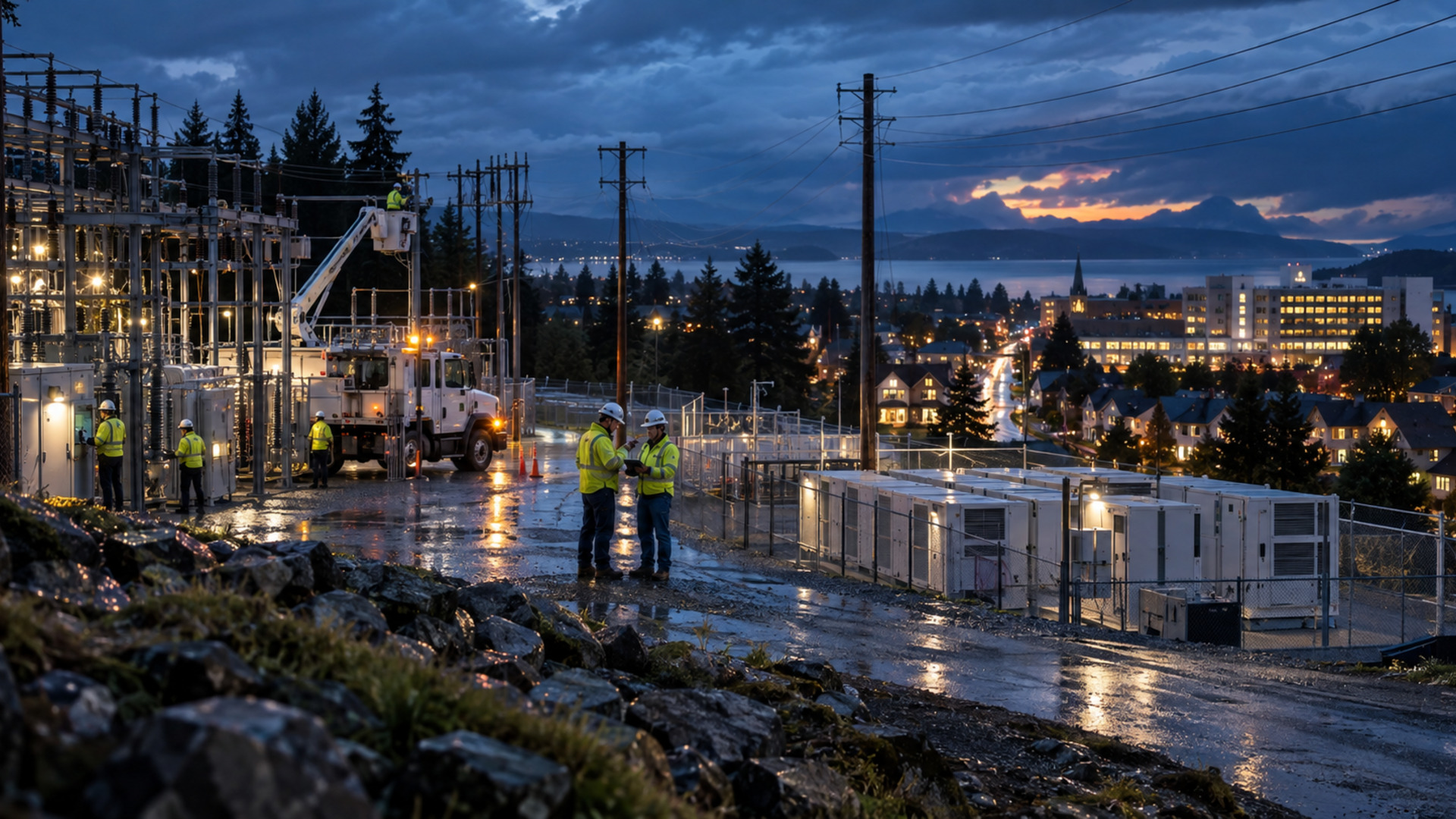
By connecting utility data, platforms and frontline workflows, the model can reduce fragmentation, improve visibility across distributed assets and support earlier action with better context. Human oversight remains in place wherever safety, regulatory or operational risk requires it.
The platform creates practical movement across utility operations, customer and DER ecosystems, and flexibility services, while preserving the governance needed for critical infrastructure.
Reduce the time lost between changing physical or market conditions and the workflow that responds to them.
Limit repetitive data transfer and reconciliation so teams can focus on higher-value operational decisions.
Bring the right information and intelligence closer to the moment of action.
Create a more consistent view of distributed assets and a reusable path for expansion across the utility enterprise.
Explore where an Energy-as-a-Service platform can turn fragmented interactions into coordinated services, beginning with the use cases that matter most to your operations, customers and growth agenda.