- All Foundries

- 商品管理と取引

- 顧客とマーケティング戦略

- デジタルエンジニアリング

- ステーション・スタジオ

- サプライチェーン&インダストリー5.0
- サステナビリティ

- Physical AI

- Next-Gen Infrastructure










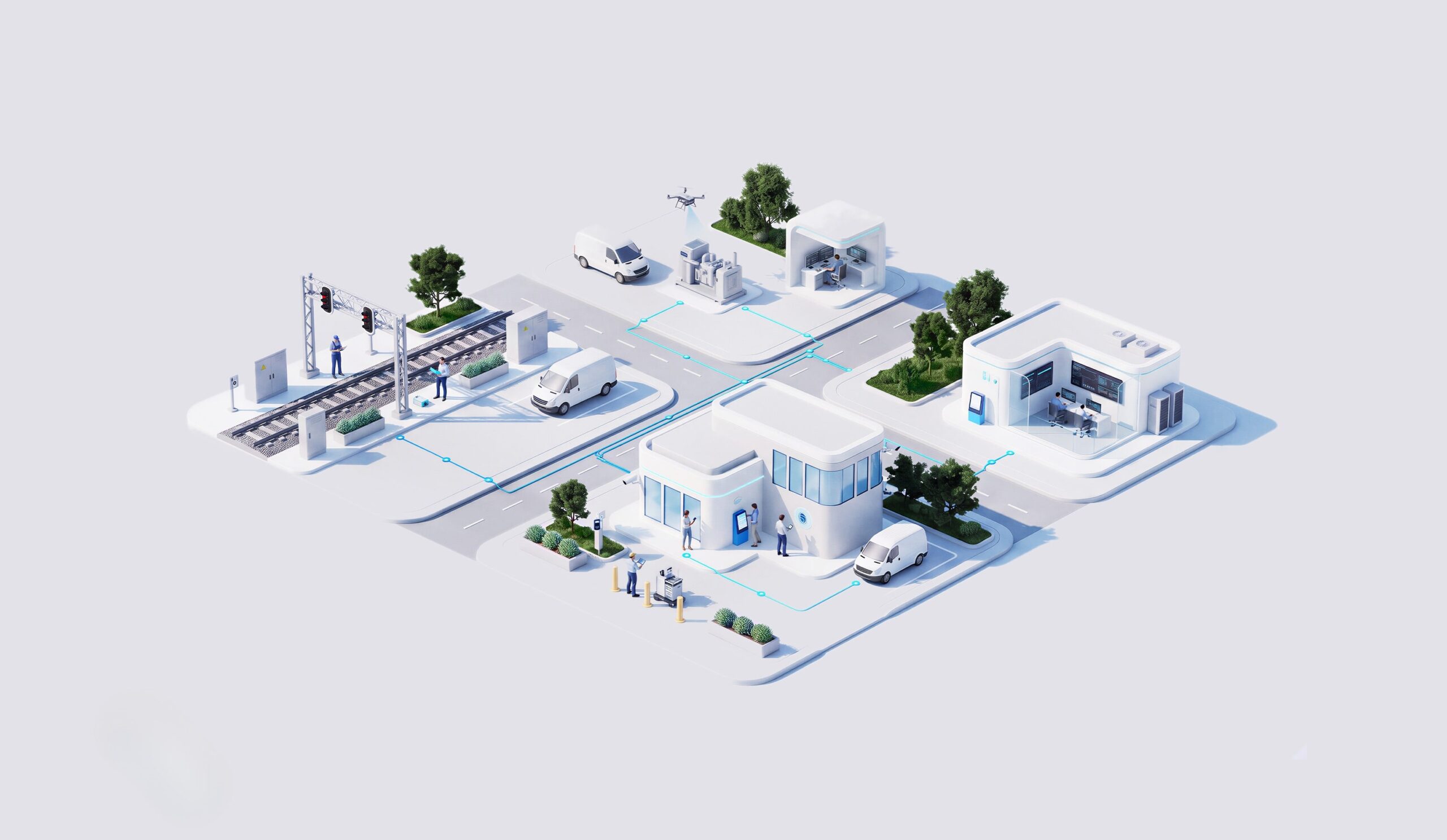



Flexibility marketplaces & local energy markets
Traditional point-to-point processes were not designed for an energy system shaped by customers, partners and distributed energy resources acting in near real time. Utilities need a way to connect market signals with physical conditions, operational workflows and authorised data. The challenge is to create that coordination without adding another isolated platform, weakening cyber resilience or removing human accountability where operational and regulatory risk demand it.
A well-governed marketplace can turn fragmented interactions into a repeatable utility capability, linking local supply and demand with the decisions that keep the system reliable, responsive and ready to scale

Use reusable market and integration capabilities to move new flexibility and digital services from concept into controlled operation.
Bring customers, partners and distributed energy resources into clearer processes supported by shared data and defined permissions.
Connect physical and market conditions so operational and commercial teams can respond earlier and with a more complete view.
Build interoperable capabilities that can extend across sites, asset classes and business units as maturity increases.
NTTデータのサポート体制は?
Bring authorised operational, asset, enterprise and participant data together through APIs and secure connectivity, creating a dependable foundation for market interactions.
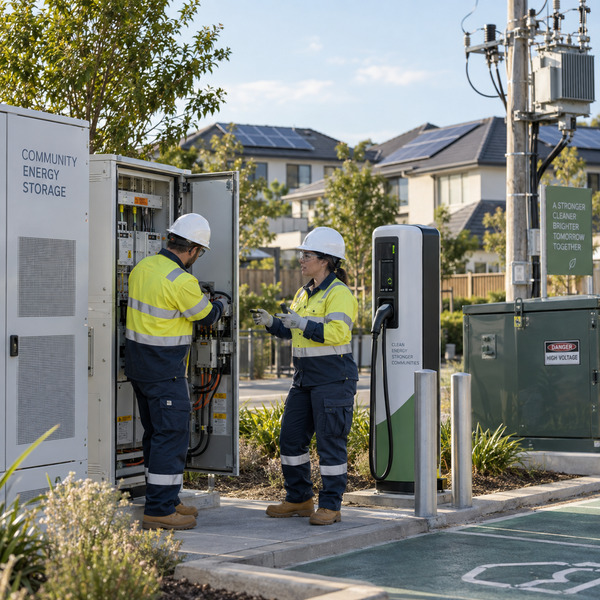
Use smart metering, DERMS and data products to relate distributed resources to location, network conditions, customer permissions and operating limits.

Apply VPP, market platform, analytics and automation capabilities where they can support dispatch, matching and response, while preserving appropriate oversight.
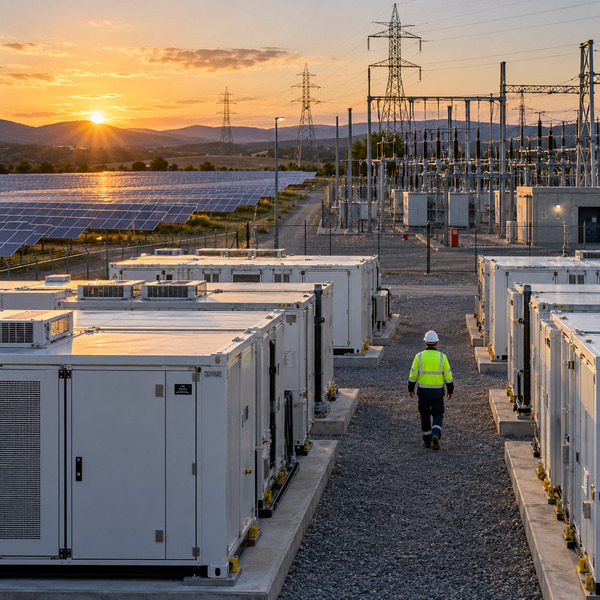
Integrate market outputs into existing enterprise and OT workflows so flexibility becomes part of how teams operate, rather than a separate technology layer.

Define permissions, cyber controls, validation, fallback mechanisms and measurable operational KPIs, then expand from controlled use cases as confidence grows.
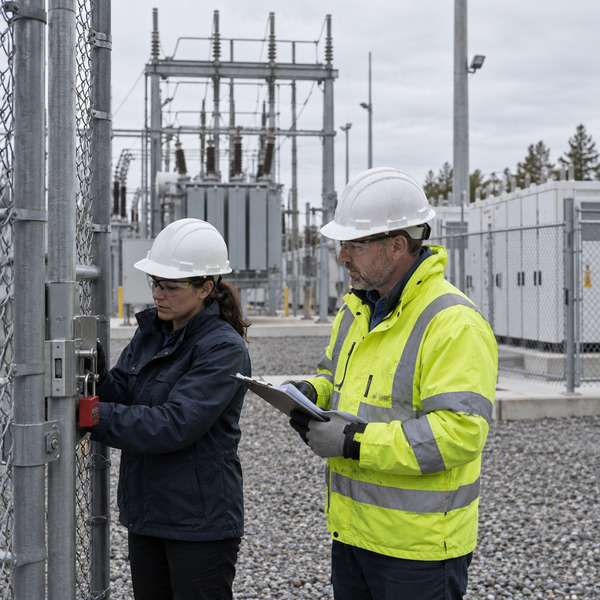

The capability creates a more continuous connection between physical conditions, market participation and operational decisions. It is designed to reduce fragmentation, improve responsiveness and provide a reusable foundation for distributed-energy services across the utility.
By connecting data, platforms and workflows, utilities can create the conditions for faster service delivery, more efficient ecosystem coordination and better-informed action across distributed operations.
Streamline the path from market signal to operational response through connected data and integrated workflows.
Reduce repeated hand-offs across customers, partners and internal teams by standardising interactions and automating appropriate steps.
Give teams a more timely view of network, asset and market conditions at the point where action is required.
Create a shared operational picture that supports governance, service quality and progressive scaling.
Bring network, market and customer priorities into one conversation, then shape a controlled path from a focused use case to a scalable flexibility capability.