- All Foundries

- 商品管理と取引

- 顧客とマーケティング戦略

- デジタルエンジニアリング

- ステーション・スタジオ

- サプライチェーン&インダストリー5.0
- サステナビリティ

- Physical AI

- Next-Gen Infrastructure













GenAI for employee productivity & augmented engineering
Telecom operators must modernize legacy applications, reduce technical debt and release new services across complex estates. Coding assistants can accelerate individual tasks, but unmanaged adoption can fragment tooling, weaken quality controls and unsettle the workforce. The real challenge is to redesign the software delivery lifecycle so engineers receive useful support, human accountability stays clear and every gain can be measured.

Reduce repetitive effort in code generation, refactoring, documentation and test creation, with engineers reviewing and deciding what moves forward.
Connect AI assistance to codebases, architecture standards and telecom domain knowledge so modernization supports the target estate, not just the immediate task.
Use testing and secure development practices throughout the workflow to surface defects, vulnerabilities and compatibility issues before certification.
Measure cycle time, acceptance, quality and rework by role and workflow, then scale the patterns that create observable value.
NTTデータのサポート体制は?
Identifies where engineers spend time, where handoffs fail and which SDLC moments are suitable for augmentation. Use cases are prioritized by business value, feasibility and risk.
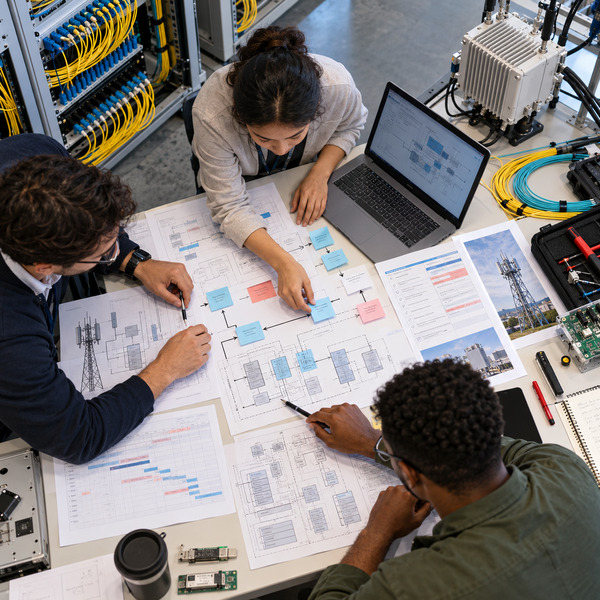
Defines how AI surfaces suggestions, drafts code or generates tests, and where architects, developers, security teams and product owners review, approve and remain accountable.
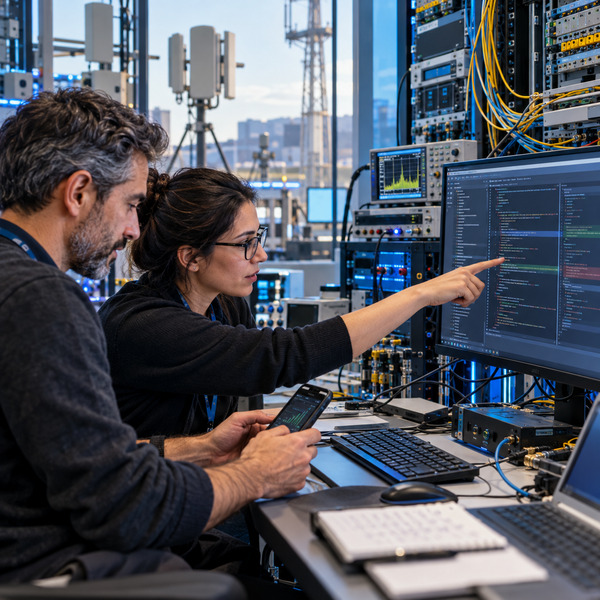
Connects approved models and engineering tools to the relevant code, standards and knowledge while applying access controls, traceability and responsible AI governance.
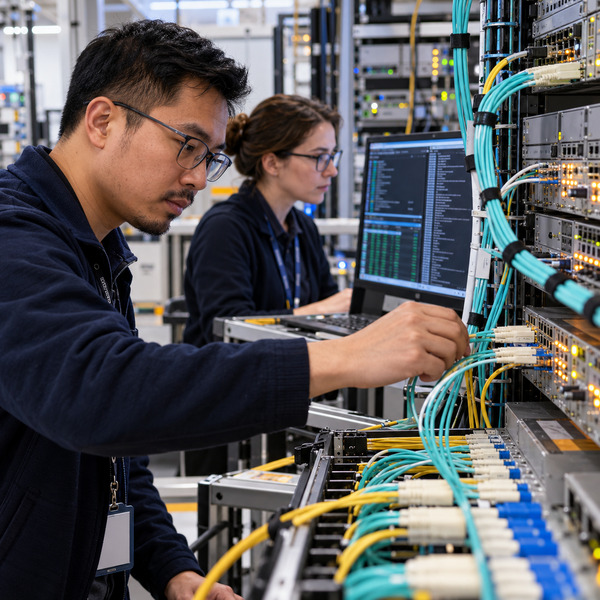
Starts with bounded workflows and clear baselines for cycle time, quality, coverage, acceptance and rework, then uses the evidence to decide what should scale.
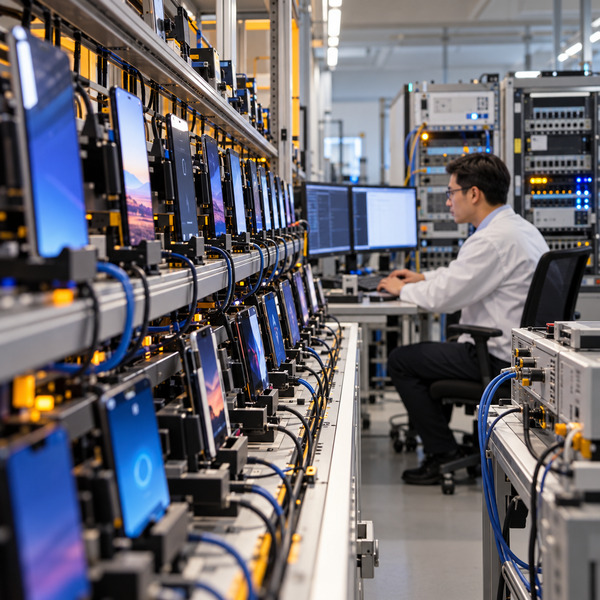
Combines role-based learning, AI champions, workflow support and performance tracking so new ways of working become repeatable rather than dependent on isolated enthusiasts.
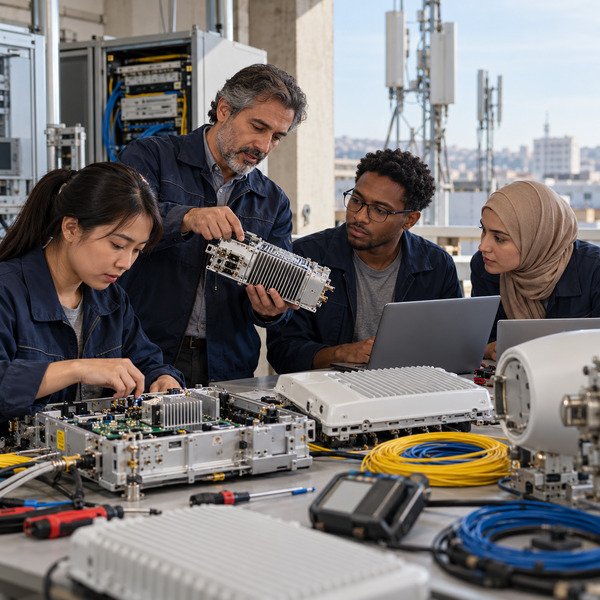

An anonymized telecom operator in Latin America used generative AI to support the migration of a delivery application from Java to Kotlin. Engineers then corrected the code, performed unit testing and developed the required enhancements, keeping human review inside the modernization workflow.
The documented development timeline was reduced from seven months to five months.
The application reached 96% coverage before certification, as reported in the source case.
The application was aligned with current standards and its architecture was updated.
Developers corrected generated code, carried out unit tests and completed subsequent enhancements.
Start the conversation that puts generative AI into the workflows where telecom engineers can use it, govern it and prove its value.