- All Foundries

- 商品管理と取引

- 顧客とマーケティング戦略

- デジタルエンジニアリング

- ステーション・スタジオ

- サプライチェーン&インダストリー5.0
- サステナビリティ

- Physical AI

- Next-Gen Infrastructure











Hydrogen digital ecosystems
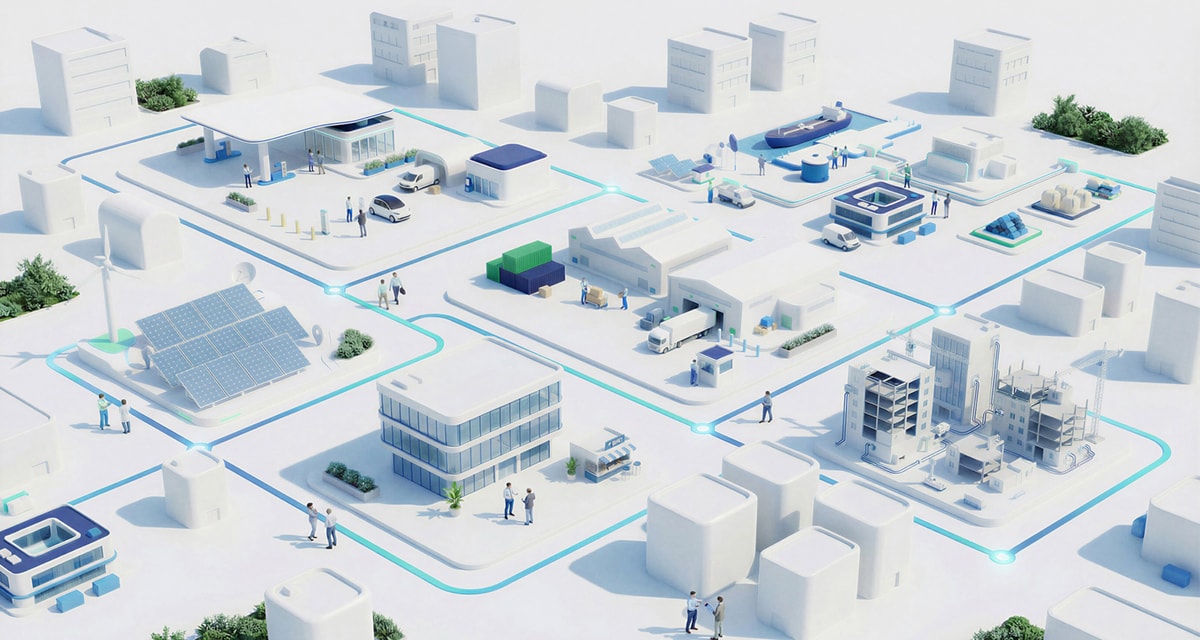
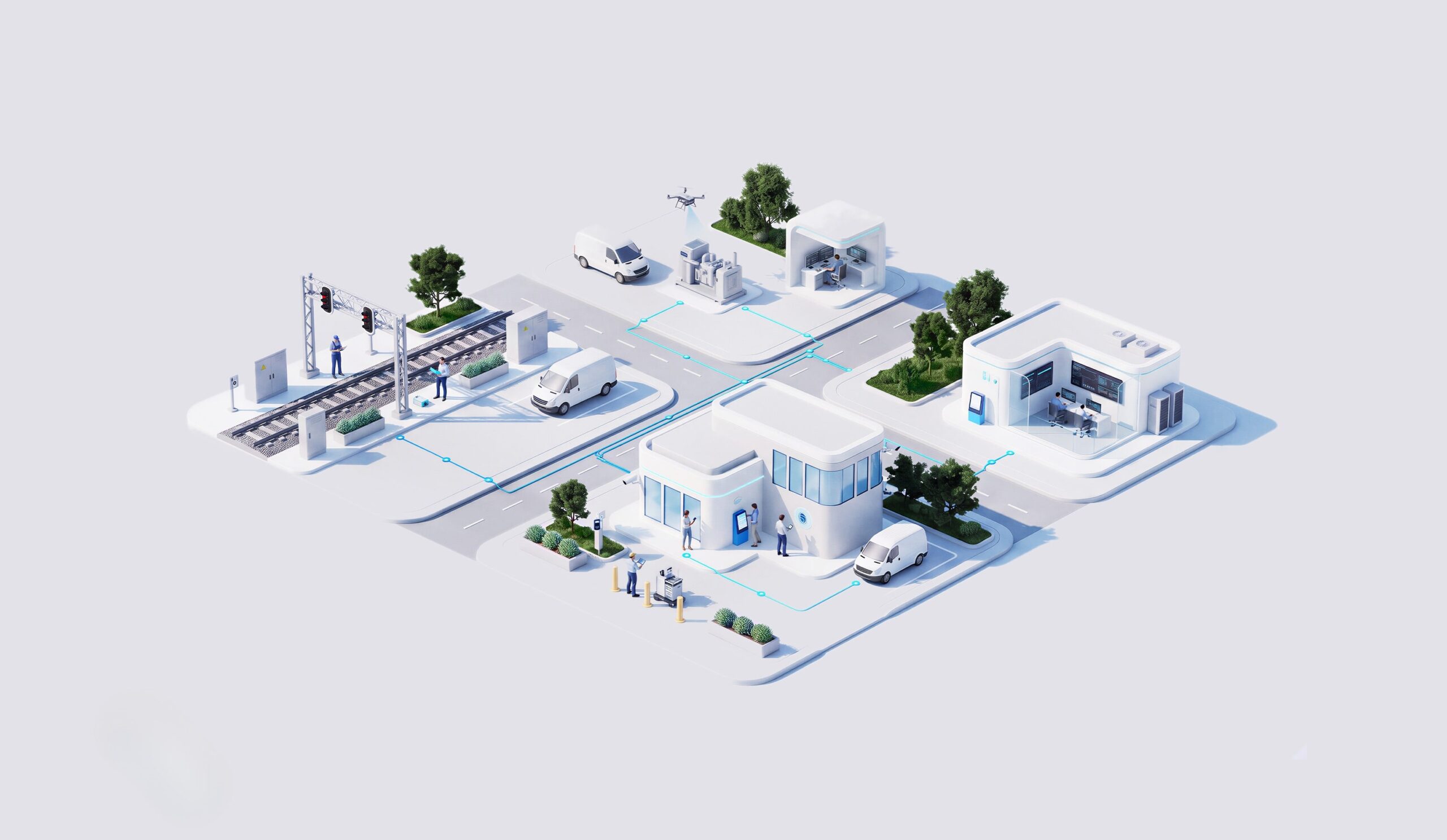
Utilities are shifting from isolated digital projects toward operating models where information, assets, people, distributed energy resources (DER) and outside ecosystems work together in real time.
Hydrogen digital ecosystems help you open new services faster while keeping customer, partner and distributed energy interactions simple to manage.

Shared data and connectivity standards cut the integration work needed before each new hydrogen or distributed energy service reaches the market.
Consistent digital interactions replace fragmented, point-to-point processes across the ecosystem.
Real-time data sharing across the ecosystem opens paths to new hydrogen and distributed energy services beyond your traditional offer.
A reusable ecosystem model lets you add participants and distributed energy resources without rebuilding the integration work each time.
NTTデータのサポート体制は?
NTT DATA brings together the operational, asset, customer and partner data your hydrogen and distributed energy services depend on.

IoT, digital twins, data platforms, energy management and AI/ML sit where a commercial or operational decision happens, not scattered across separate tools.

Cloud platforms, APIs and data products connect new services into your existing operational technology (OT) and enterprise systems, not another isolated layer.

Permissions, cyber controls, validation and fallback mechanisms get defined to match the safety and regulatory bar your operations require.

Each new ecosystem capability grows from a controlled deployment measured against clear operational KPIs, so scale-up follows evidence, not guesswork.
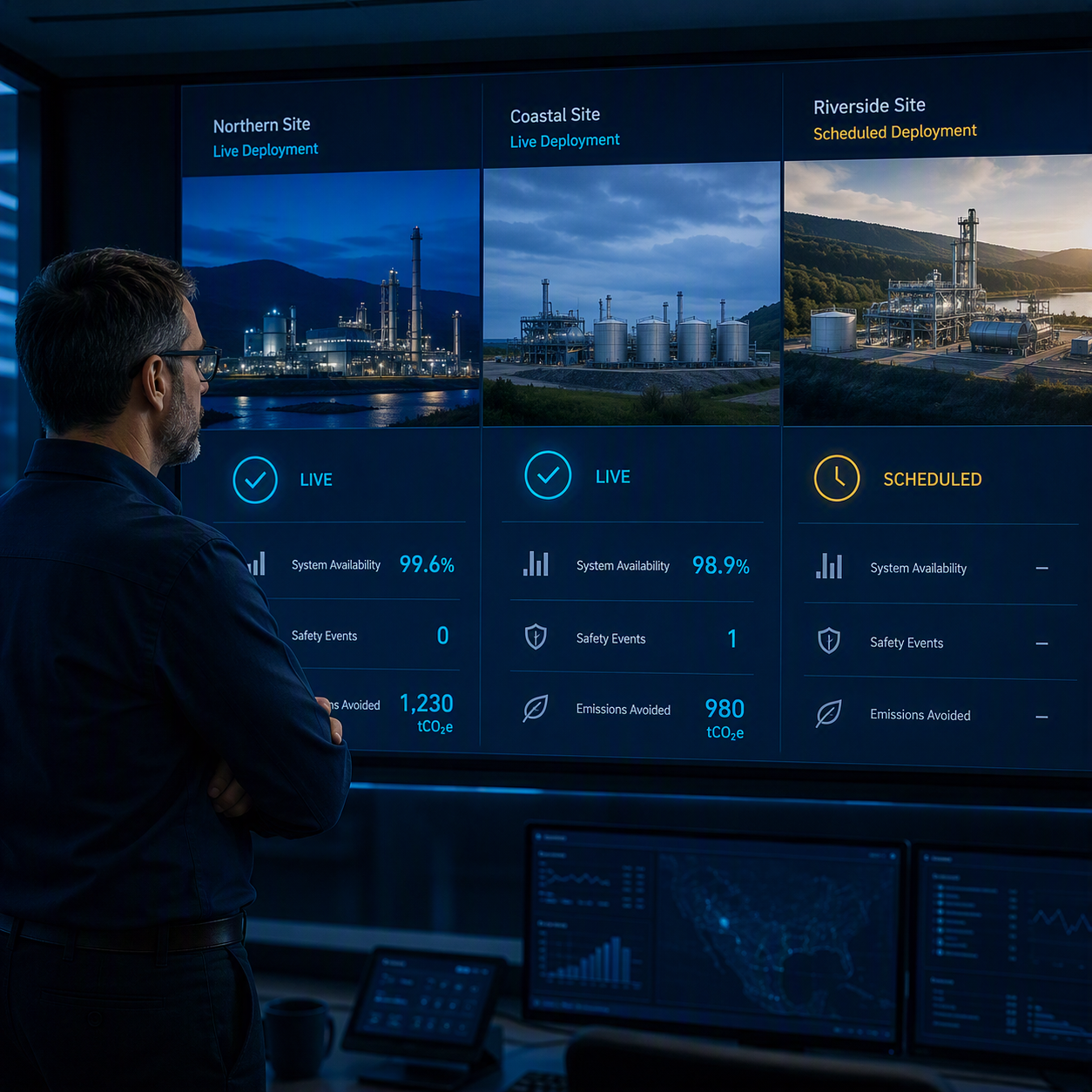

Hydrogen digital ecosystems connect market conditions, operations and the decisions your teams make across energy and customer services.
Improvement objectives depend on baseline performance, infrastructure characteristics, process maturity and deployment scope, providing measurable targets for evaluating controlled hydrogen digital ecosystem implementations.
20% to 40% reduction in operational cycle time, reflecting quicker execution across customer, partner and DER interactions.
20% to 40% reduction in manual workload, reflecting less reliance on manual data handling across ecosystem participants.
15% to 30% reduction in decision and response time, reflecting faster movement from information to a business decision.
Significant improvement in operational visibility across distributed energy interactions and ecosystem activity.
Shape the conversation that turns hydrogen and distributed energy into one connected ecosystem.