- All Foundries

- 商品管理と取引

- 顧客とマーケティング戦略

- デジタルエンジニアリング

- ステーション・スタジオ

- サプライチェーン&インダストリー5.0
- サステナビリティ

- Physical AI

- Next-Gen Infrastructure











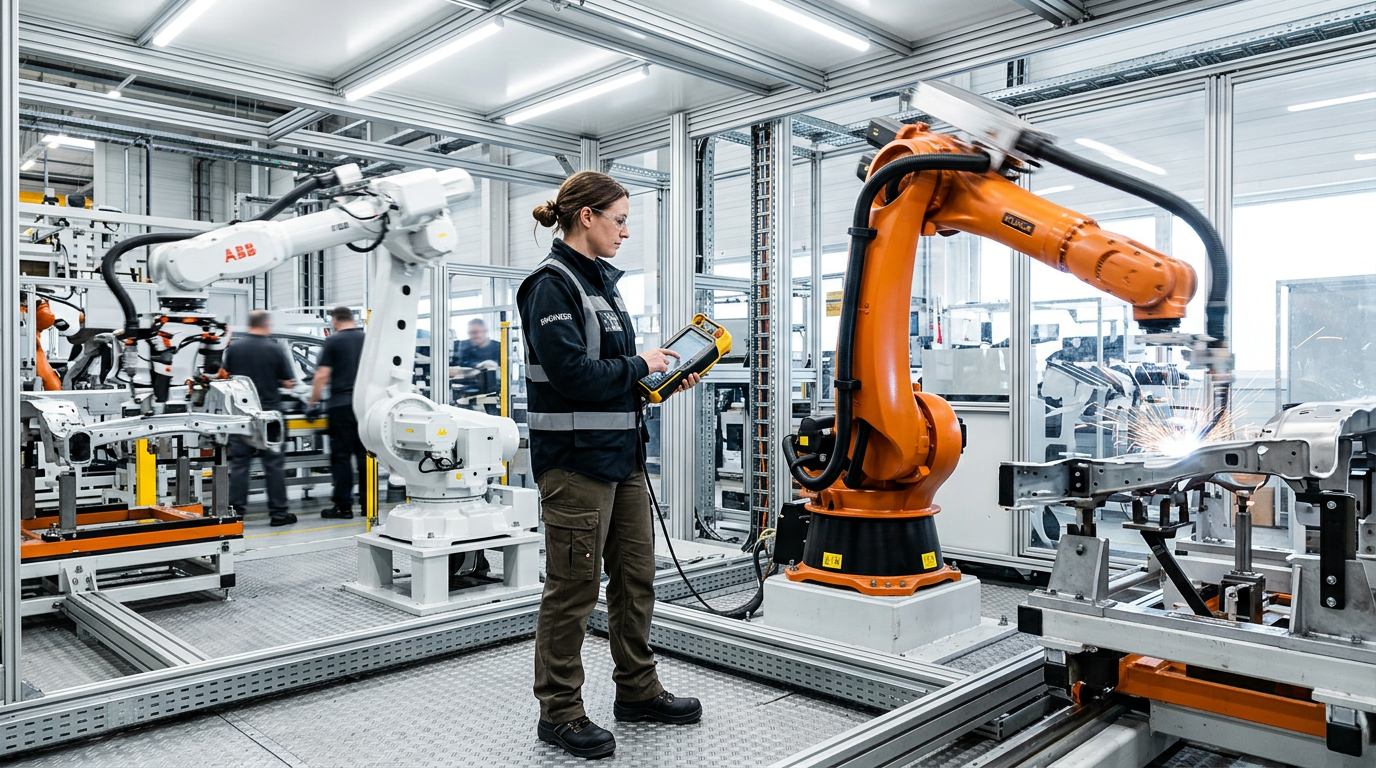
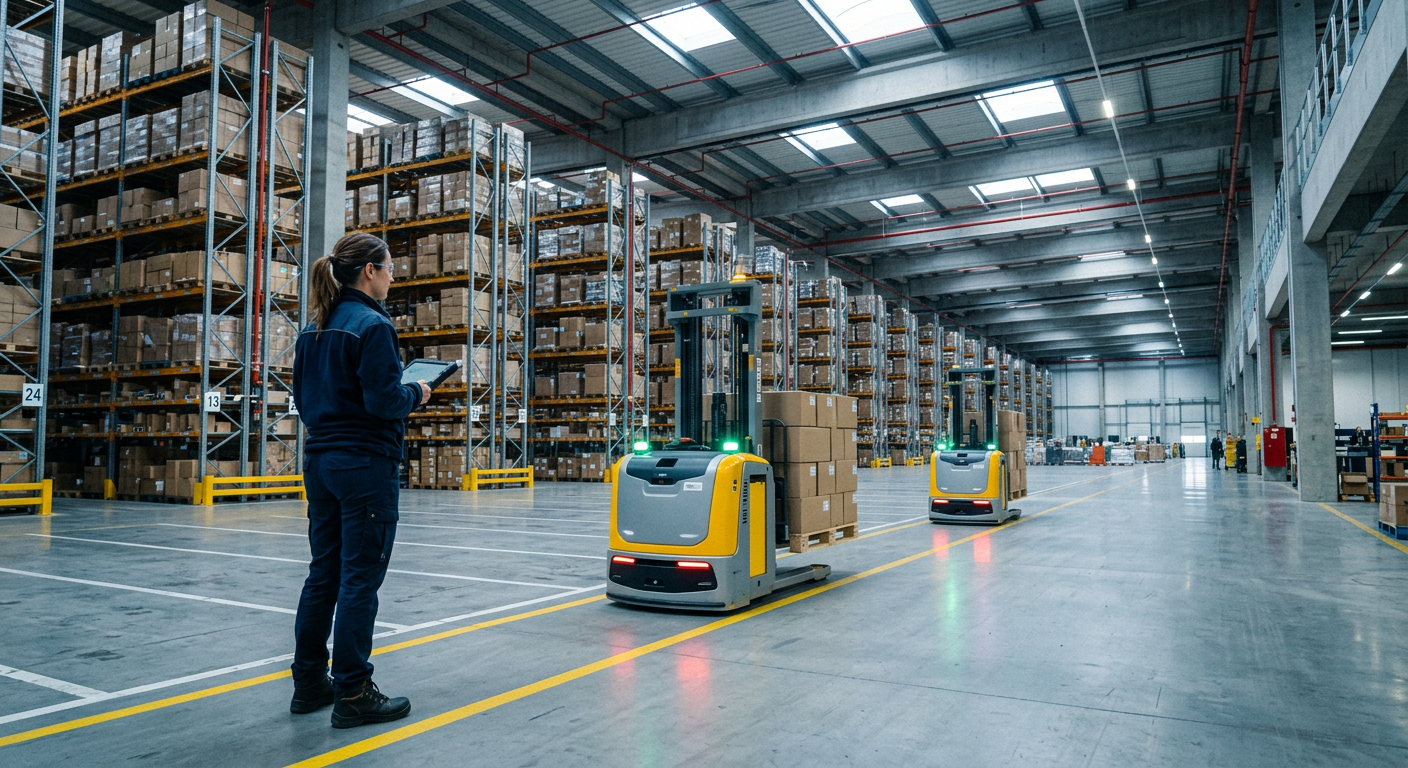
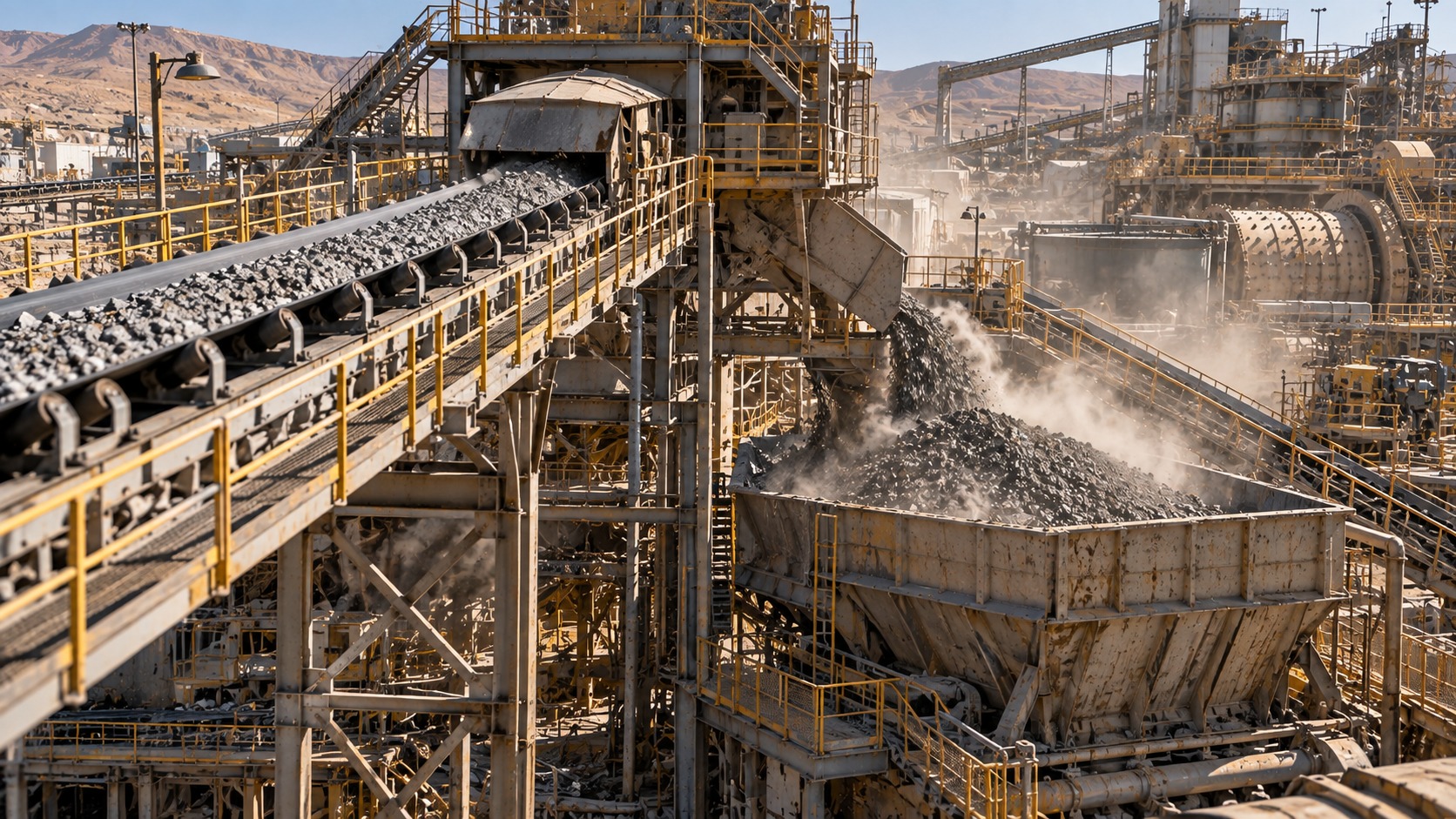
Mining bottleneck management: anticipate the next constraint
A mine is not a collection of independent capacities. The useful question is not only “Did we remove the bottleneck?” but where the system becomes constrained once the improvement works.
Debottlenecking becomes a dynamic chain problem rather than a sequence of isolated projects.

Before committing an upgrade, the operation can explore where extra tonnes, timing or feed changes will consume the next margin.
After commissioning, the mine can compare the expected constraint migration with what the operation is actually revealing.
It protects throughput gains from being trapped behind the next unprepared interface, from transfer points to conveying and the mill.
Sometimes the highest-value action is removing a smaller downstream restriction before it becomes the new governing constraint.
NTTデータのサポート体制は?
Connect mine movement, crushing, conveying, stockpiles and processing so the capacity change is visible along the route the material will travel.
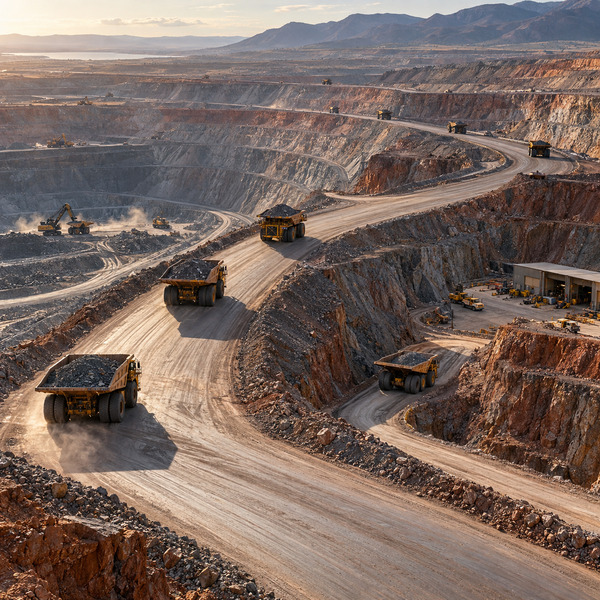
Combine operating history, asset limits, buffer behavior and production commitments to understand where headroom exists under the present regime.
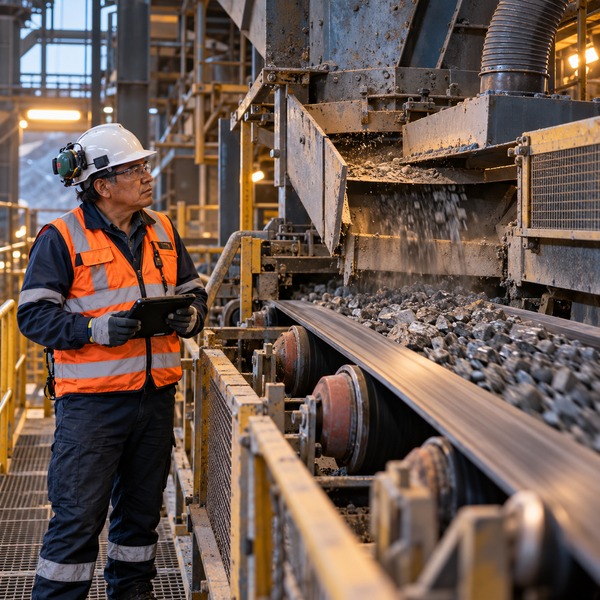
Use simulation and optimization where appropriate to explore how higher flow or changed operating patterns may shift constraints across the chain.
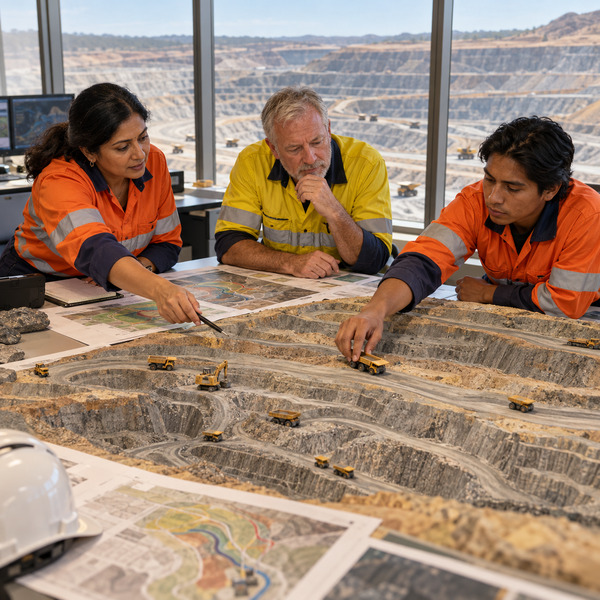
Monitor the interfaces most likely to absorb the additional load so emerging limitations can be distinguished from normal operating noise.
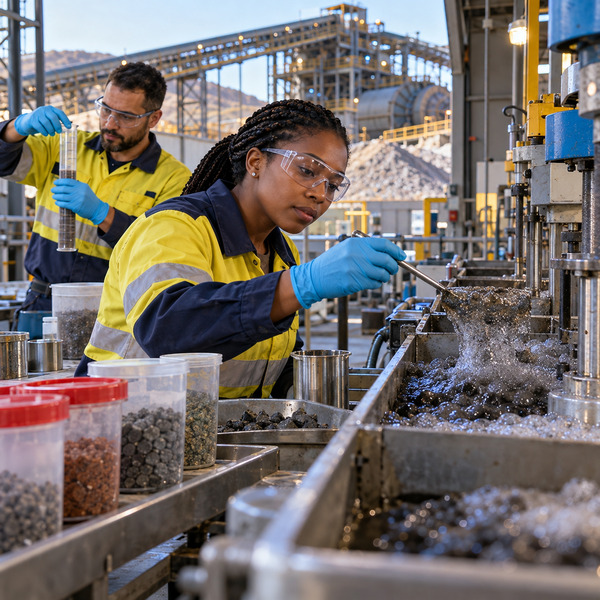
Connect planning, operations and maintenance so the mine can adjust sequencing, operating rules or maintenance timing as the limit moves.
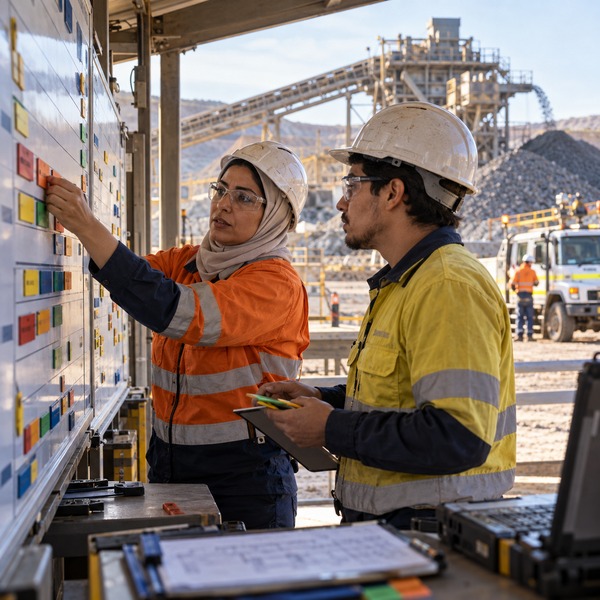
Compare the expected constraint migration with actual production behavior and use that learning to improve the next debottlenecking decision.
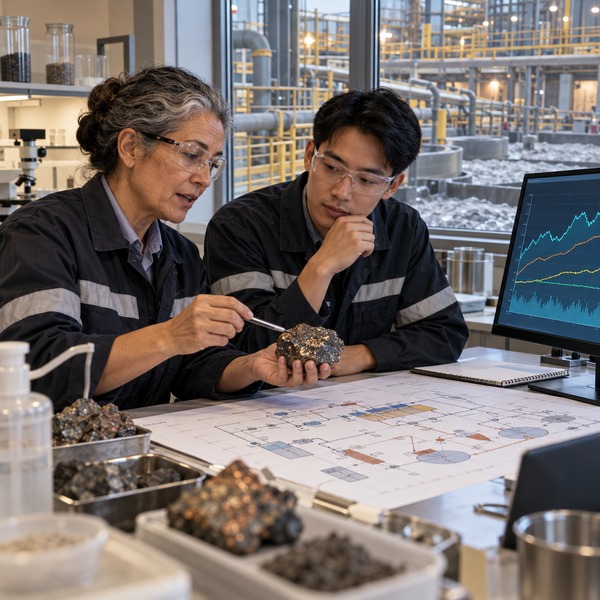
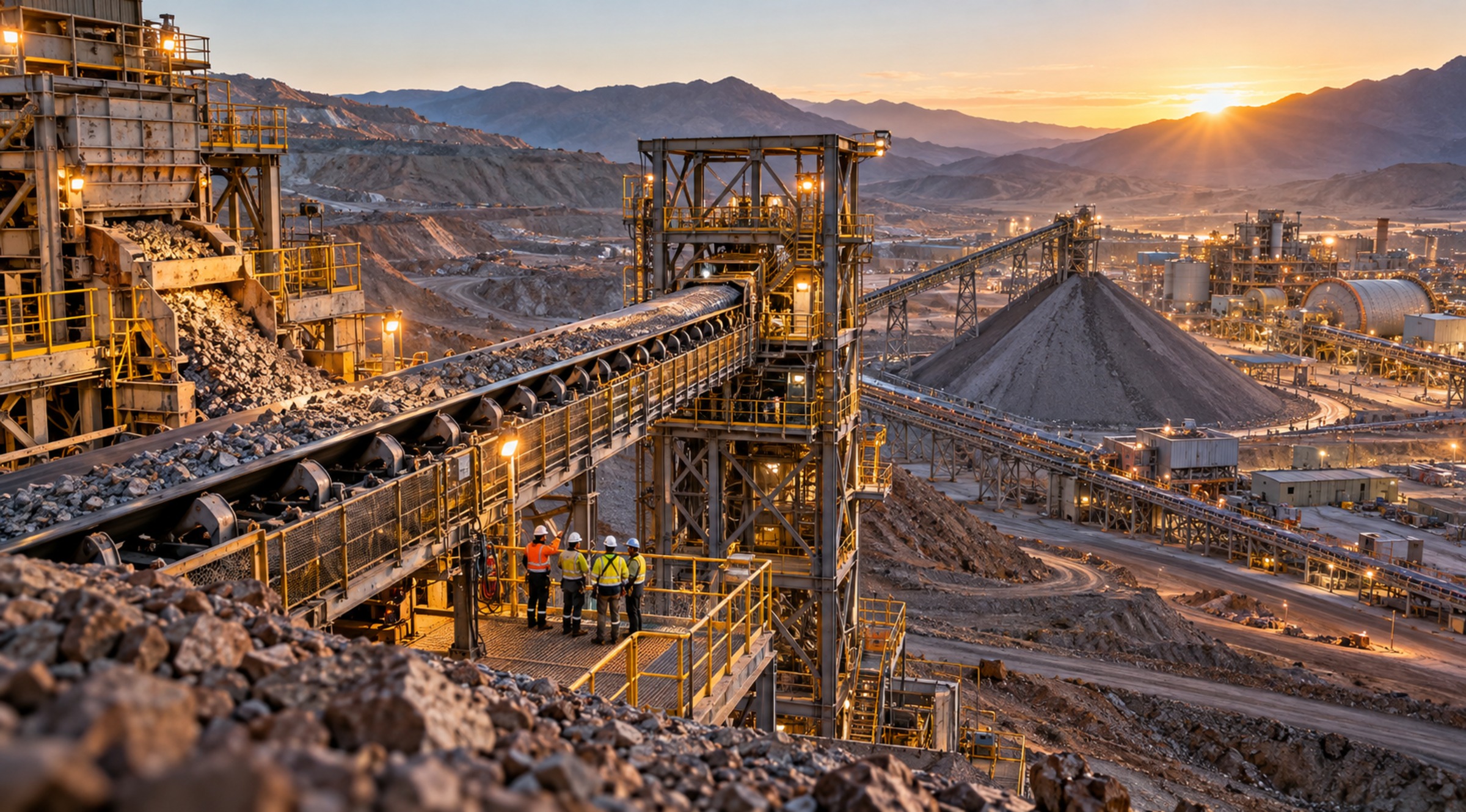
The next limitation may become economically relevant only after the original improvement succeeds. Integration makes that migration observable early enough to influence the next operating or investment decision.
A debottlenecking project should not leave the mine discovering the next constraint by surprise.
A successful debottlenecking project does not leave the mine celebrating one removed constraint while discovering the next one.
The real gain is not simply more capacity at one asset. It is visibility of how that capacity travels through the material path.
Operating history, asset limits, buffer behavior and commitments show where headroom exists under the present operating regime.
Comparing expected and actual constraint migration turns every capacity change into learning for the next debottlenecking decision.
Explore how modeling the material path can show where constraints will migrate after debottlenecking in brownfield mining.