- All Foundries

- 商品管理と取引

- 顧客とマーケティング戦略

- デジタルエンジニアリング

- ステーション・スタジオ

- サプライチェーン&インダストリー5.0
- サステナビリティ

- Physical AI

- Next-Gen Infrastructure














Open Networks, Unified Operations: Integrating the Multi-Vendor Telco
Disaggregation expands choice across RAN, transport, core, cloud and OSS. As vendors, interfaces and operating models multiply, interoperability, shared data, cross-domain orchestration and end-to-end accountability become essential. A unified operating model preserves openness while coordinating performance and lifecycle evolution across domains.
A vendor-neutral integration model allows operators to combine best-of-breed technologies while maintaining consistent service performance, operational control and lifecycle evolution across domains.

Integrate best-of-breed components without creating a new layer of operational silos or dependency on a single equipment vendor.
Bring RAN, transport, core, cloud and OSS into one operating view so service and network outcomes can be managed end to end.
Create governed data, observability and orchestration foundations for predictive and increasingly autonomous operations.
Coordinate design, integration, acceptance and operations across vendors through a clear end-to-end model.
NTTデータのサポート体制は?
Map the network domains, interfaces, data flows, operational boundaries and accountabilities required to manage the environment as one system.

Connect network, cloud and OSS capabilities through open interfaces, common service models and cross-domain orchestration.
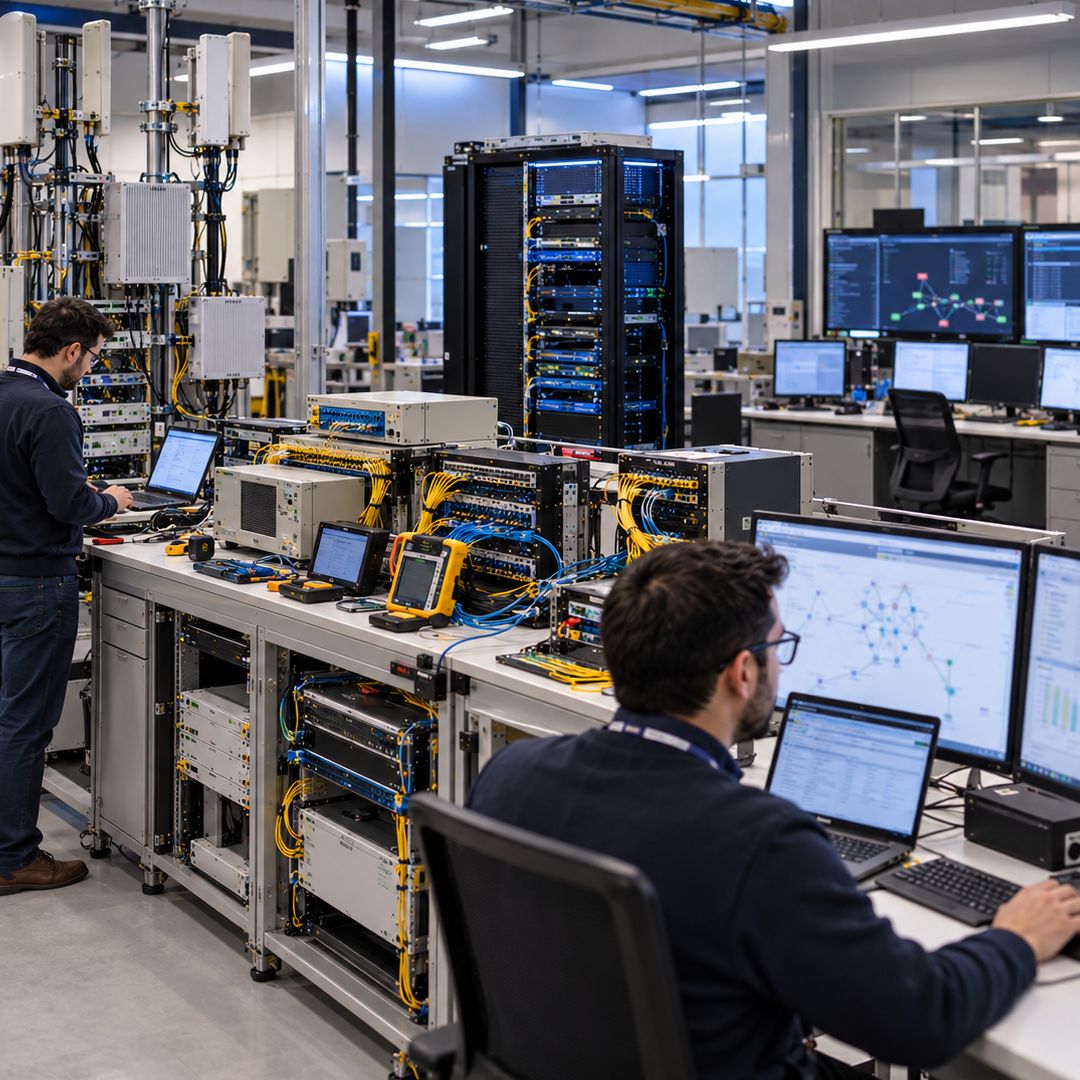
Use labs, pre-integration, acceptance criteria and KPI-backed validation to prove technology and service flows before scale-up.

Establish shared observability, service-impact insight and orchestration so automation can work across domains rather than inside isolated tools.
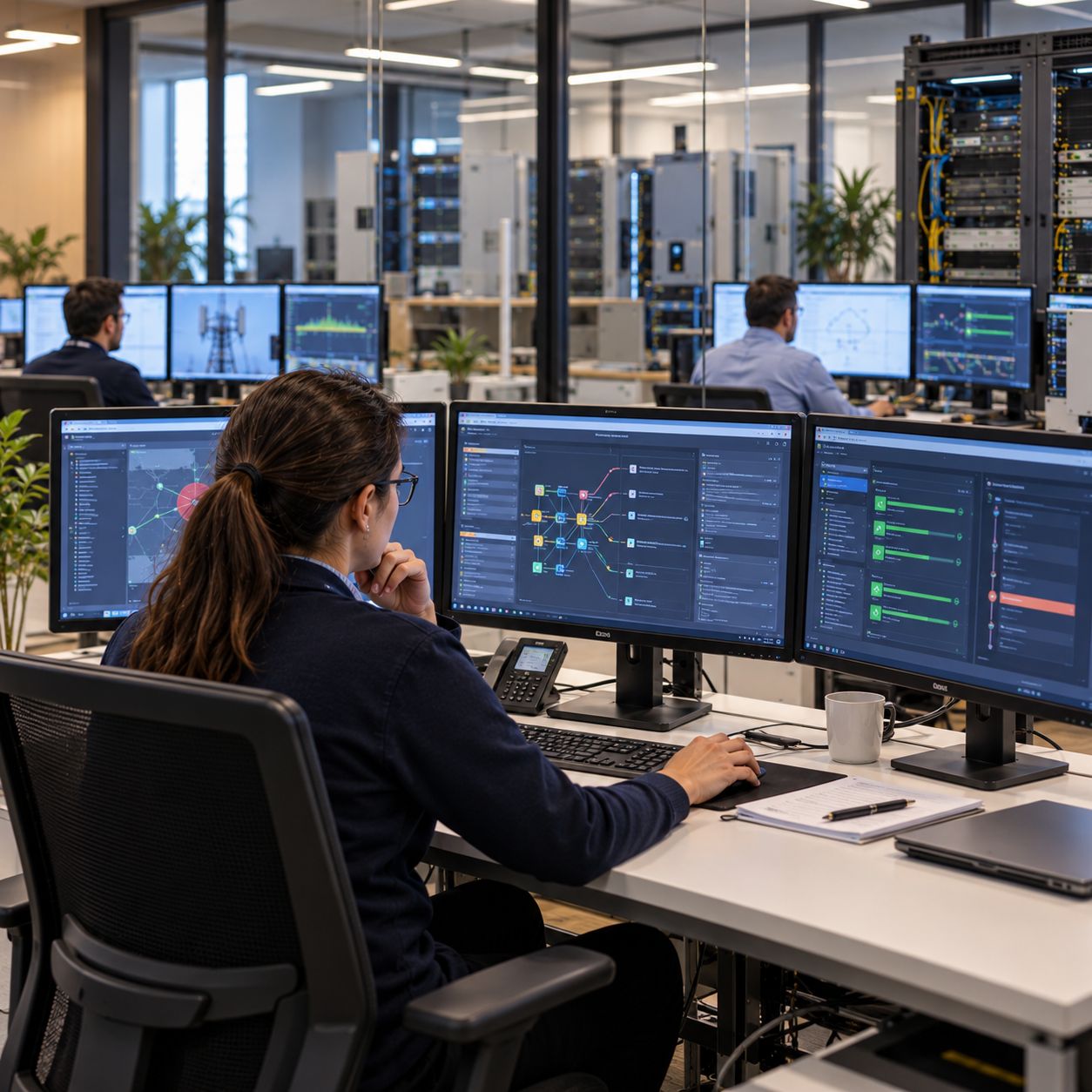
Coordinate lifecycle changes, vendors, incidents and continuous improvement through a unified operational and governance model.


Integration becomes a sustained business capability across architecture, data, orchestration, assurance and operations, not a one-time activity at deployment.
New technologies can be introduced faster, service performance can be managed across domains and operators retain greater control over a more diverse network ecosystem.
Reduce friction when onboarding new vendors, platforms and network capabilities.
Connect network and service insight across RAN, transport, core, cloud and OSS.
Use common validation, assurance and governance to reduce integration and lifecycle risk.
Preserve openness and vendor choice while maintaining clear ownership of the end-to-end operating model.
Open architectures expand choice and innovation. A vendor-neutral integration model connects that diversity through consistent assurance, orchestration and lifecycle management.