- All Foundries

- 商品管理と取引

- 顧客とマーケティング戦略

- デジタルエンジニアリング

- ステーション・スタジオ

- サプライチェーン&インダストリー5.0

- サステナビリティ

- Physical AI

- Next-Gen Infrastructure




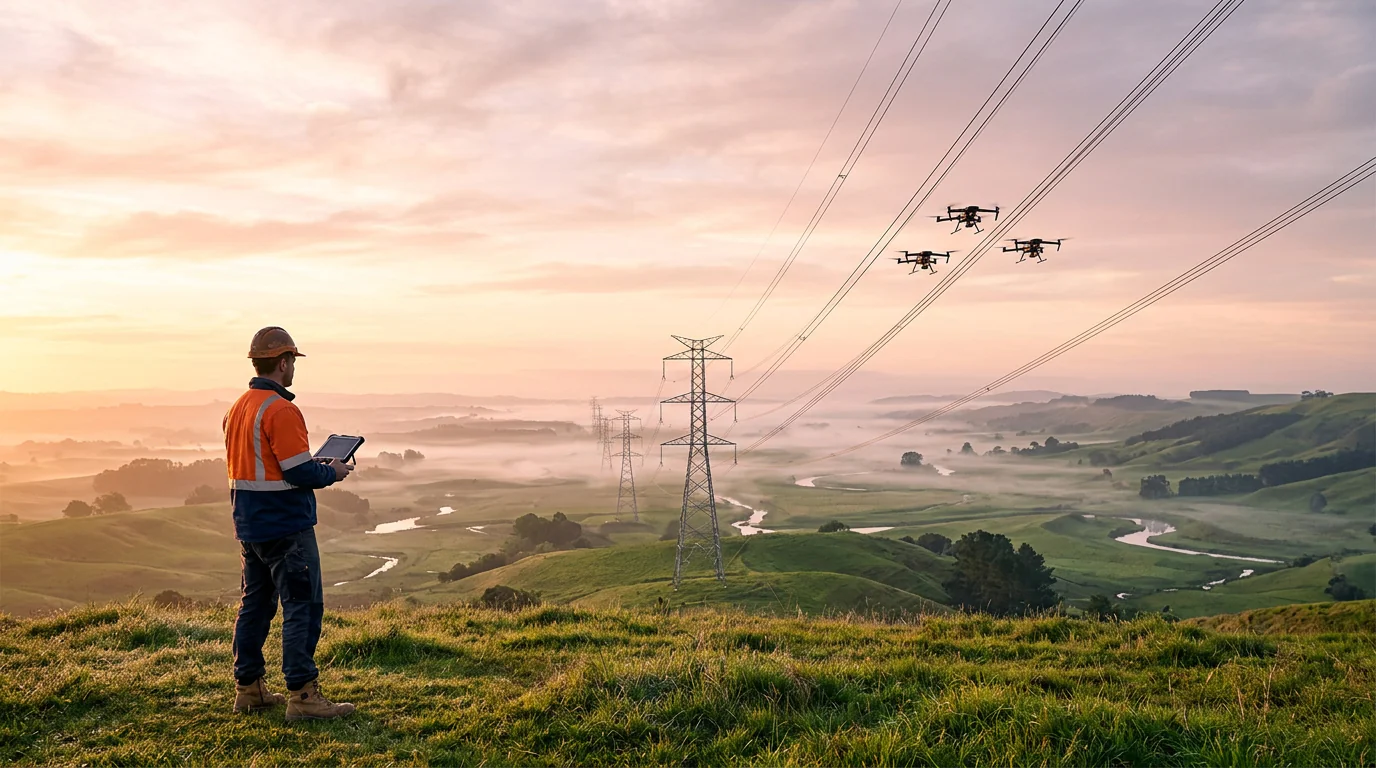
Powering Cooperative UAV Patrols for Wider Network Coverage
Lines, pipelines and remote sites stretch beyond the range and endurance of one UAV. A cooperative fleet splits the area, balances coverage against inter-drone links and shares live findings with your operators.
Several UAVs work as one system, so large and scattered assets get watched on a regular cycle.

The fleet divides large or distributed assets into coordinated patrol areas and covers each one.
Computer vision results stream to your operators while the drones are still in the air.
Fleet coordination adjusts routes when a drone lands to recharge, wind picks up or a new alert comes in.
Drones take the repetitive surveillance runs, and your teams respond to what the fleet finds.
NTTデータのサポート体制は?
A control framework manages each autonomous UAV as part of a shared mission, with one view of where every drone flies.
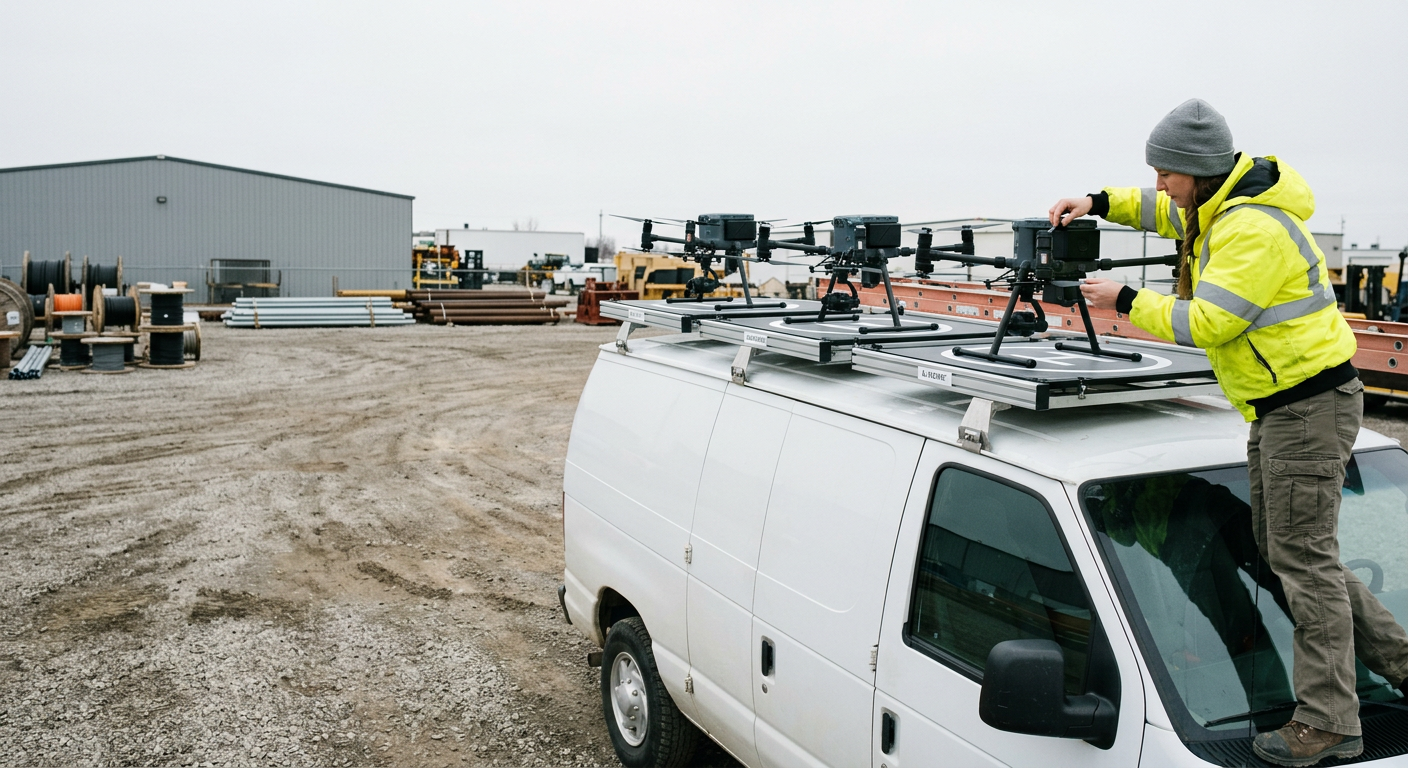
Reinforcement learning tunes flight paths against several goals at once, starting with full coverage of the assigned area.

Routing weighs area coverage against inter-drone communications, so the fleet stays in contact across the whole patrol.
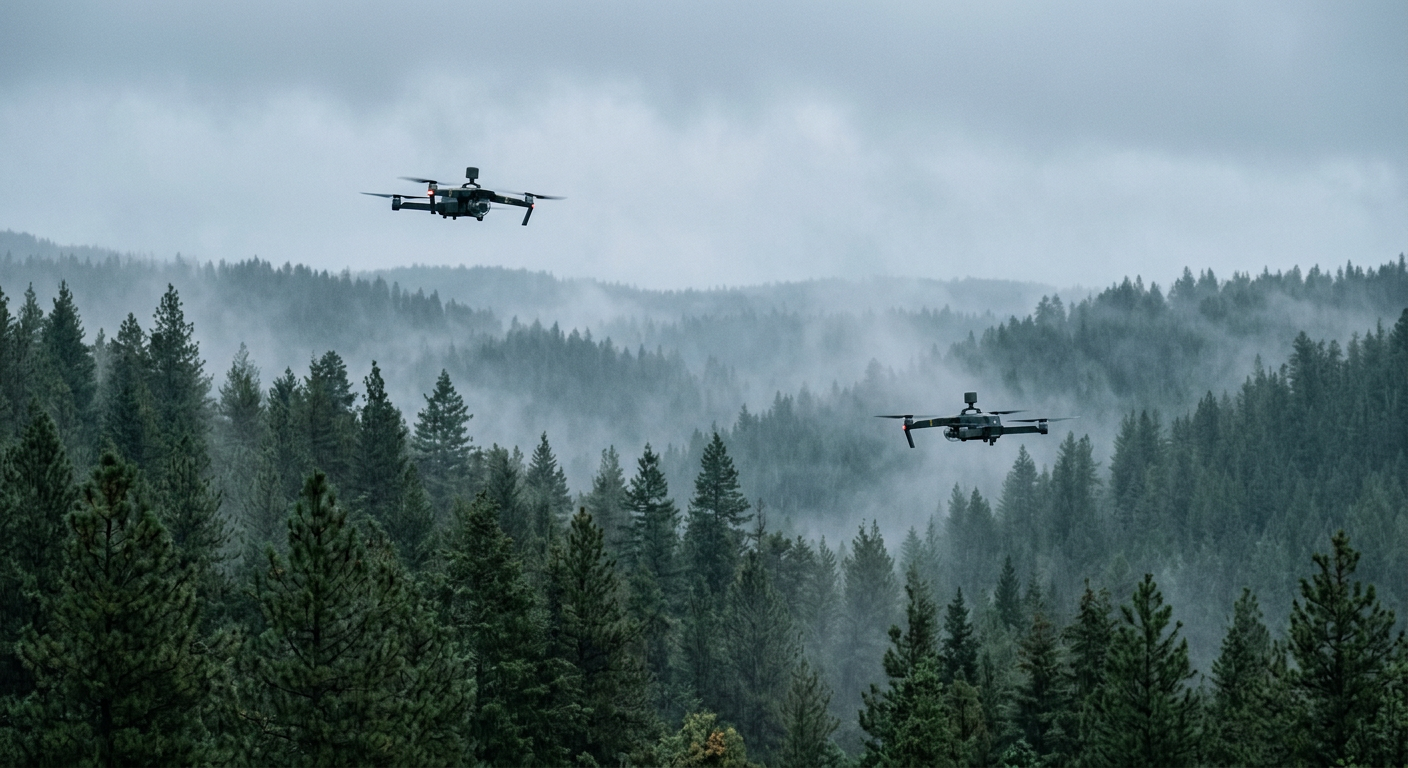
Computer vision designed for varying environmental conditions keeps inspection quality steady when the weather turns.
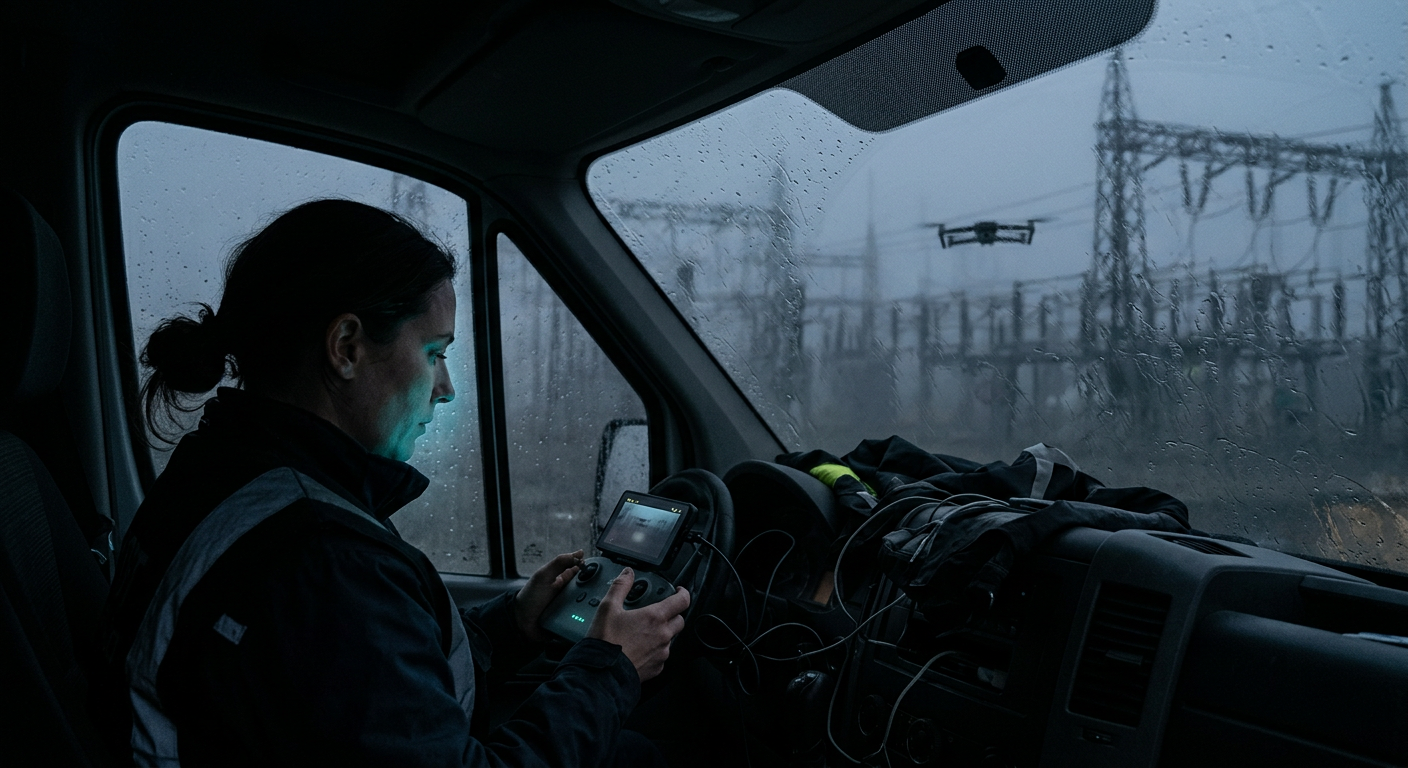
Robotic operating systems such as ROS keep the stack open, so you add drones, sensors or patrol types without starting over.

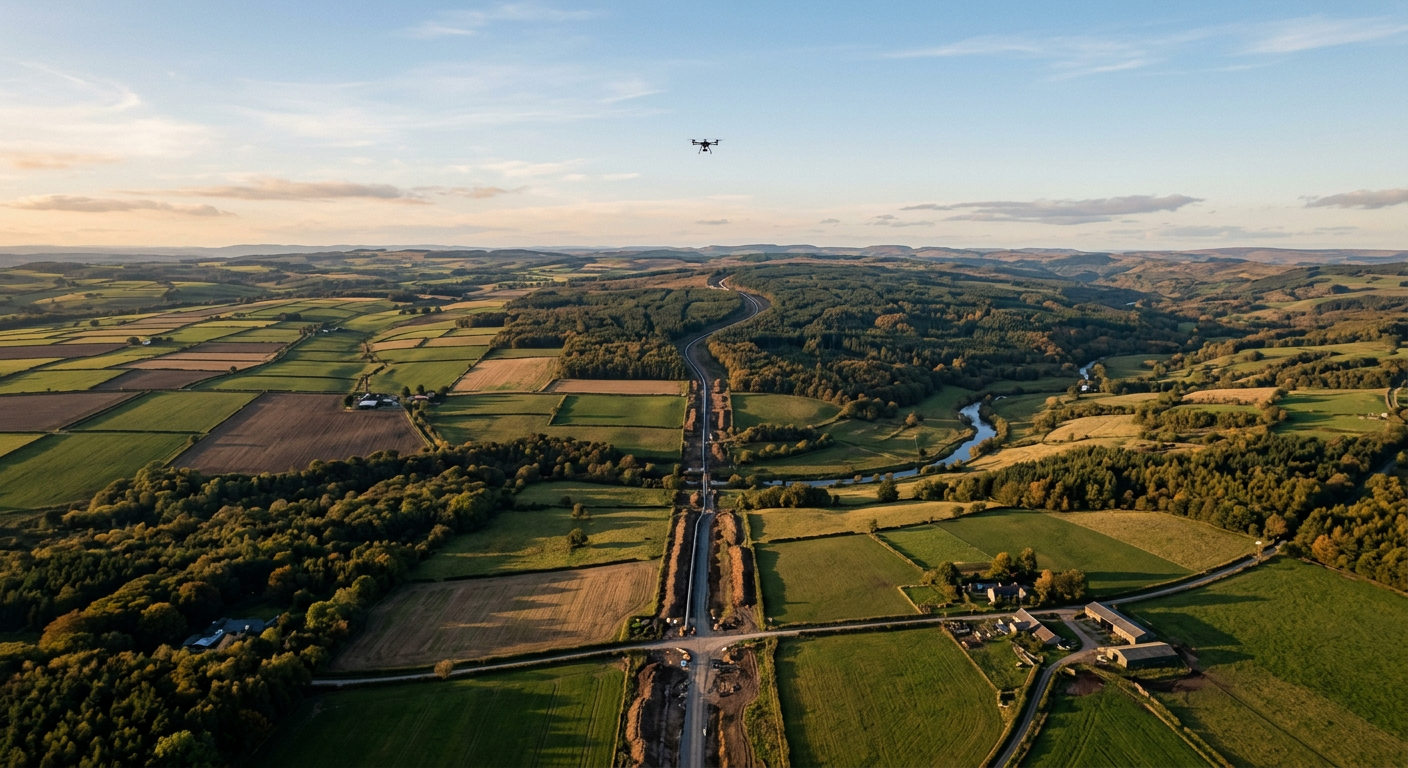
Cooperative patrols give your operators a regular, live picture of assets spread over large areas, and people decide each response.
Objectives depend on your asset footprint, airspace rules and connectivity, and get confirmed in a controlled pilot.
Large or distributed assets get patrolled on a regular cycle by a coordinated fleet.
Operators see conditions and threats during the flight, without waiting for a manual review.
Routes and fleet tasks adjust to weather, battery levels and new alerts.
Field teams spend their time on confirmed issues instead of repeat surveillance runs.
Drive the conversation that extends cooperative UAV patrols across your distributed utility assets.