- All Foundries

- 商品管理と取引

- 顧客とマーケティング戦略

- デジタルエンジニアリング

- ステーション・スタジオ

- サプライチェーン&インダストリー5.0
- サステナビリティ

- Physical AI

- Next-Gen Infrastructure













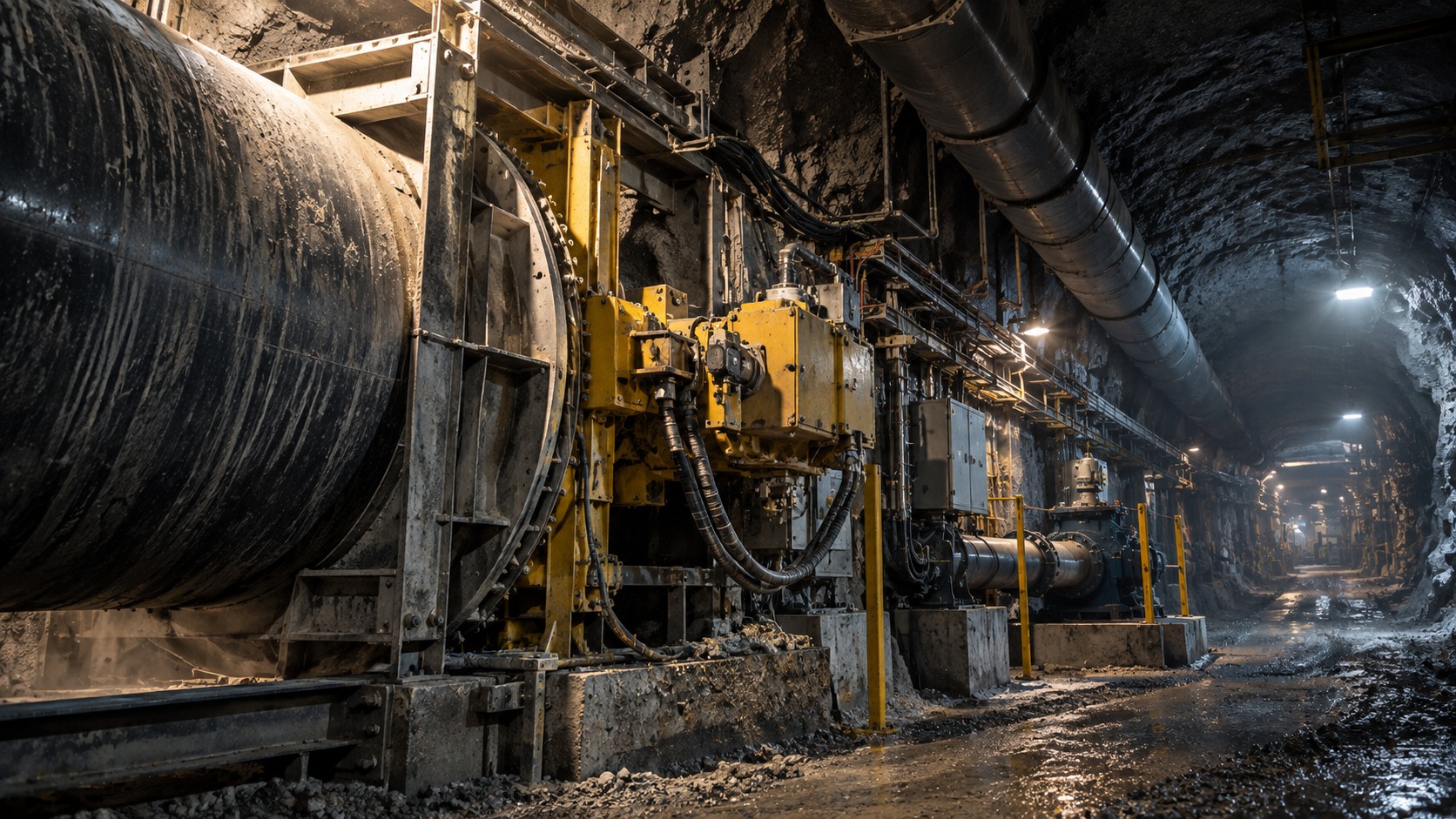
Remote mining operations: build readiness beyond connectivity
If the operator can no longer trust the displayed condition, confirm a command was executed or fall back to a safe mode, the function was remotely accessible – not remotely ready.
Function-specific readiness protects continuity without confusing connectivity with controllability.

Function-specific readiness protects continuity without confusing connectivity with controllability of the asset or process.
The mine can move work away from hazardous or distant locations with greater confidence, knowing where remote operation is dependable.
Explicit fallback behavior is established for when signal, communications, power or actuation degrades below the required reliability.
The operating boundary is defined by what the system can safely sense, command, confirm and recover – not by remote screen availability.
NTTデータのサポート体制は?
Specify what the operator must observe, decide and actuate for the asset or process, and what cannot be lost without changing the operating mode.

Trace communications, instrumentation, control, energy, actuation and local infrastructure required for that function to work end to end.
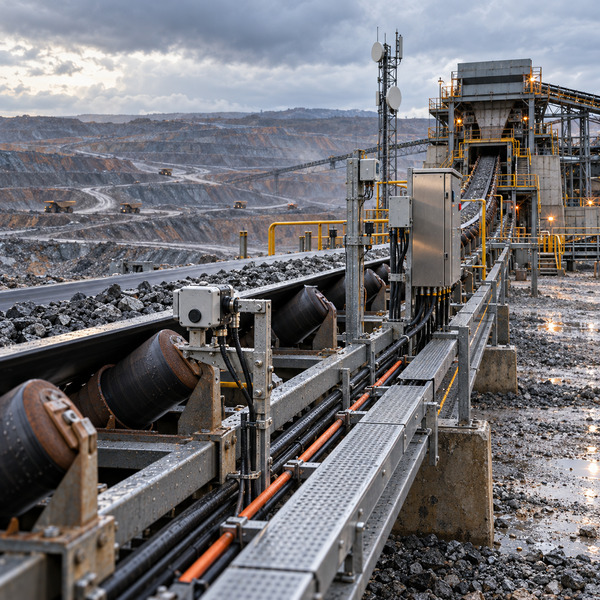
Relate network, signal and control-system condition to the mining function they support, so degradation is visible before control is lost.
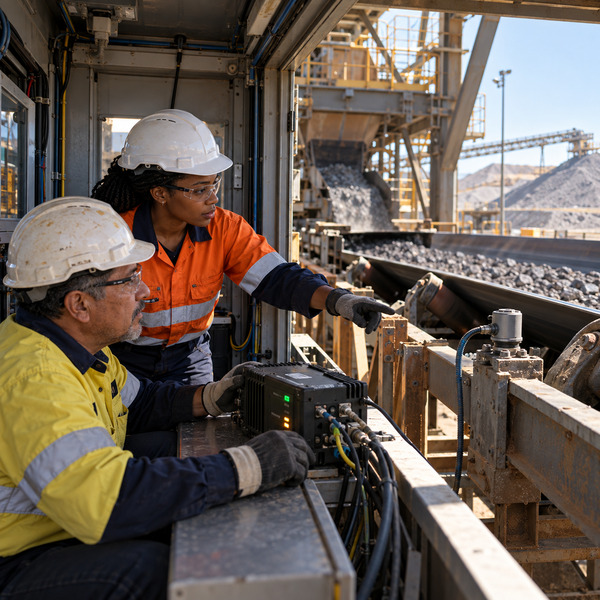
Define what happens when a dependency fails: redundant path, local control, manual intervention, conservative operation or safe stop.
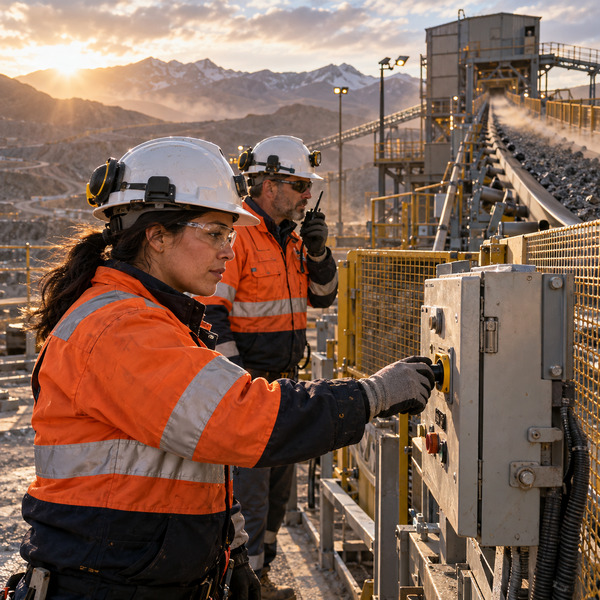
Confirm not only that a command was sent, but that the field equipment reached the intended state and that the operator has trustworthy feedback.
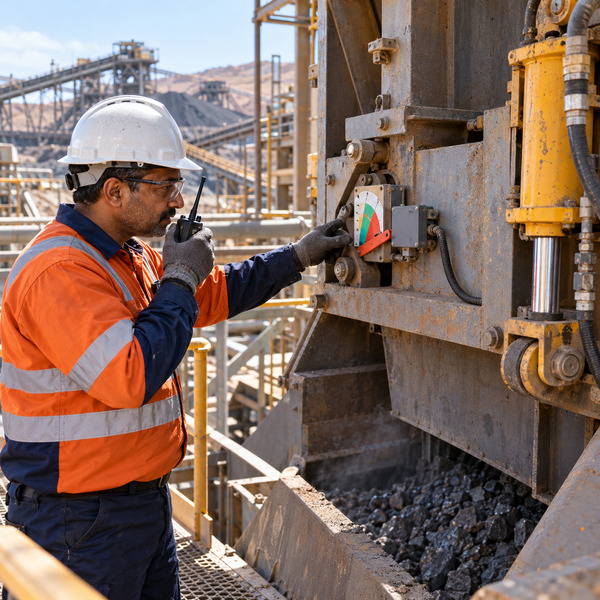
Use operating history and observed exceptions to determine which situations can remain remote, which need supervision and which fall back to local control.


The evidence does not support a single mine-wide readiness judgment. It supports the opposite principle: communications, signal, energy, actuation, redundancy and continuity must be assessed by function.
Remote does not mean the operator is far away. It means the full path from field to command holds under degradation.
A particular decision or action is ready only when its full technical and operating path supports it in normal and degraded conditions.
The operation confirms that field equipment reached the intended state and that the operator has trustworthy feedback on it.
Network, signal and control-system condition is related to the mining function, so degradation is seen before it becomes loss of control.
The same logic applies wherever material movement, process behavior or asset constraints make options perishable across the mining chain.
Explore how function-specific readiness and engineered degraded modes can keep remote mining operations safe and controllable.