- All Foundries

- 商品管理と取引

- 顧客とマーケティング戦略

- デジタルエンジニアリング

- ステーション・スタジオ

- サプライチェーン&インダストリー5.0
- サステナビリティ

- Physical AI

- Next-Gen Infrastructure



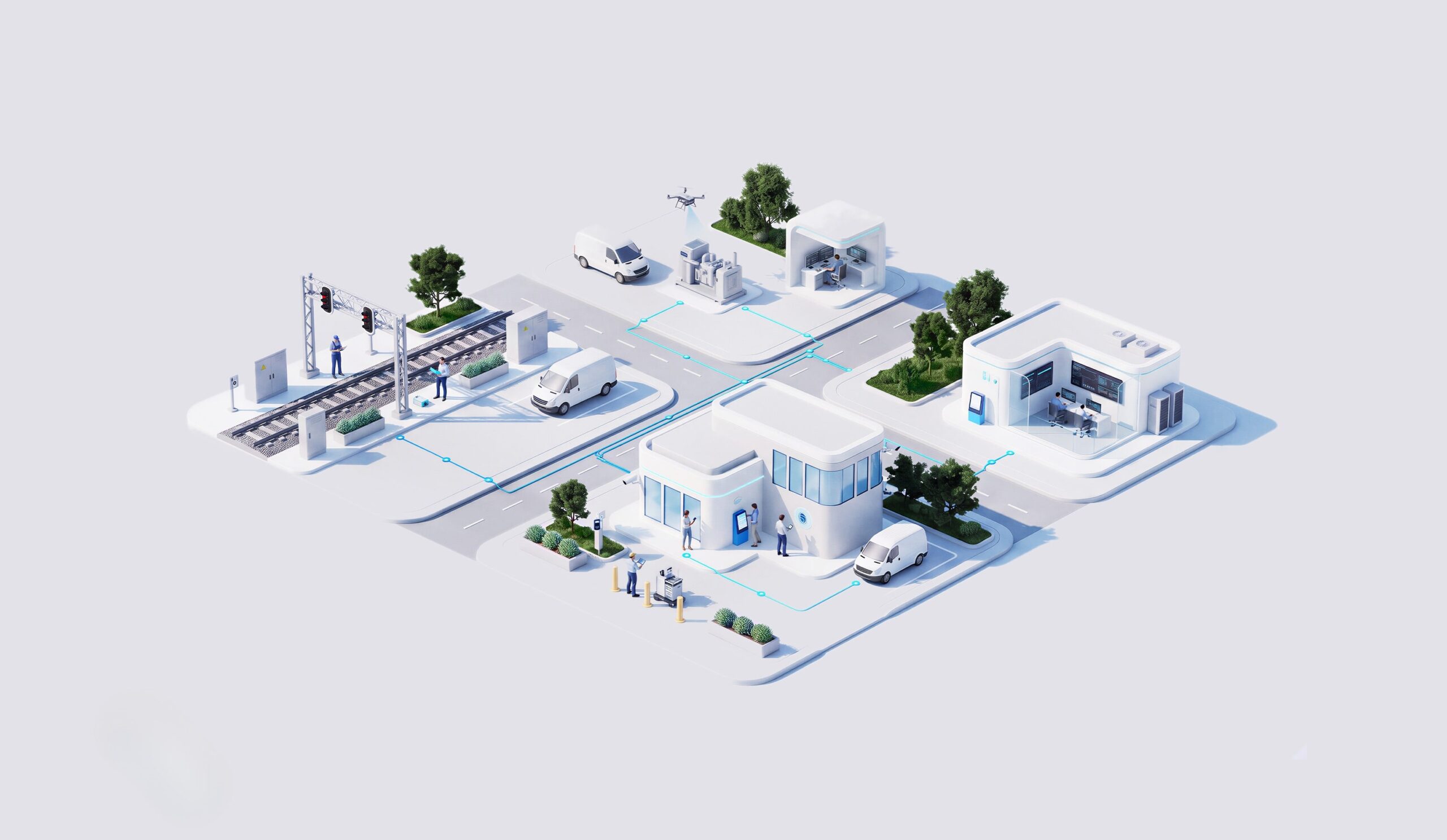


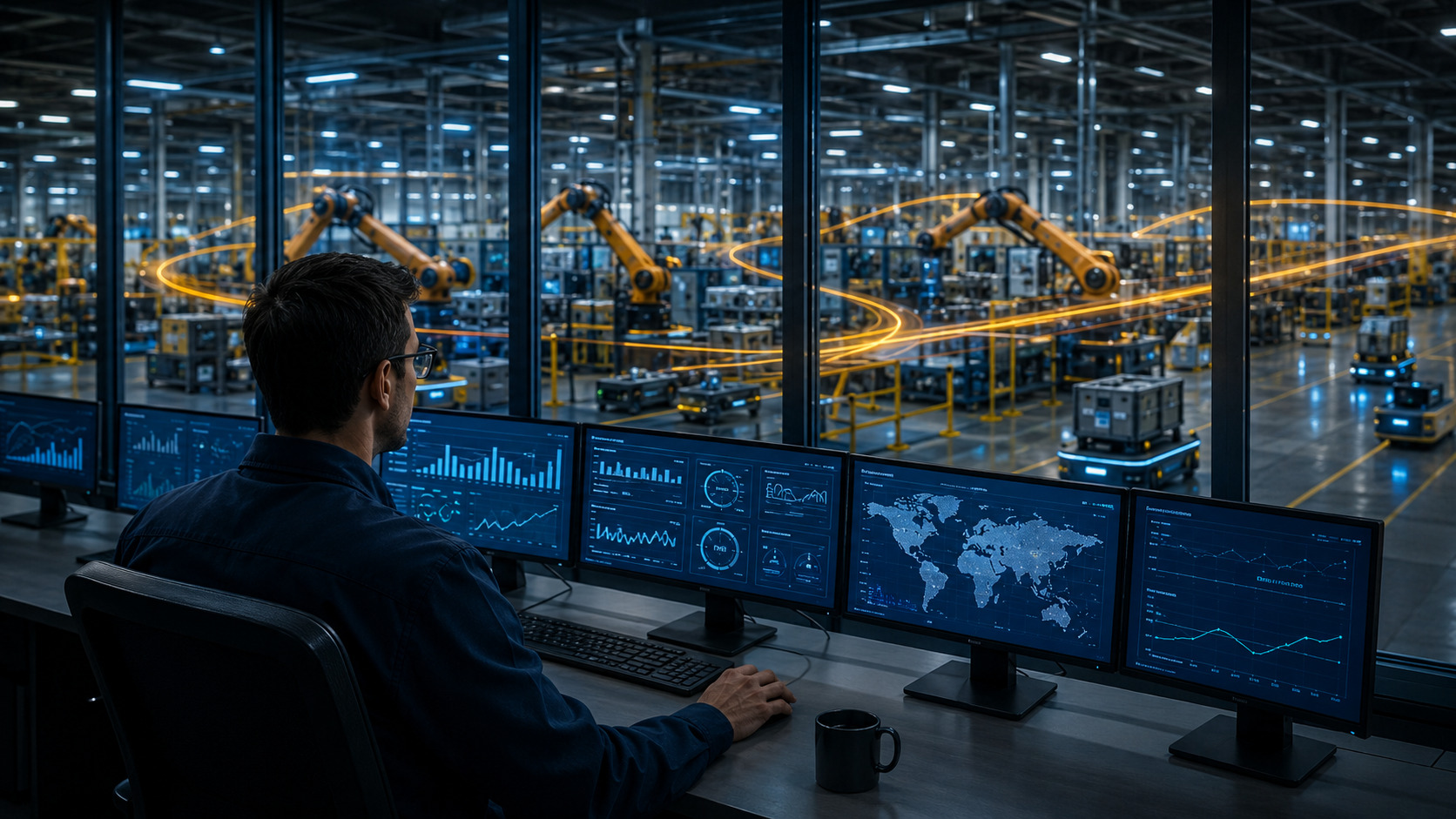
Robots That Read the Plant Floor
In chemicals and advanced materials facilities, technicians walk hazardous, hard to reach areas on a fixed schedule, and a problem surfaces only after someone finds it.

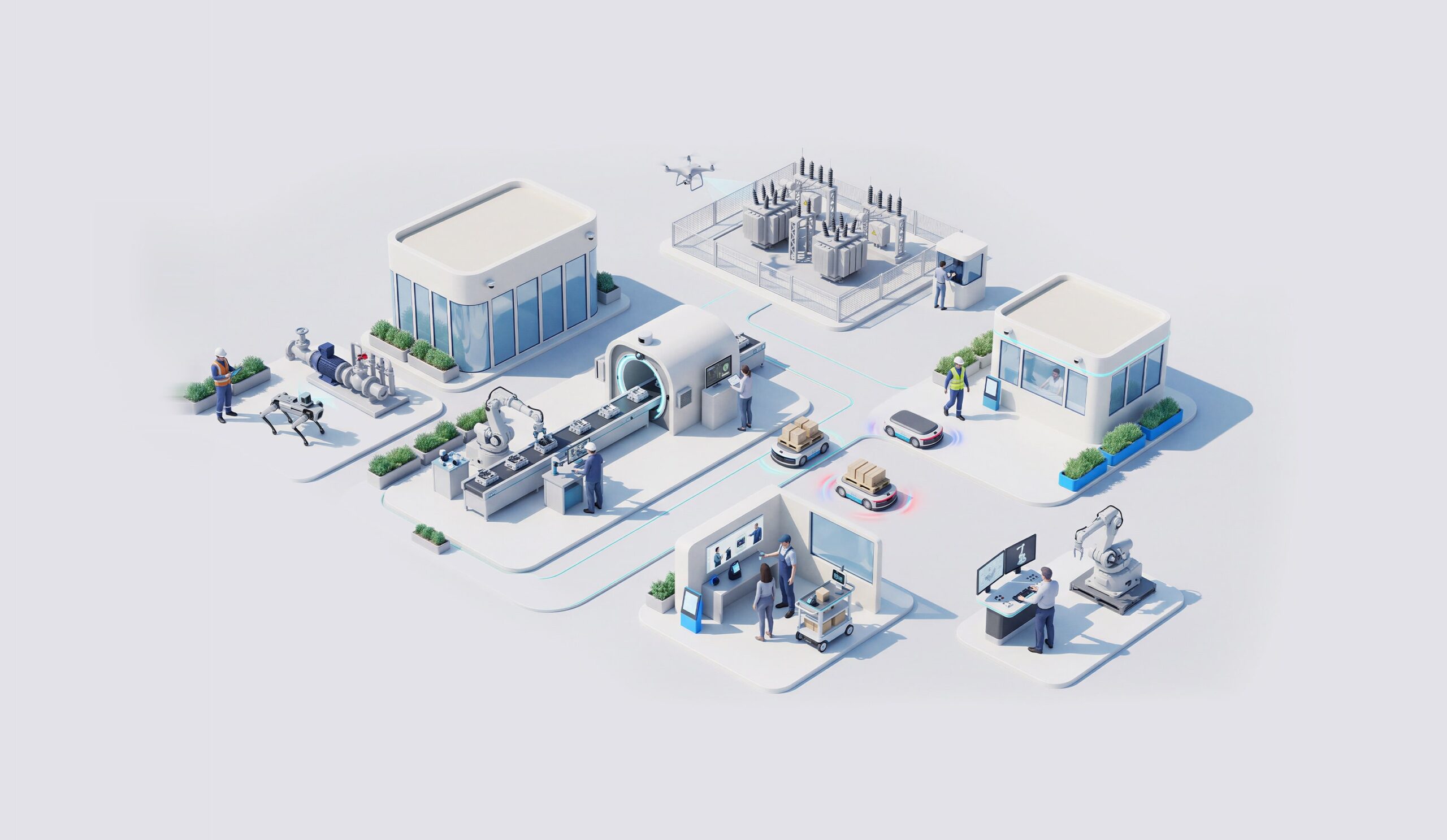
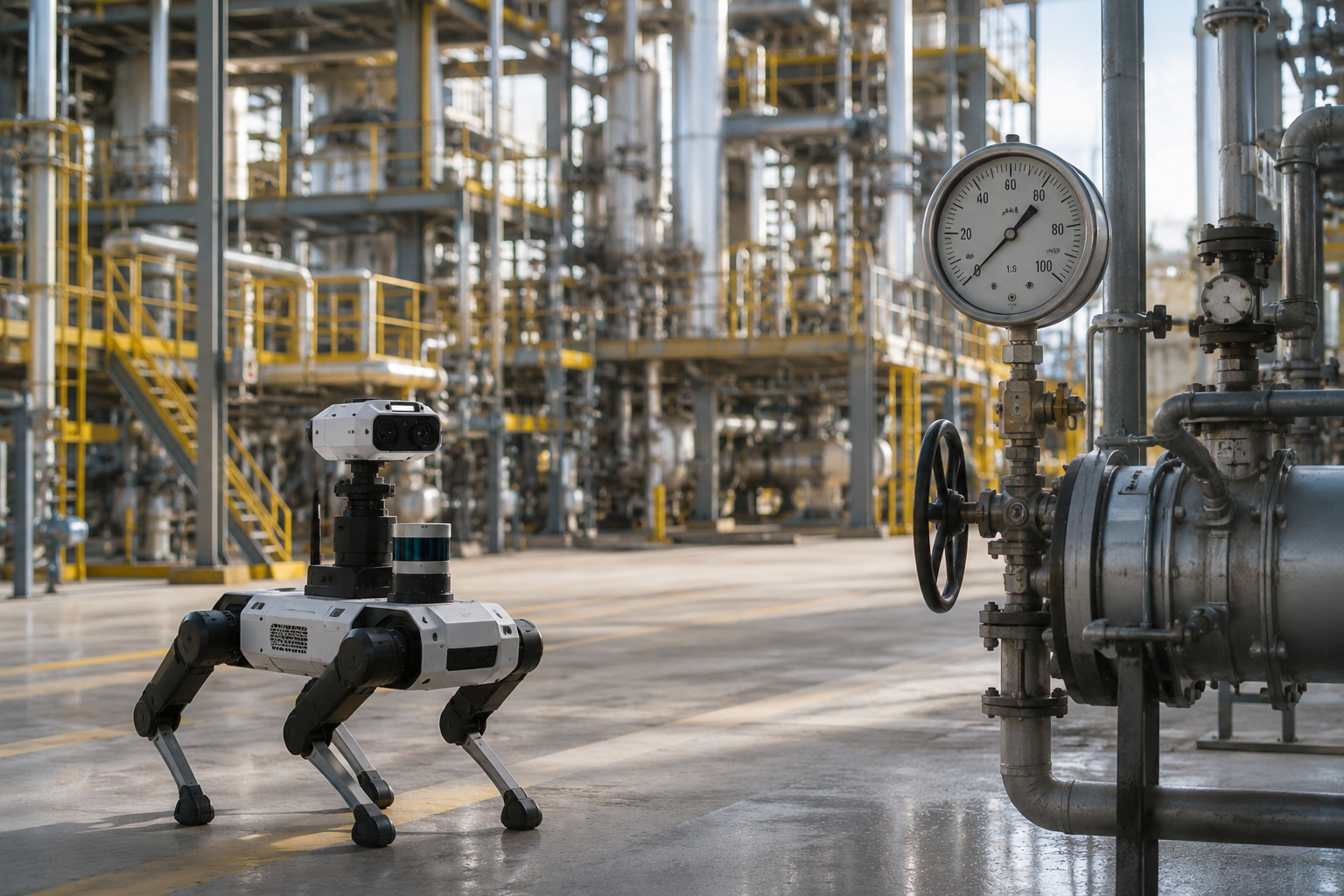
The quadruped robot follows the same waypoints your technicians walk today, on a fixed schedule, every shift, without a missed round.
Cameras and onboard sensors capture gauge values, images and vibration data, so instruments built decades ago join your digital operation.
Thermal imaging, 3D mapping and vibration analysis flag early signs of wear, corrosion or leaks, often well before a human round would.
Alerts reach the control room first. Your operators verify remotely and send a technician only when the reading calls for one.
NTTデータのサポート体制は?
Manual rounds get mapped end to end to show which checkpoints carry the most risk and repetition, and where a robot adds the most value.
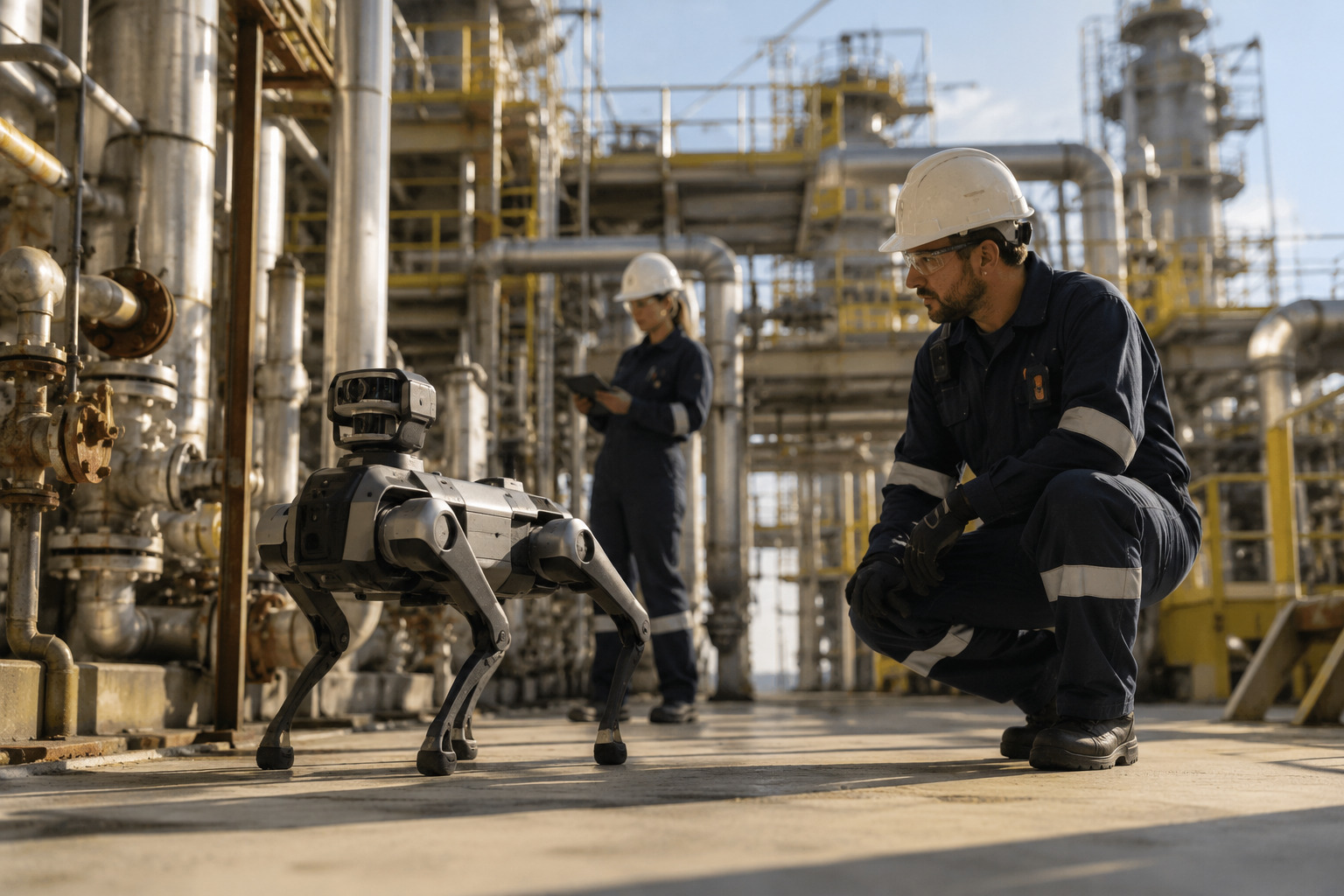
RGB cameras, 3D lidar, thermal imaging and condition monitoring turn every waypoint into a source of structured operating data.

Each gauge reading turns into structured data, ready for your operations team to review, compare and trend well beyond a single robot’s path.

Gauge readings, images and sensor data feed into the systems your team already uses to track OEE, quality and asset performance.

Routes, safety rules and data models get standardized once, so continuous improvement compounds as the program extends to new plants.

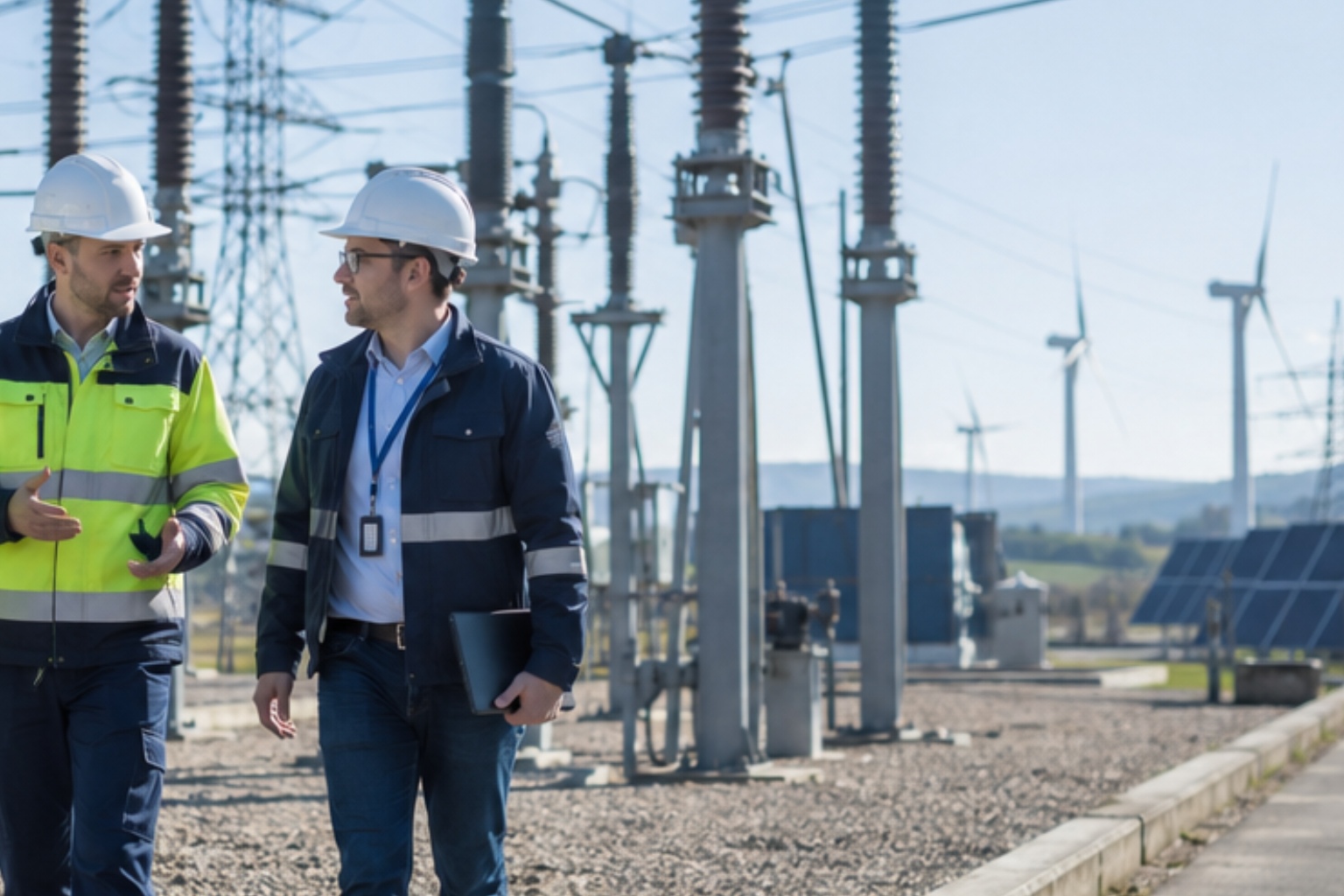
Continuous readings replace fixed schedules. Anomalies surface earlier, and your team spends less time walking and more time deciding.
Recurring checks run on a consistent schedule across every waypoint, without depending on available staff.
More frequent readings and sensor data surface wear and leaks before they force a shutdown.
Repetitive gauge checks shift from your field teams to the robot, freeing people for higher value work.
Remote verification confirms whether a reading needs a technician before anyone walks the floor.
Lead the conversation that turns analog rounds into continuous, digital visibility across your plant floor.