- All Foundries

- Commodity Management & Trading

- Customer & Marketing Strategy

- Digital Engineering

- Station Studio

- Supply Chain & Industry 5.0
- Sustainability

- Physical AI

- Next-Gen Infrastructure














AI Products for Store Efficiency
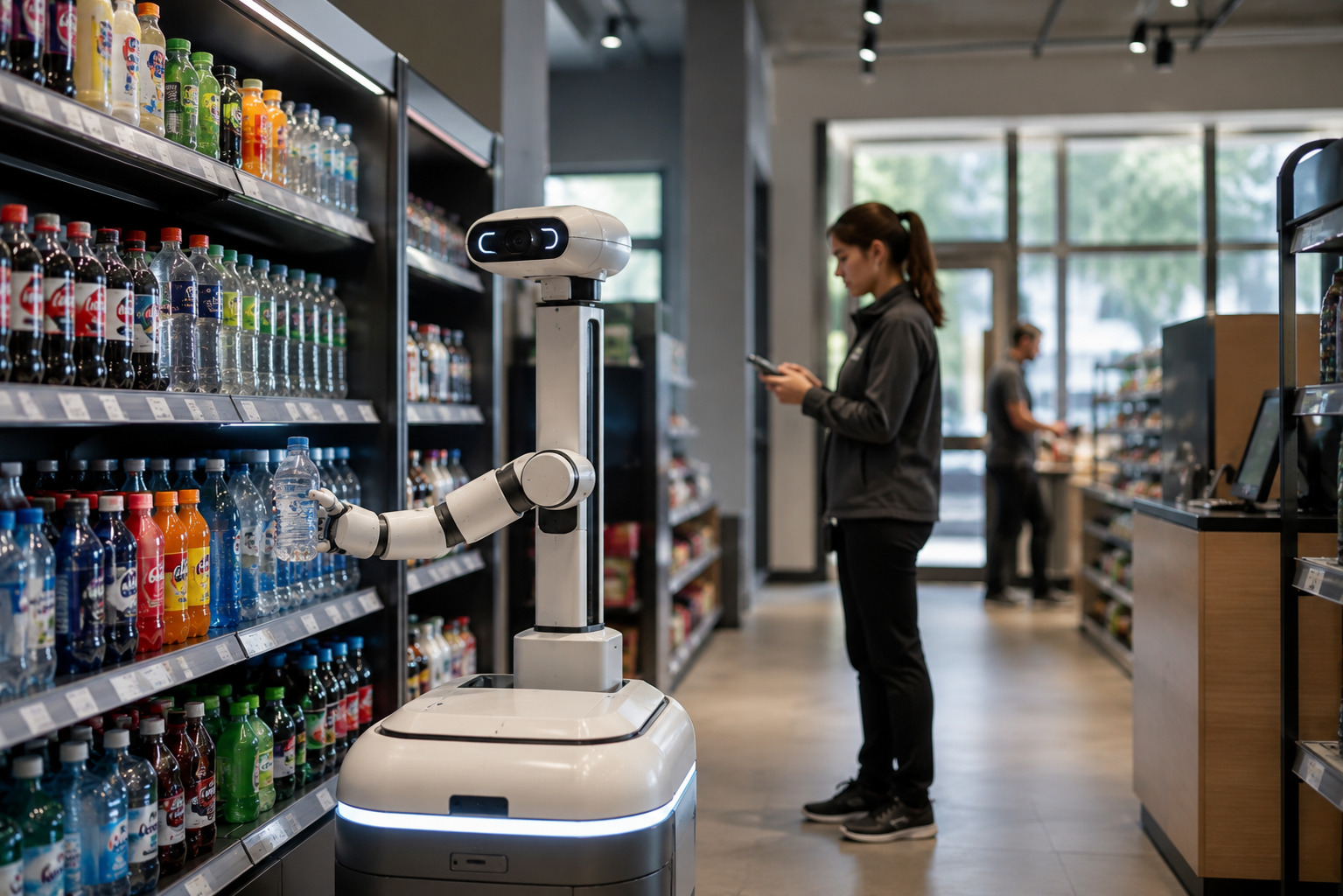
At the same time, robots, shelf data and shopper signals often operate without a common orchestration layer. The issue is not a lack of technology. It is the effort required to make each technology work as part of one store operation.

Repetitive activity is automated and store tasks can be scheduled against real operational signals.
Self-checkout and self-scanning support faster, more convenient flows when integrated into the wider store journey.
Computer vision and RFID improve the signals available to identify and manage shrinkage exposure.
Store solutions converge into one mobile journey, reducing the need to navigate disconnected tools.
How NTT DATA helps
Deploys self-scanning, self-checkout, computer vision and RFID around the store moments where friction and manual effort are most visible.

Connects store technologies with the retail ecosystem and its data flows, creating the context needed for more timely decisions.

Coordinates store robots with shelf, shopper and team signals to support on-shelf availability and balance workloads across the shift.

Brings store solutions into one mobile experience and automates selected store processes, making technology easier to use in the flow of work.
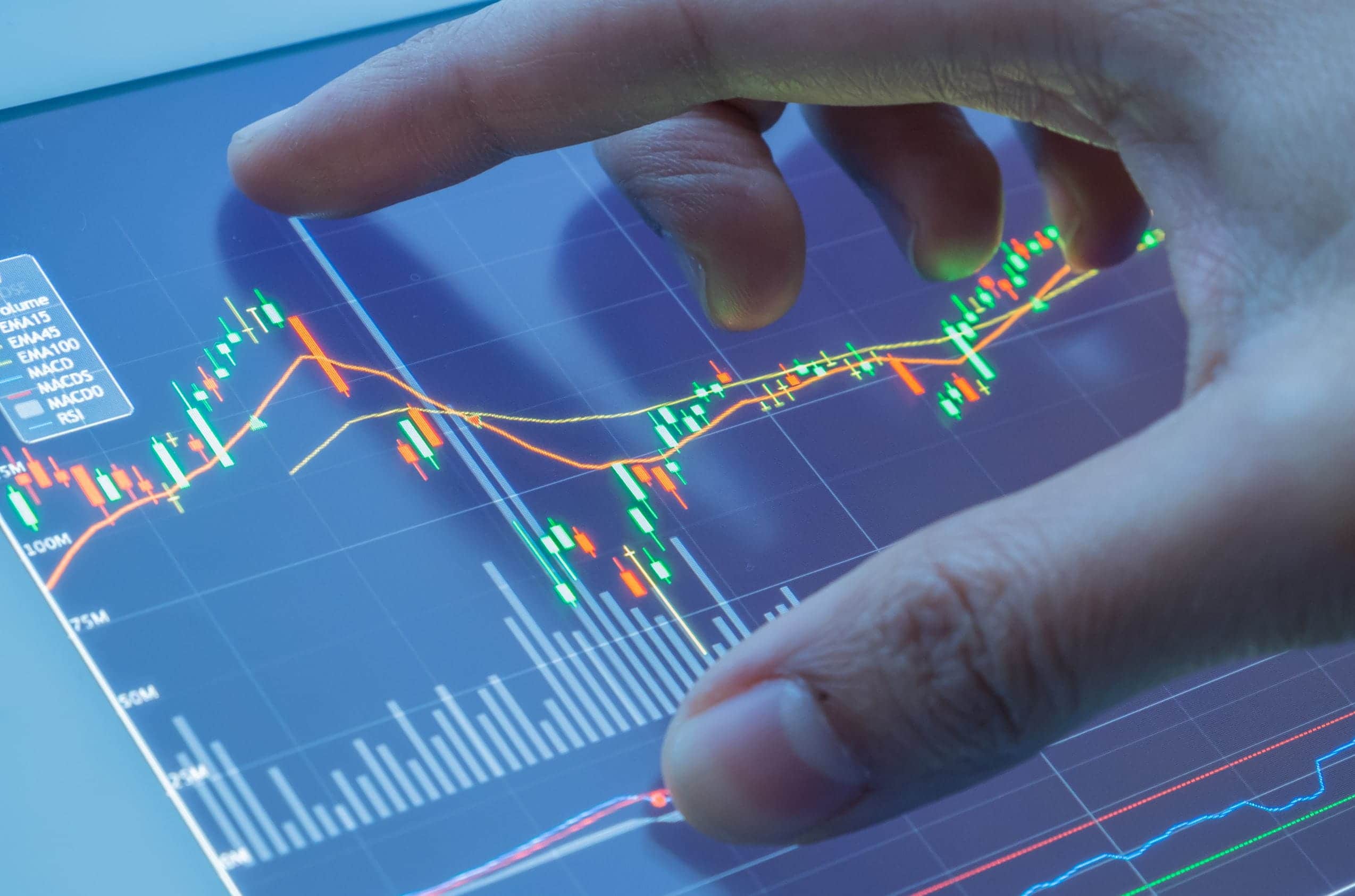
Supports adoption and performance analytics so the operating model, teams and measures evolve with the technology.


Treat the figures below as publication placeholders until they are validated.
Driven by the automation of repetitive tasks and better allocation of store staff to value-added activities such as customer service and sales support
Enabled by self-scanning, optimised queue management and faster transaction processing, improving customer flow especially during peak hours
Through AI-powered monitoring and anomaly detection that identifies and prevents fraud, errors and unscanned items in real time