- All Foundries

- 商品管理と取引

- 顧客とマーケティング戦略

- デジタルエンジニアリング

- ステーション・スタジオ

- サプライチェーン&インダストリー5.0
- サステナビリティ

- Physical AI

- Next-Gen Infrastructure












店舗効率化に向けたAI製品
At the same time, robots, shelf data and shopper signals often operate without a common orchestration layer. The issue is not a lack of technology. It is the effort required to make each technology work as part of one store operation.

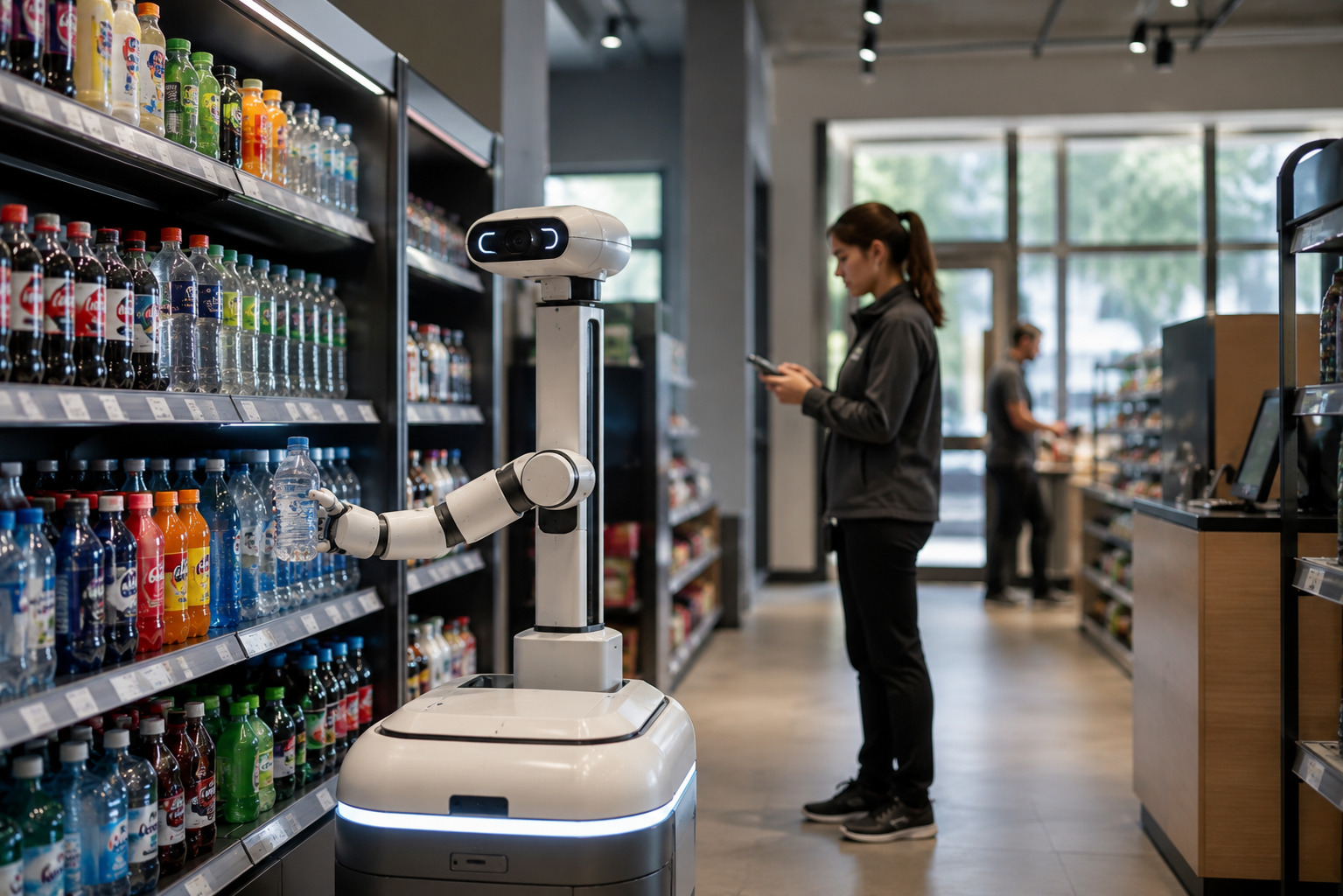
Repetitive activity is automated and store tasks can be scheduled against real operational signals.
Self-checkout and self-scanning support faster, more convenient flows when integrated into the wider store journey.
Computer vision and RFID improve the signals available to identify and manage shrinkage exposure.
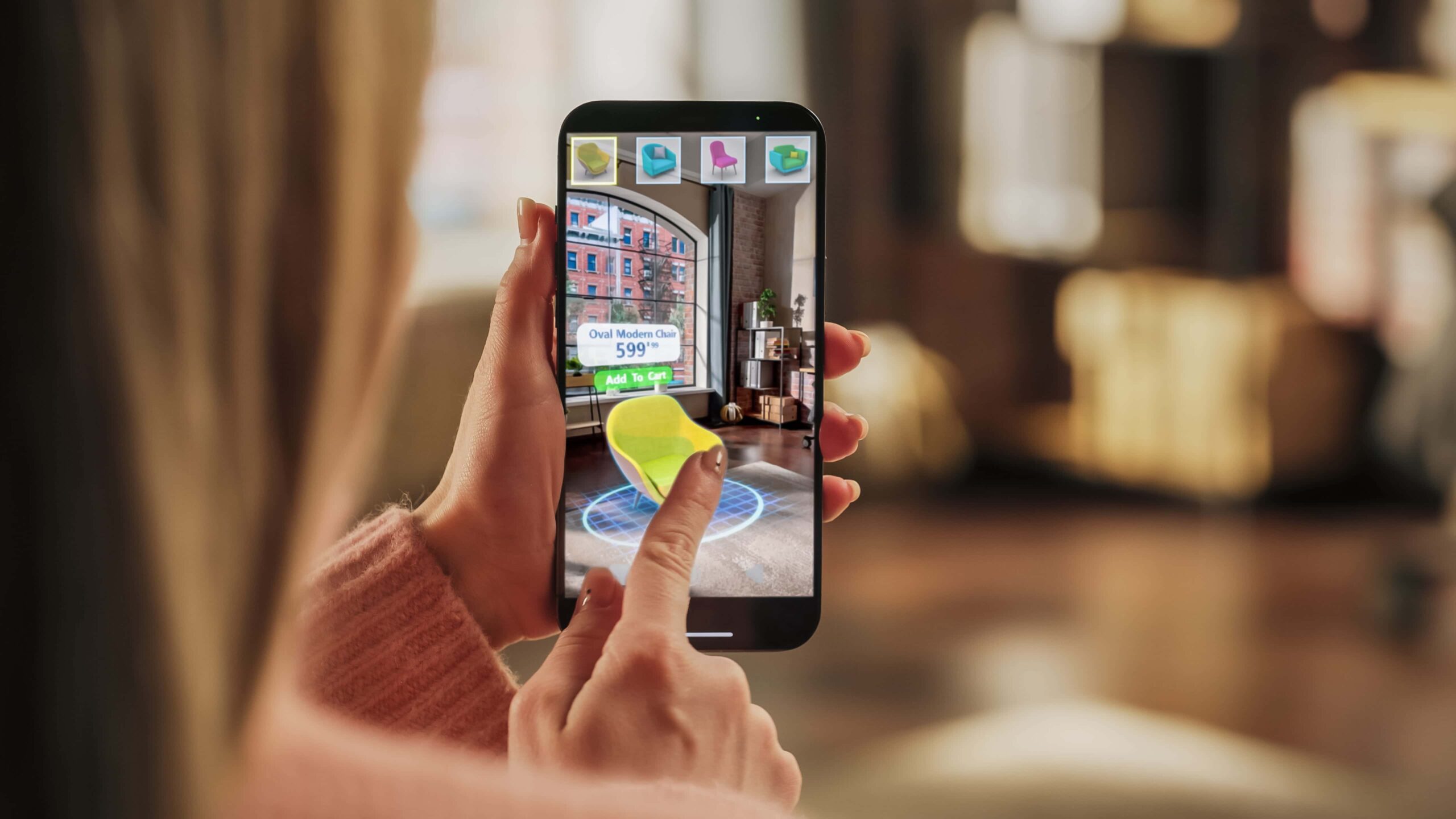
Store solutions converge into one mobile journey, reducing the need to navigate disconnected tools.
NTTデータのサポート体制は?
Deploys self-scanning, self-checkout, computer vision and RFID around the store moments where friction and manual effort are most visible.

Connects store technologies with the retail ecosystem and its data flows, creating the context needed for more timely decisions.

Coordinates store robots with shelf, shopper and team signals to support on-shelf availability and balance workloads across the shift.
Brings store solutions into one mobile experience and automates selected store processes, making technology easier to use in the flow of work.
Supports adoption and performance analytics so the operating model, teams and measures evolve with the technology.


Treat the figures below as publication placeholders until they are validated.
反復的な業務の自動化と、顧客対応や販売支援といった付加価値の高い業務への店舗スタッフの最適な配置により推進されます
セルフスキャン、最適化された待ち行列管理、および迅速な取引処理により、特に混雑時間帯における顧客の流れが改善されます
AIを活用した監視および異常検知機能により、不正行為、エラー、未スキャン商品をリアルタイムで特定・防止します