- All Foundries

- Commodity Management & Trading

- Customer & Marketing Strategy

- Digital Engineering

- Station Studio

- Supply Chain & Industry 5.0

- Sustainability

- Physical AI

- Next-Gen Infrastructure


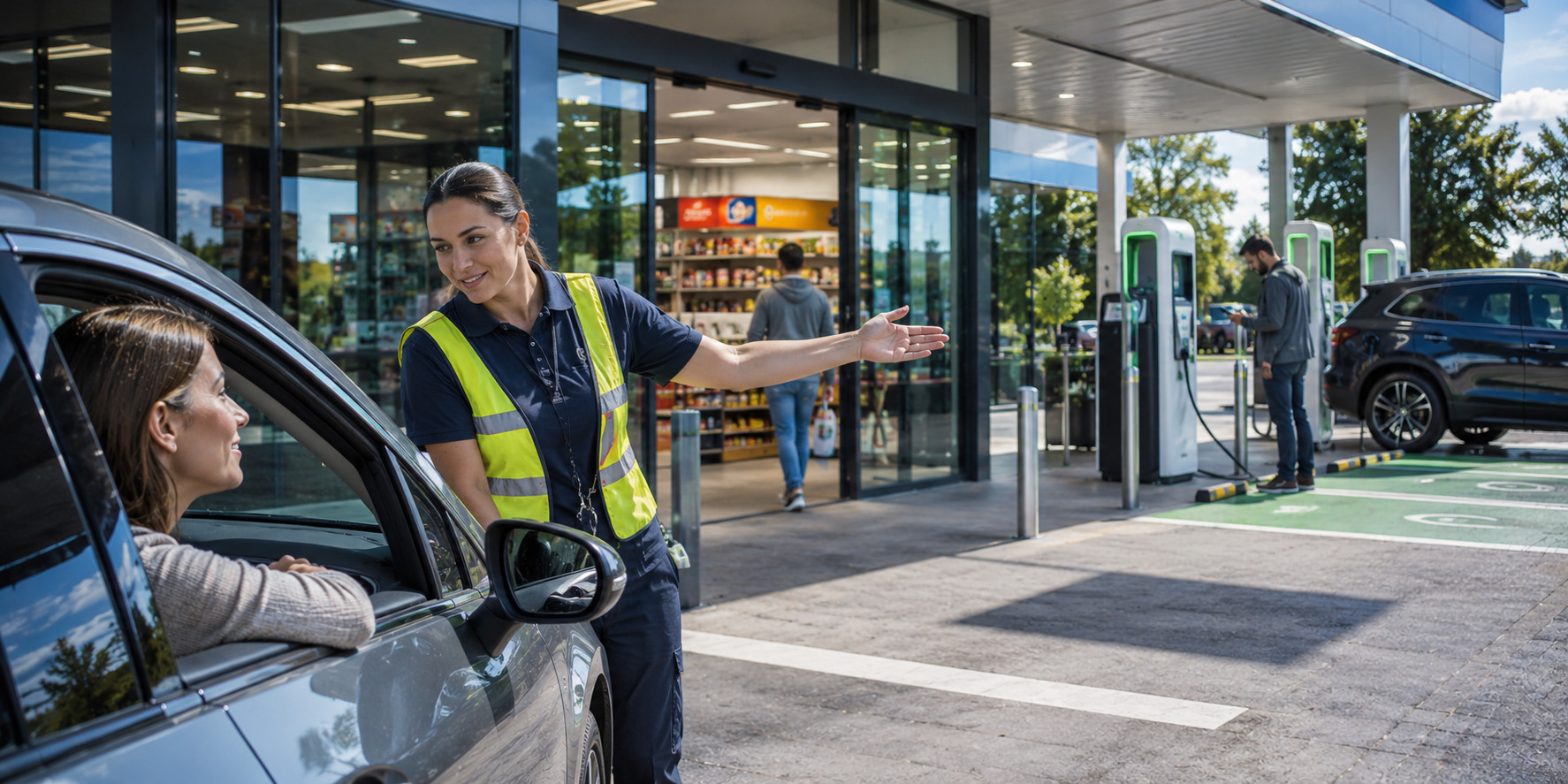
End-to-End Station Journey Design Across Energy, Retail & Services
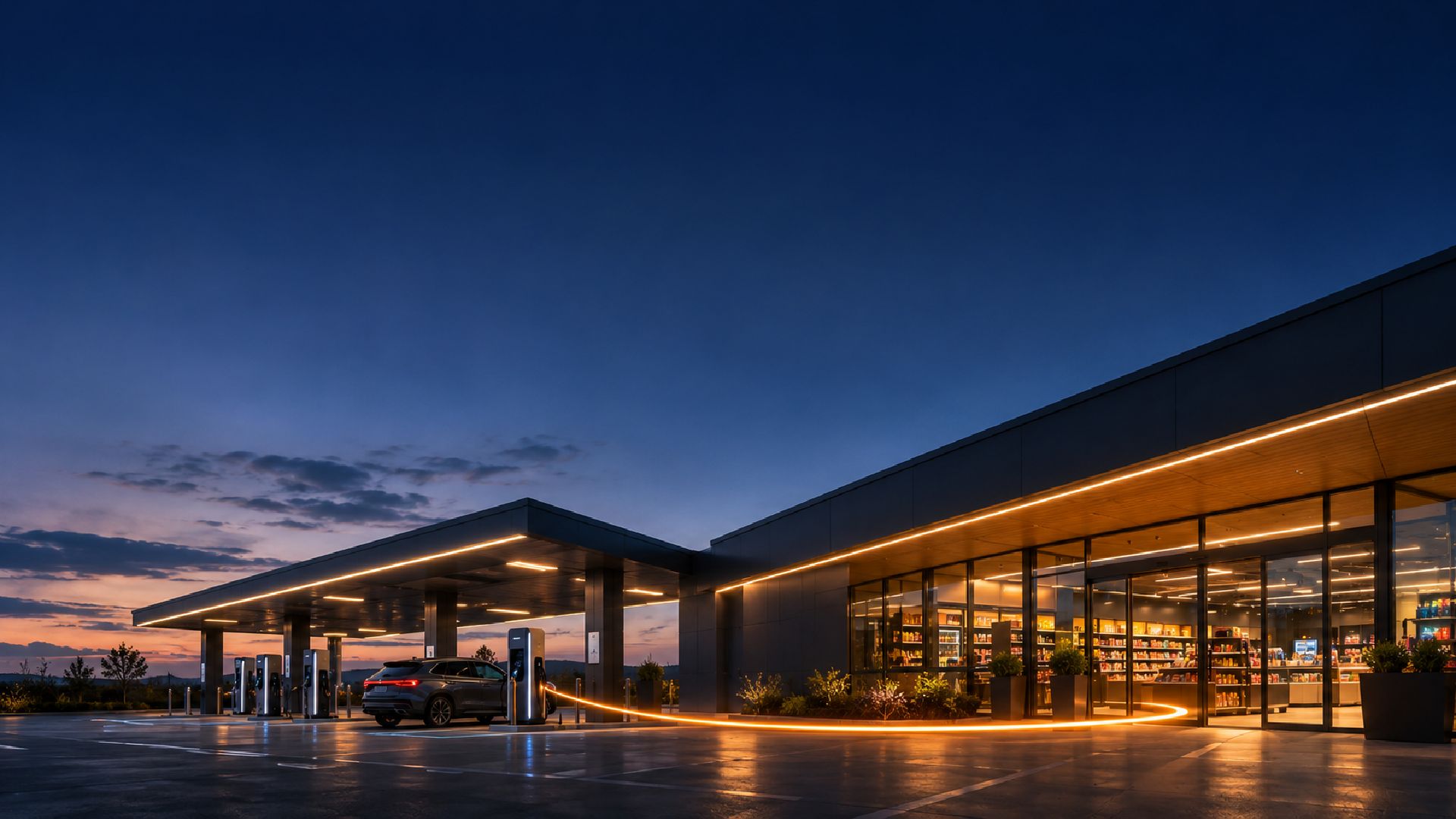
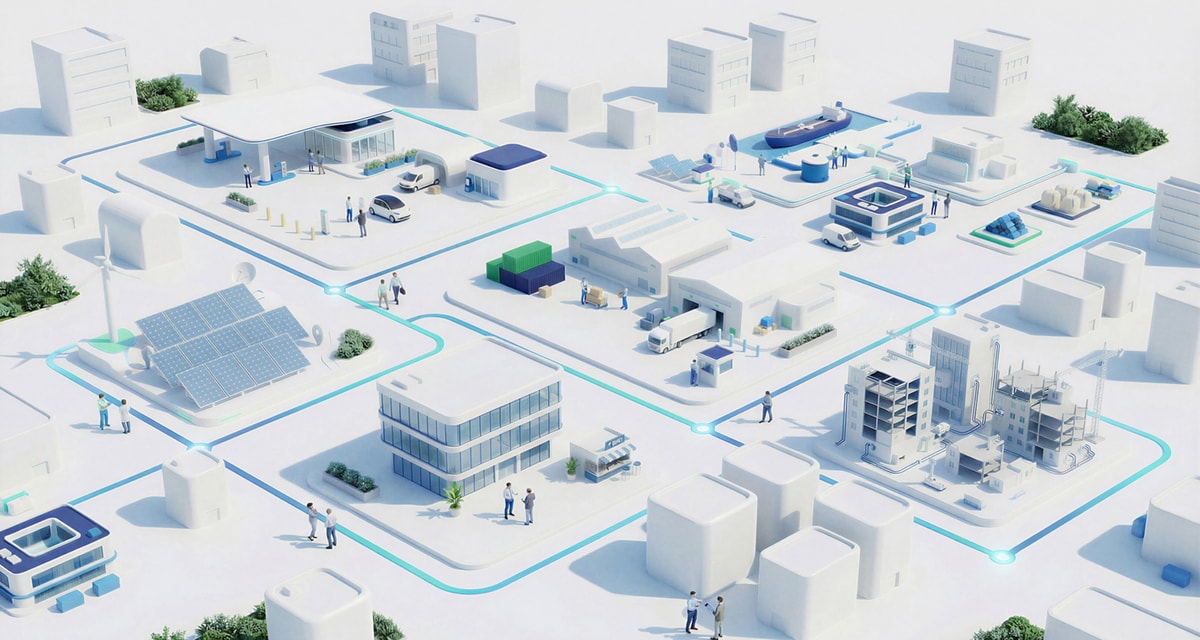
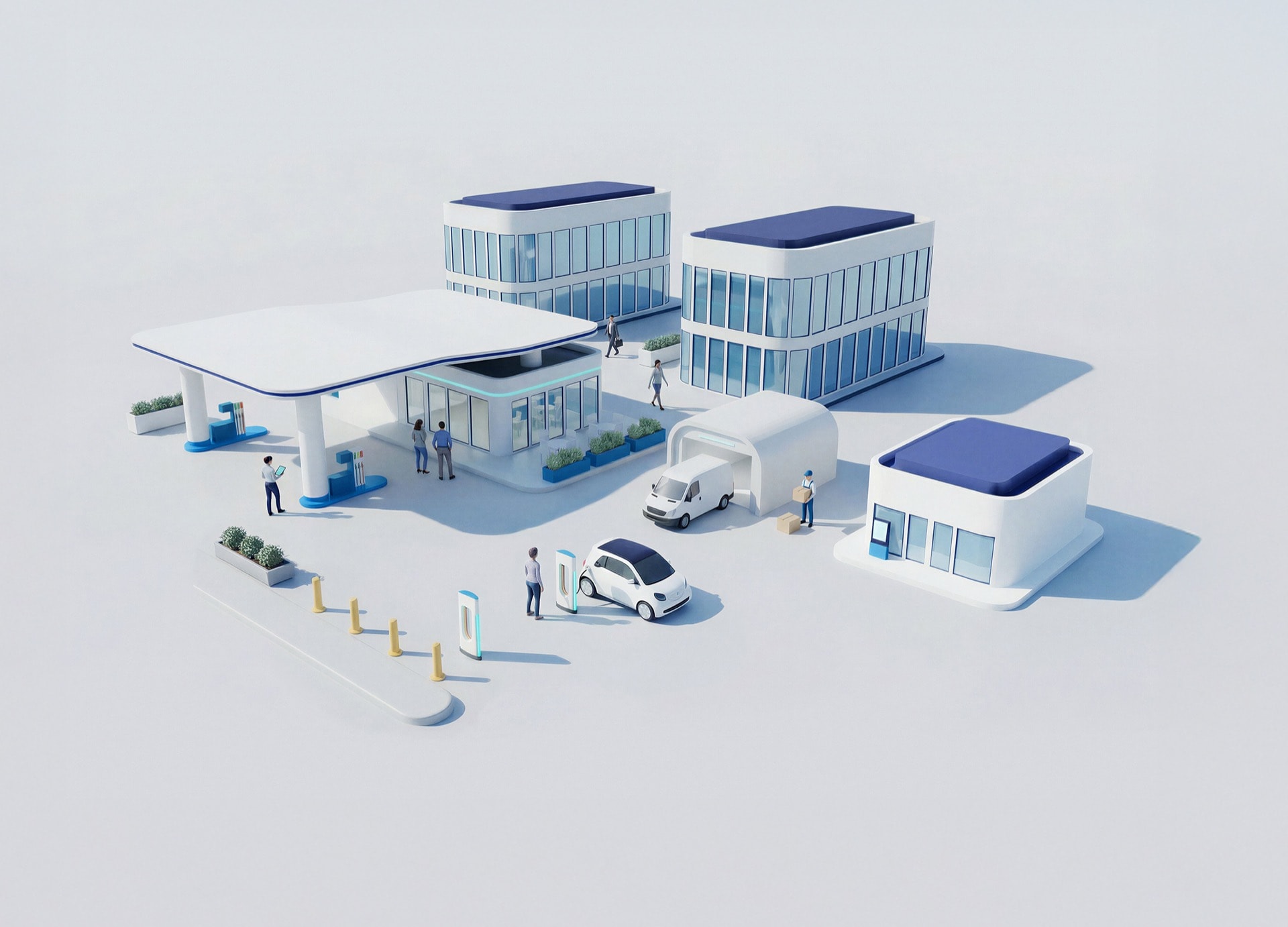
Customers interact with multiple services during a station visit, from arrival and service selection to refueling, charging, shopping and payment. When these steps operate independently, friction and delays affect the overall experience. Integrated journey design aligns physical layouts, digital touchpoints and operational workflows to create more consistent and efficient station visits.
Connected physical and digital touchpoints help station operators simplify customer journeys, improve service coordination and create more consistent experiences across locations.

Connected fuel, retail, charging and digital touchpoints reduce friction throughout the station visit.
Coordinated service processes and clearer customer journeys help reduce unnecessary waiting and delays.
Standardized workflows support reliable customer interactions across services and station formats.
Integrated journeys make it easier for customers to discover and access complementary station services.
How NTT DATA helps
NTT DATA maps customer interactions across arrival, fuel, charging, retail and payment to identify friction points and design smoother station experiences.
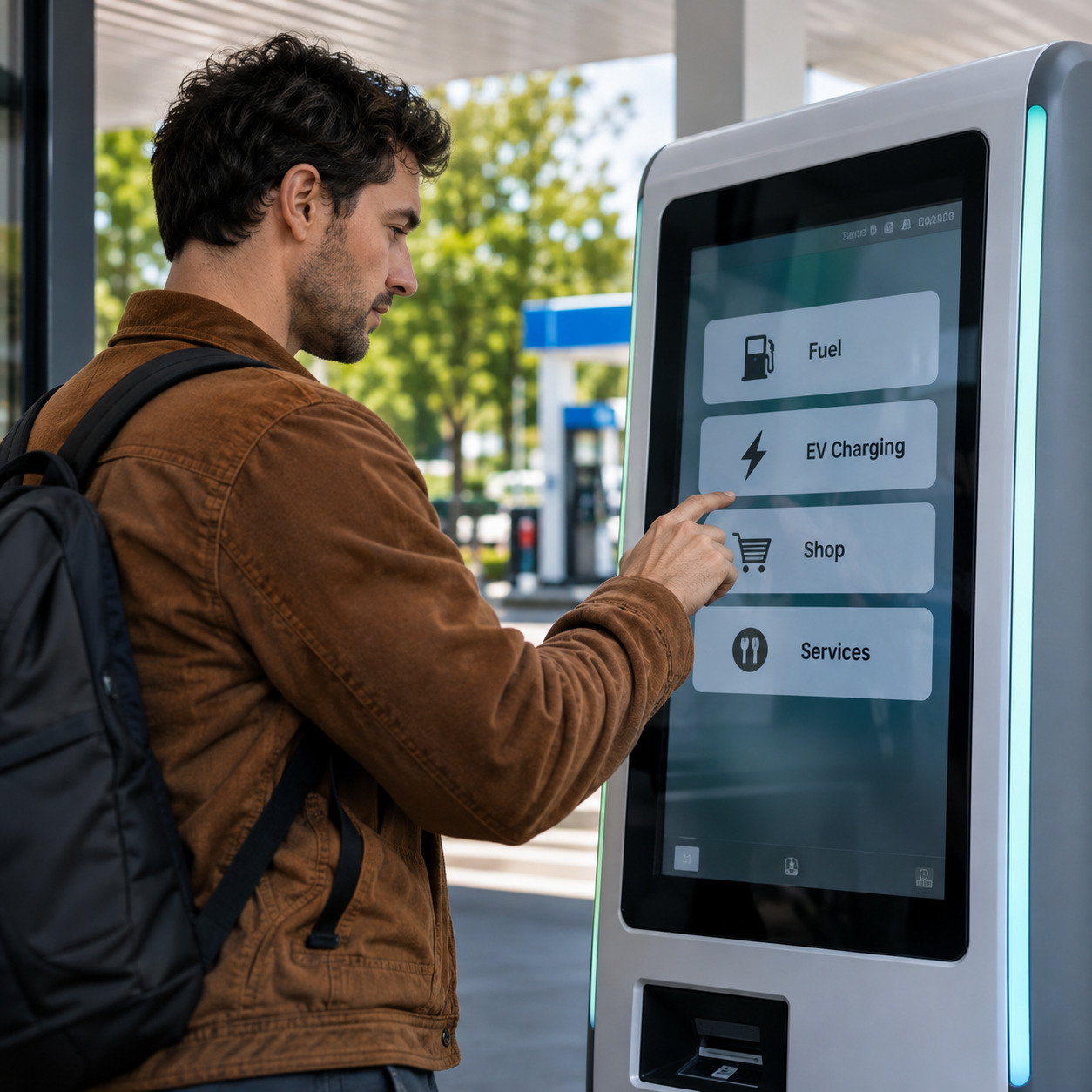
APIs and integrated platforms connect kiosks, mobile apps, POS and station systems, enabling consistent interactions across physical and digital channels.
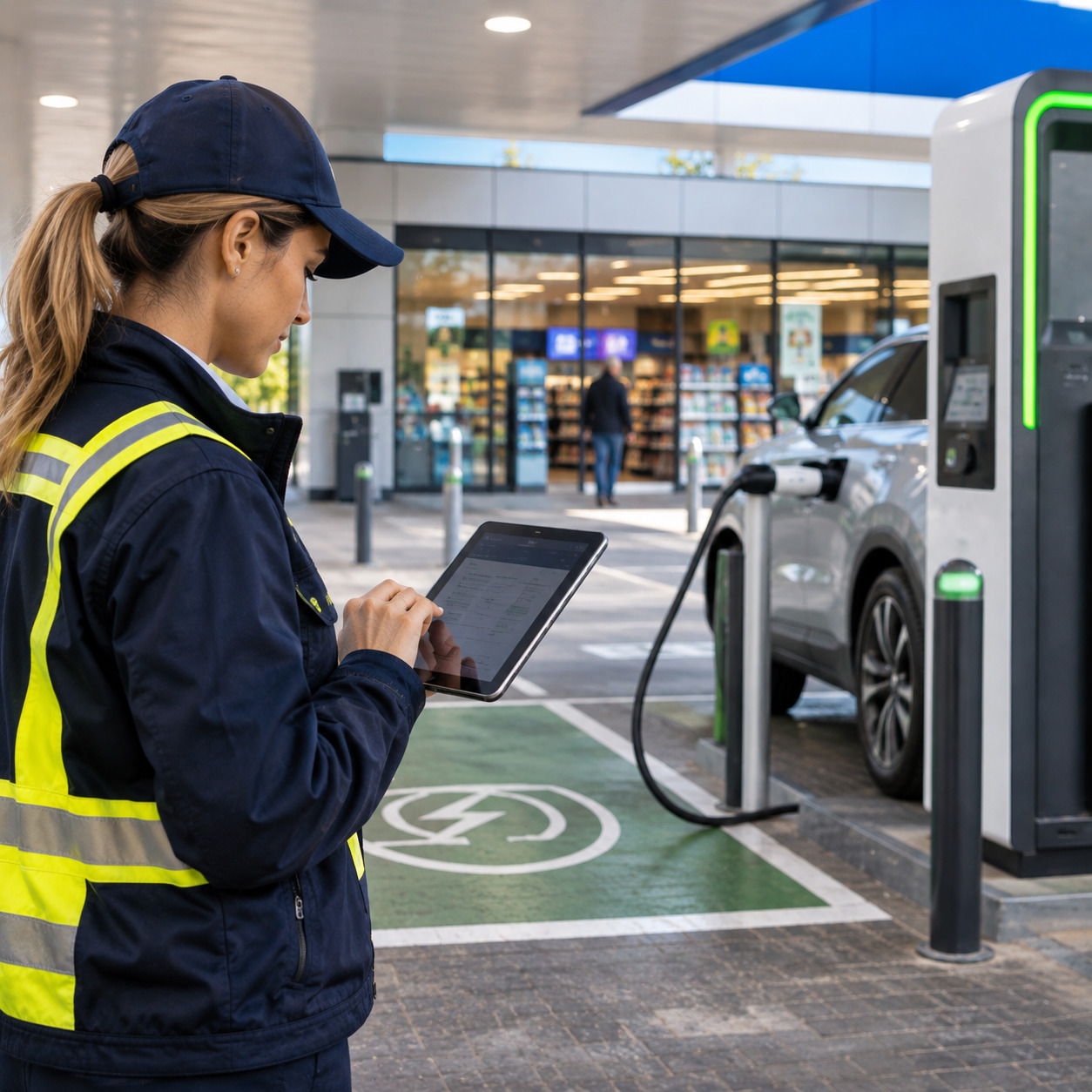
Operational platforms coordinate forecourt activity, service availability and customer flows to reduce friction between station services.
Journey analytics combine service usage, transaction and operational data to identify bottlenecks, waiting times and improvement opportunities.
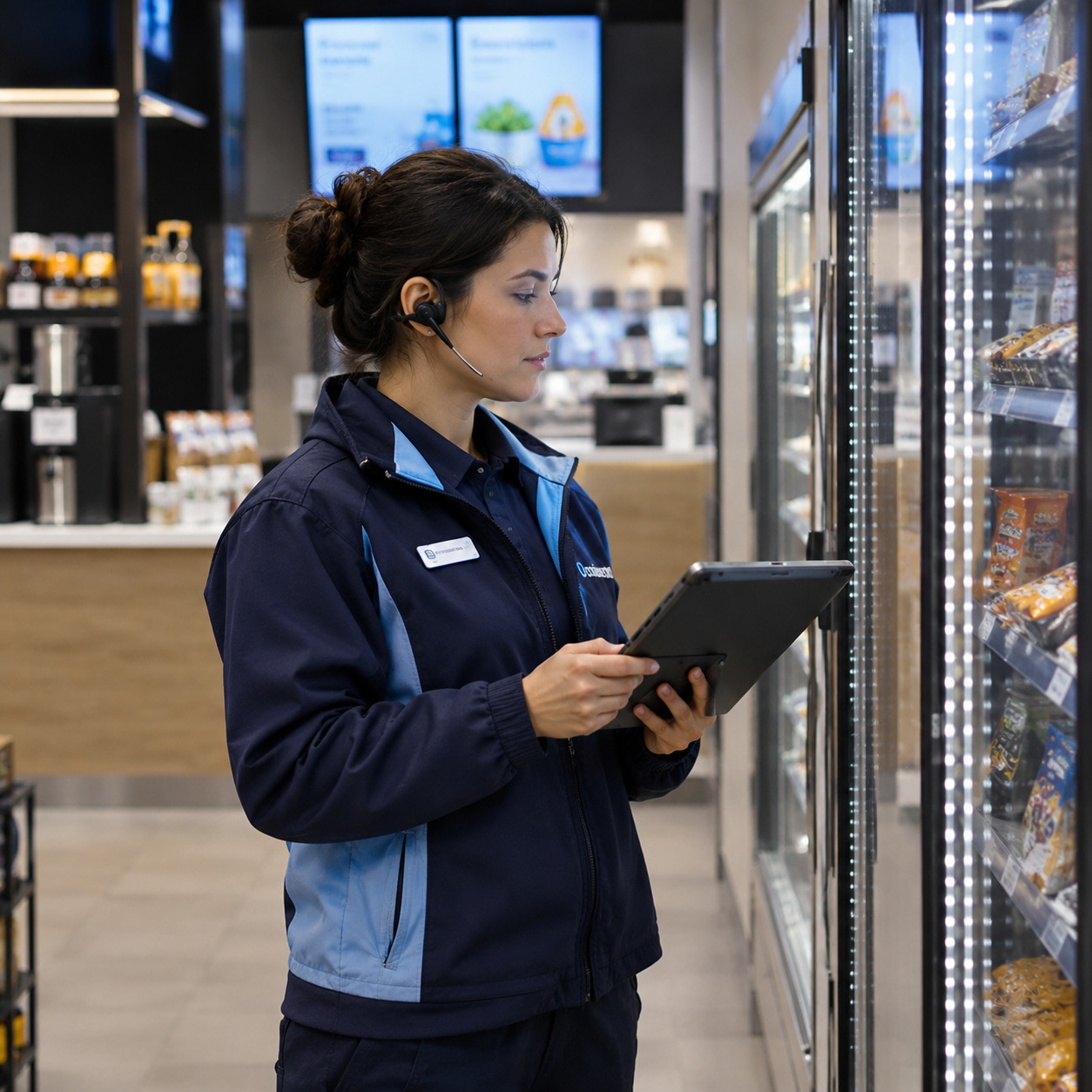
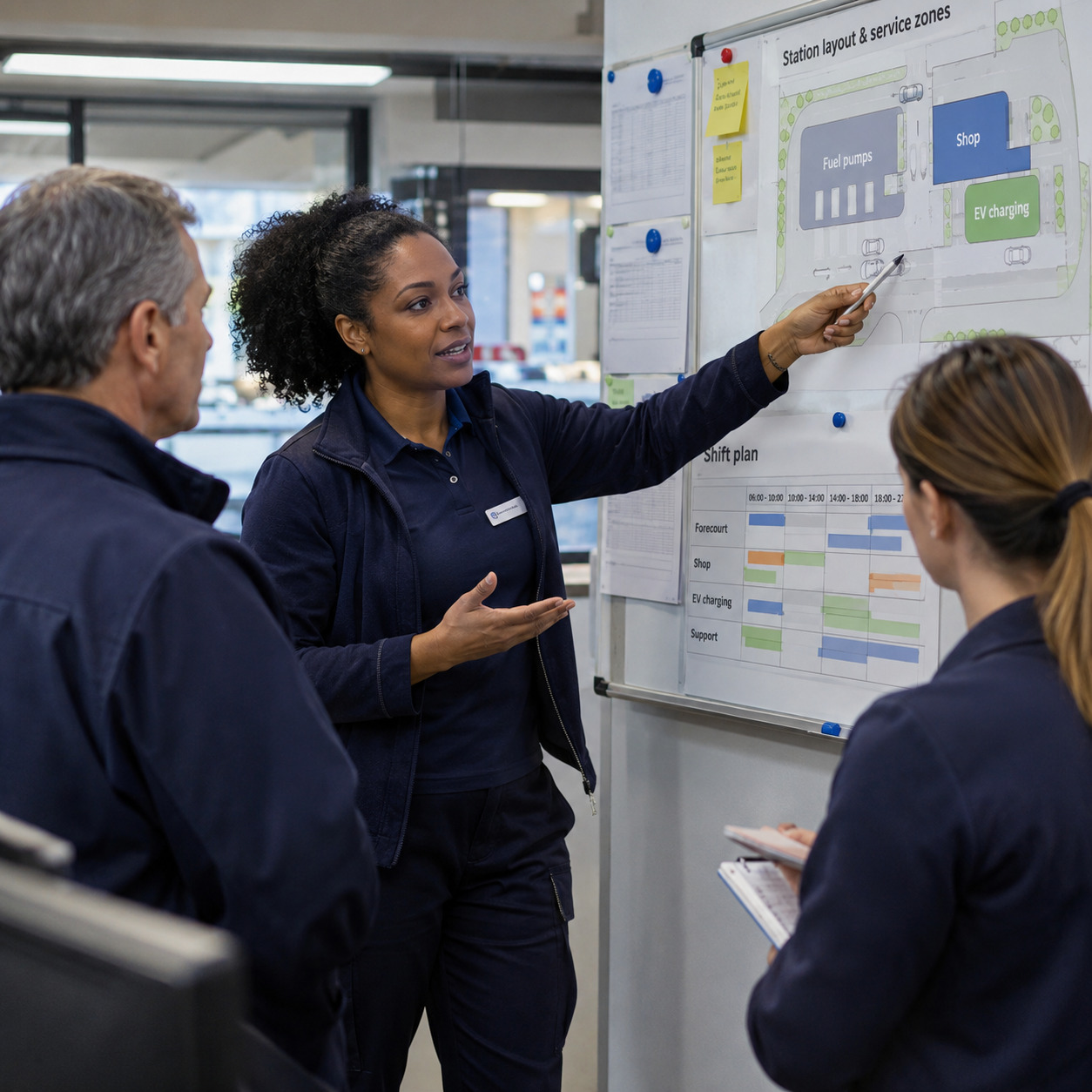
NTT DATA defines standardized workflows, service responsibilities and rollout processes to deliver consistent customer journeys across station networks.
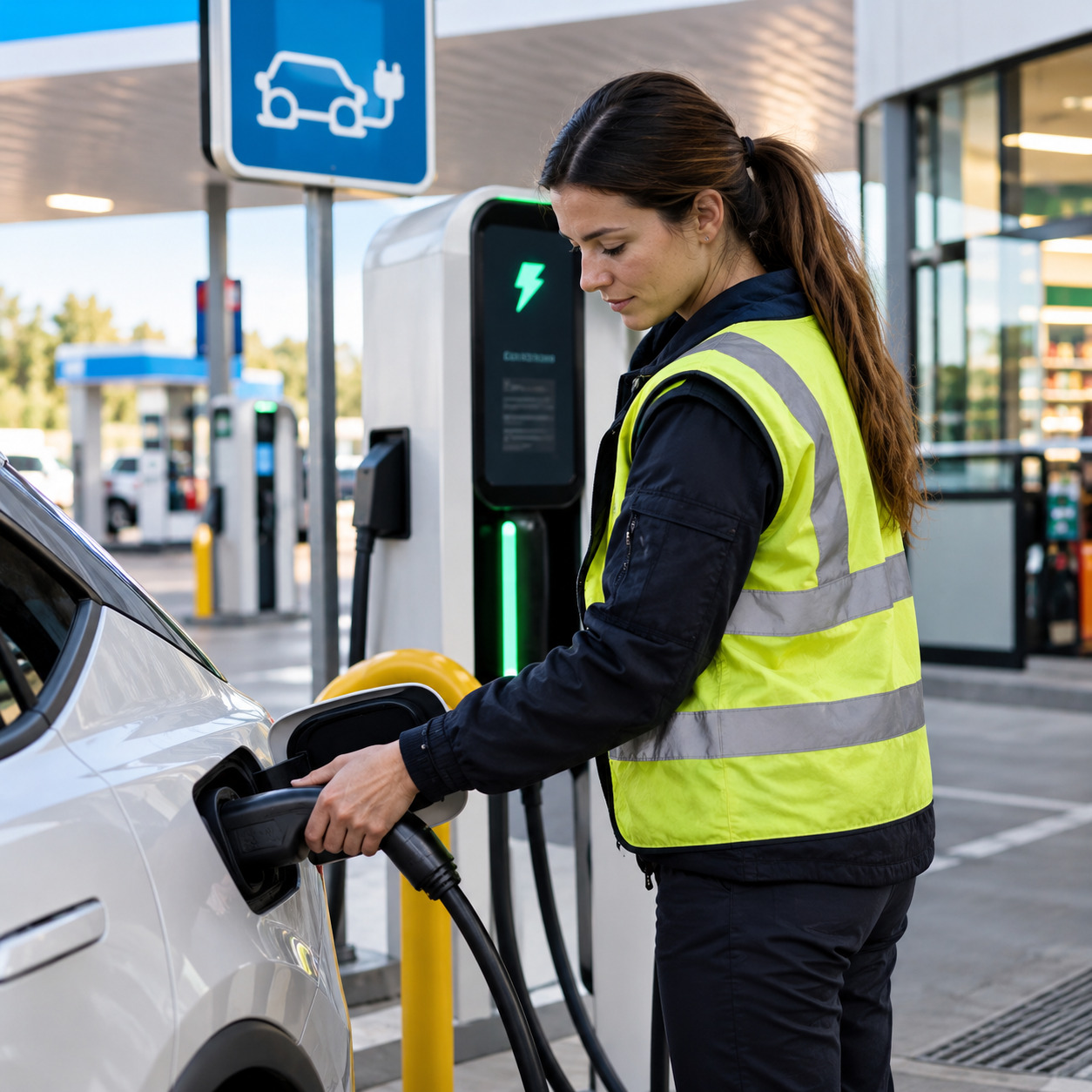
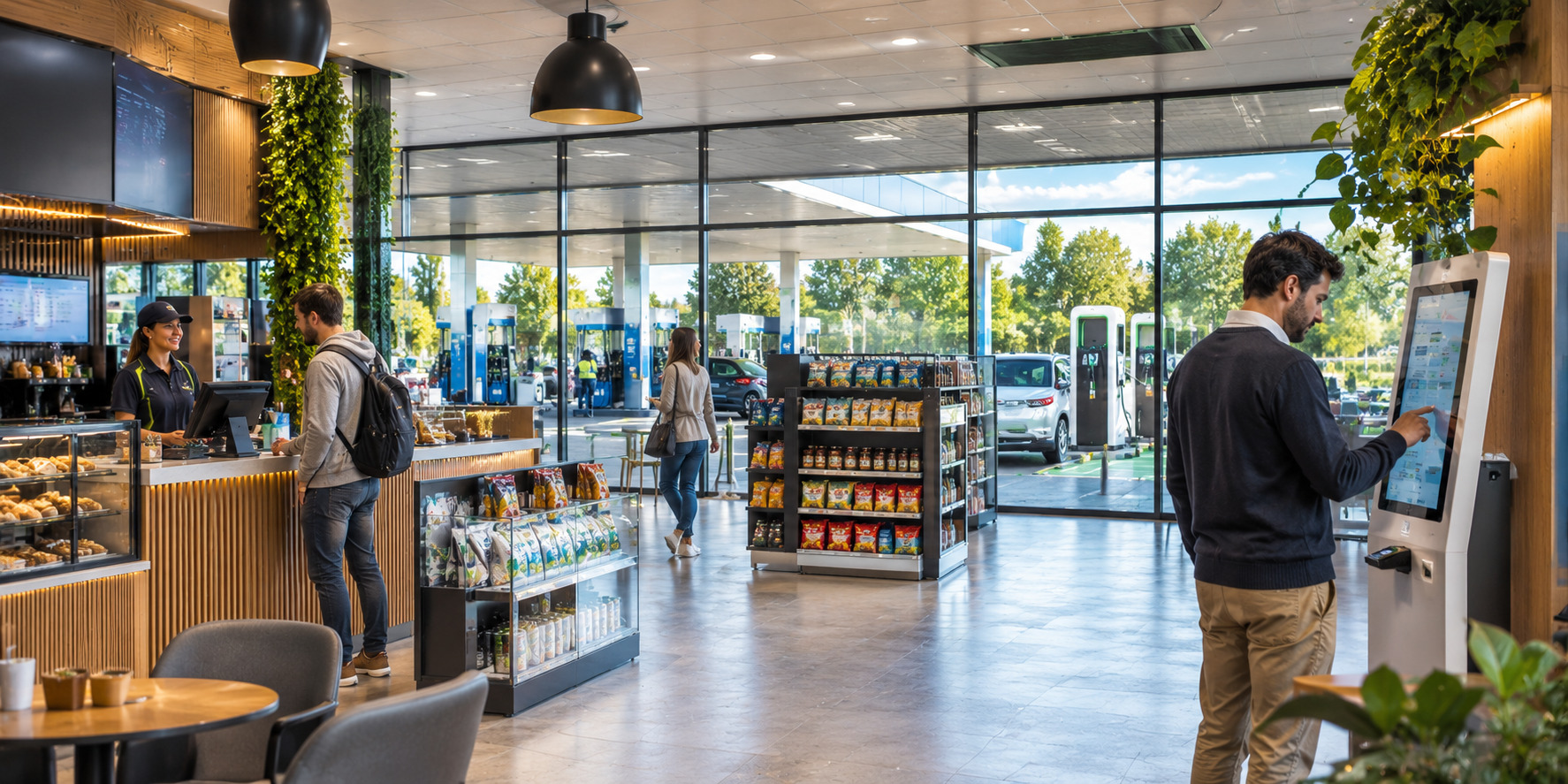
Connected services and coordinated workflows help station networks reduce friction, improve service consistency and create more efficient customer journeys.
Connected touchpoints simplify customer interactions across fuel, retail, charging and payment.
Coordinated processes help reduce unnecessary waiting and improve movement between services.
Standardized workflows support more reliable experiences across station locations.
Integrated journeys make complementary station services easier to discover and access.
End-to-end station journey design is becoming a strategic capability as operators connect energy, retail and mobility services through coordinated physical and digital experiences.