


- Commodity Management & Trading

- Customer & Marketing Strategy

- Digital Engineering

- Station Studio

- Supply Chain & Industry 5.0
- Sustainability



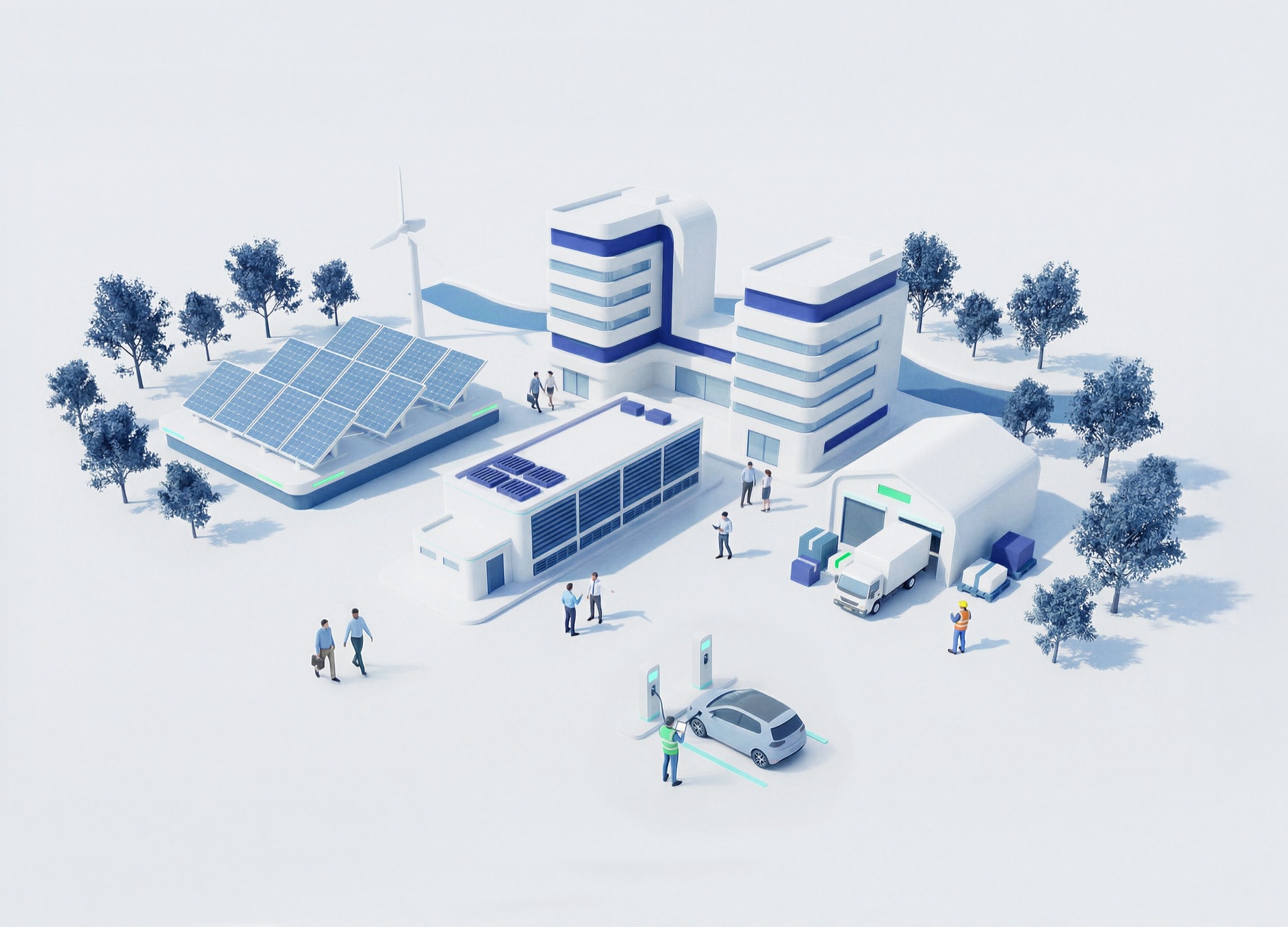



Smart Energy Systems for Intelligent Utility Operations
Utilities are managing more renewable generation, storage, flexible demand, electrified loads and distributed energy resources. The challenge is no longer to optimize one asset at a time. It is to coordinate energy decisions across the system, with resilience, efficiency and measurable impact moving together.
Most utilities already operate individual systems for asset control, energy management, forecasting, storage, demand response or distributed generation. Without common data, orchestration and measurement, optimization remains fragmented. One asset may reduce consumption while another creates a new peak. Storage may operate without network context. Flexibility may exist, but not be activated when it creates the most value.
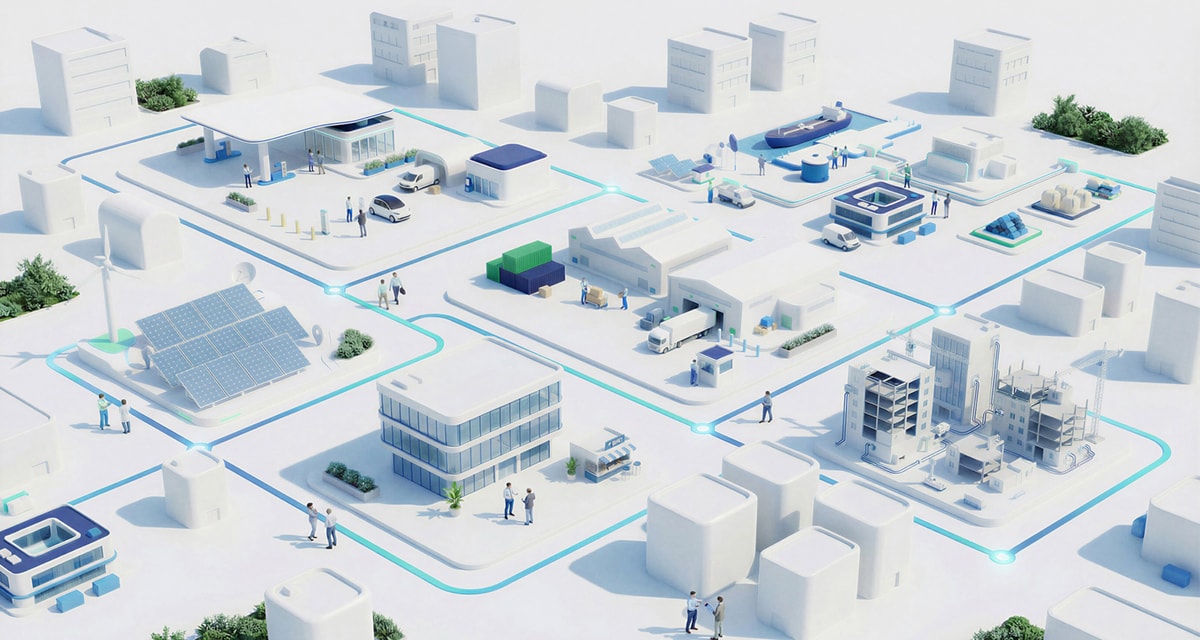
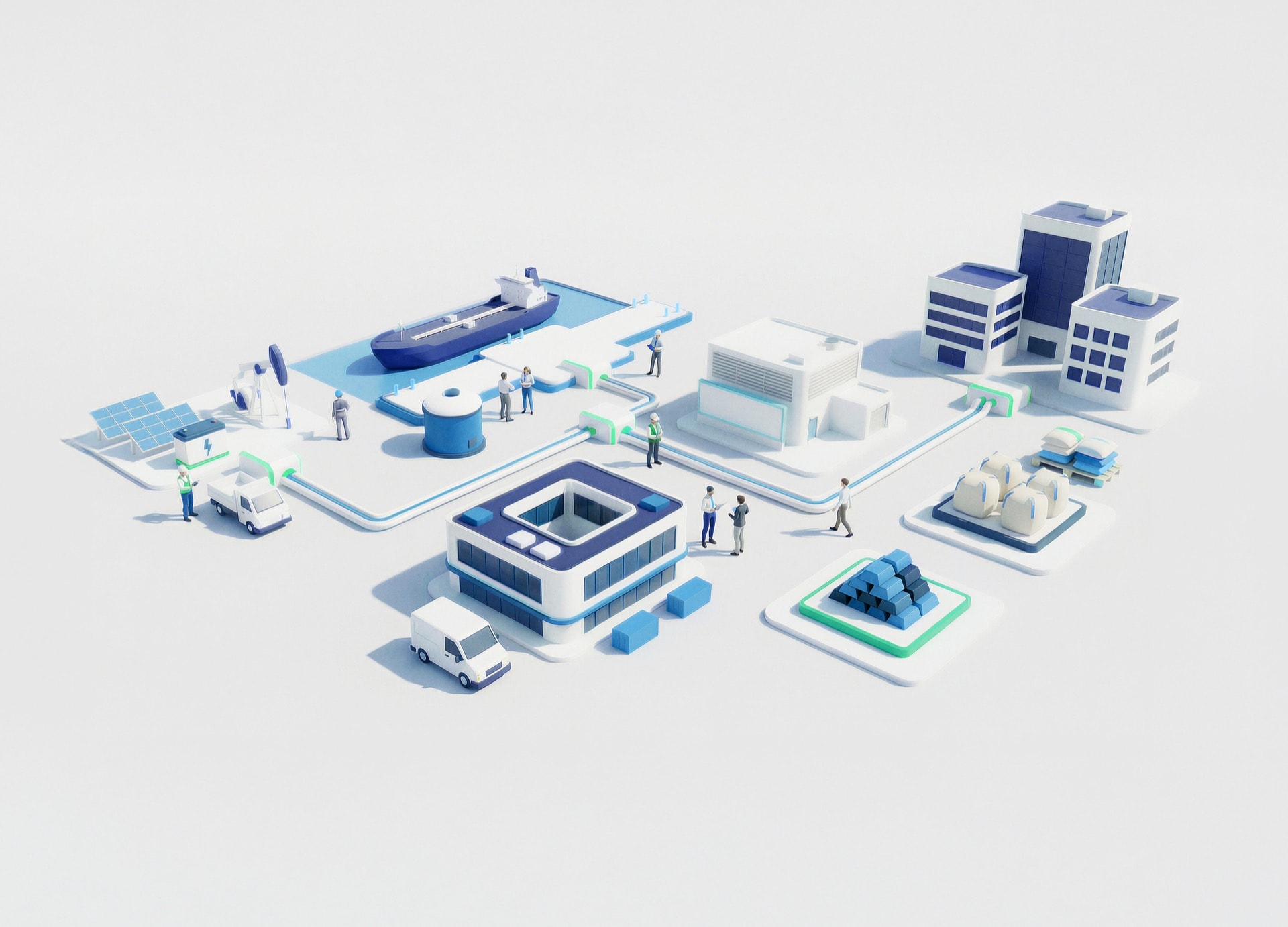
Smart energy systems help utilities treat energy as a dynamic portfolio, connecting operational data, forecasts, control signals and business objectives across assets and sites.

Create a shared view of consumption, production, storage, flexibility and constraints so energy decisions can be managed across the portfolio.
Use forecasting and analytics to identify peaks, inefficiencies, anomalies and flexibility opportunities before they affect performance.
Coordinate storage, controllable loads and distributed resources around reliability, sustainability and business objectives.
Link optimization actions to measurable energy, cost and sustainability outcomes, with continuous performance monitoring.
How NTT DATA helps
Connects energy consumption, production, storage, flexibility and network constraints into a shared decision layer for assets and sites.

Applies analytics to anticipate demand peaks, performance deviations, abnormal consumption and flexibility windows before they become operational pressure.

Coordinates storage, controllable loads and distributed resources according to reliability, sustainability and operational objectives.
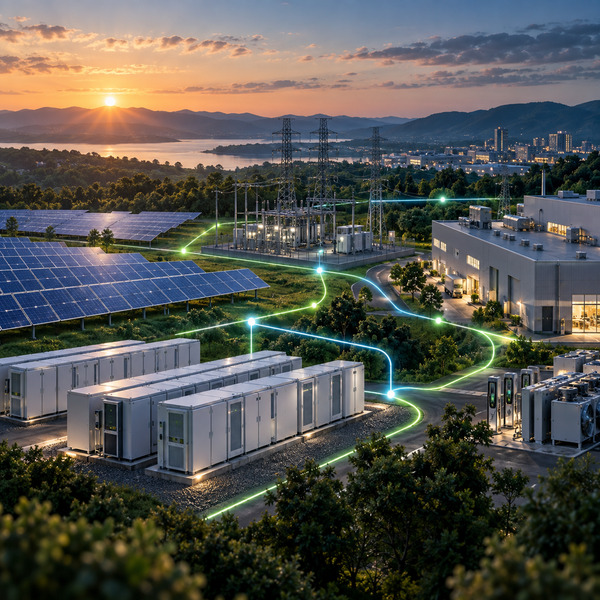
Integrates fault detection and performance monitoring so energy optimization supports resilience instead of creating new operational risk.

Builds the governance, metrics and rollout logic needed to link energy actions to financial, operational and sustainability outcomes across sites.


The source input identifies the impact areas smart energy systems should support: lower avoidable consumption and peak demand, better coordination of storage and flexible resources, faster detection of abnormal behavior, stronger resilience and more auditable energy, cost and sustainability outcomes. Quantified proof points still need validation before publication.
Coordinating consumption, flexibility, and operational constraints turns energy into a more responsive resource—reducing avoidable demand, surfacing anomalies earlier, and making resilience and sustainability outcomes easier to measure.
Reduce energy consumption intensity and flatten peak demand where operationally feasible.
Increase the utilization of flexible resources by coordinating them with operational constraints and sustainability objectives.
Shorten the time needed to identify abnormal consumption or equipment behavior across sites and asset classes.
Incorporate energy availability and flexibility into operational planning, while making savings and sustainability outcomes easier to measure.
Start the conversation on how smart energy systems can connect efficiency, flexibility, resilience and measurable impact across your assets and sites.


