- All Foundries

- Commodity Management & Trading

- Customer & Marketing Strategy

- Digital Engineering

- Station Studio

- Supply Chain & Industry 5.0

- Sustainability

- Physical AI

- Next-Gen Infrastructure











Climate-Ready Gas Networks
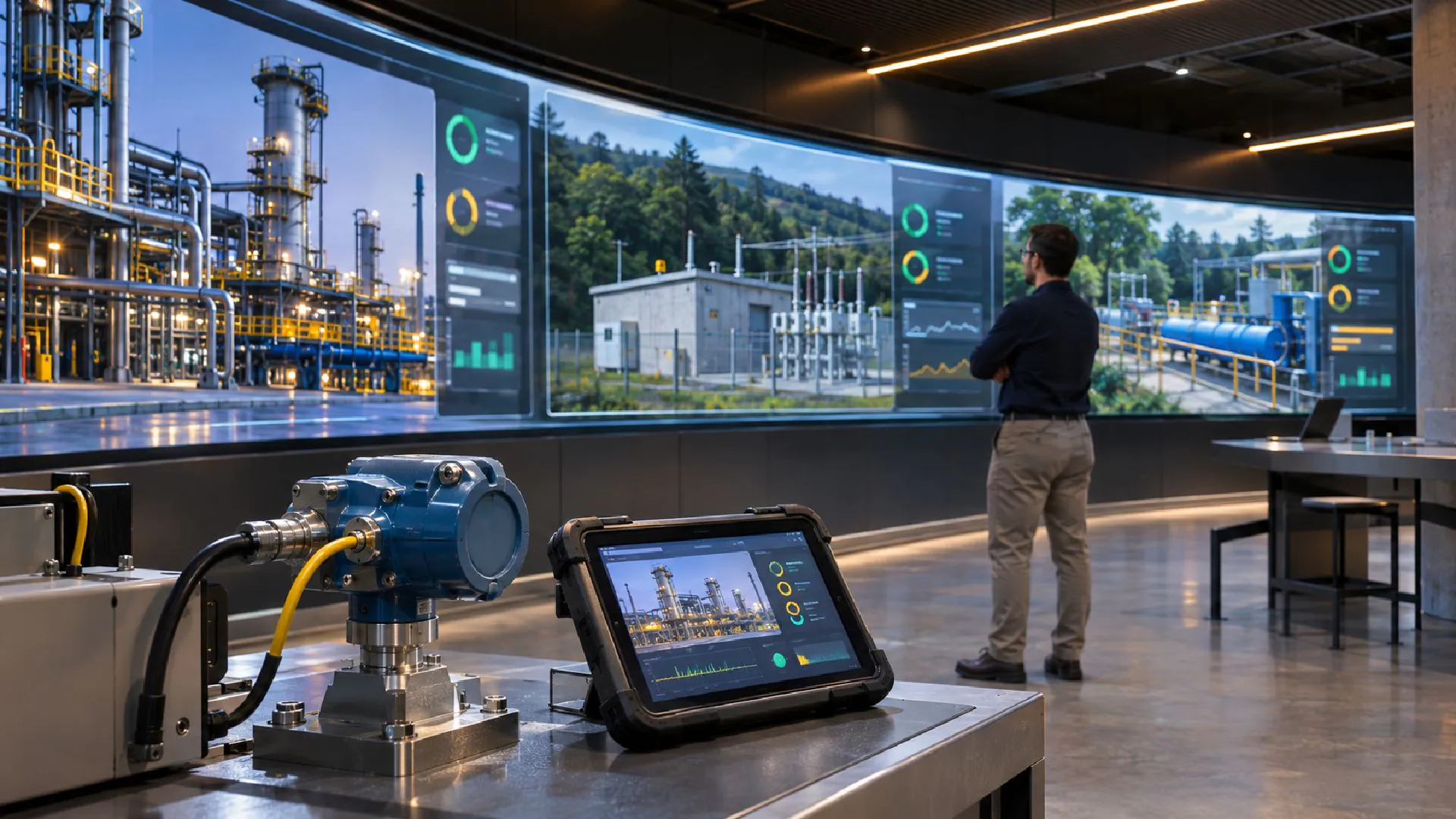
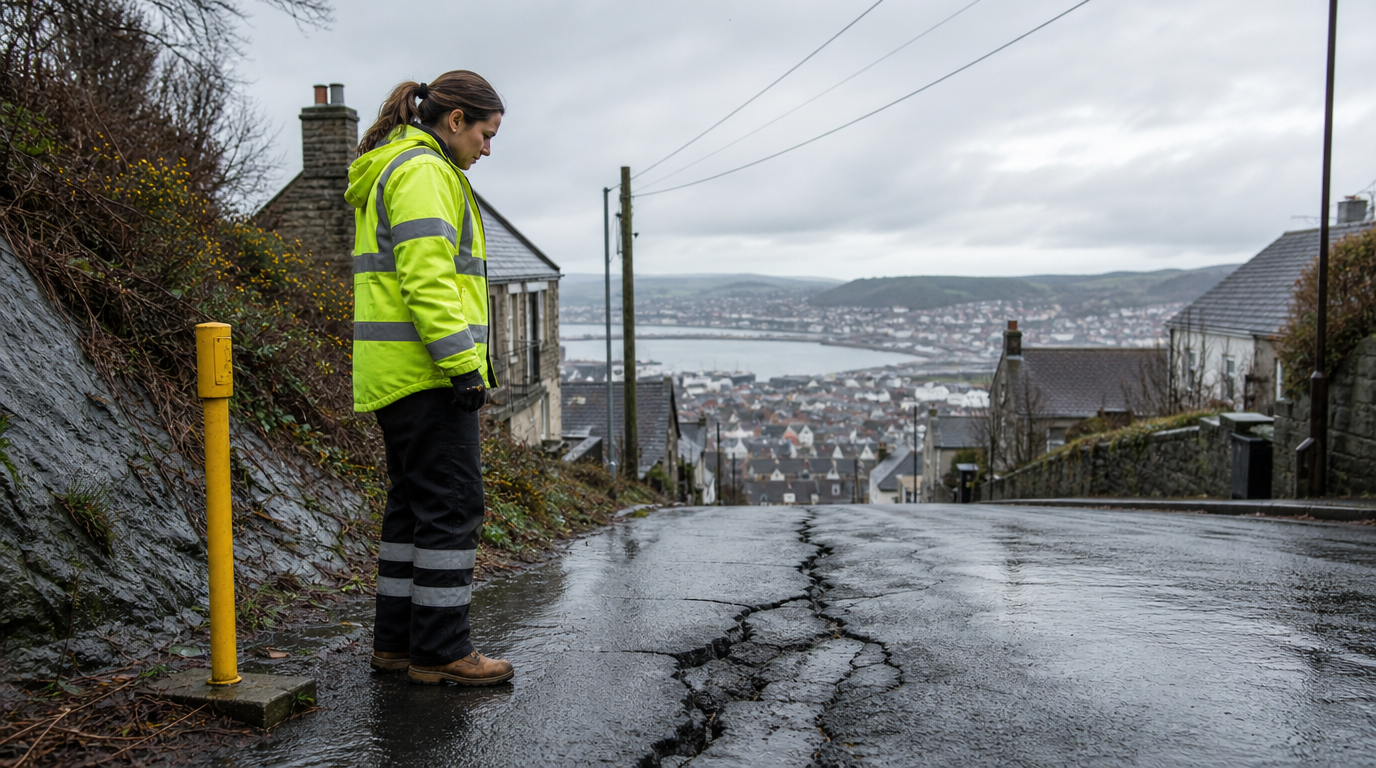
A cast-iron main on a flat street and the same main on an unstable slope carry different risk. Adding geographic exposure to integrity management shifts priorities before an incident, within your regulatory rules.
Your integrity program moves from generic risk awareness to decisions tied to a specific hazard, asset and intervention.

Crews and budget go to the sections where pipe condition and climate exposure combine, instead of a flat cycle.
Sections where flooding or ground movement adds to existing asset risk rise up the list before an event.
Asset integrity, field planning and emergency preparedness work from the same risk view.
Stable, low-risk sections get differentiated effort, so crews drive less where evidence supports the change.
How NTT DATA helps
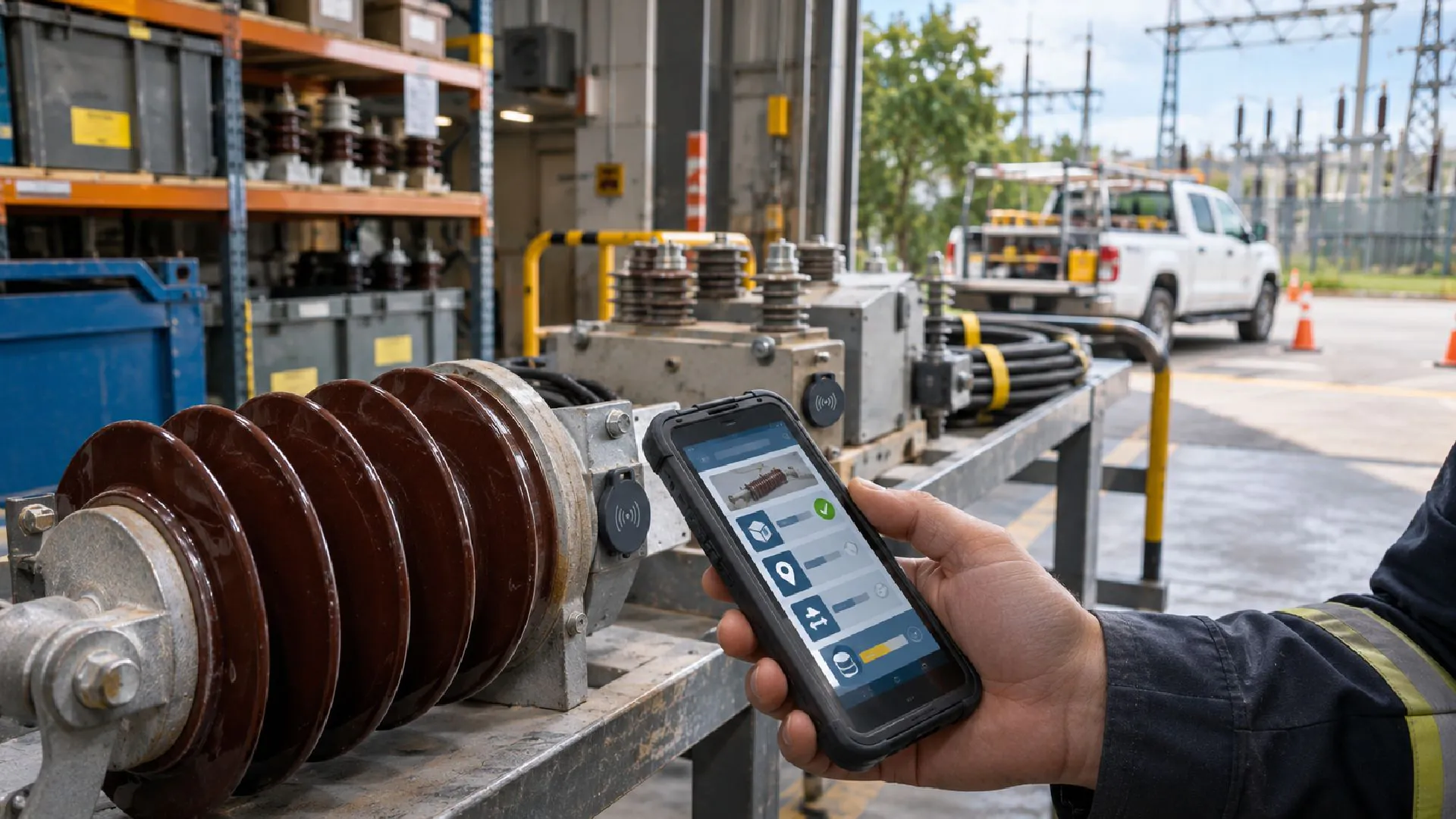
NTT DATA splits the network into sections small enough to support differentiated inspection and maintenance decisions.
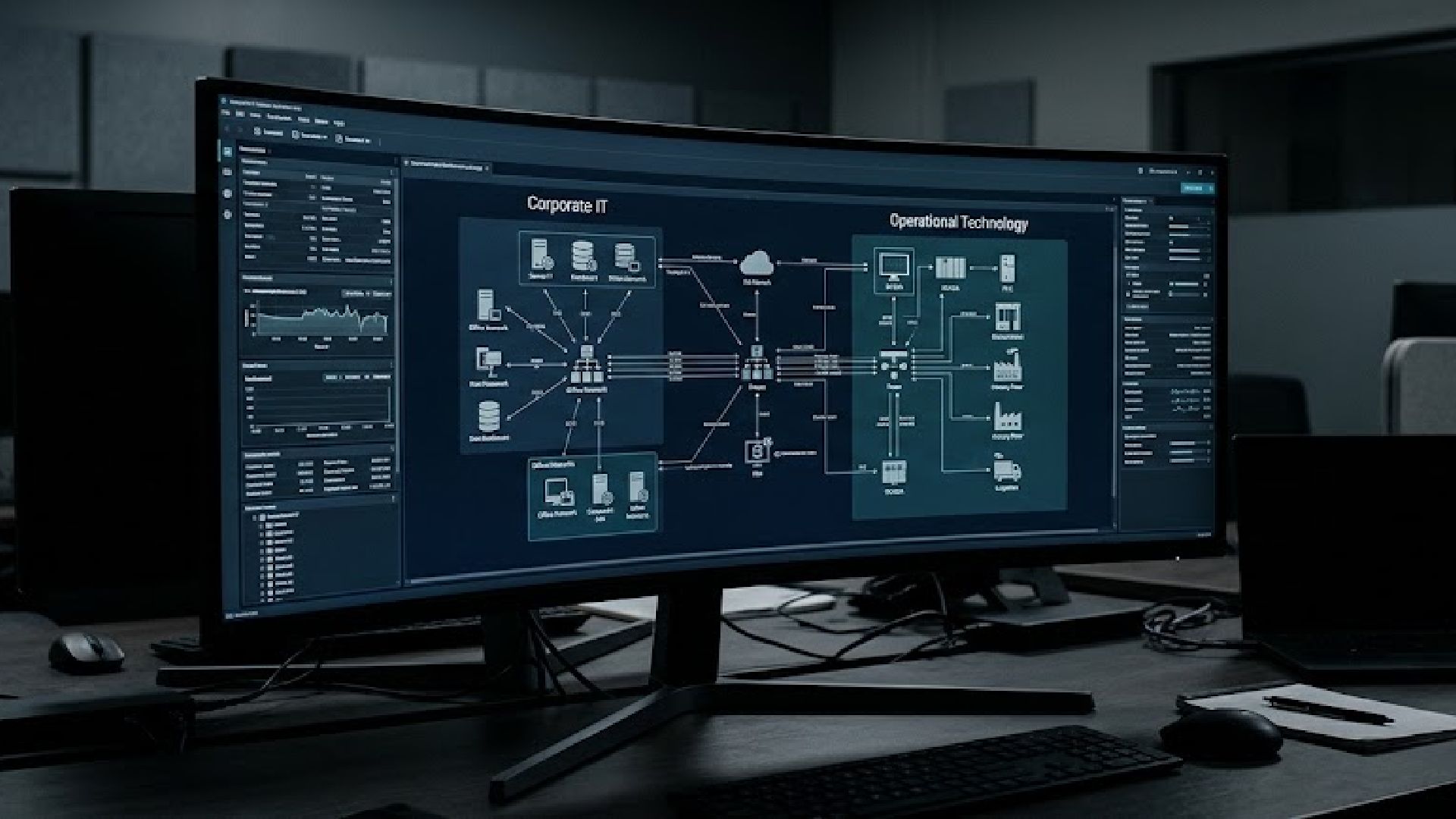
Baseline asset and leakage risk draws on pipe material, age, pressure, connections, failure history and consequence.

Flooding, slope instability, access disruption and temperature or soil conditions get layered onto each section where relevant.
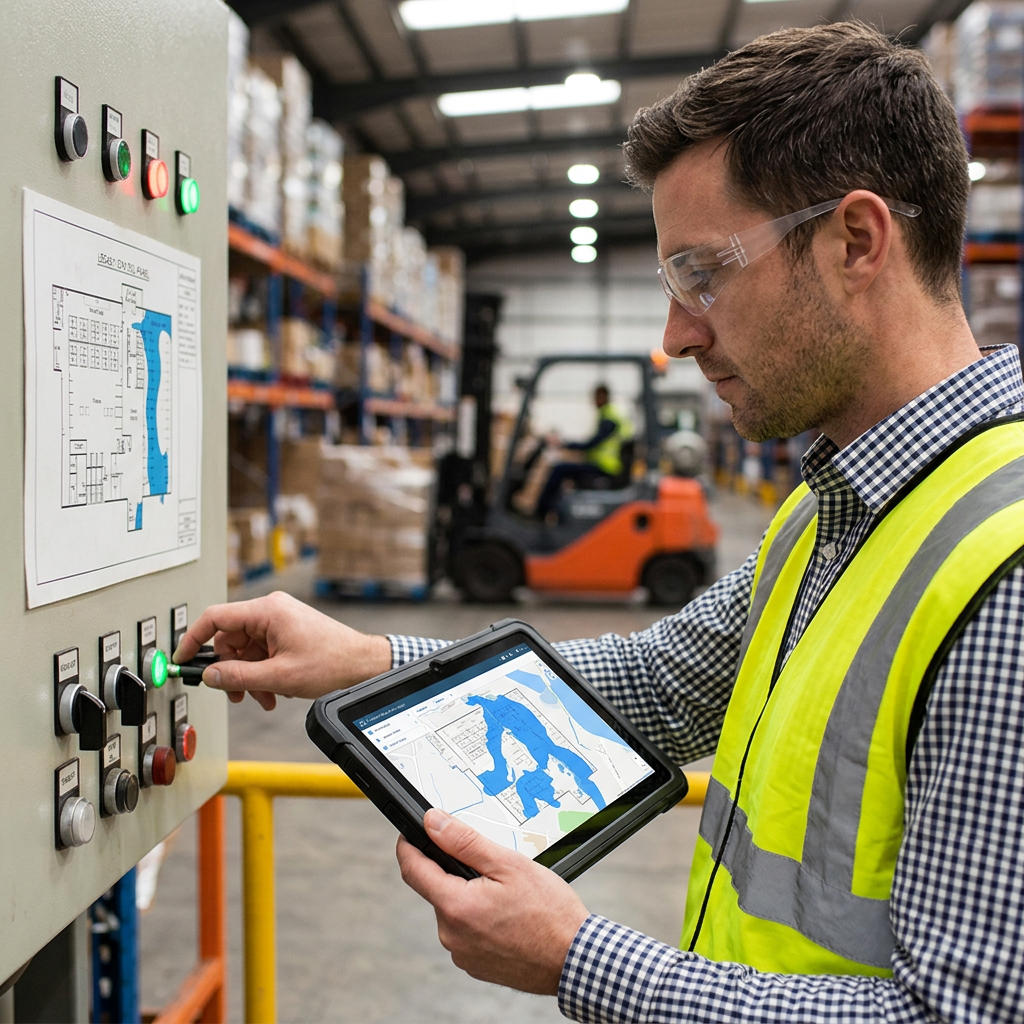
Inspection priority, patrol frequency and work sequencing change within regulatory constraints and your workforce capacity.
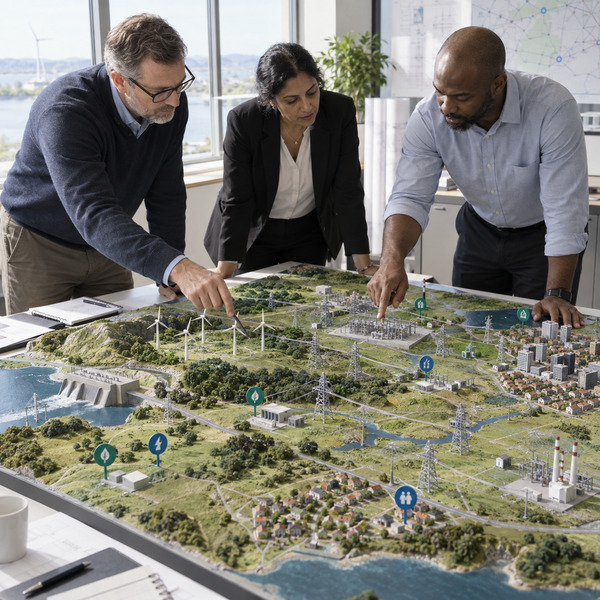
Your teams see whether high-risk sections get addressed on time and whether field findings confirm or challenge the risk model.
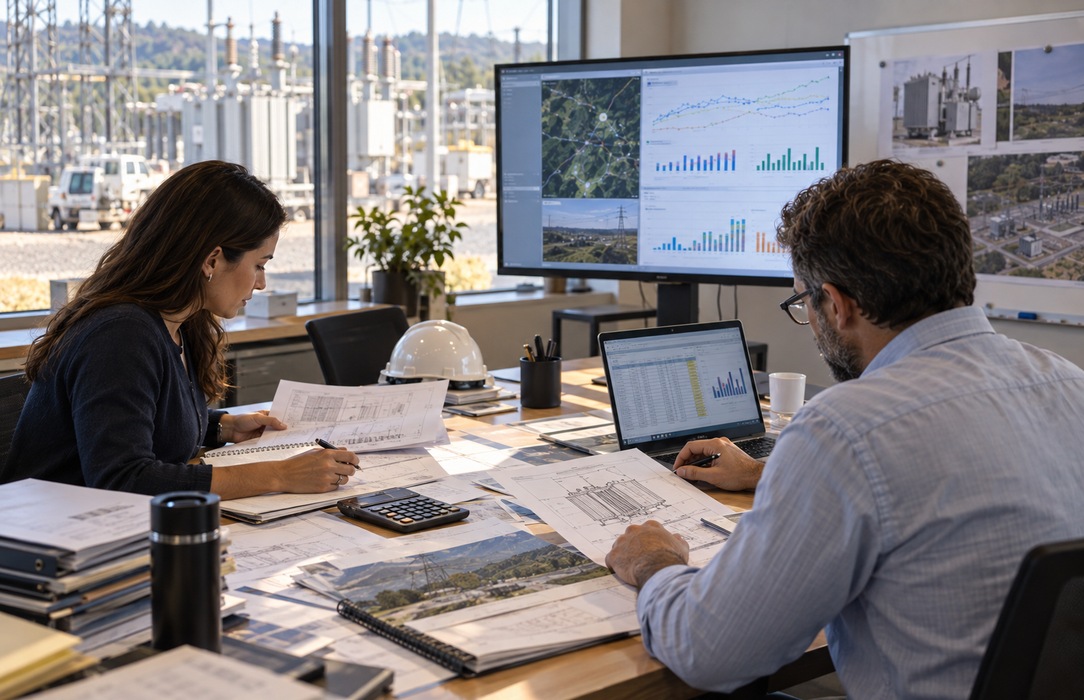
Embedded in your operational systems and accountabilities, each climate risk signal becomes a recorded decision, action and outcome.
Targets get set against your current inspection plan and confirmed as field findings come in.
Resources follow section-level risk, with climate exposure counted next to pipe condition.
Sections at risk of flooding or ground movement get reviewed before the next season.
Integrity, field planning and emergency preparedness share priorities and timelines.
Differentiated effort cuts visits to stable, low-consequence sections.
Start the conversation that brings climate risk into gas network inspection and maintenance.