- All Foundries

- Commodity Management & Trading

- Customer & Marketing Strategy

- Digital Engineering

- Station Studio

- Supply Chain & Industry 5.0
- Sustainability

- Physical AI

- Next-Generation Infrastructure






Drone-in-a-Box for Persistent Utility Inspection
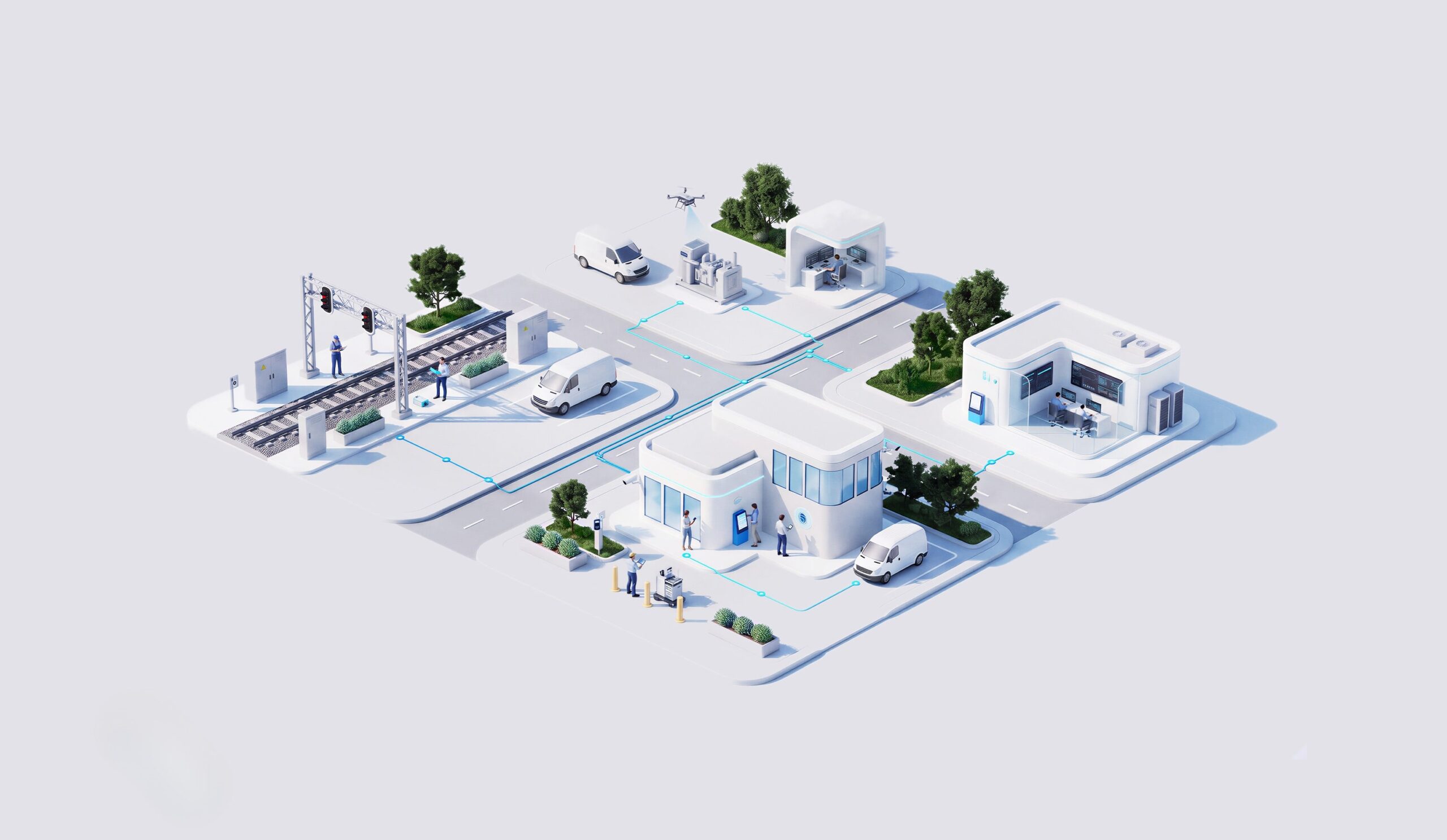
Recurring inspections are difficult to scale when every flight depends on manual mobilization, so utilities need a persistent model that combines autonomous missions, edge intelligence, asset context and governed human review. Scheduled patrols, alarm-triggered inspections and rapid post-event assessment build consistent data sets that can be compared over time, revealing vegetation growth, thermal anomalies or physical damage that occasional, manually organized flights would likely miss.
Docked drones launch on schedule, on alarm or after an event, building a consistent record instead of one-off flights.

Docked drones launch missions on their own, so people are no longer needed for every routine or alarm-triggered flight.
A docked drone can assess post-event damage automatically, well before a truck rolls or a technician is sent out.
A shared fleet of docked drones extends inspection coverage across more assets than manually organized missions ever could.
Repeatable routes and standardized sensing build a consistent record that manual, one-off inspections could never produce.
How NTT DATA helps
NTT DATA prioritizes inspection routes suitable for unattended missions, focusing autonomy where it delivers the most consistent value.
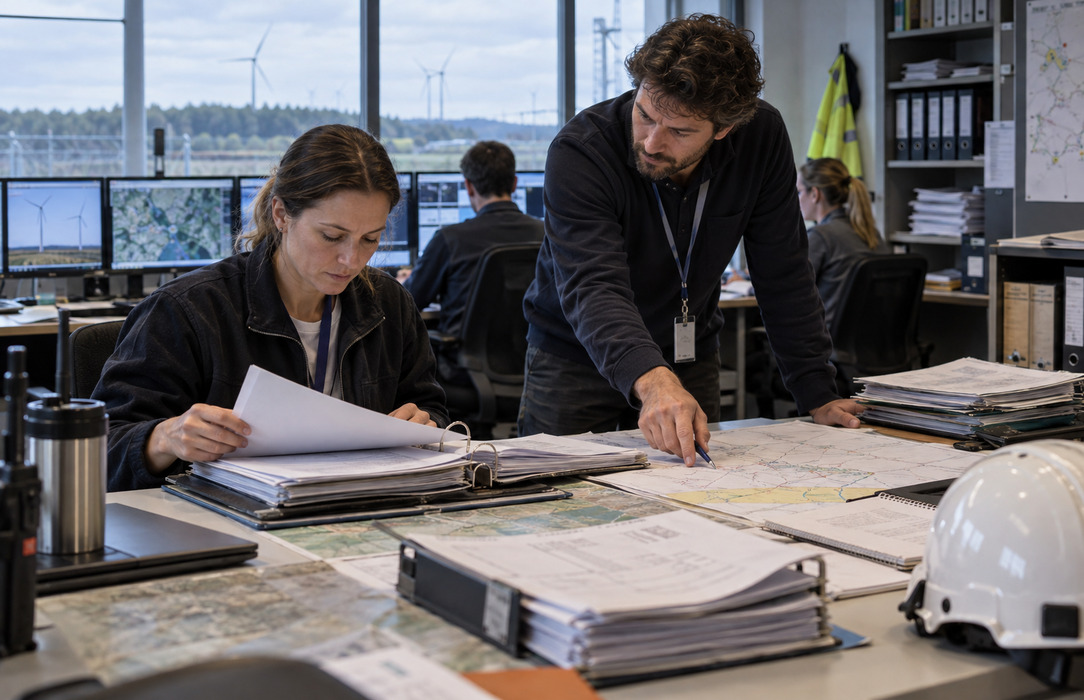
Docked drones are deployed with resilient connectivity and edge processing so missions launch and complete without manual intervention.
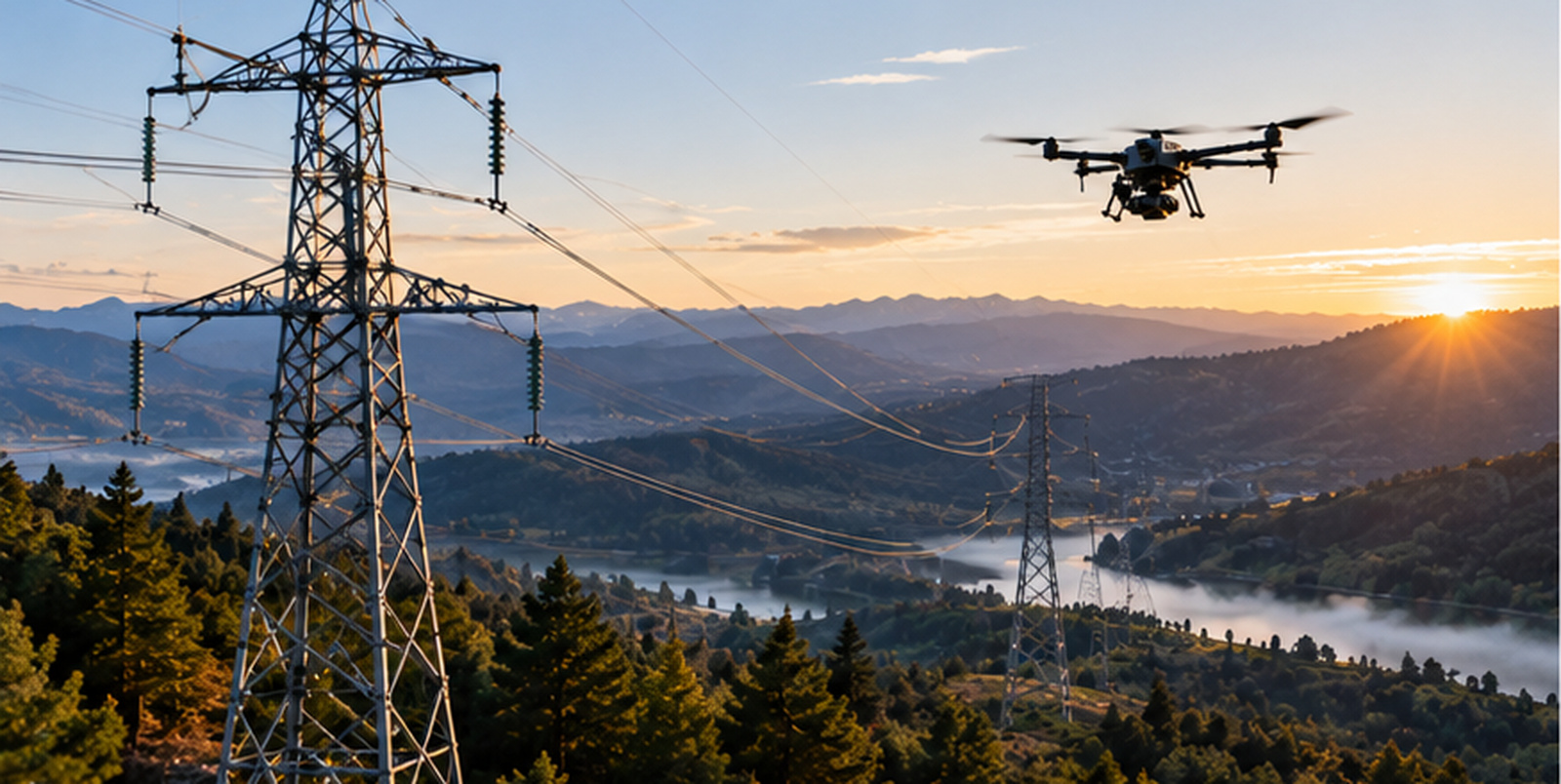
Mission planning, computer vision and asset or work-order systems are integrated so findings connect directly to maintenance decisions.

Fleet health, compliance, exceptions and human review are centralized so a growing drone fleet stays governed, not just automated.

Scheduled patrols, alarm-triggered inspections and post-event assessment are combined so missions launch exactly when they add the most value.


These targets are indicative: actual results depend on mission cadence and fleet size, and vary by site complexity and weather patterns.
Remote-operation availability is tracked from baseline through target, confirming docked drones are ready whenever a mission is triggered.
Cycle time is measured from the moment a mission triggers to the moment findings land in the maintenance queue.
Direct tracking shows how many close-up, hands-on inspections a docked fleet now removes from the workload entirely.
Autonomous mission success and exception rates are monitored so confidence in unattended flights grows on evidence, not assumption.
Deploy docked drones with edge processing and governed review so recurring inspections happen on their own, safely and consistently.