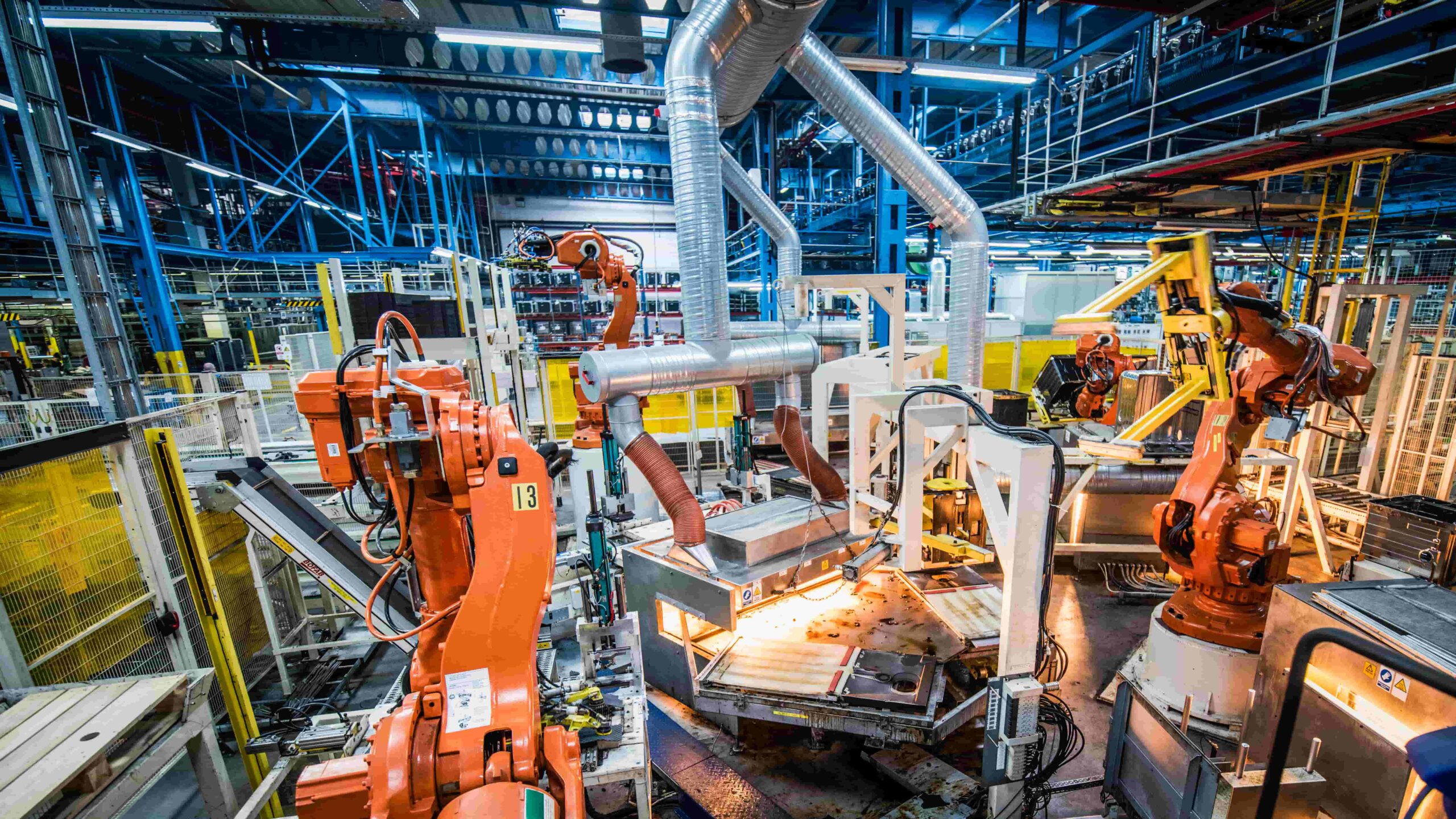
Industrial manufacturing facility with multiple robotic arms performing automated production tasks on an advanced assembly line
Talks that move

Autonomous Mobile Robots for Substations and Plants

Use autonomous mobile robots for repeatable inspection routes in substations and plants, reducing hazardous exposure while creating consistent visual, thermal, acoustic and environmental data.
Schedule a meeting
Listen podcast
-15
+15
0:00
/
0:00
Many inspection activities inside operational facilities are repetitive, time-consuming or hazardous. Mobile robots can extend inspection frequency and consistency without requiring personnel to enter every operational area.
Why THIS “Autonomous Mobile Robots for Substations and Plants” challenge?
Robotic inspection only creates value when reliable connectivity, mission control, asset context and work-process integration are designed together.

Repeatable routes and consistent sensing can improve anomaly detection and build a richer history of asset condition. In critical infrastructure, robots also require safe operating envelopes, remote supervision, reliable identity and fallback behavior when communications or AI confidence degrade.

Key benefits
Automating repetitive inspection routes can improve safety, inspection consistency and asset-condition visibility inside substations and plants.
check icon
Reduced exposure to repetitive or hazardous inspections

Robots can collect visual, thermal, acoustic and environmental information without requiring personnel to enter every operational area.

check icon
More frequent and consistent inspection routes

Repeatable missions create comparable observations over time and reduce variability in routine inspection execution.

check icon
Richer asset-condition history

Consistent sensing builds a stronger evidence base for anomaly detection and maintenance decisions.

check icon
Remote supervision with controlled autonomy

Mission control, edge connectivity and safe operating envelopes allow robots to operate with clear boundaries for human intervention.

How NTT DATA helps

01
Prioritize hazardous and repetitive inspection tasks

Identifies recurring routes and high-exposure activities where robotic inspection can improve safety, frequency and consistency.

Abstract autonomous IT architecture showing shared context, reusable capabilities, orchestration, observability and controlled execution integrated across a layered digital foundation.
02
Connect robots to edge compute and operational platforms

Provides the connectivity and local compute needed for visual, thermal, acoustic and environmental sensing to be processed and shared reliably.

Abstract telecommunications network showing different ownership, sharing and monetization states coordinated through a unified digital control mesh and standardized access points.
03
Integrate missions with EAM/work orders and asset context

Links robot missions and findings to asset records and maintenance workflows so detected anomalies can trigger operational follow-up.
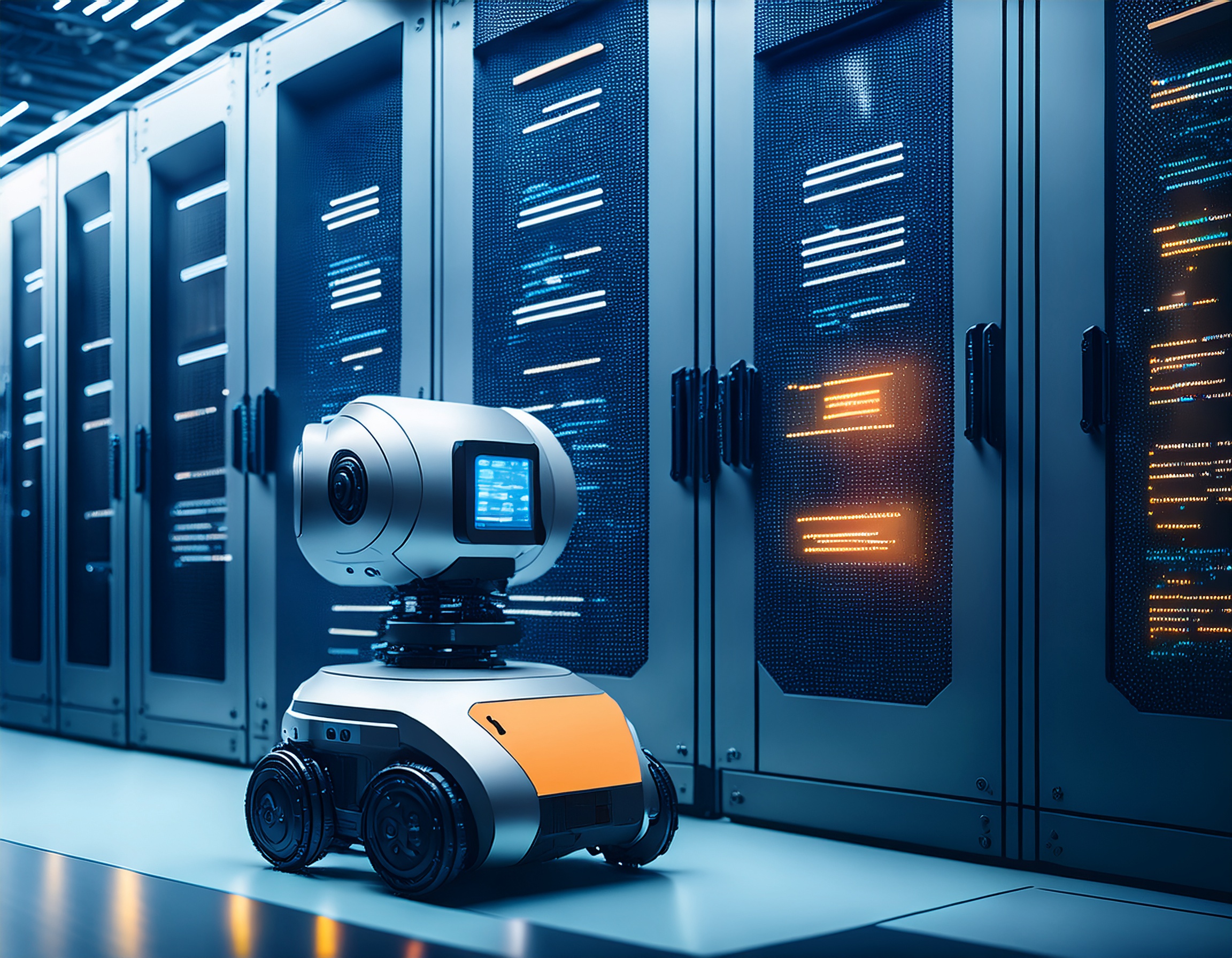
Small wheeled inspection robot with camera and screen moves along blue-lit server racks with glowing orange status lights in a data center.
04
Define safe operating envelopes and remote supervision

Establishes boundaries for local autonomy, remote control and human intervention, including safe states when connectivity or confidence degrades.
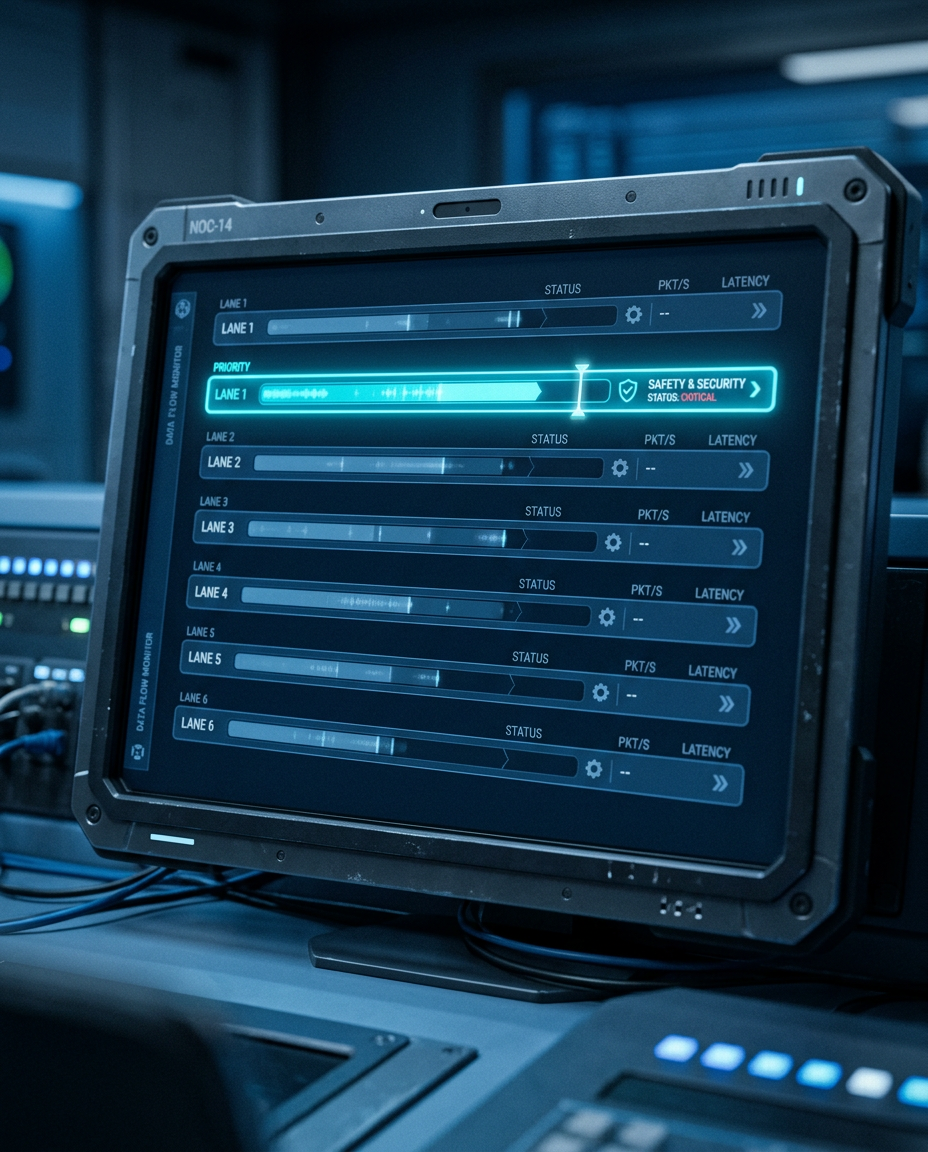
Rugged control monitor on a blue-lit industrial console showing data flow lanes, with Lane 1 highlighted for safety and security status.
05
Governance and operational integration

Fallback modes, safe states and clear boundaries between local autonomy, remote control and human intervention support reliable operations.


Professional using a tablet to monitor automated industrial equipment and operational performance in a digitally connected production environment.
White wheeled robot with a glowing blue camera scans server racks in a blue-lit data center with orange and cyan status lights.
Proven impact
From isolated connectivity to integrated operational capability

NTT DATA helps utilities industrialize this capability as part of the operating model. Autonomous mobile robots can perform recurring inspection routes in substations and plants while capturing visual, thermal, acoustic and environmental information.

Results that matter
Shifting routine inspection from manual site rounds toward supervised robotic missions while preserving safe states and human control.
check icon
Fewer personnel entries into hazardous areas

Recurring inspection tasks can be performed without exposing workers to every operational zone.

check icon
Higher inspection frequency

Autonomous routes allow routine observations to be collected more often without proportional growth in field effort.

check icon
A scalable path to selective autonomy

Defined operating envelopes, fallback modes and remote supervision support progressive autonomy as experience and confidence increase.

check icon
Better integration with maintenance workflows

Robot missions linked to EAM, work orders and asset context can turn observations into actionable maintenance activity.

Extend autonomous inspection across critical sites

Industrialize robotic inspection with reliable connectivity, mission control, asset context and safe remote supervision.
Drag