- All Foundries

- Commodity Management & Trading

- Customer & Marketing Strategy

- Digital Engineering

- Station Studio

- Supply Chain & Industry 5.0

- Sustainability

- Physical AI

- Next-Gen Infrastructure








Remote Operations for Offshore and Hard-to-Reach Energy Assets
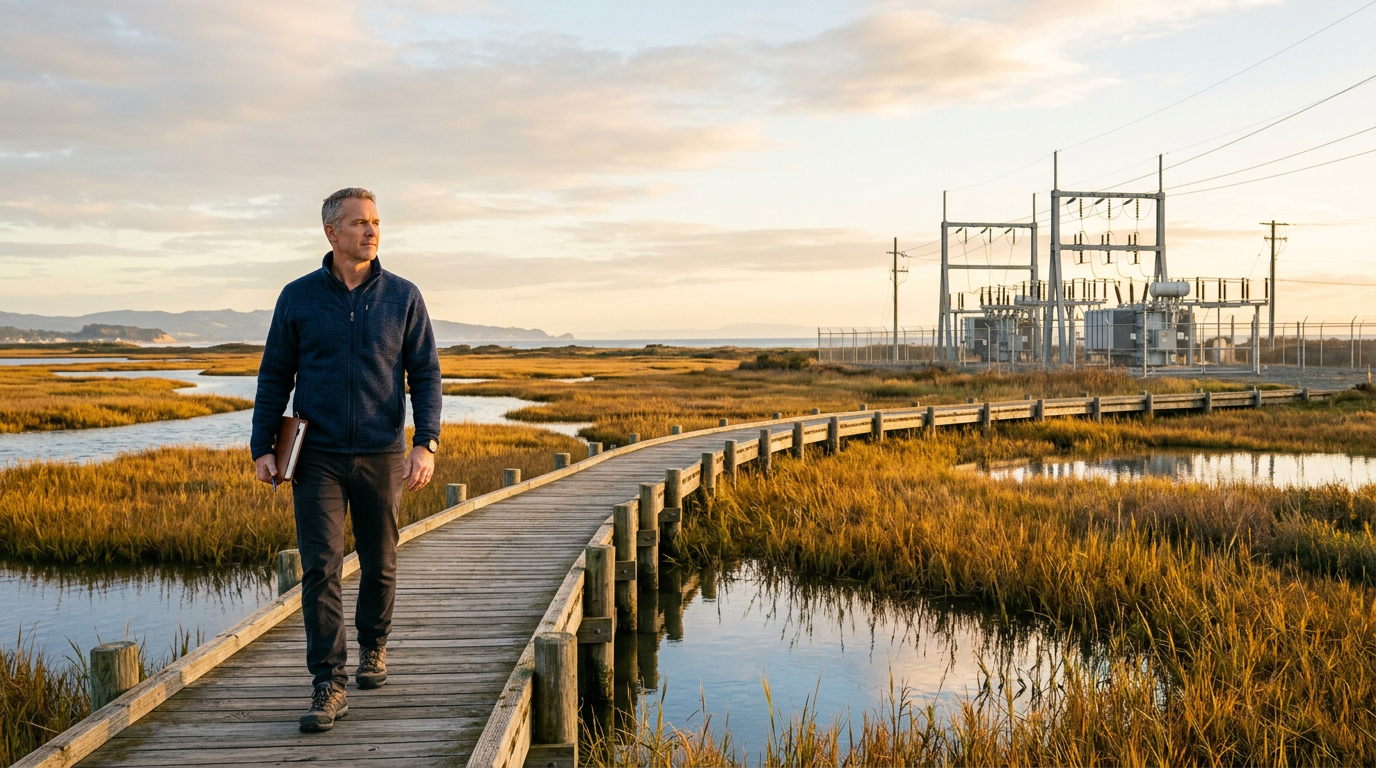
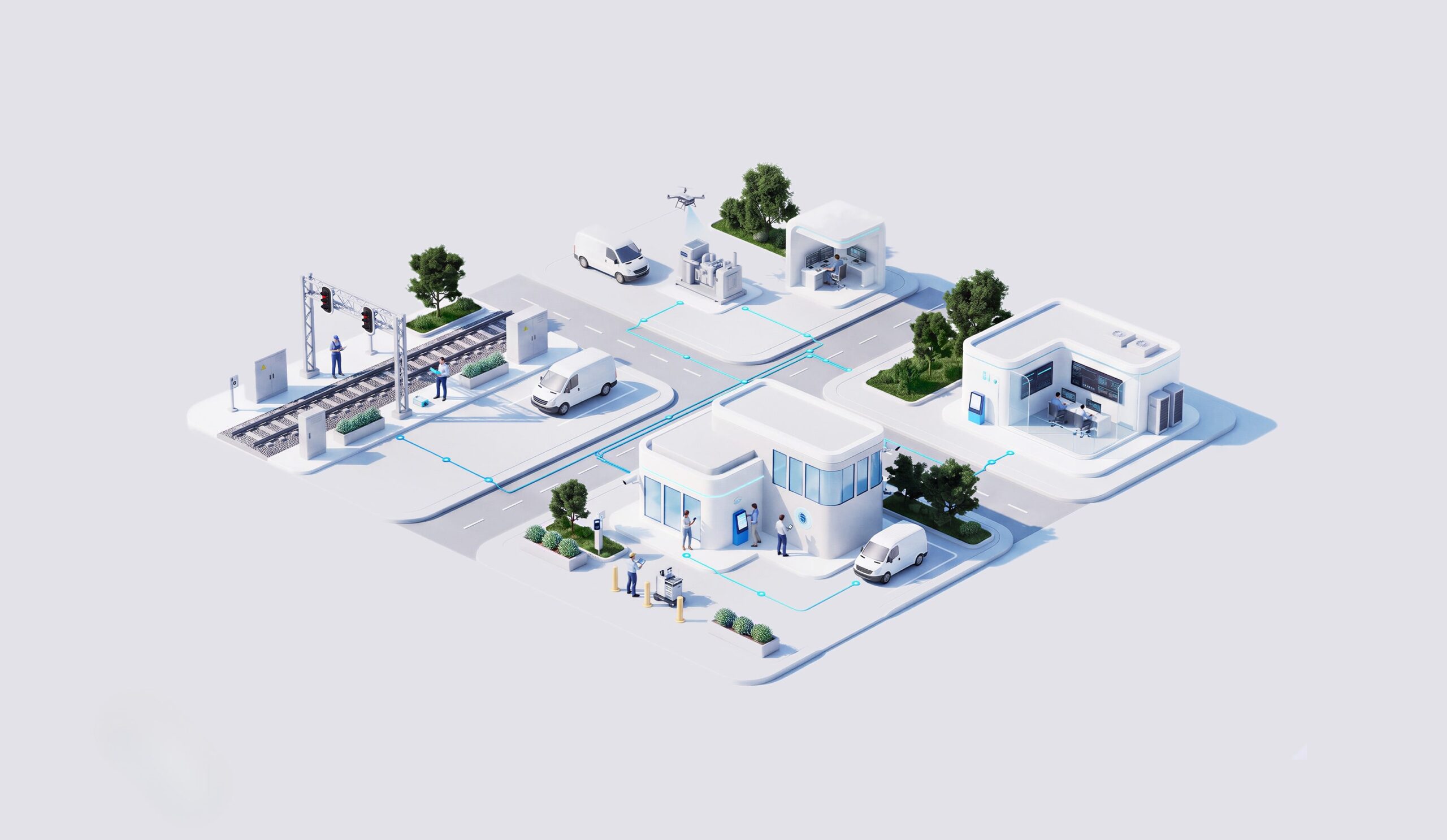
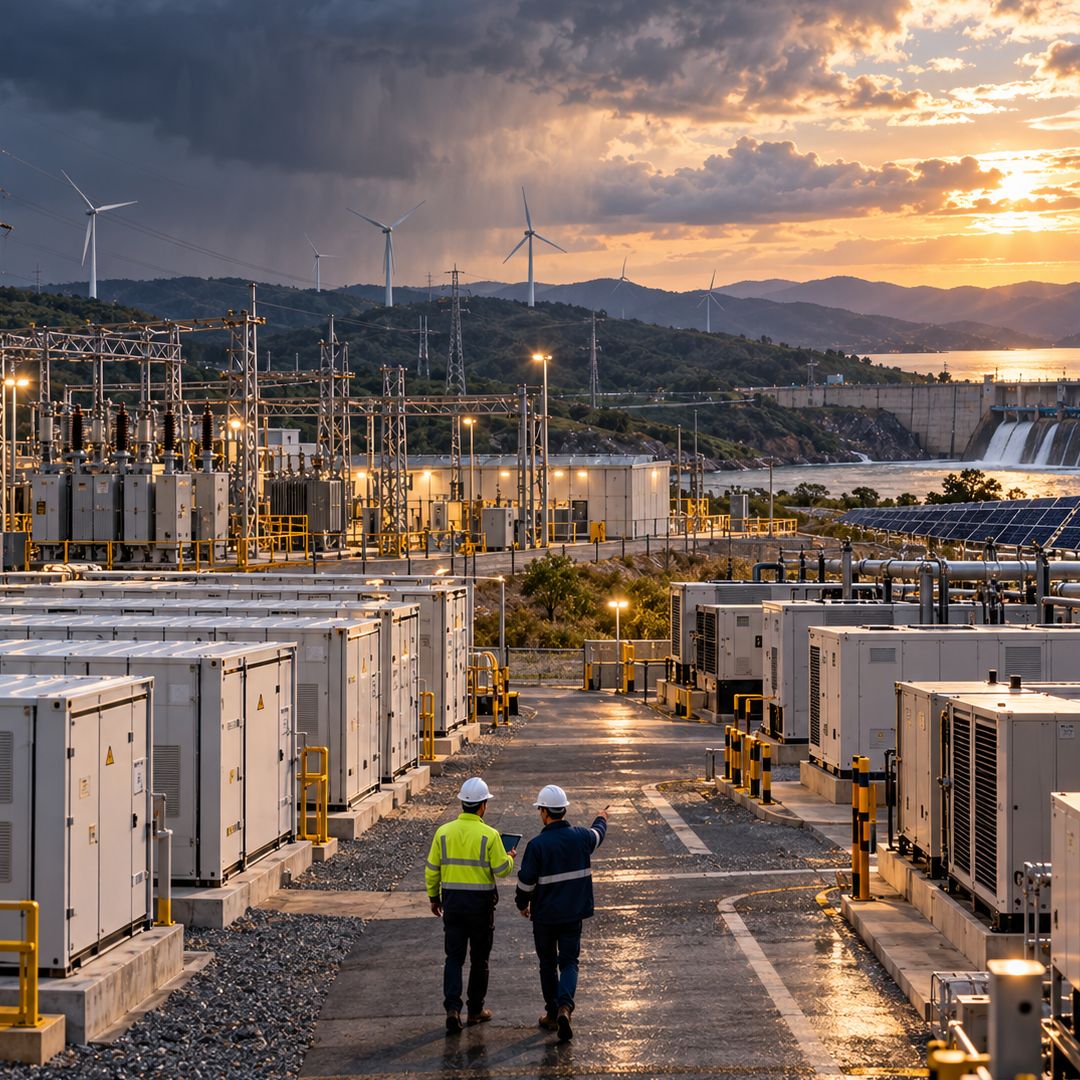
Remote operations can integrate live data, video, edge intelligence and asset systems so teams can diagnose conditions and coordinate work before sending specialists on site. Resilient connectivity and fallback procedures are essential because weather, terrain and communications conditions may vary significantly.

Live data, video and sensing allow teams to assess conditions remotely before mobilizing specialist crews.
Remote supervision lowers unnecessary journeys to offshore, isolated or difficult-to-reach facilities.
Remote expert workflows allow specialists to support more sites without being physically present at each location.
Combining resilient communications and edge intelligence supports operational continuity despite distance and variable connectivity.
How NTT DATA helps
Prioritizes activities by access risk, operational criticality and communications limitations across offshore and hard-to-reach locations.
Enables local processing and remote expertise to work together even where backhaul capacity, weather or terrain constrain normal operations.

Brings operational feeds and asset context into remote workflows so specialists can assess conditions before crews are dispatched.

Defines responsibilities, fallback modes and support processes for reliable remote operation across geographically dispersed assets.

Fallback modes, safe states and clear boundaries between local autonomy, remote control and human intervention support reliable operations.
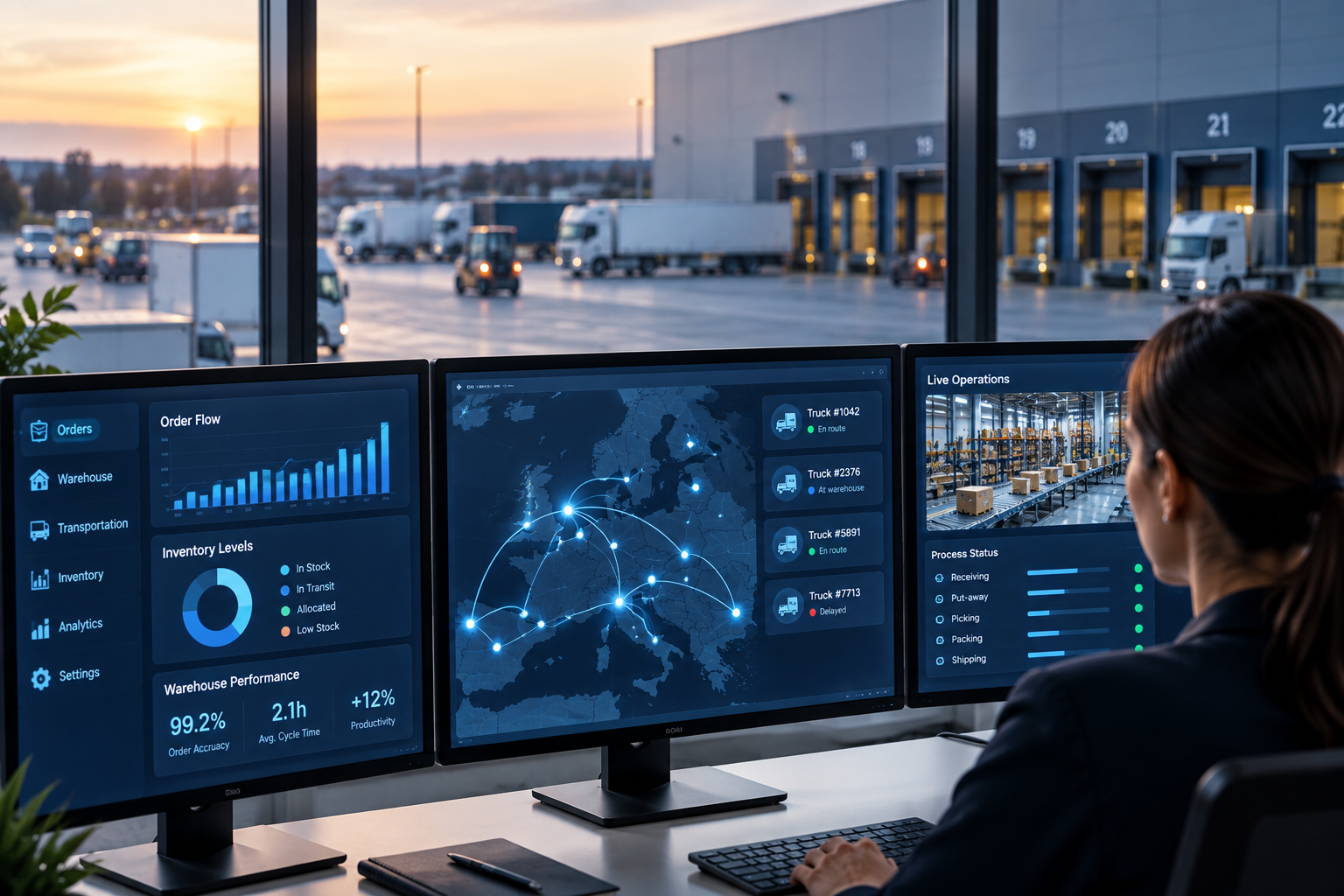

NTT DATA helps utilities industrialize this capability as part of the operating model. Remote operations combine communications, sensing and local intelligence so assessment and coordination can occur before specialist crews are dispatched.
More assessment and coordination can be completed remotely before deciding whether a crew must travel.
Remote teams can involve scarce experts in operational decisions across geographically dispersed assets.
Live operational context helps teams understand issues and prepare interventions before arriving on site.
Remote operations reduce the frequency with which personnel must travel to offshore or isolated environments.
Combine resilient connectivity, edge intelligence and remote expertise to operate offshore and hard-to-reach assets more effectively.