- All Foundries

- Commodity Management & Trading

- Customer & Marketing Strategy

- Digital Engineering

- Station Studio

- Supply Chain & Industry 5.0

- Sustainability

- Physical AI

- Next-Gen Infrastructure

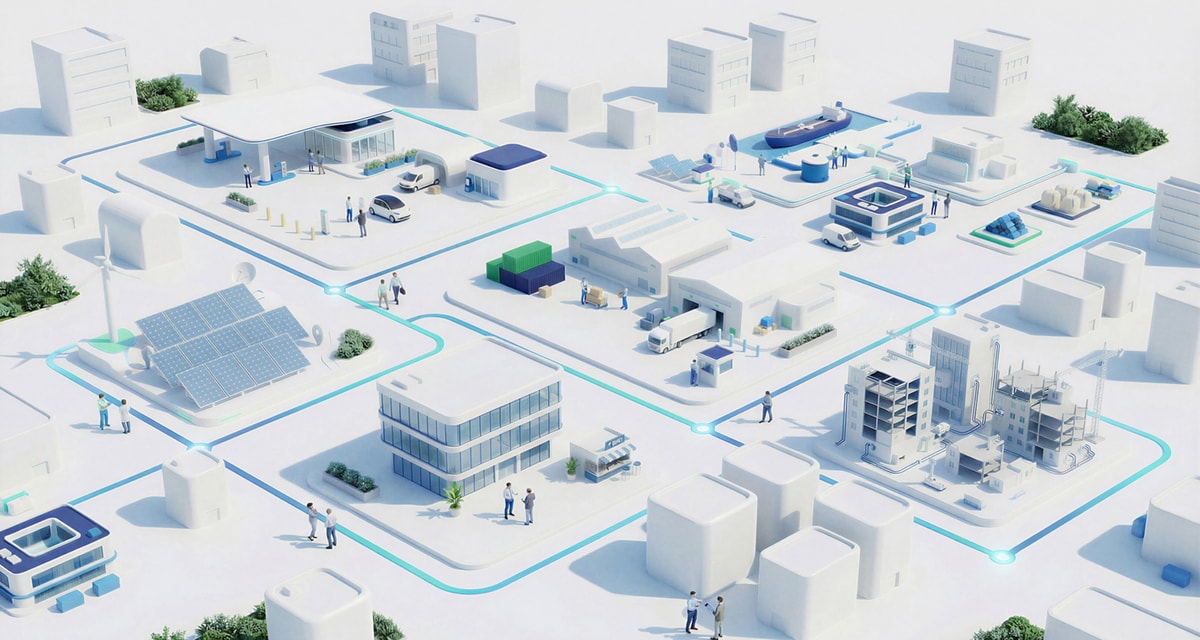

Connected Substations as Smart Operational Sites
Connectivity must be designed together with device identity, asset records, security and lifecycle management. Otherwise, independently deployed technologies can create fragmented ownership, inconsistent data and blind spots between the applications used by control, maintenance and field teams.

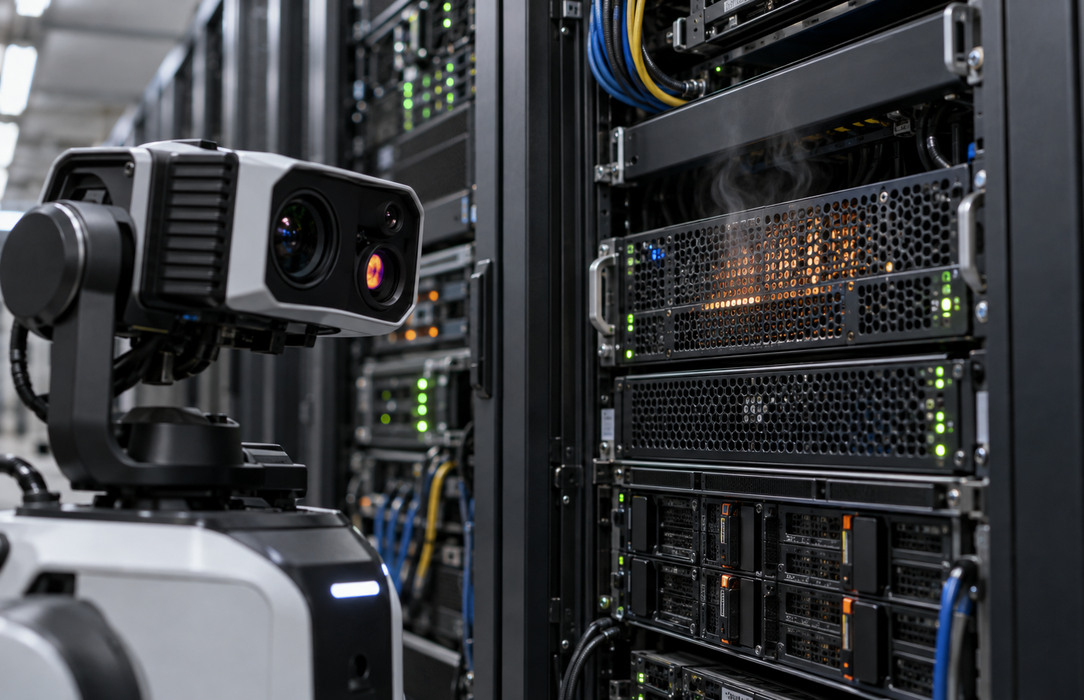
Sensors, cameras, mobile devices and asset context provide a more complete view of site conditions.
Reliable connectivity and local compute enable operational teams to assess conditions and support field activity remotely.
A common architecture aligns protection, automation, sensing, video, edge and field connectivity requirements.
Common governance for identity, security and lifecycle responsibilities reduces fragmented ownership and support complexity.
How NTT DATA helps
Identifies site-specific connectivity requirements, coverage gaps and integration needs across protection, automation, sensing, video and field operations.

Defines a common architecture for reliable site connectivity and local compute, with security appropriate for operational environments.

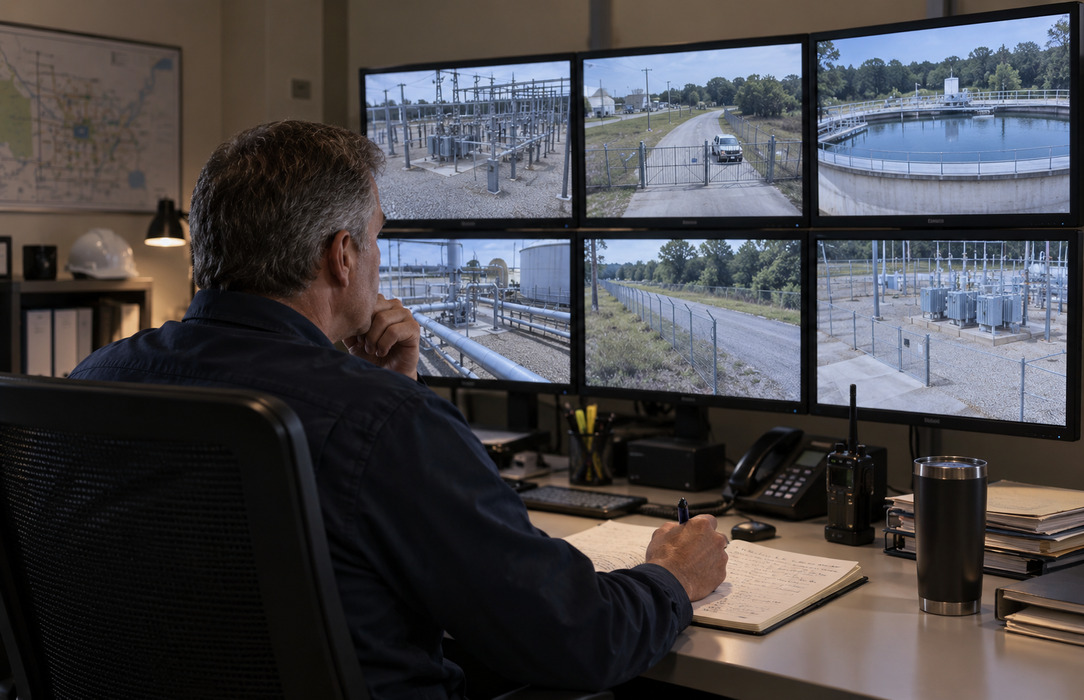
Brings site data together to improve condition awareness, remote support and coordination between control, maintenance and field teams.
Aligns identity, security, asset records and lifecycle responsibilities to avoid fragmented ownership and inconsistent site operations.
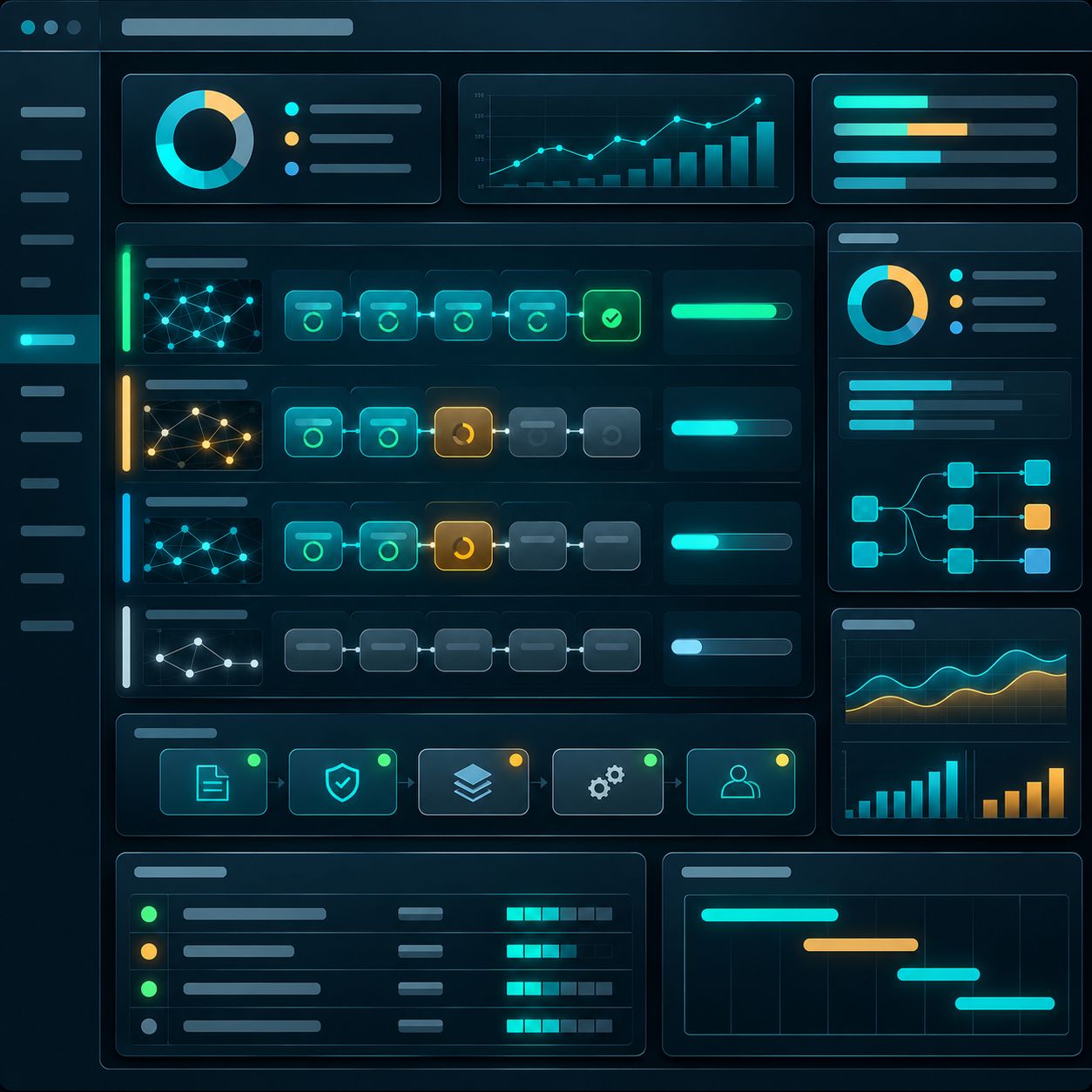
Device identity, data quality, asset records, security and lifecycle management are aligned with operational workflows and systems.
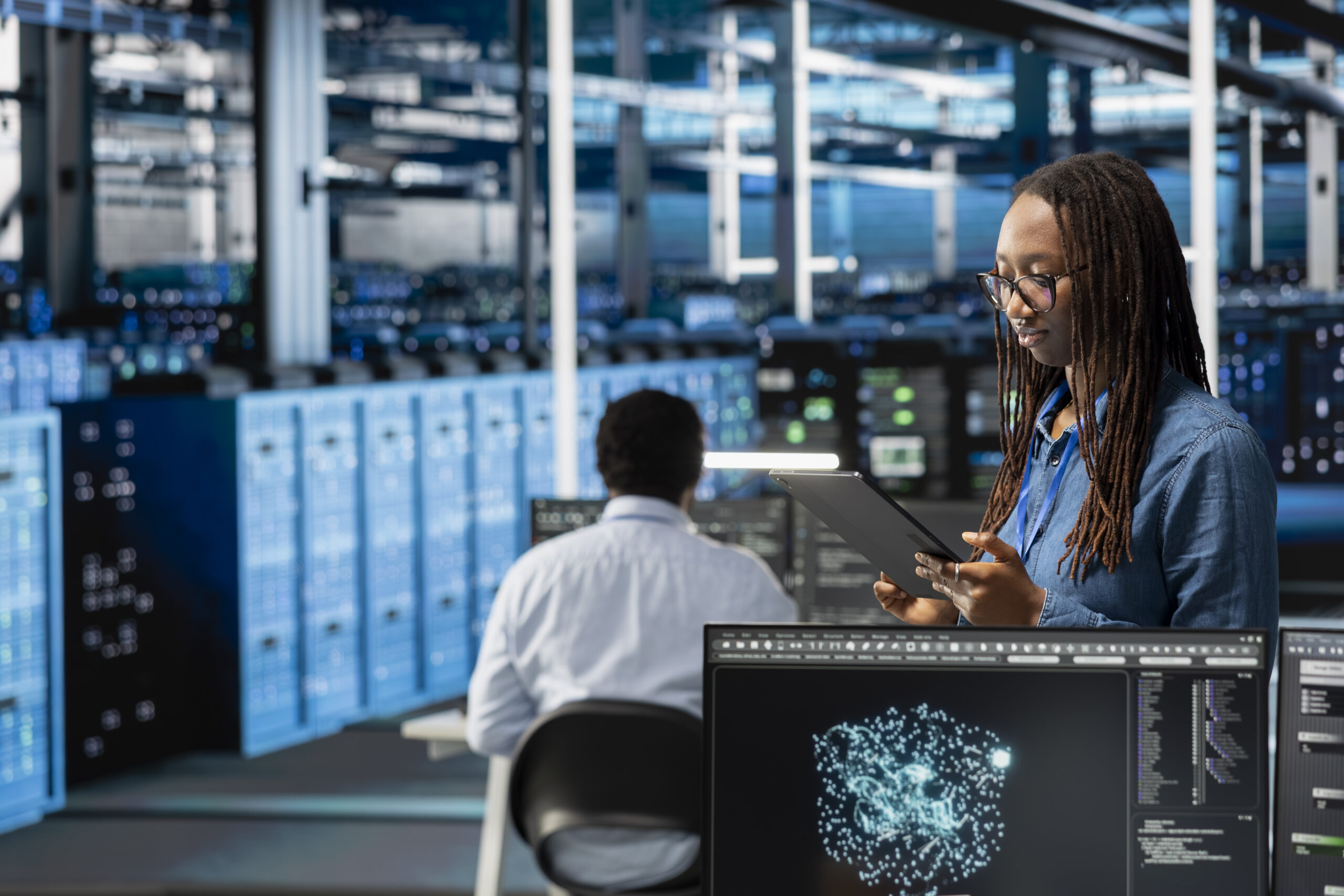
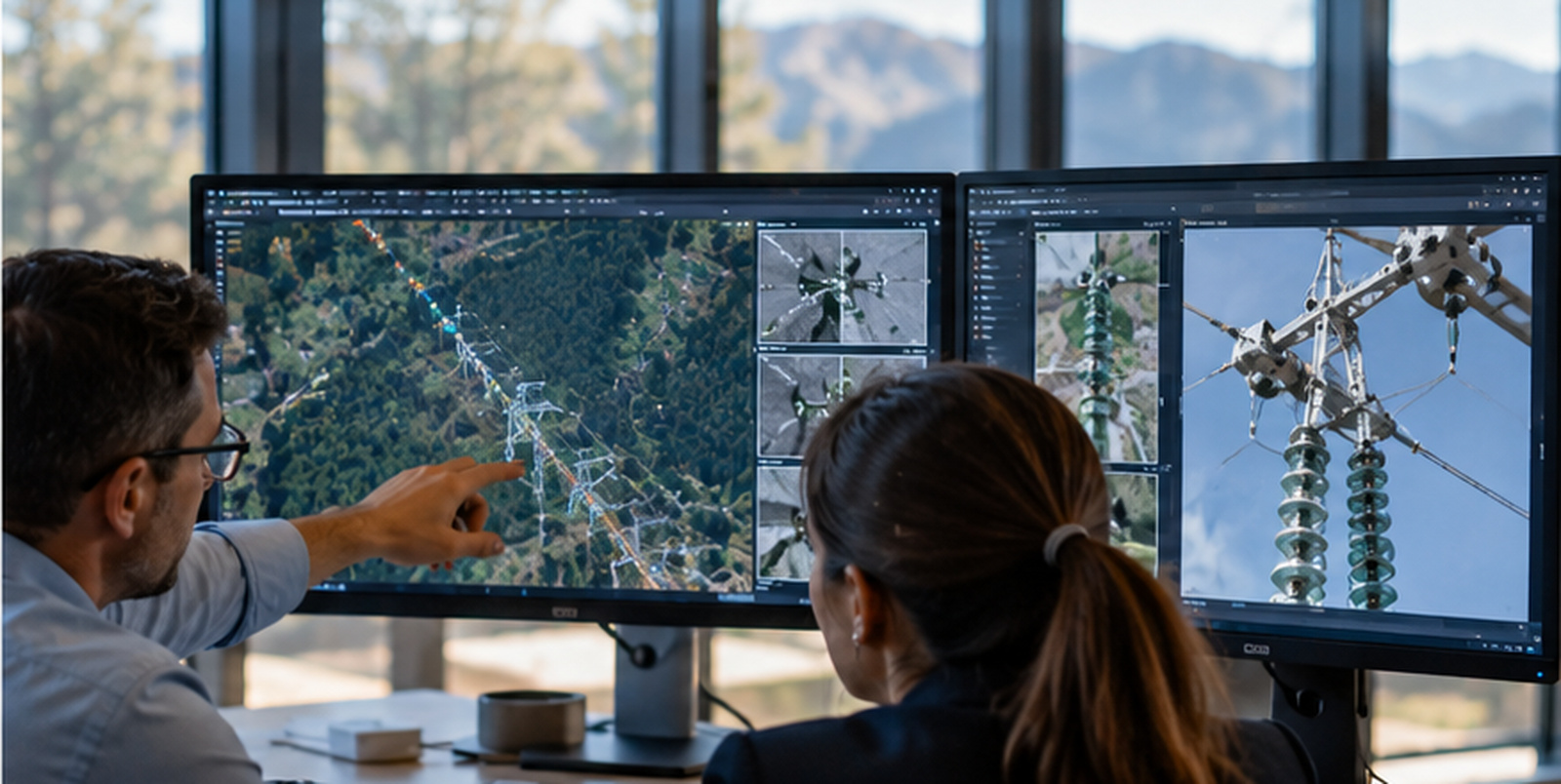
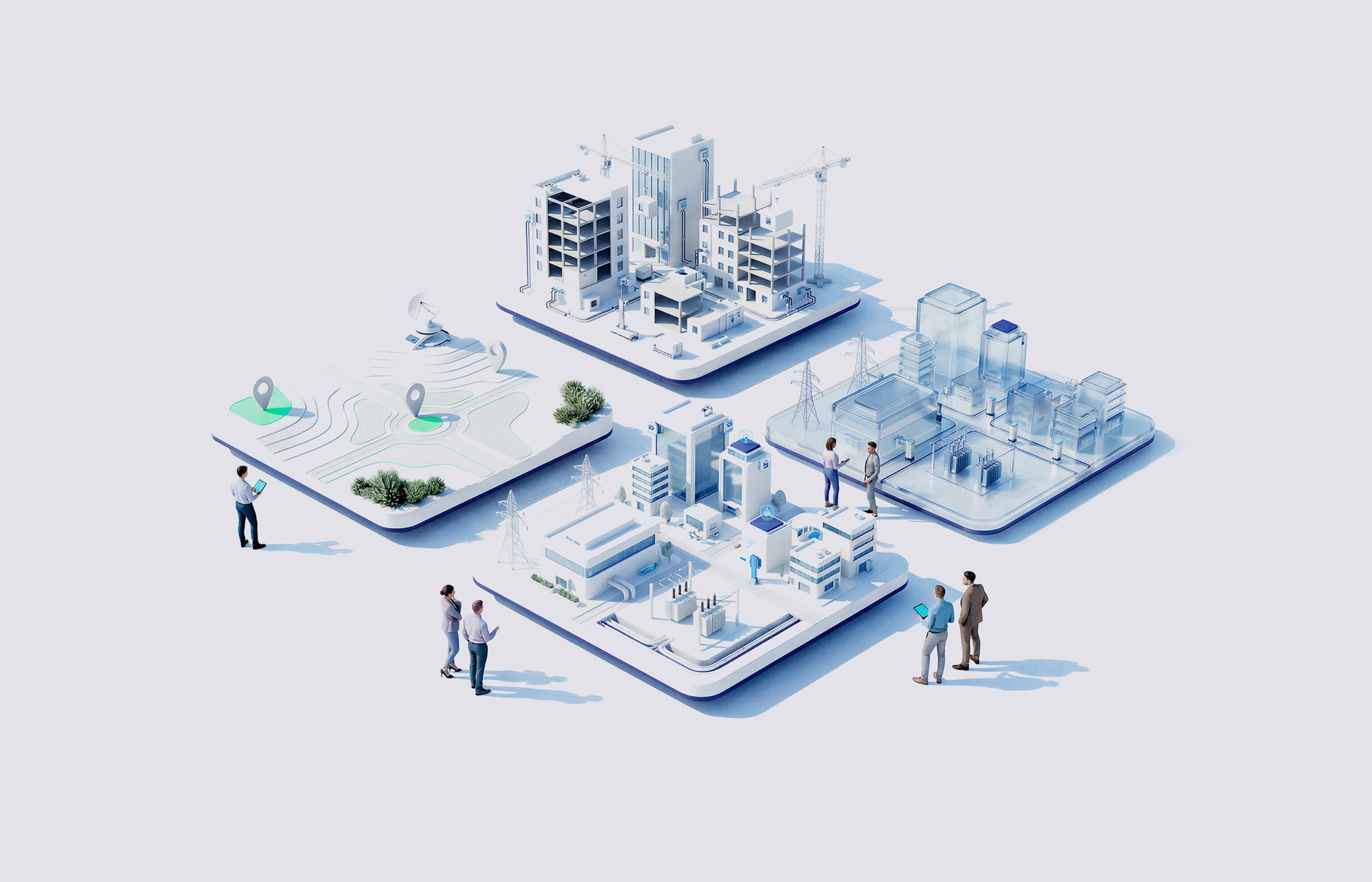
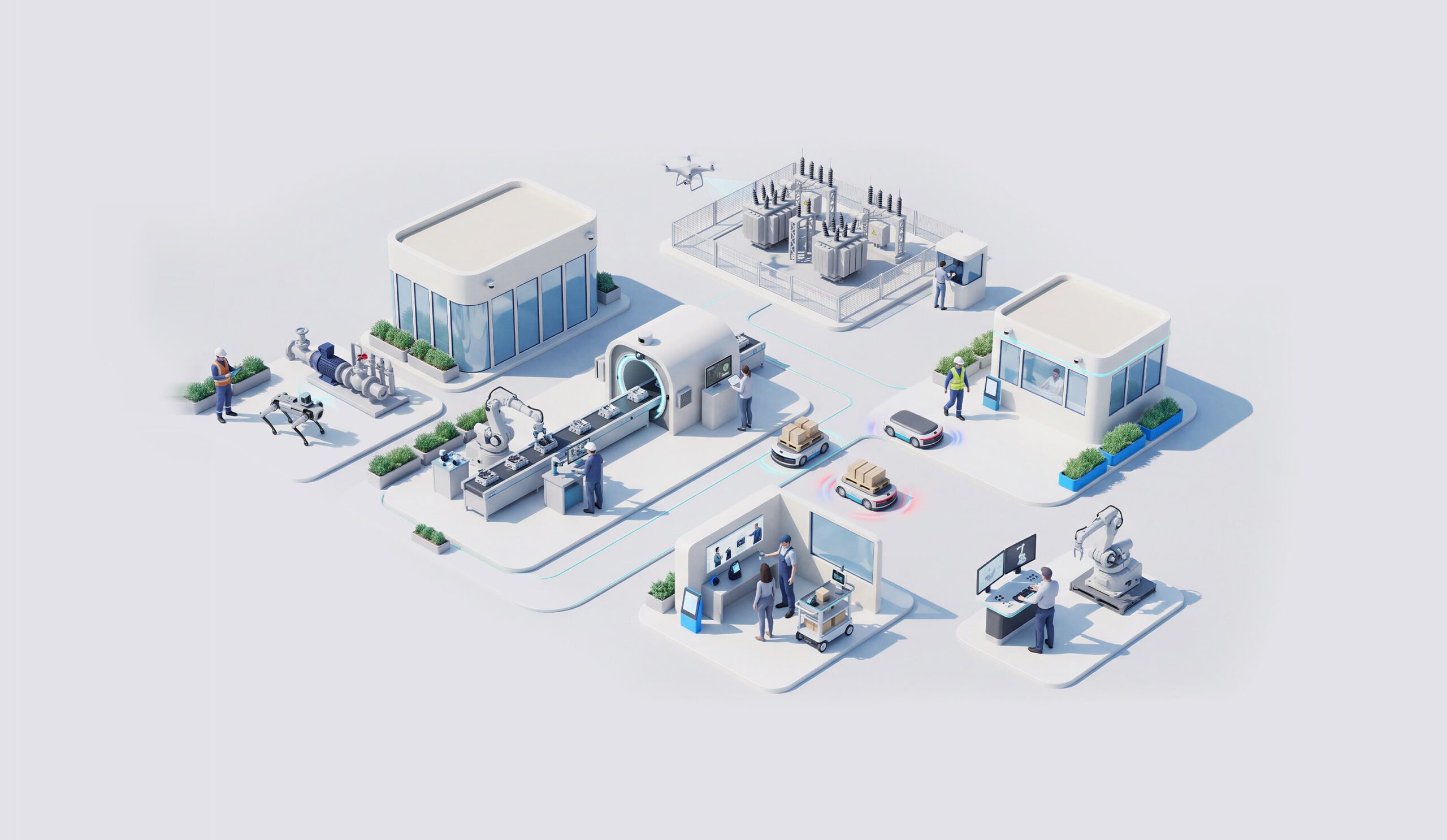
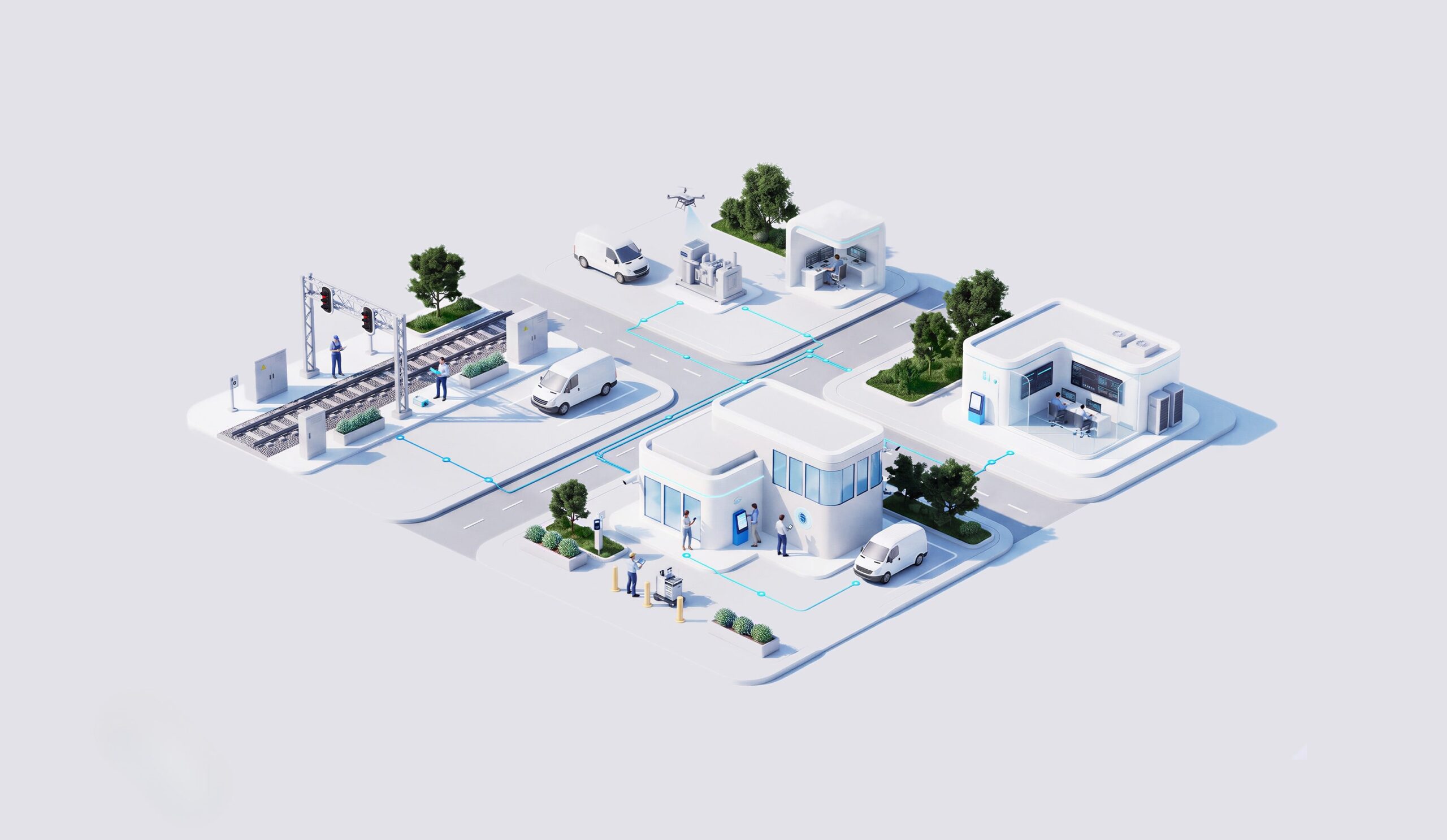
NTT DATA helps utilities industrialize this capability as part of the operating model. Sensors, cameras, mobile devices, local compute and communications services can turn substations into digitally observable operational nodes.
Integrated sensing and video make operational events visible sooner to teams inside and outside the substation.
Remote condition awareness and support allow some checks and diagnostics to be completed before dispatching personnel.
Shared site context improves preparation and execution of maintenance and operational interventions.
Common governance reduces blind spots created by independently managed devices, connectivity and applications.
Create a secure connected-site architecture that integrates sensing, video, edge and field connectivity across substations.