- All Foundries

- 商品管理と取引

- 顧客とマーケティング戦略

- デジタルエンジニアリング

- ステーション・スタジオ

- サプライチェーン&インダストリー5.0
- サステナビリティ

- Physical AI

- Next-Gen Infrastructure












Capture mining expertise before turning judgment into algorithms
Which alternatives are still physically possible? Which constraint will bind first? What consequence can the mine tolerate? When does a workaround become a chain-level decision?
Making the reasoning explicit does not reduce the role of experts. It preserves what makes their judgment valuable.

It preserves what makes expert judgment valuable and makes it available beyond a single person or a single operating event.
The operation can distinguish the parts of the decision that are stable from those that still require experience to resolve.
Which signals matter, how alternatives are generated and what constraints eliminate an option become visible and reusable
A credible path opens from tacit expertise to decision support, recommendation and eventually bounded autonomy, step by step.
NTTデータのサポート体制は?
Use real operating situations to capture what changed, what the expert noticed, which alternatives appeared and what made some of them unacceptable.
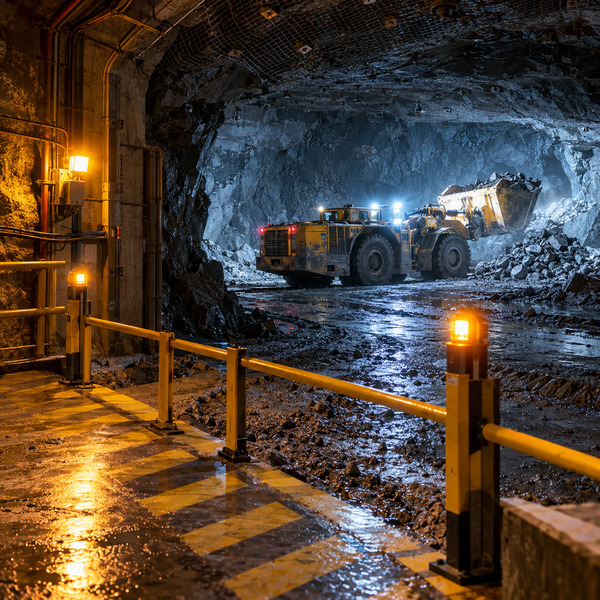
Make visible the constraints, objectives, trade-offs, time limits and authority boundaries that shape the choice.
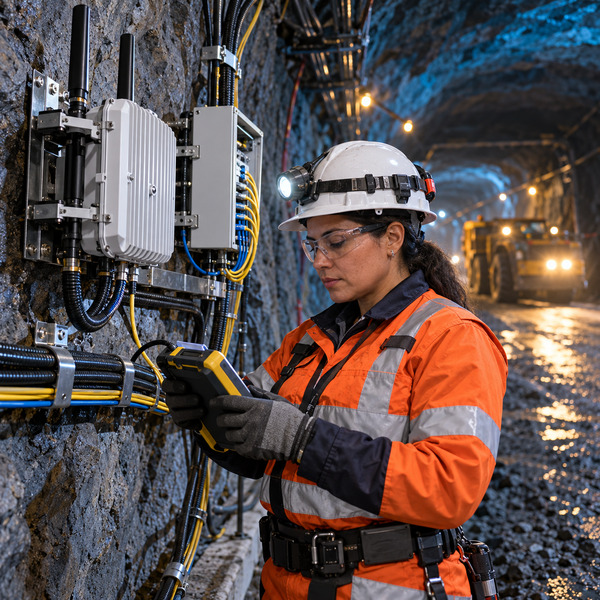
Connect Dispatch, planning, asset, material and process information so the decision can be reconstructed from the operating reality the expert uses.
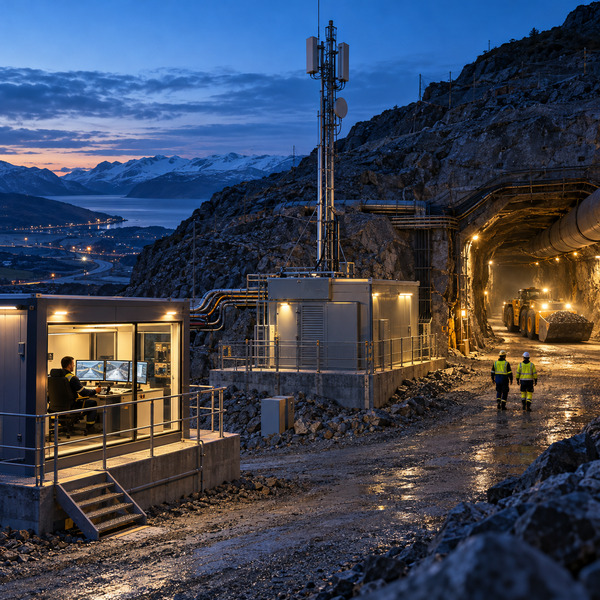
Simulation, optimization and analytical models can compare trajectories and consequences while the expert remains responsible for the decision.
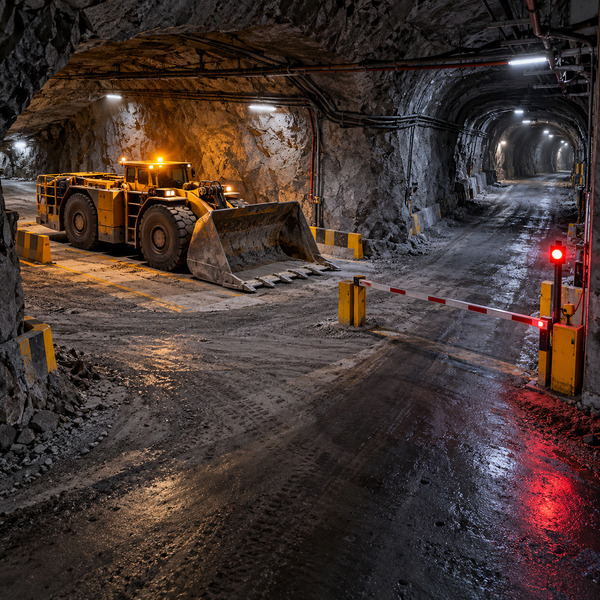
AI can help retrieve analogous situations, surface relevant constraints and recommend alternatives within a known operating envelope.
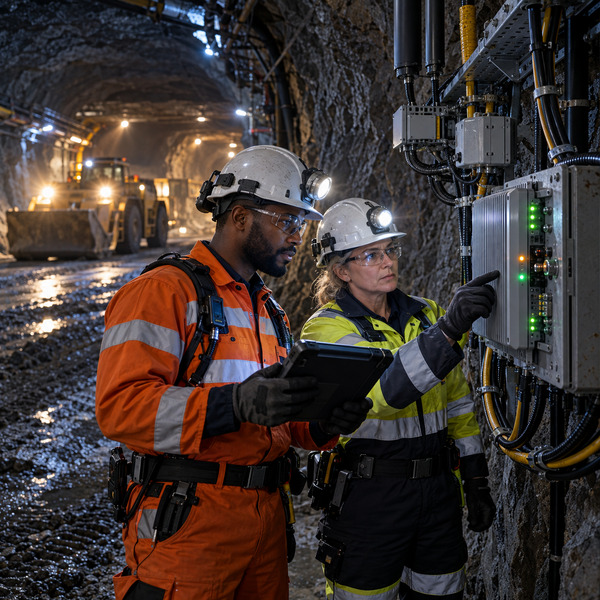
As patterns prove repeatable, selected parts of the response can move toward supervised execution or bounded autonomy; novel exceptions return to people.
What is not automatically visible is the logic that compares alternatives, commits one response and verifies the result – exactly what a future decision-support system would need to reproduce.
The algorithm should inherit a decision architecture, not reverse-engineer expertise after it has disappeared.
Expert judgment becomes something the operation can observe, preserve, test and progressively reuse, not just admire once.
The objective is not to convert intuition into code as quickly as possible, but to understand the reasoning before automating it.
The response to the disrupted circuit becomes more valuable when the mine can understand why it worked, beyond solving the event.
The operation can recognize when the same expert logic applies again, retrieving analogous situations and the constraints that matter.
Explore how reconstructing expert decisions can create a credible path from tacit judgment to bounded autonomy in mining.