


- All Foundries

- Commodity Management & Trading

- Customer & Marketing Strategy

- Digital Engineering

- Station Studio

- Supply Chain & Industry 5.0
- Sustainability

- Physical AI

- Next-Generation Infrastructure



Autonomous Robotic Arm with Digital Twin
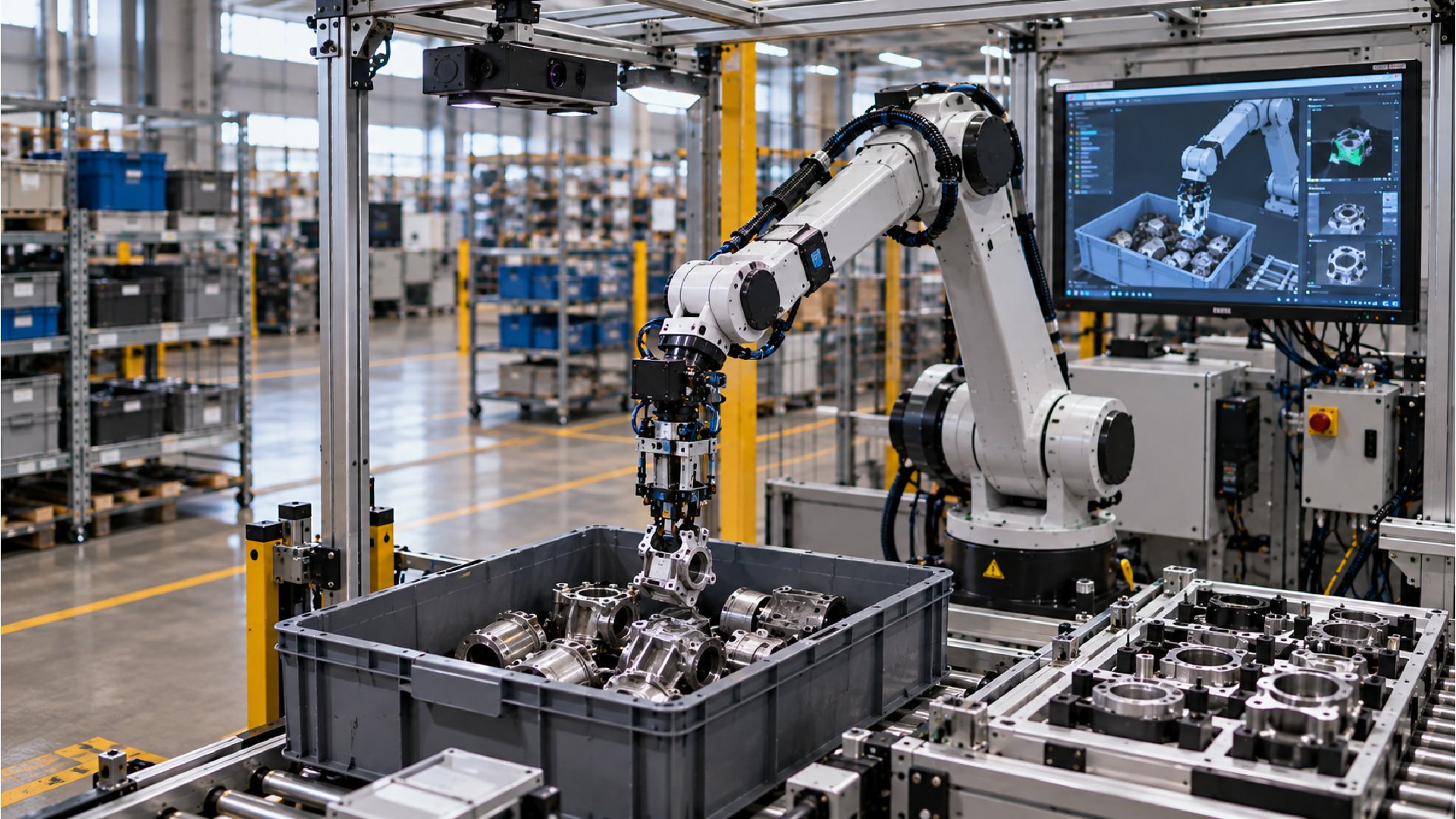
Autonomous pick-and-place requires more than replacing repetitive labor with a robotic arm. The system must recognize where an object is located, determine how to reach it and reproduce physical behavior accurately inside the virtual environment. Connecting real operational data with simulation creates a controlled setting for refining movements before they affect live manufacturing or logistics processes.
The connected physical and virtual environments help operators improve robotic behavior while keeping testing and refinement away from live production whenever possible.

Object pose estimation gives the robotic arm position and orientation data needed to approach targets with more precise and repeatable handling.
Operators can review robotic actions in simulation and identify movement issues before applying the same behavior to the physical system.
Moving part of the testing process into the virtual environment helps limit disruption associated with direct experimentation on operating equipment.
Reinforcement learning supports autonomous calculation of goal-directed arm movements for repetitive tasks involving different target positions.
How NTT DATA helps
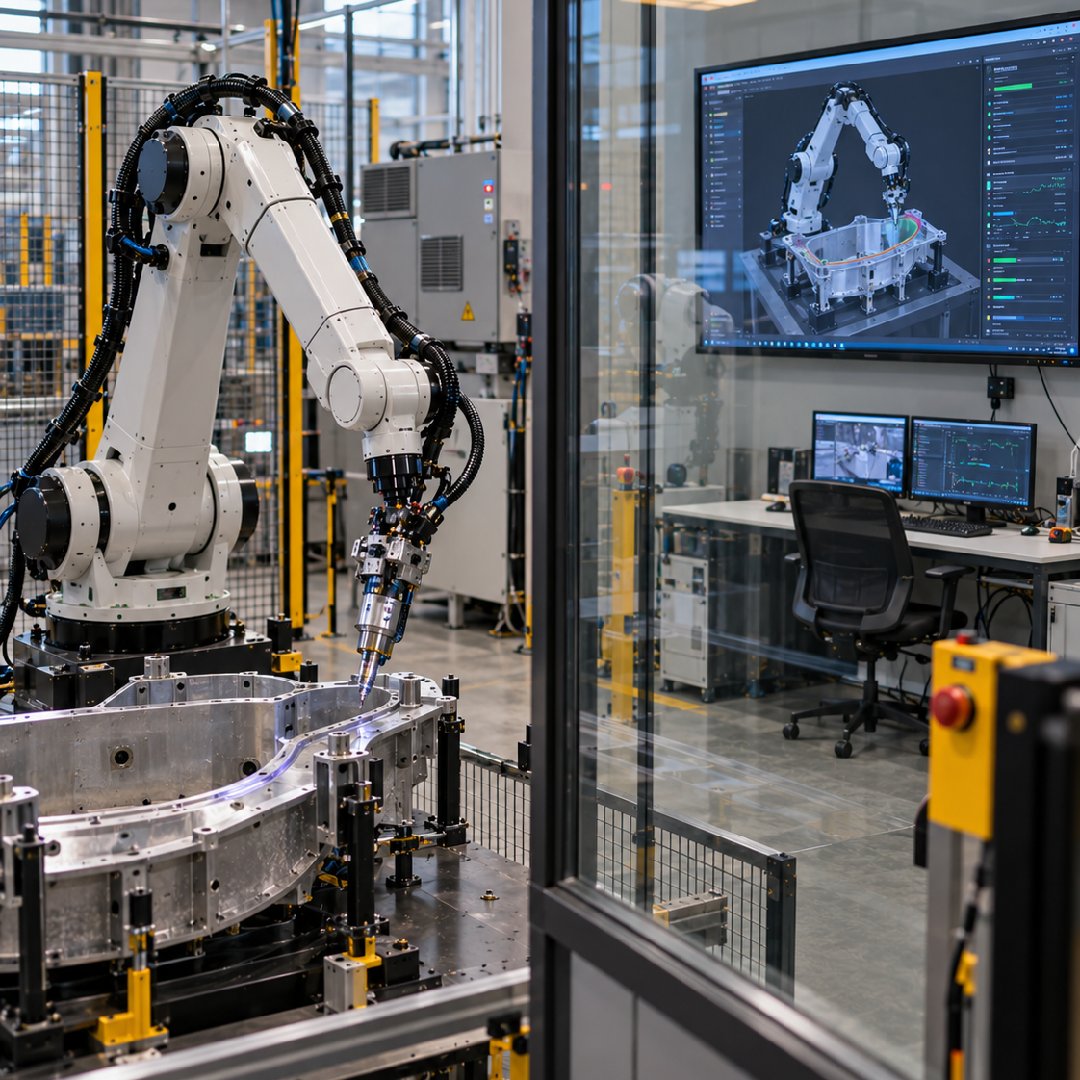
NTT DATA connects the physical robotic system with its digital twin so operating behavior can be reproduced in real time.
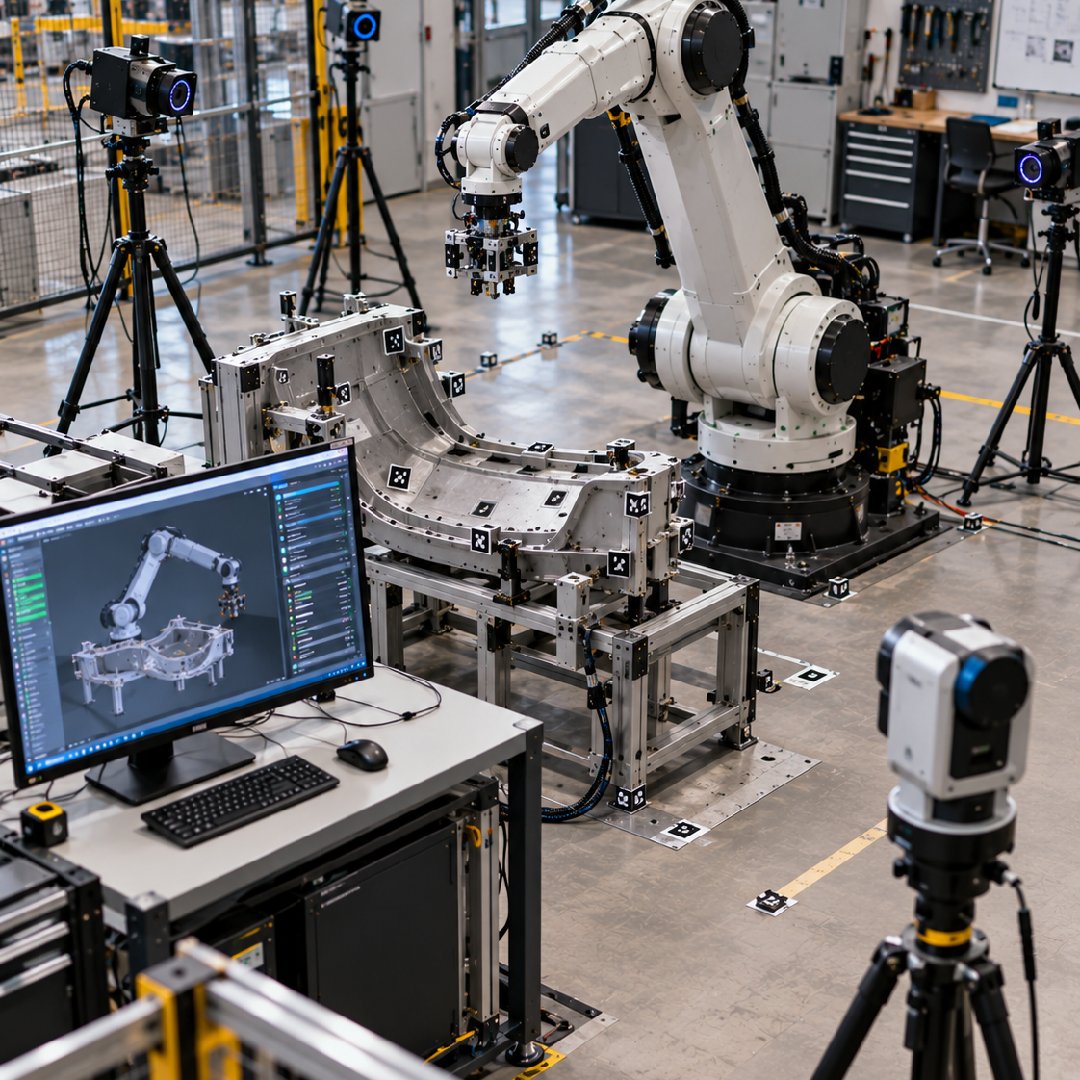
Information from the physical environment is made available within the virtual model to support synchronized testing and analysis.
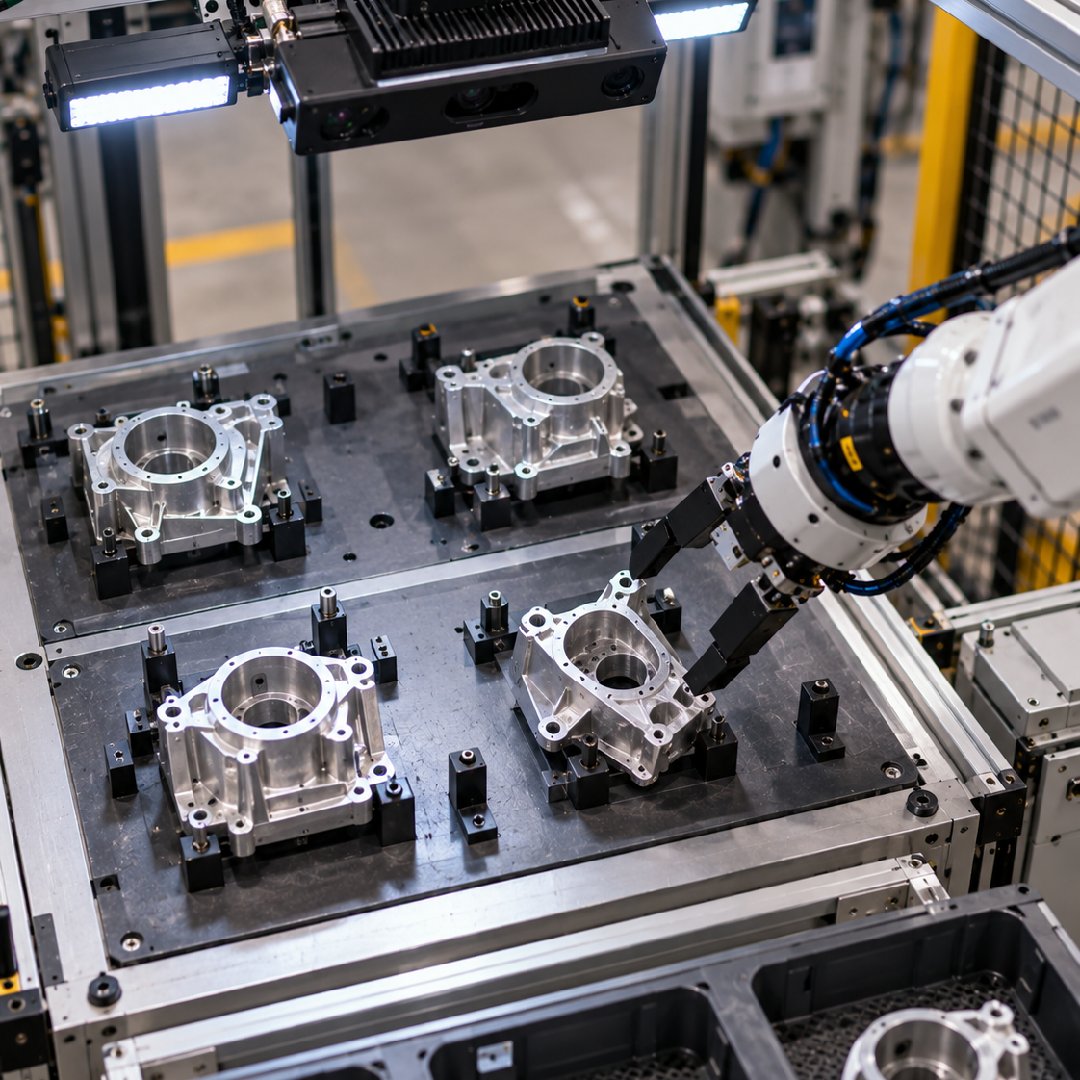
Computer vision processes camera input to estimate the pose of objects that the robotic arm needs to manipulate.
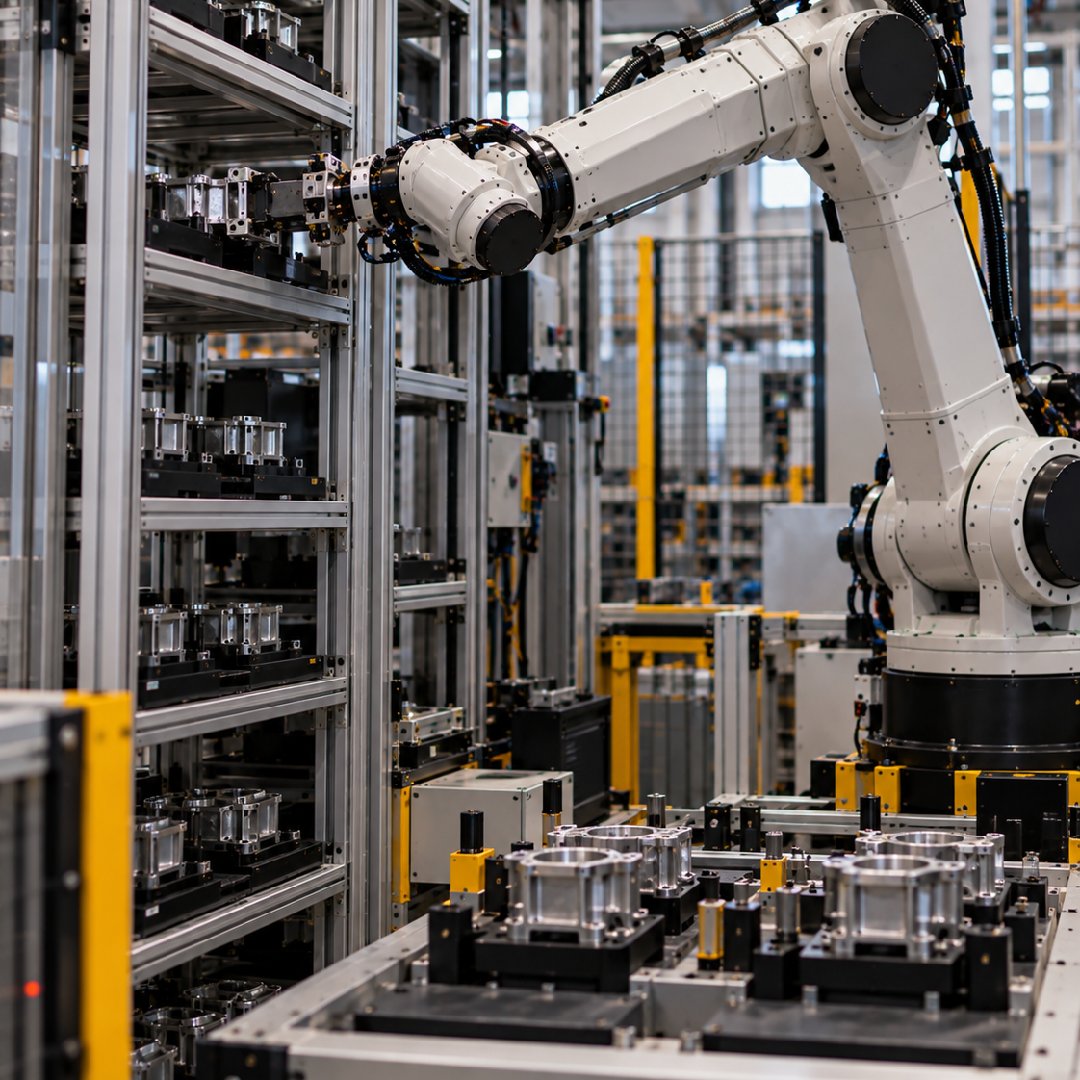
Reinforcement learning is used to calculate how the arm should move to reach the required target position.
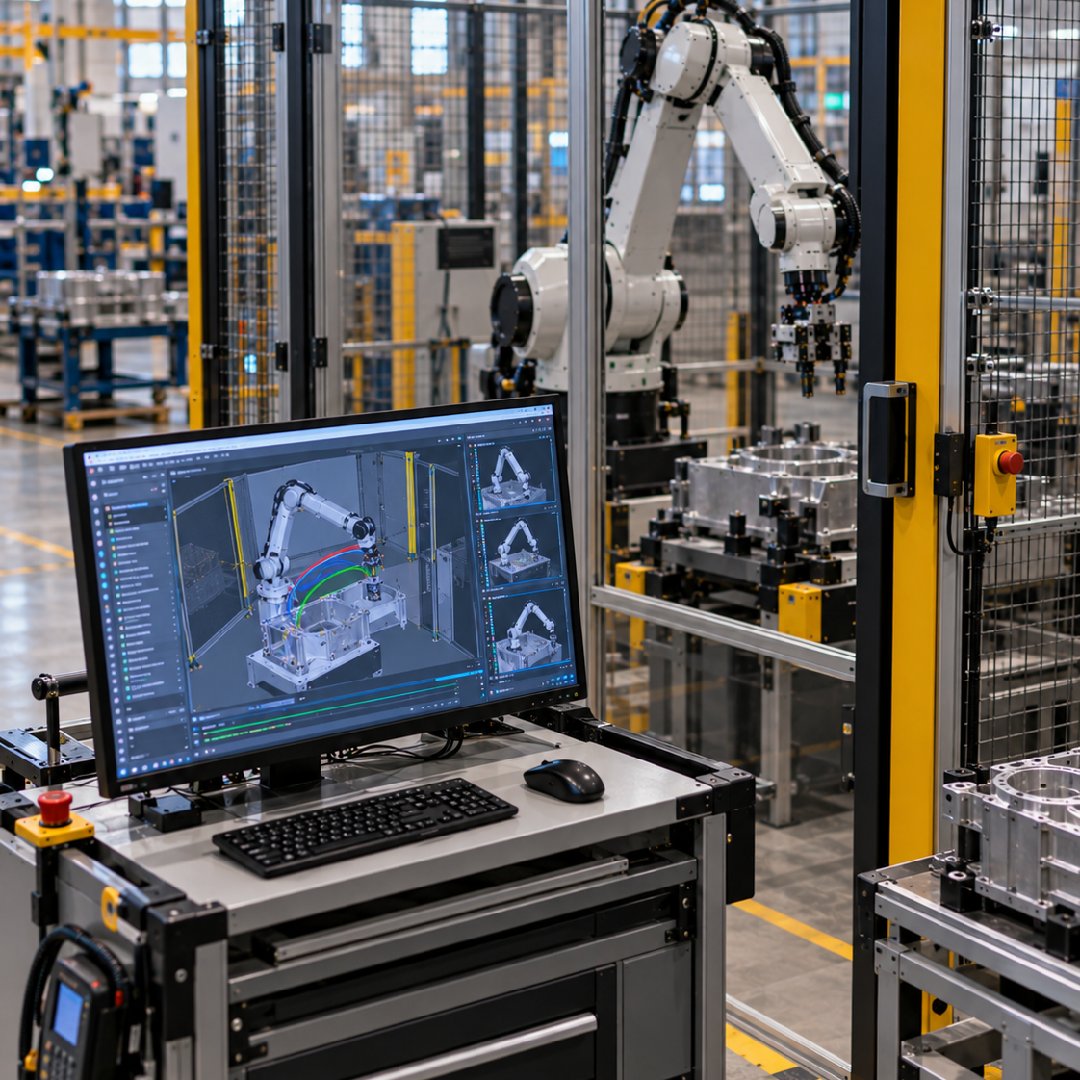
Robotic actions can be simulated and refined in the virtual environment before the corresponding movements are applied physically.
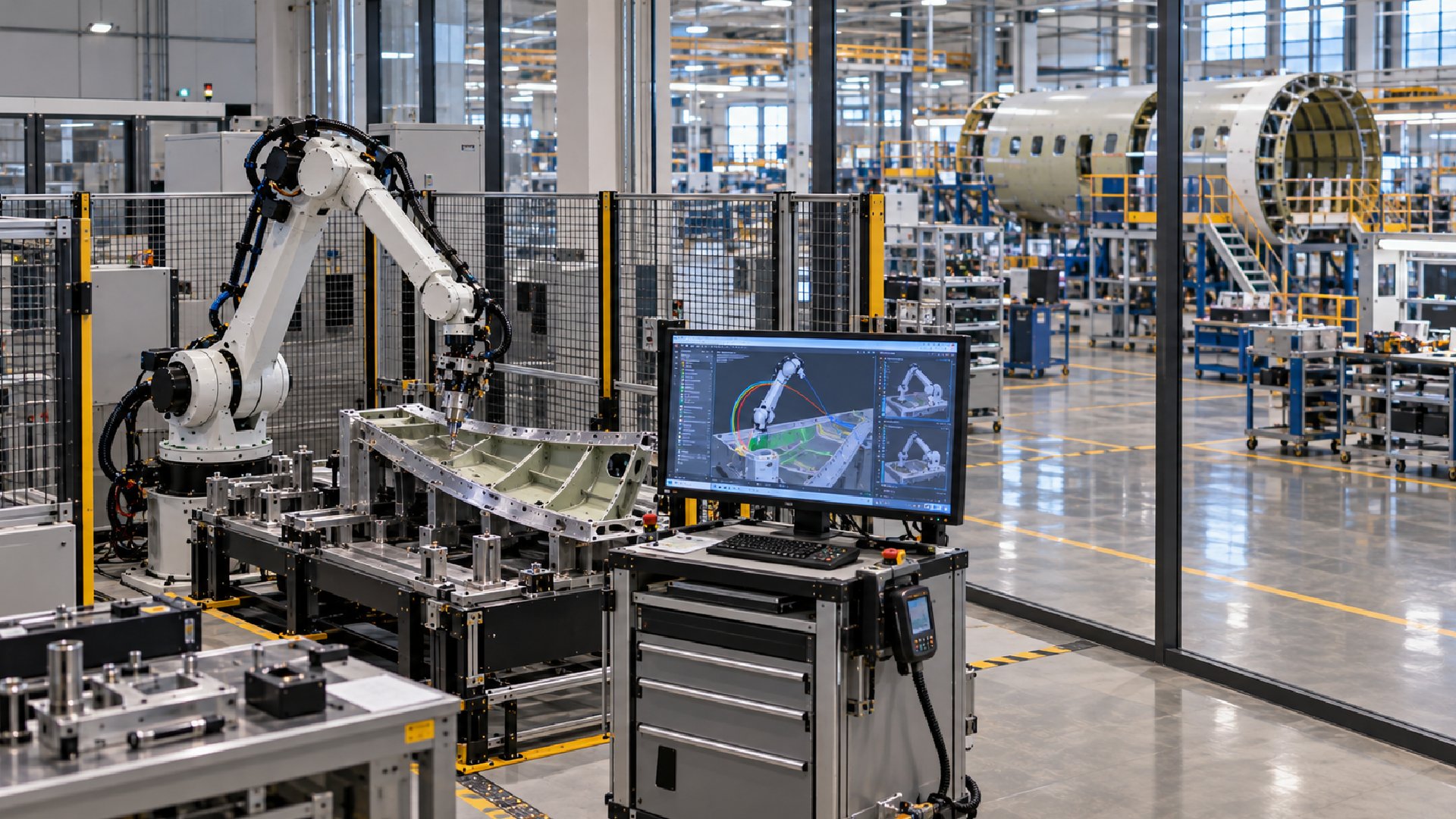
Performance evidence in the material is qualitative, focusing on earlier issue identification, lower testing disruption, pose-aware handling and autonomous motion calculation.
Real-time simulation exposes potential movement issues before physical implementation, giving operators an opportunity to refine robotic behavior without first testing changes on production equipment.
Virtual validation shifts part of the testing process away from live operations, helping limit downtime associated with direct trial-and-error on the physical robot.
Camera-based pose estimation provides position and orientation data that helps the robotic arm approach target objects with the spatial precision required for pick-and-place tasks.
einforcement learning calculates goal-directed arm movements, supporting autonomous execution of repetitive handling actions while aligning each motion with the target position identified for the task.
Combine real-time simulation, visual perception and reinforcement learning to refine autonomous pick-and-place behavior before physical deployment.
