


- All Foundries

- Commodity Management & Trading

- Customer & Marketing Strategy

- Digital Engineering

- Station Studio

- Supply Chain & Industry 5.0
- Sustainability

- Physical AI

- Next-Generation Infrastructure




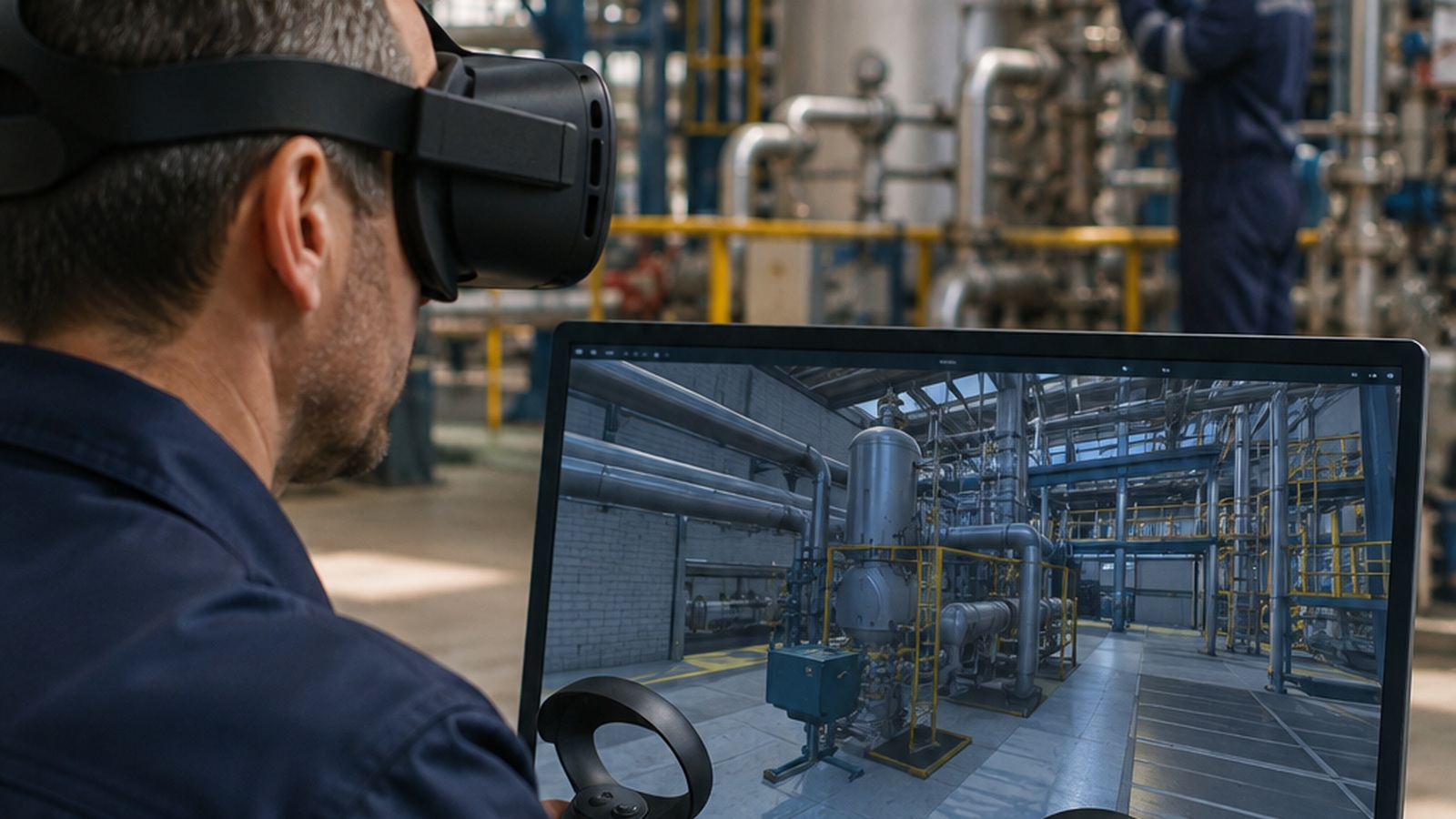
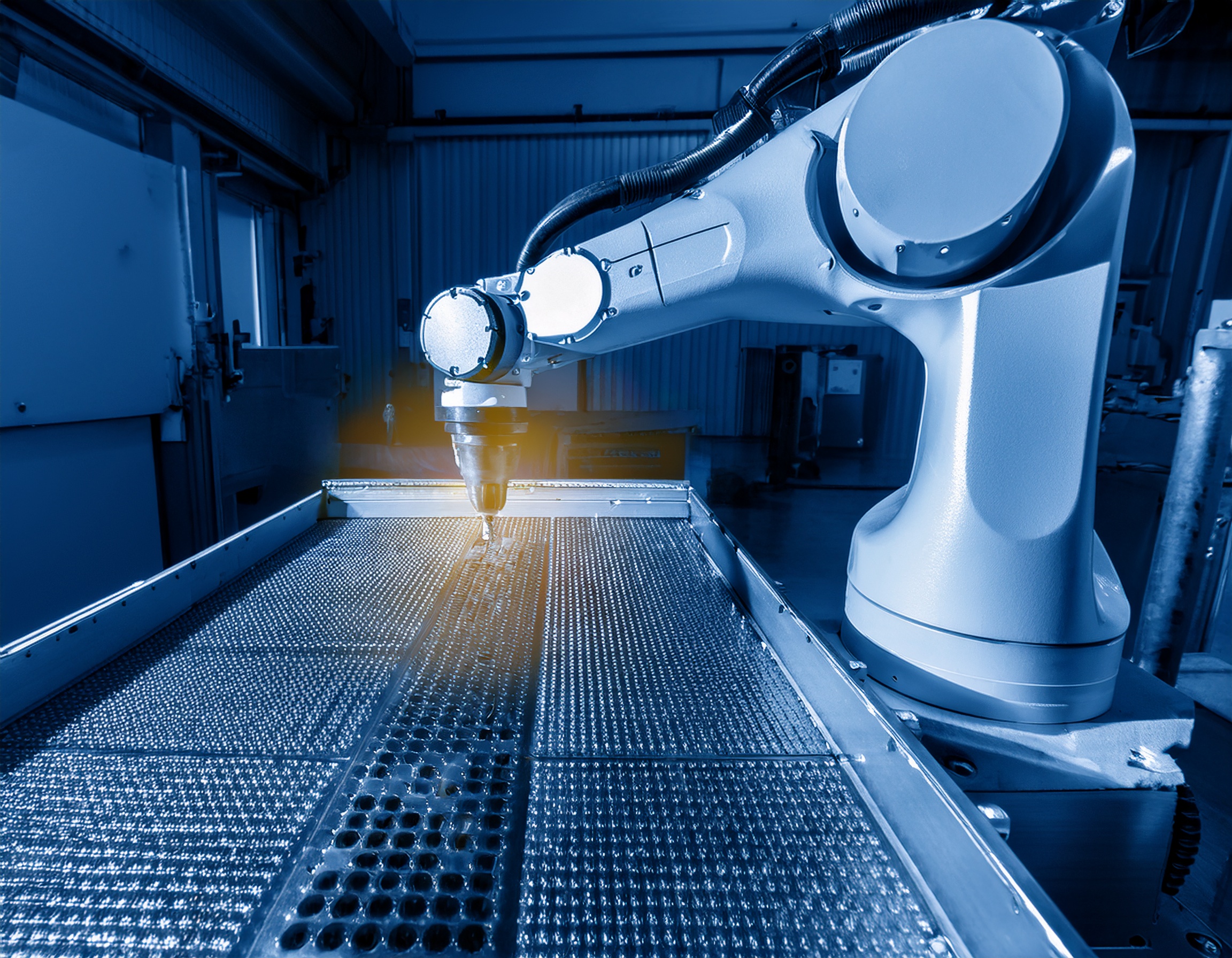
Vision based Robotic Picking
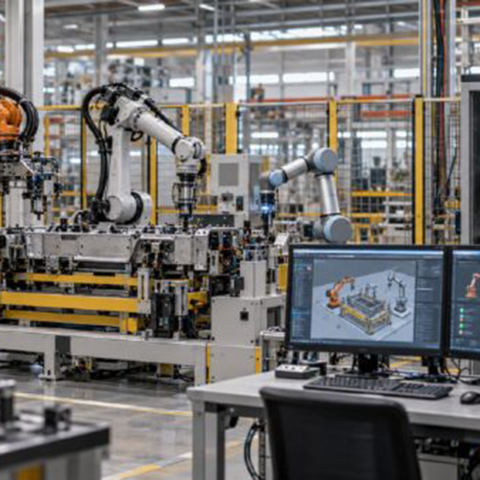
Simplifying two robots into one cycle called for simulation before any shop floor integration.

Model tuning and parameterization cut the effort and lead time needed to introduce new part references.
Simulation first validation reduces physical iterations, commissioning effort and disruption during deployment.
A single robot architecture lowers integration and maintenance complexity while improving cell availability.
Stronger perception and control reduce mispicks, improve consistency and open the door to lower scrap.
How NTT DATA helps
NVIDIA Omniverse creates a high fidelity simulation of the robot, gripper and target parts with realistic behavior.
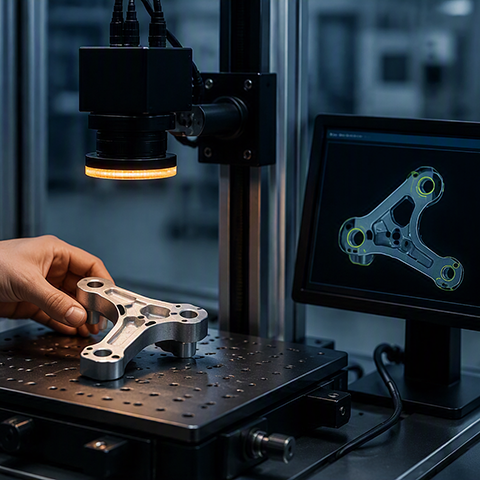
NVIDIA Foundation Pose models get finetuned on target components, using a one shot approach to adapt to new variants.
Task execution and cycle management get developed while control logic tunes toward overall pick and place efficiency.
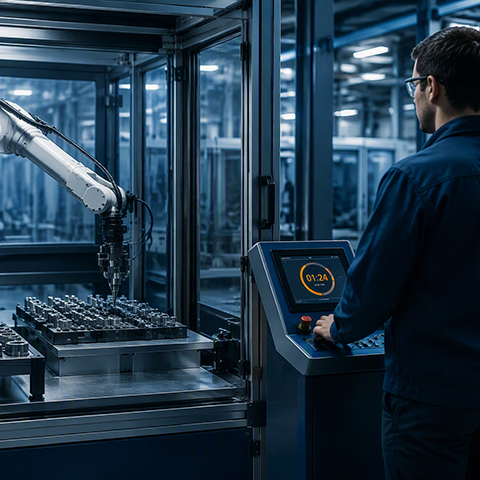
The solution extends to components such as the slider body and puller, refining gripper strategy for reliability.
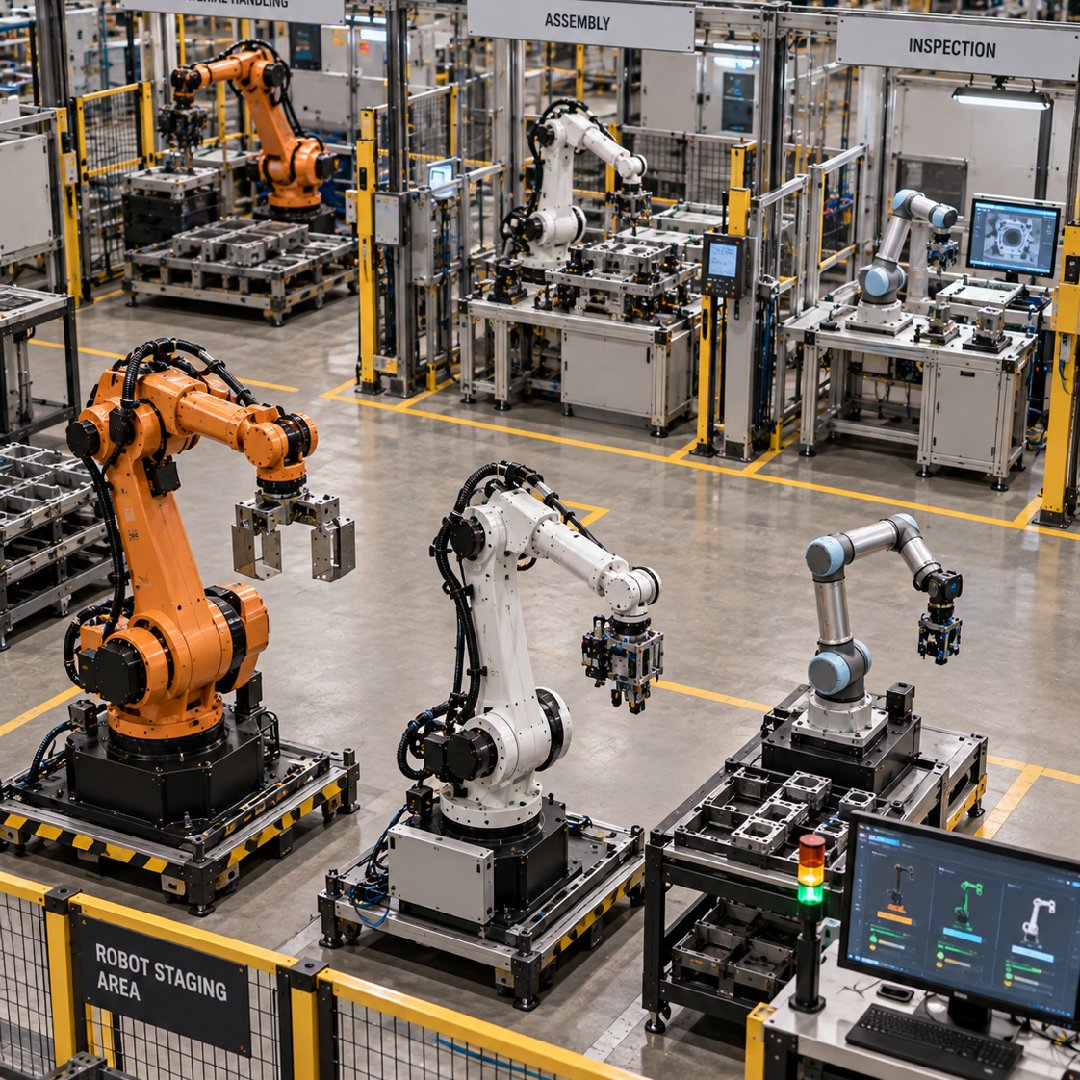
The solution gets integrated, tested and tuned in a lab environment before scaling toward the shop floor.
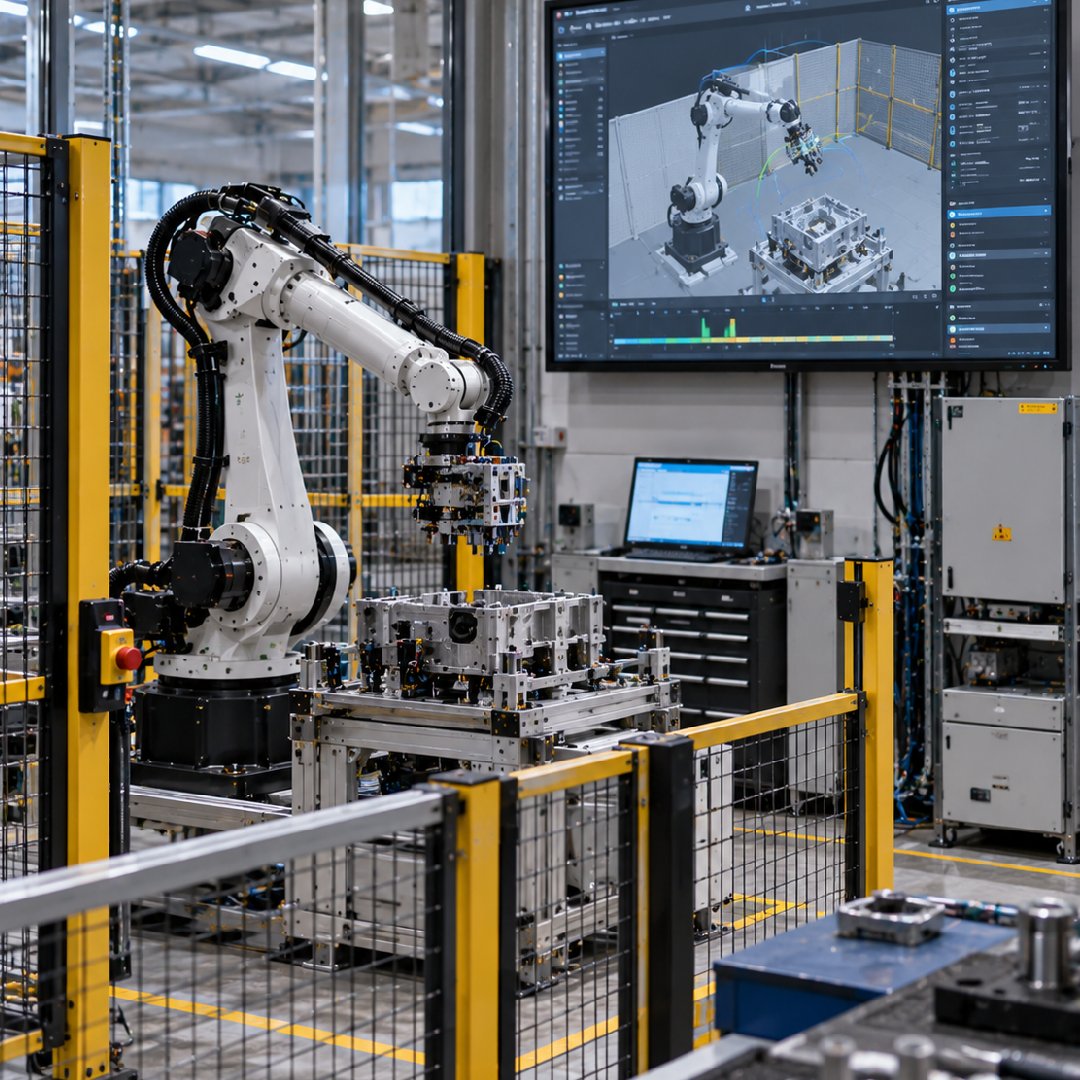
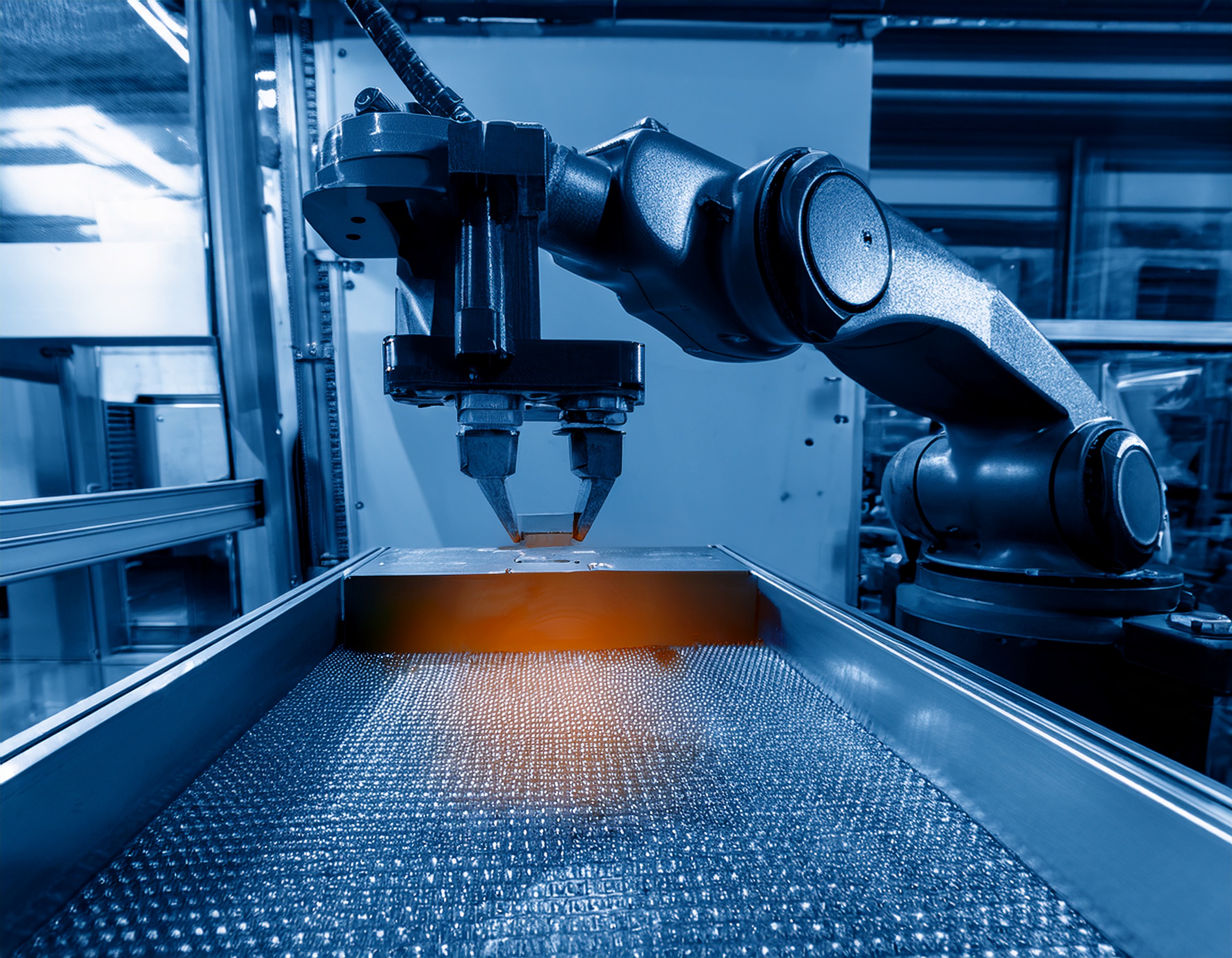
Model tuning and parameterization replace full reengineering when a new part reference comes in.
High fidelity simulation cuts physical iterations and commissioning effort before shop floor integration.
Moving from two robotic arms to one cycle lowers integration and maintenance complexity on the floor.
Improved pose estimation and control consistency reduce mispicks and support lower scrap rates.
Ignite the conversation that turns intelligent vision into a more reliable picking operation.
