- All Foundries

- Commodity Management & Trading

- Customer & Marketing Strategy

- Digital Engineering

- Station Studio

- Supply Chain & Industry 5.0

- Sustainability

- Physical AI

- Next-Gen Infrastructure












From construction budget to environmental model: AI to decarbonize infrastructure from the design stage
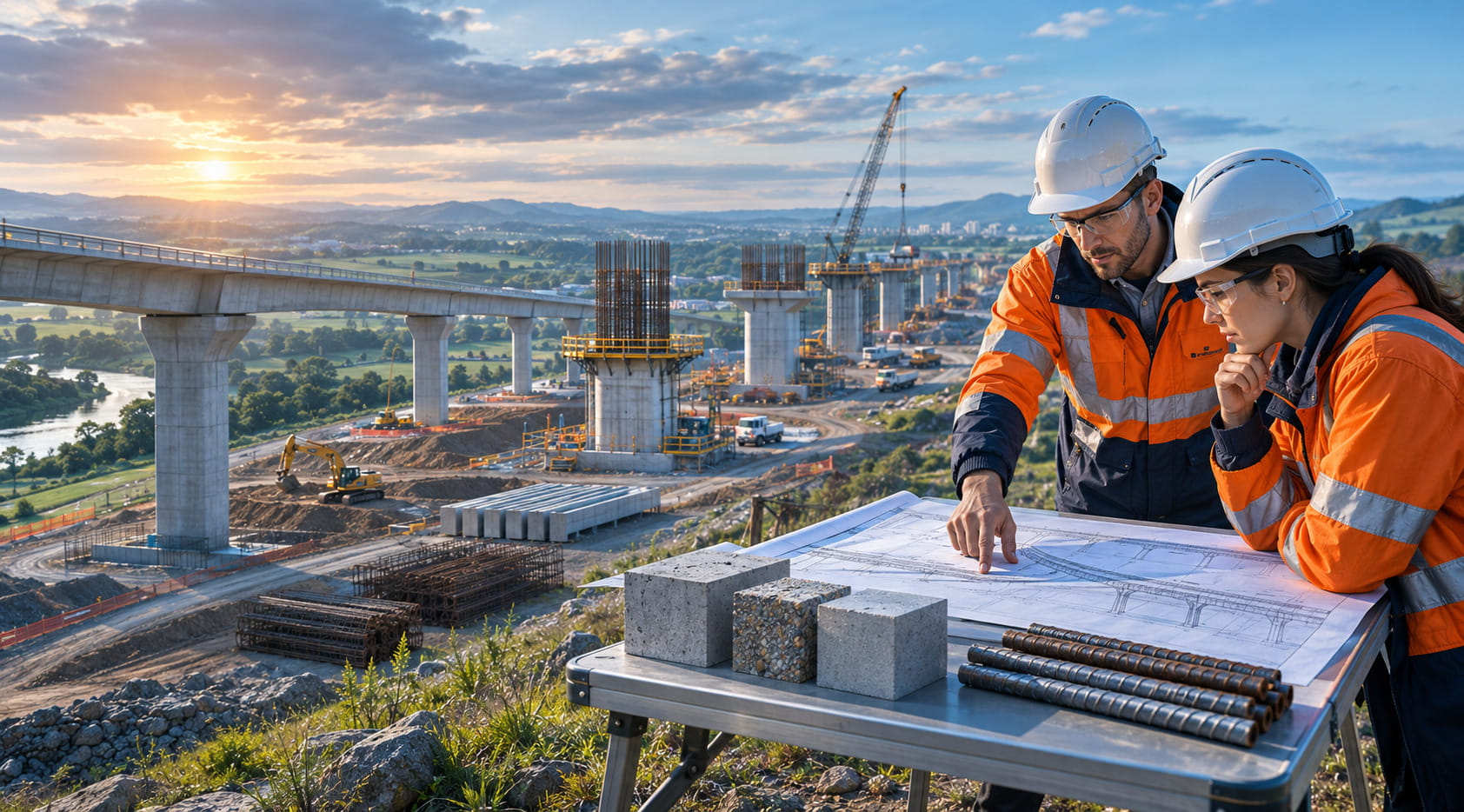
Construction budgets can contain thousands of items described in free text, while environmental information is spread across different databases and formats. Matching each item to the right emission factor can take weeks of specialist work. Teams need that insight earlier, while they can still compare materials, suppliers, structural solutions and transport distances.

Calculate embodied carbon from the construction budget at design stage, before construction begins.
Move from the full project to chapters, work units, materials and equipment across lifecycle stages A1-A5.
Test alternatives for materials, suppliers, structural solutions and transport distances before committing.
Retain the environmental source, date, unit conversion, AI confidence score and validation history behind each carbon value.
How NTT DATA helps
Carbon Tool imports BC3 or Excel budgets, rebuilds the project hierarchy and converts the economic model into an environmental model without starting again.
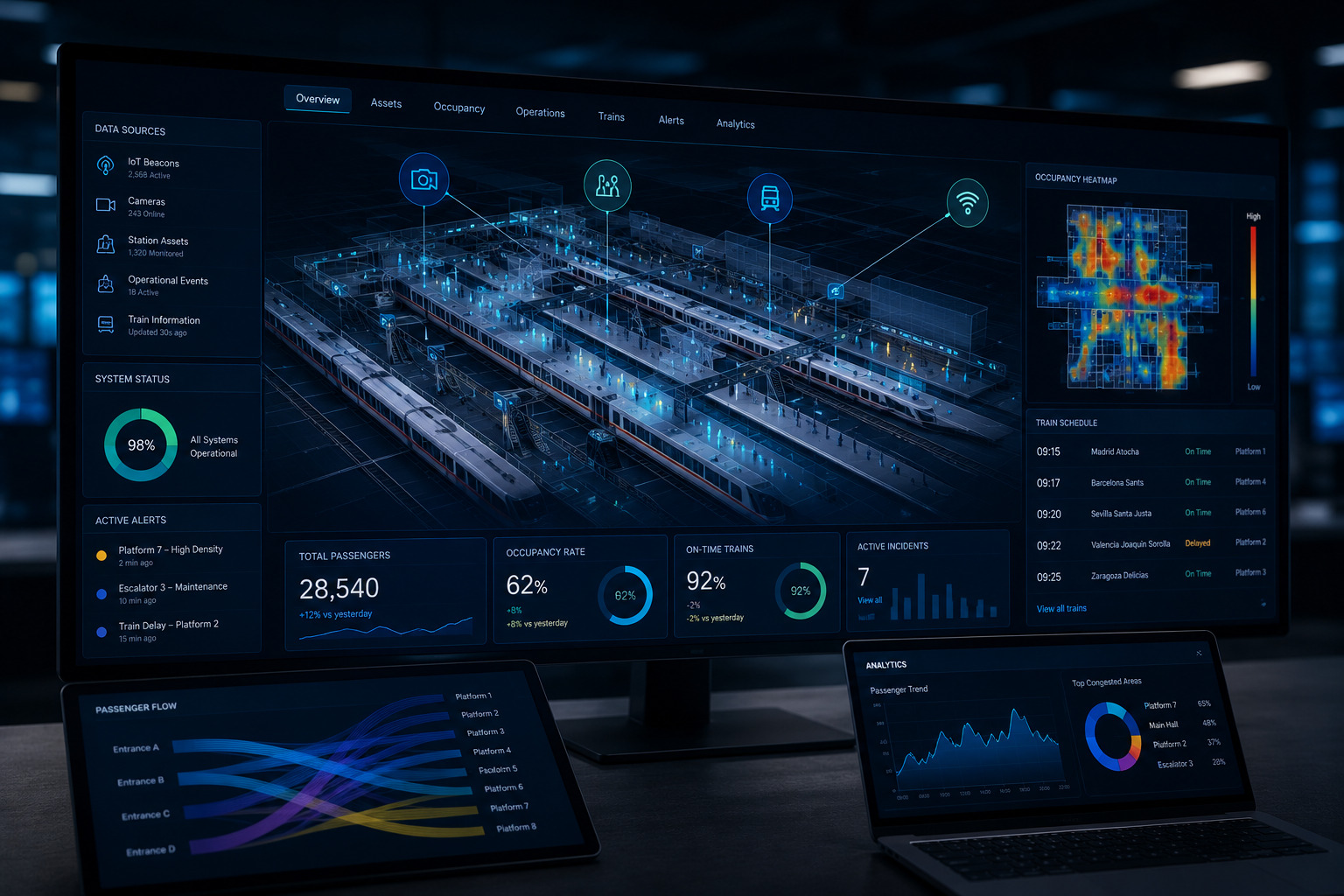
Semantic matching, contextual analysis, unit conversion and confidence scoring connect free-text construction items with relevant environmental factors. Engineers validate or adjust the recommendations.

The tool calculates emissions from the project level down to individual materials and equipment, helping teams locate the elements with the greatest impact across A1-A5.

Teams can compare cost and carbon as design choices change, turning sustainability into an active design variable rather than a retrospective reporting exercise.
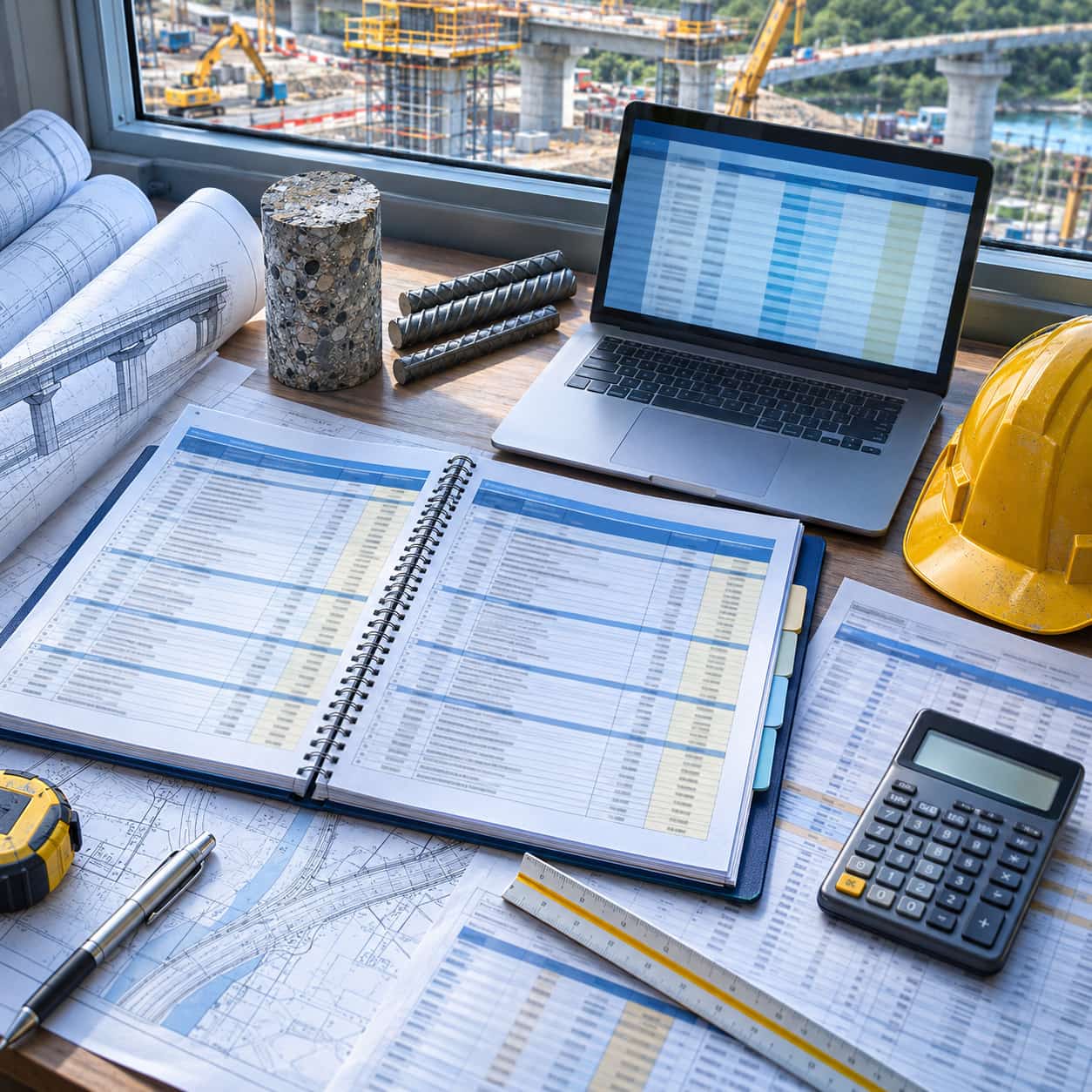
Each result retains its environmental source, date, unit conversion, AI confidence score and validation history, supporting reproducible assessment, procurement and sustainability reporting.

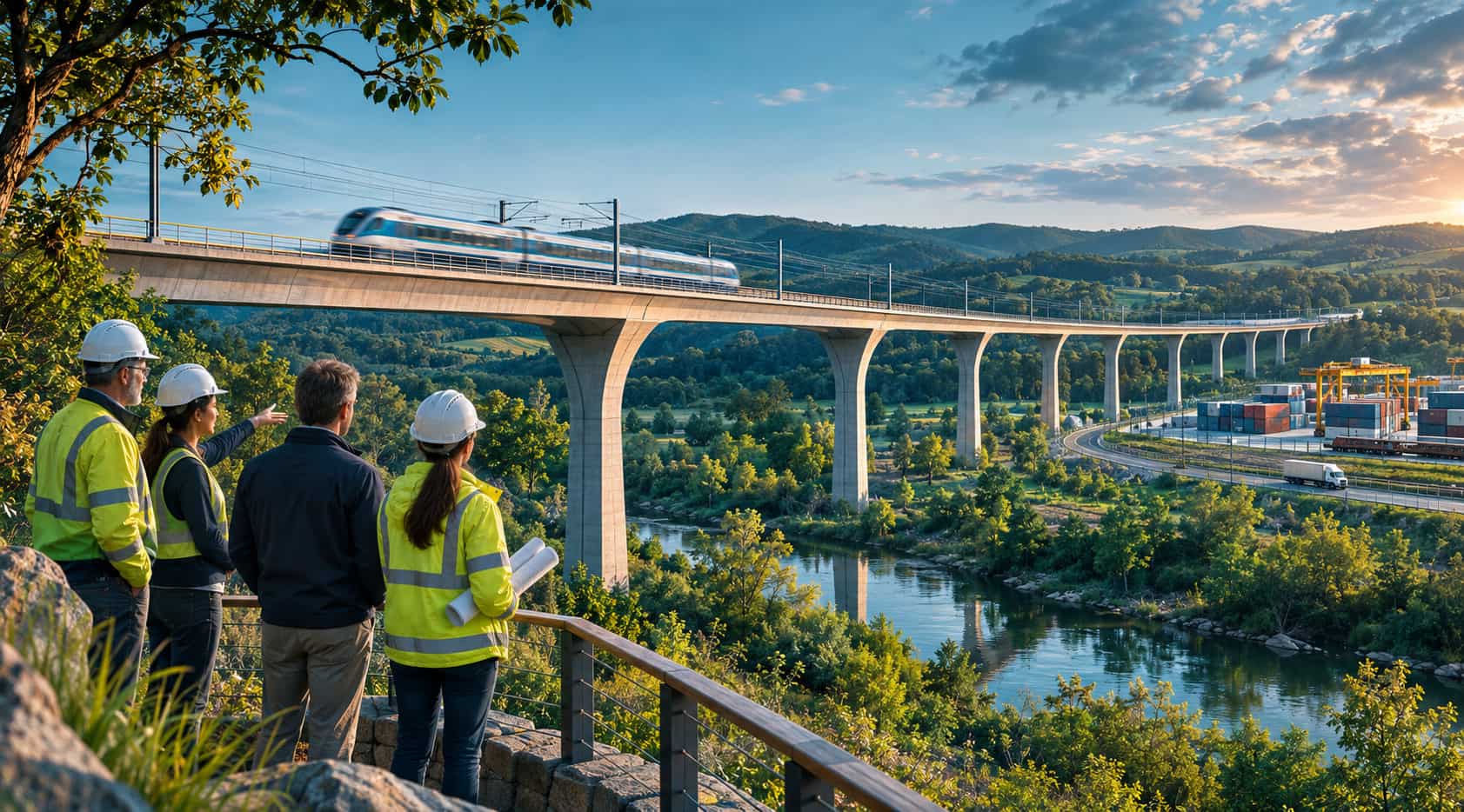
Carbon Tool has been developed through collaboration between 3 international companies, combining infrastructure expertise, sustainability knowledge and advanced technology.
Unlike the traditional approach, where the carbon footprint is assessed after many key decisions have already been made, Carbon Tool enables teams to calculate it from the design stage. This makes carbon a decision variable before construction begins, when changing materials, solutions or processes is still viable.
Accelerate carbon-footprint calculations that traditionally require weeks of specialist work.
Release technical capacity from repetitive environmental matching and recalculation tasks.
Integrate lifecycle carbon assessment directly into infrastructure design.
Compare economic and environmental performance within the same decision-making process.
Start the conversation that turns existing project information into earlier, traceable carbon decisions.