- All Foundries

- Commodity Management & Trading

- Customer & Marketing Strategy

- Digital Engineering

- Station Studio

- Supply Chain & Industry 5.0
- Sustainability

- Physical AI

- Next-Generation Infrastructure




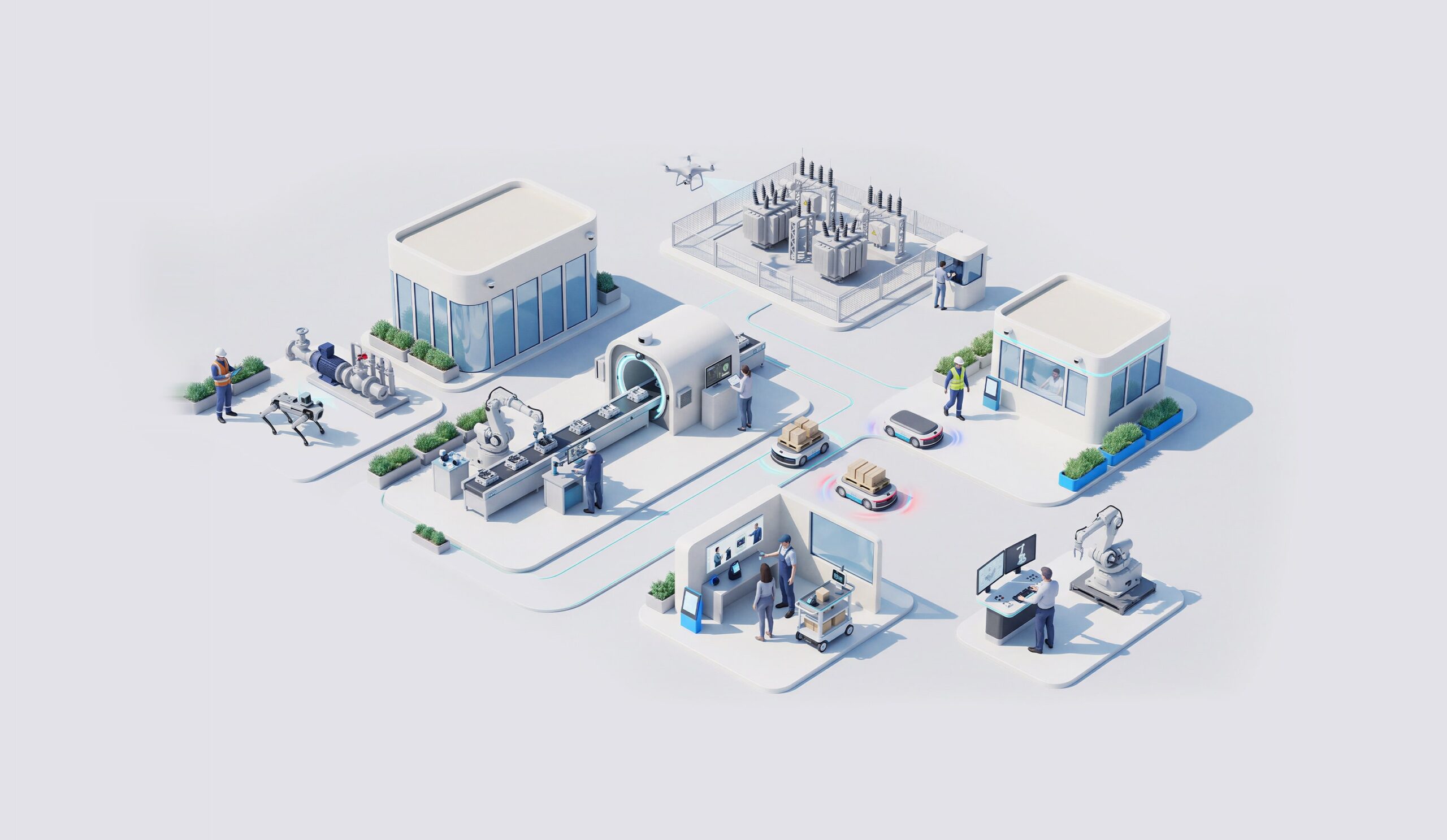
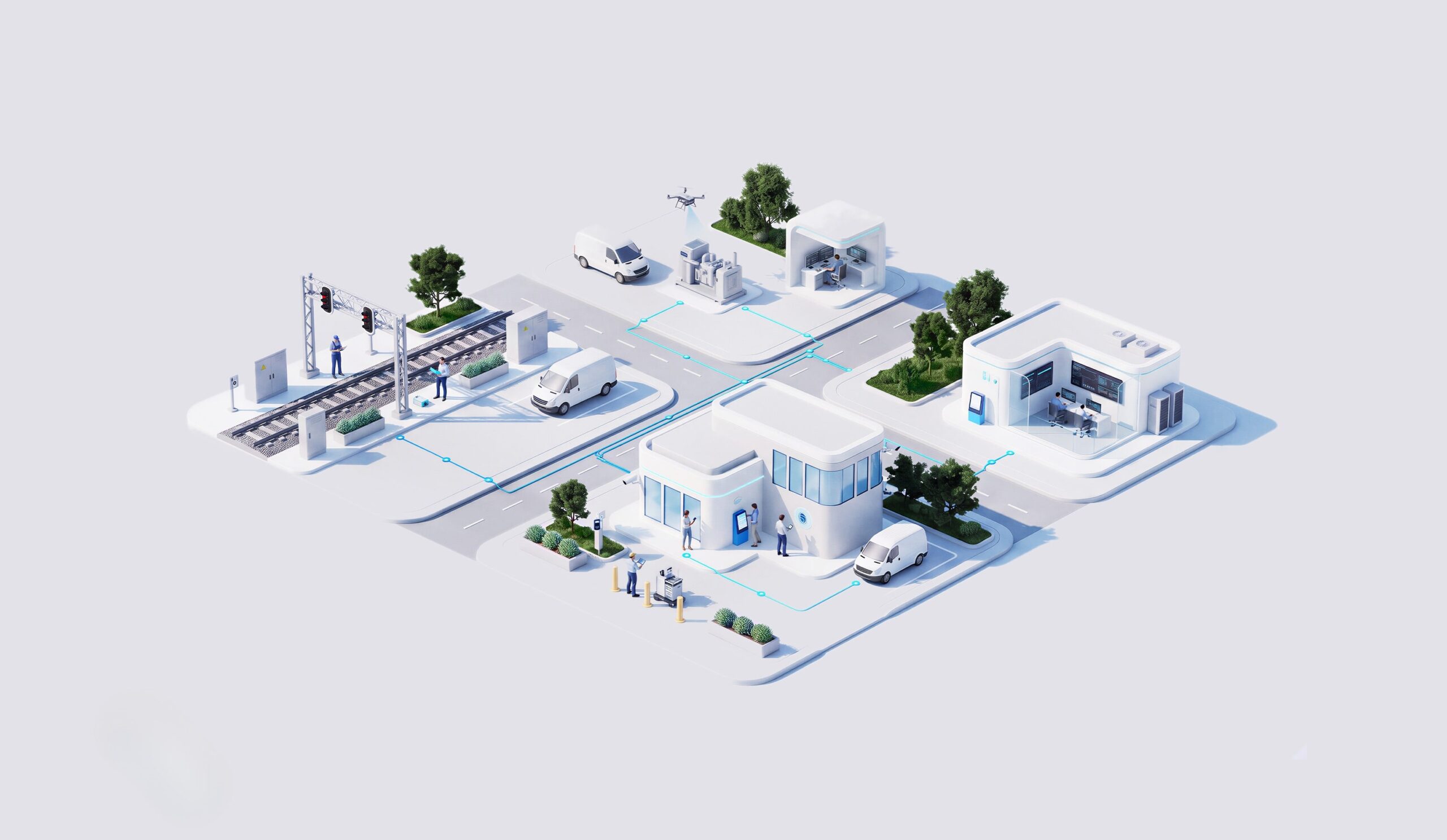

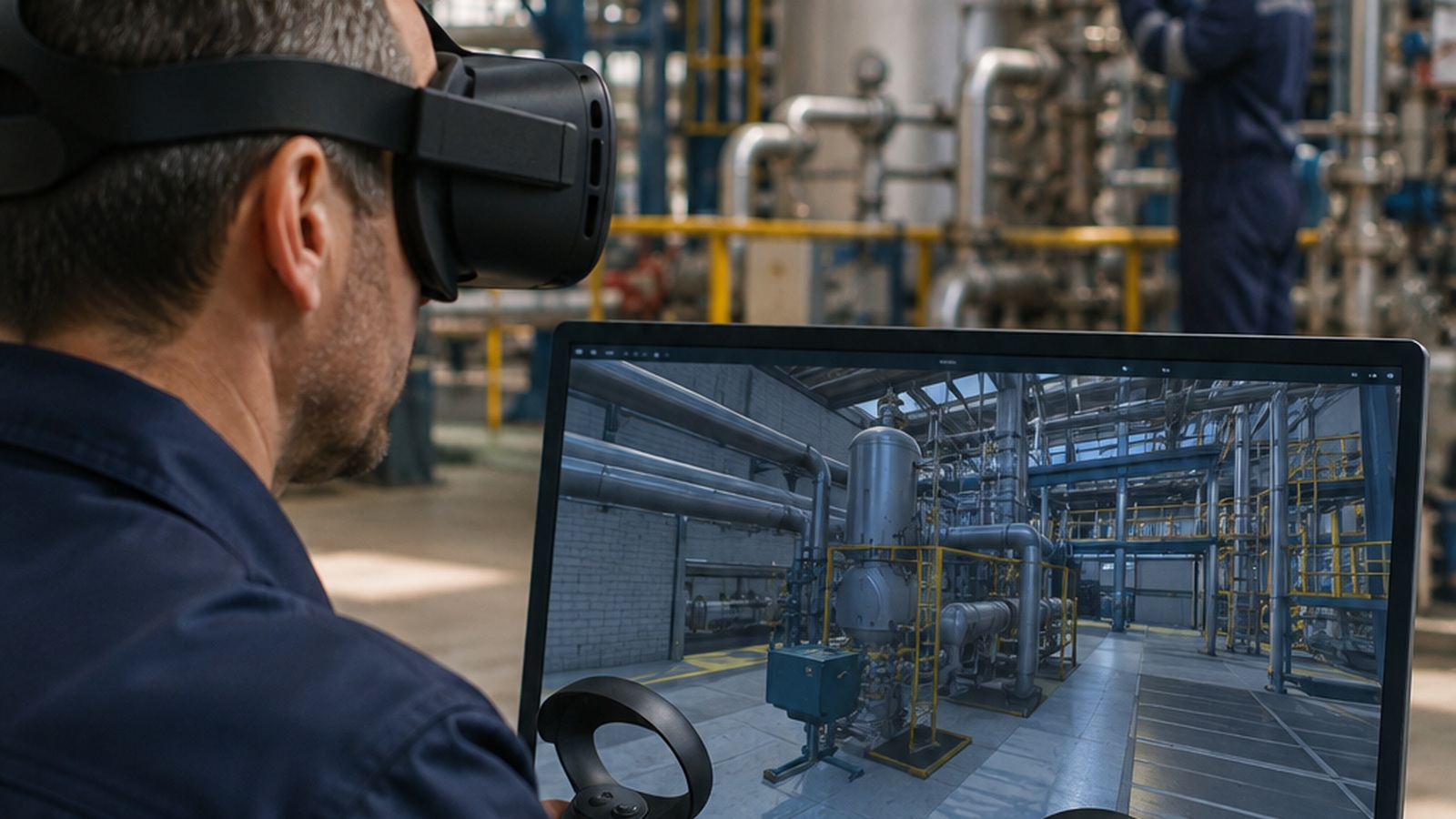

Mission-Critical Voice, Video & Data for Utility Field Crews
For field crews, communications now go beyond voice. Video, maps, work orders and telemetry need to be available in the same operational moment, including during emergencies, so control rooms, supervisors and crews share one operational picture. A temporary loss of a non-critical application is not the same as losing communications with a protection, control or emergency-response process.
Voice, video and operational data reach crews, dispatch and control rooms with the same priority, from routine shifts to full emergencies.

Prioritized voice, video and data keep field and emergency crews connected to dispatch and control rooms even during congestion, outages or restoration events.
QoS, identity and encryption policies keep critical voice, video and operational traffic protected and prioritized across the field communications network.
A shared field communications foundation supports multiple digital crew and dispatch programs instead of a new isolated network for every use case.
Explicit service priorities, resilience patterns and fallback behavior reduce ad hoc field communications setups across incidents and crews.
How NTT DATA helps
NTT DATA defines priority rules for voice, video and operational traffic by incident type and role so critical communications reach dispatch and control first.

Field devices, dispatch systems and control-room workflows are connected so crews and supervisors share the same operational picture in real time.

Quality-of-service, identity and encryption policies are layered onto resilient coverage design to protect and prioritize field traffic end to end.

Degraded-mode, fallback and emergency procedures are tested and validated so crews know how communications behave when primary paths are lost.
Cyber risk, recovery expectations, coverage and the long lifecycle of field communications assets all shape how the architecture is designed.


Indicative objectives depend on incident type, crew density, device mix and coverage priority, with actual results varying by network congestion and response urgency.
Prioritized traffic reduces single points of failure for field and emergency communications, with baseline and target availability levels confirmed during assessment.
Field crews and emergency teams gain assured coverage in the areas and incidents that matter most operationally.
Tested fallback and degraded-mode procedures shorten the time needed to restore field communications after an outage or incident.
QoS, identity and encryption controls applied consistently across field traffic strengthen policy compliance during day-to-day and emergency operations.
Route priority voice, video and data straight to dispatch and control rooms, whatever incident or emergency crews are facing in the field.