- All Foundries

- Commodity Management & Trading

- Customer & Marketing Strategy

- Digital Engineering

- Station Studio

- Supply Chain & Industry 5.0
- Sustainability

- Physical AI

- Next-Generation Infrastructure



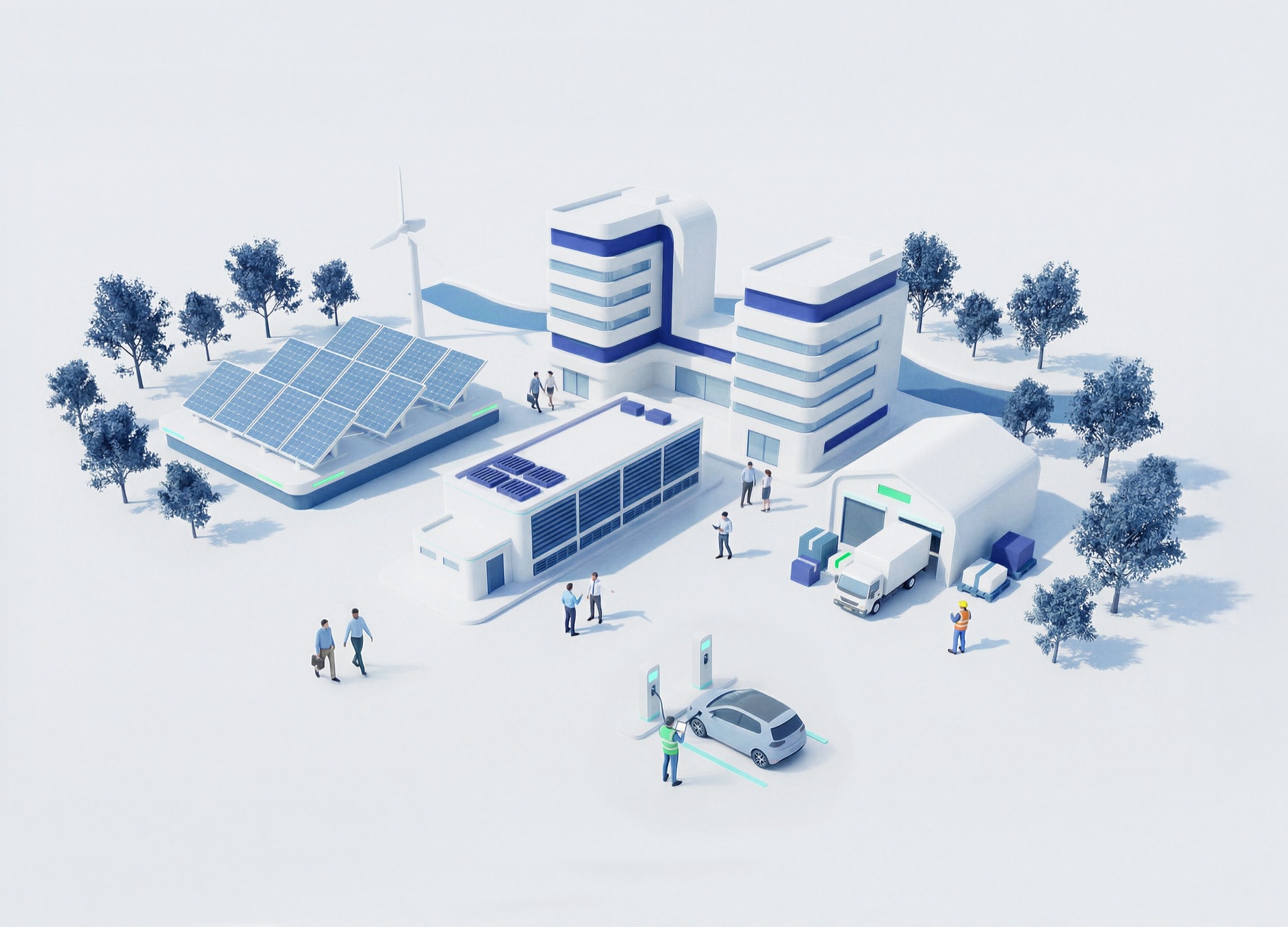
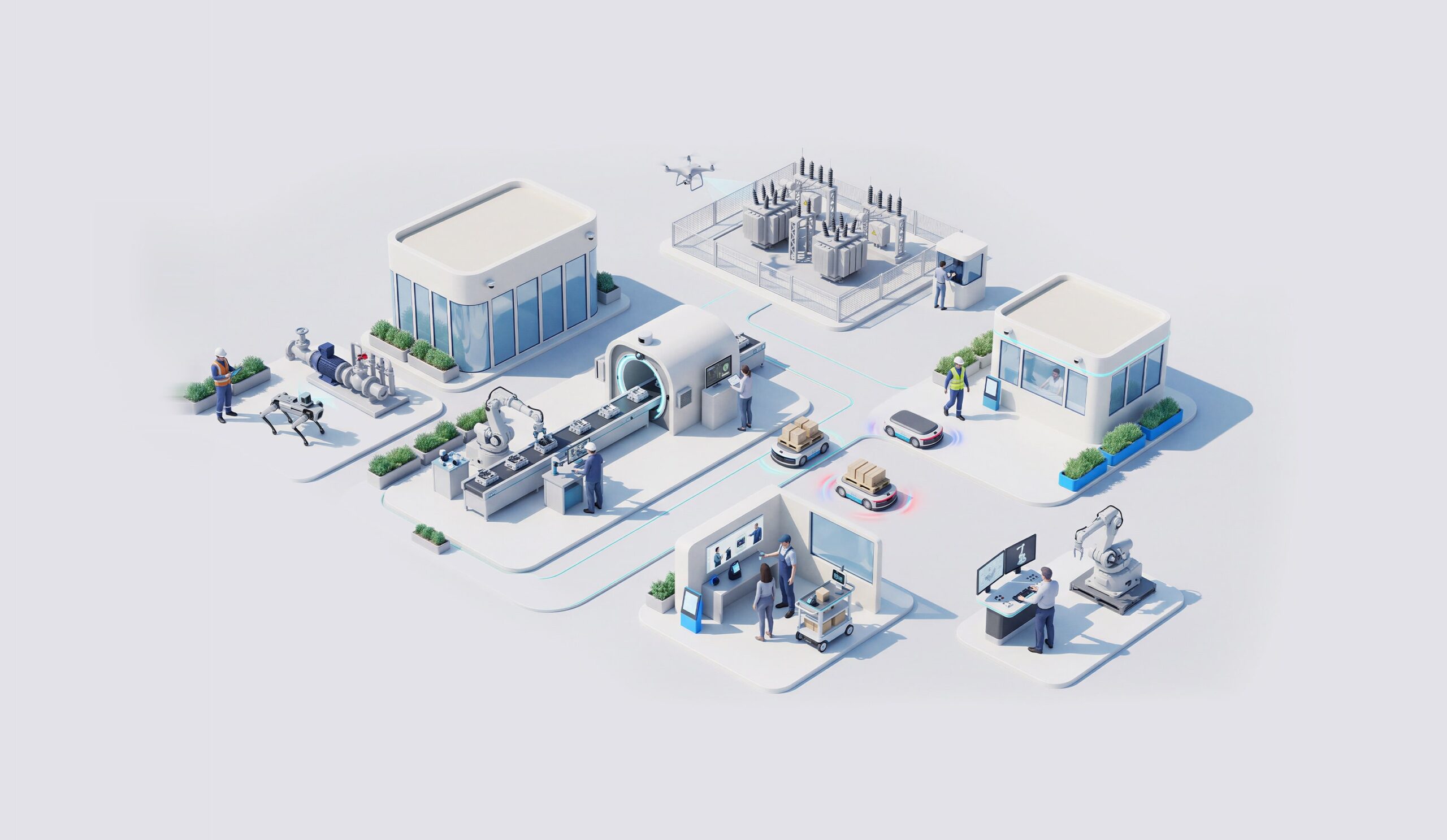
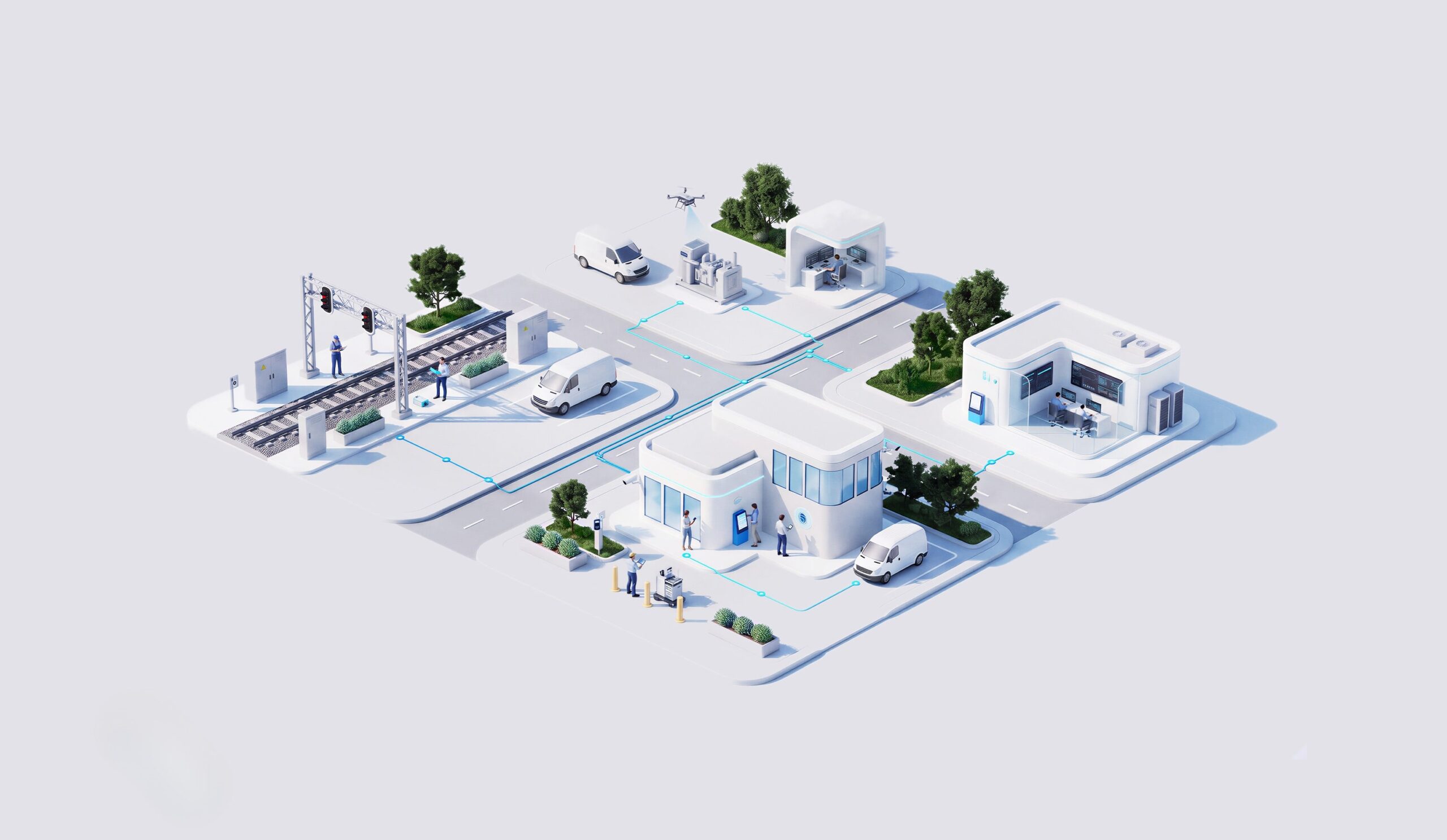

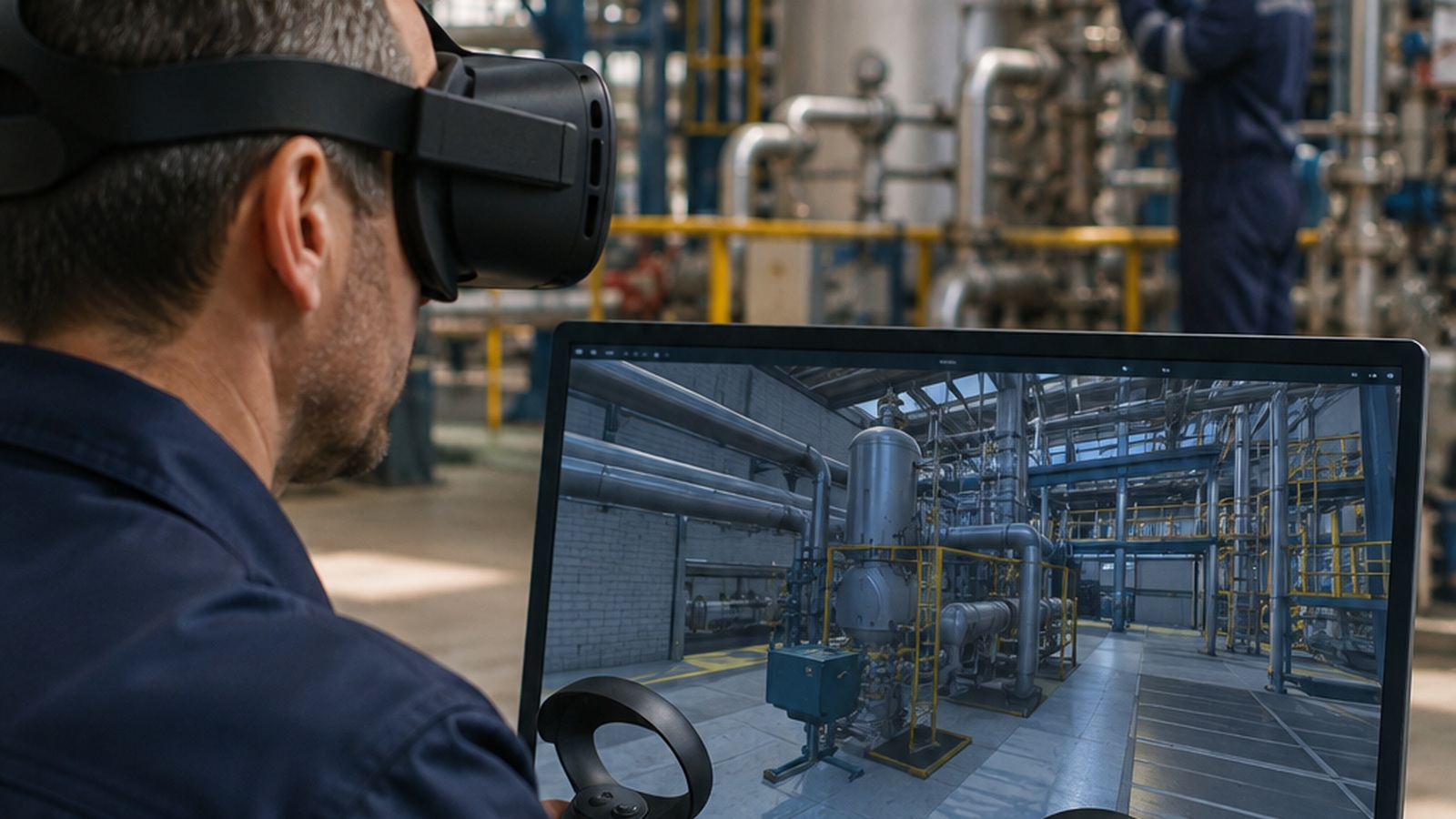
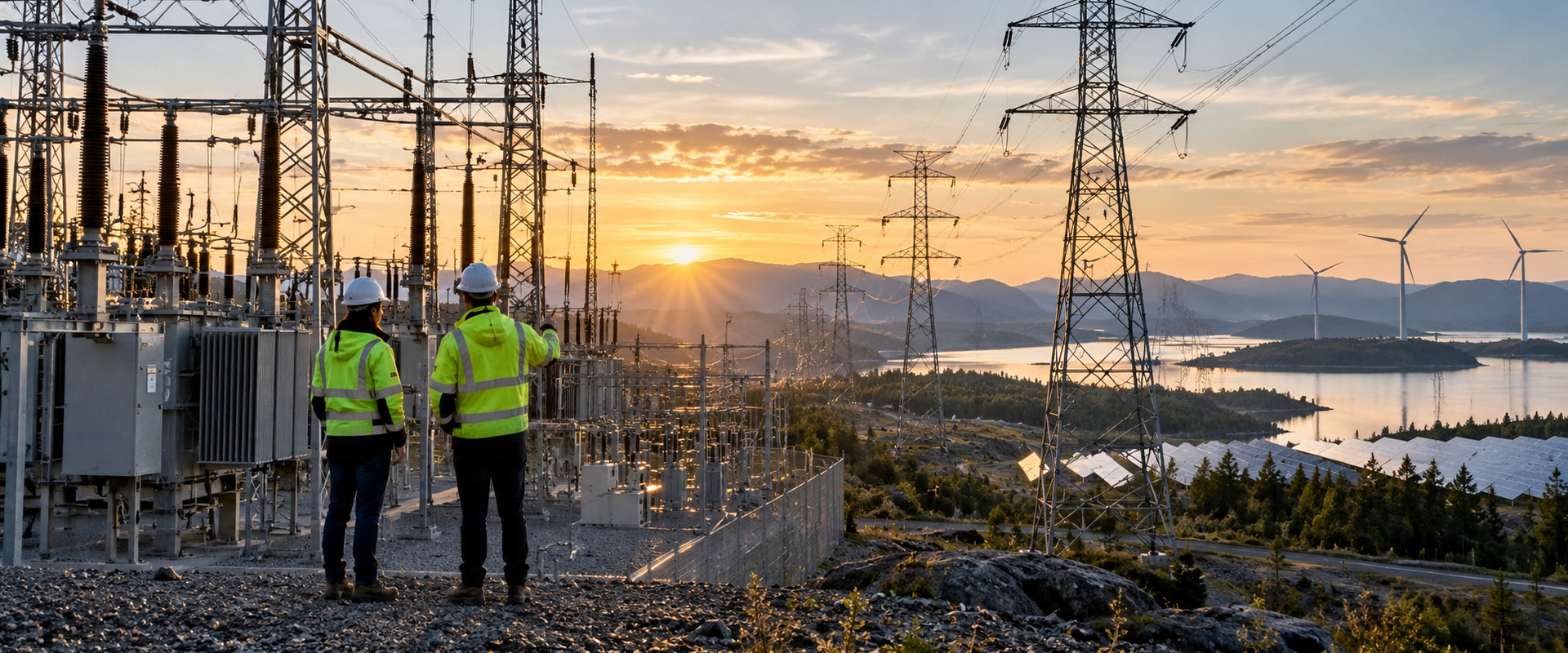
Self-optimizing utility operations
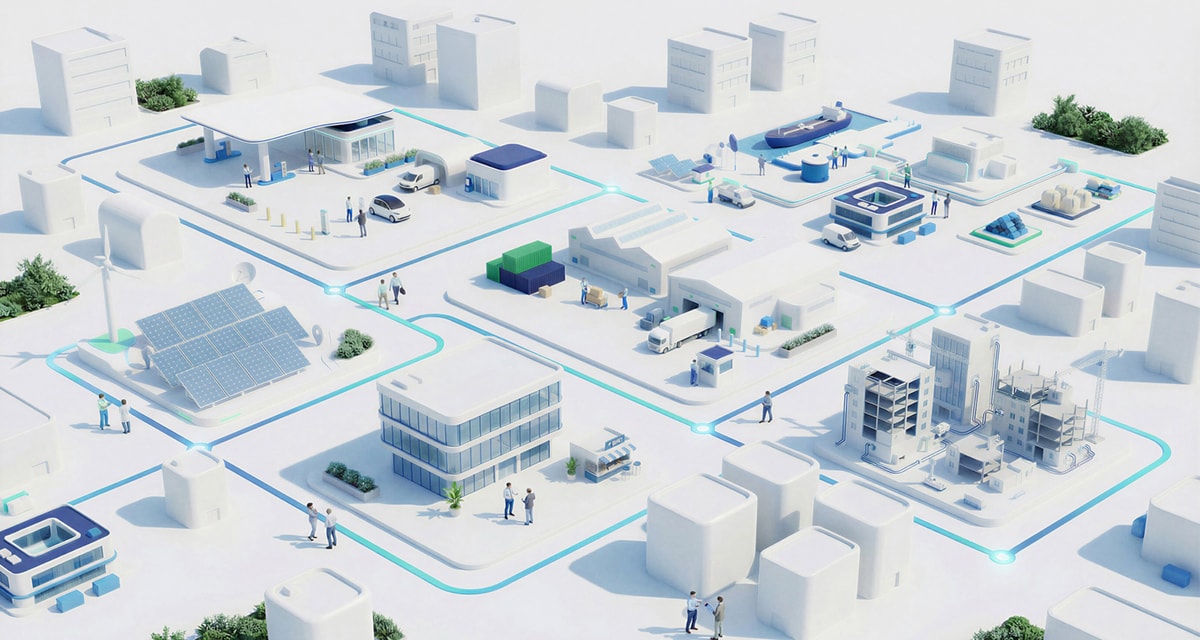
Generation, transmission, distribution, gas and water networks are becoming more distributed, more software-defined and more dependent on real-time coordination. The challenge is to make self-optimizing operations practical inside critical-infrastructure environments, with the right data, workflows, cyber controls and human accountability.
Self-optimizing operations help utilities move from fragmented information to contextual decisions that improve how assets, teams and platforms work together.

Connect data and workflows so teams spend less time reconciling information and more time acting on the right signal.
Use contextual analytics and monitoring to surface anomalies before they become larger reliability, safety or service issues.
Link asset behaviour, field conditions and operational processes to support more consistent decisions across the network.
Progressively automate where it creates value, while keeping oversight, validation and fallback mechanisms where risk requires them.
How NTT DATA helps
NTT DATA helps utilities establish reliable data foundations and connectivity across authorised operational systems, enterprise platforms and field information sources.
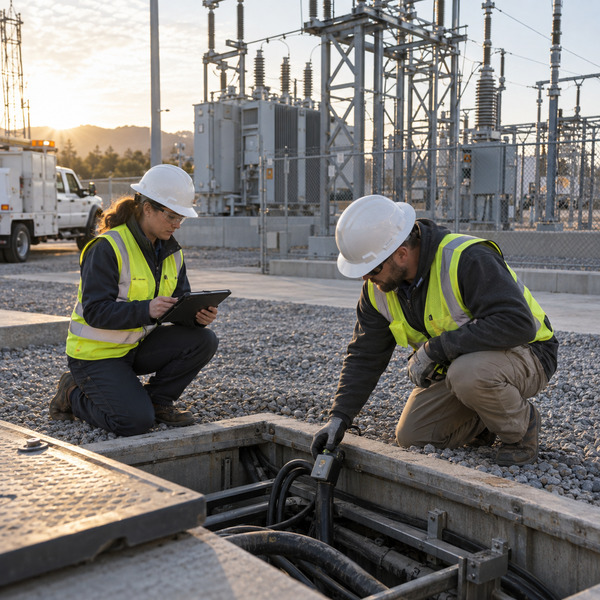
Analytics, IoT and edge or cloud capabilities are placed where they can support timely decisions without creating unnecessary operational risk.
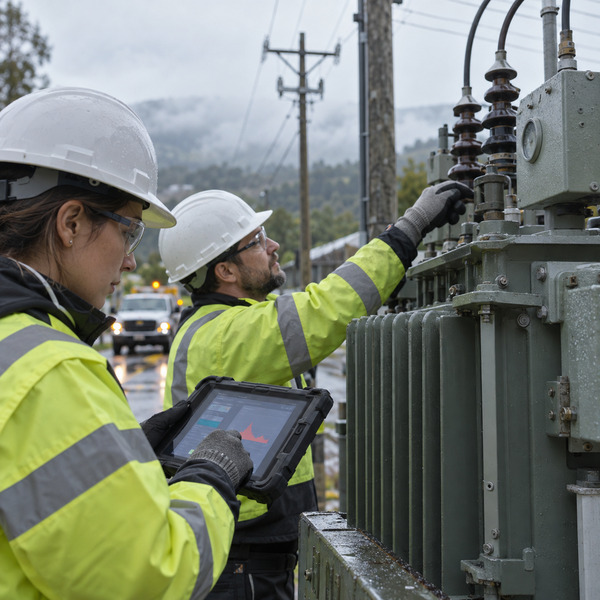
Operational insights are connected to the processes teams already use, so intelligence becomes part of dispatch, coordination, maintenance and asset management rather than a separate technology layer.
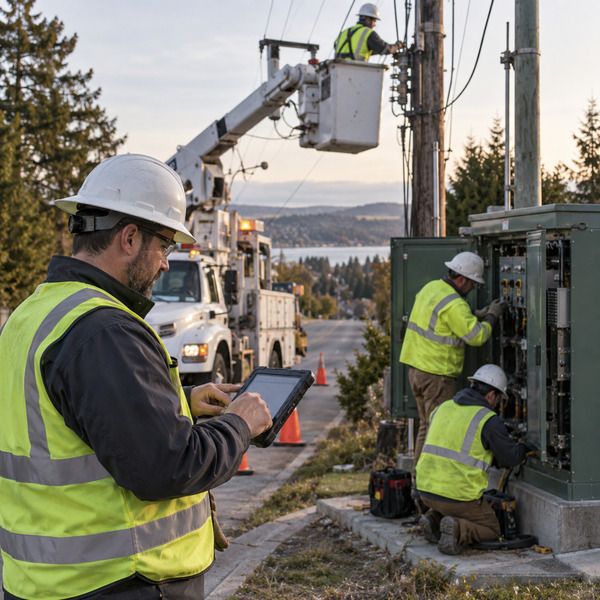
Permissions, cyber controls, validation rules and fallback mechanisms are defined around the level of safety, regulatory and operational risk involved.
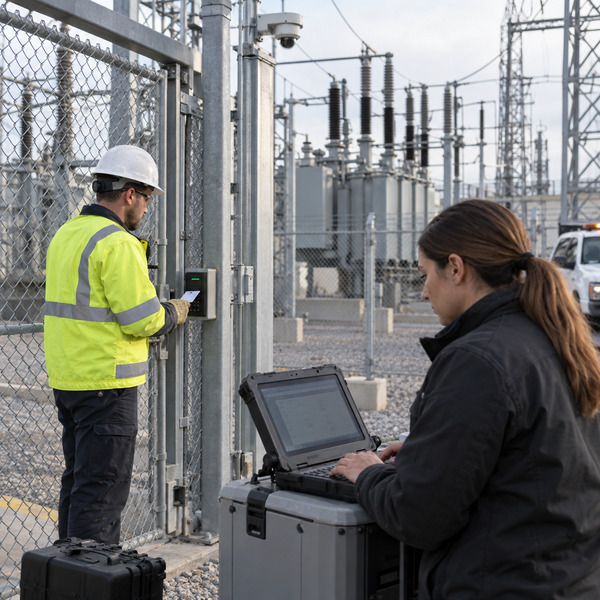
The capability is introduced progressively, starting with bounded operational scenarios and expanding across sites, asset classes and business units as value and maturity increase.
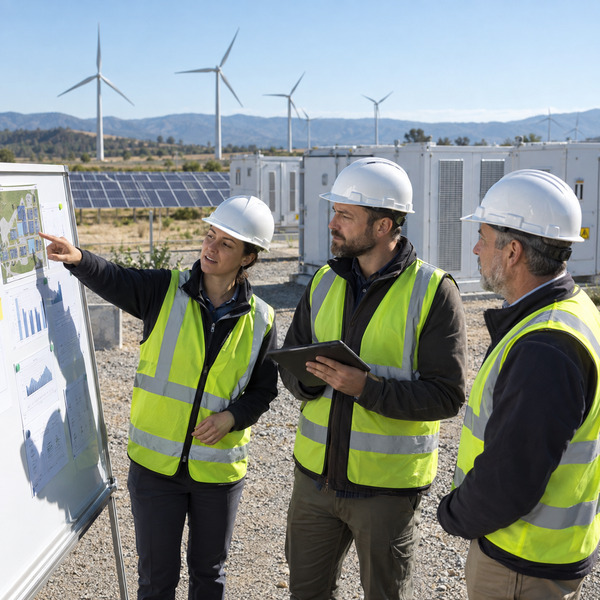
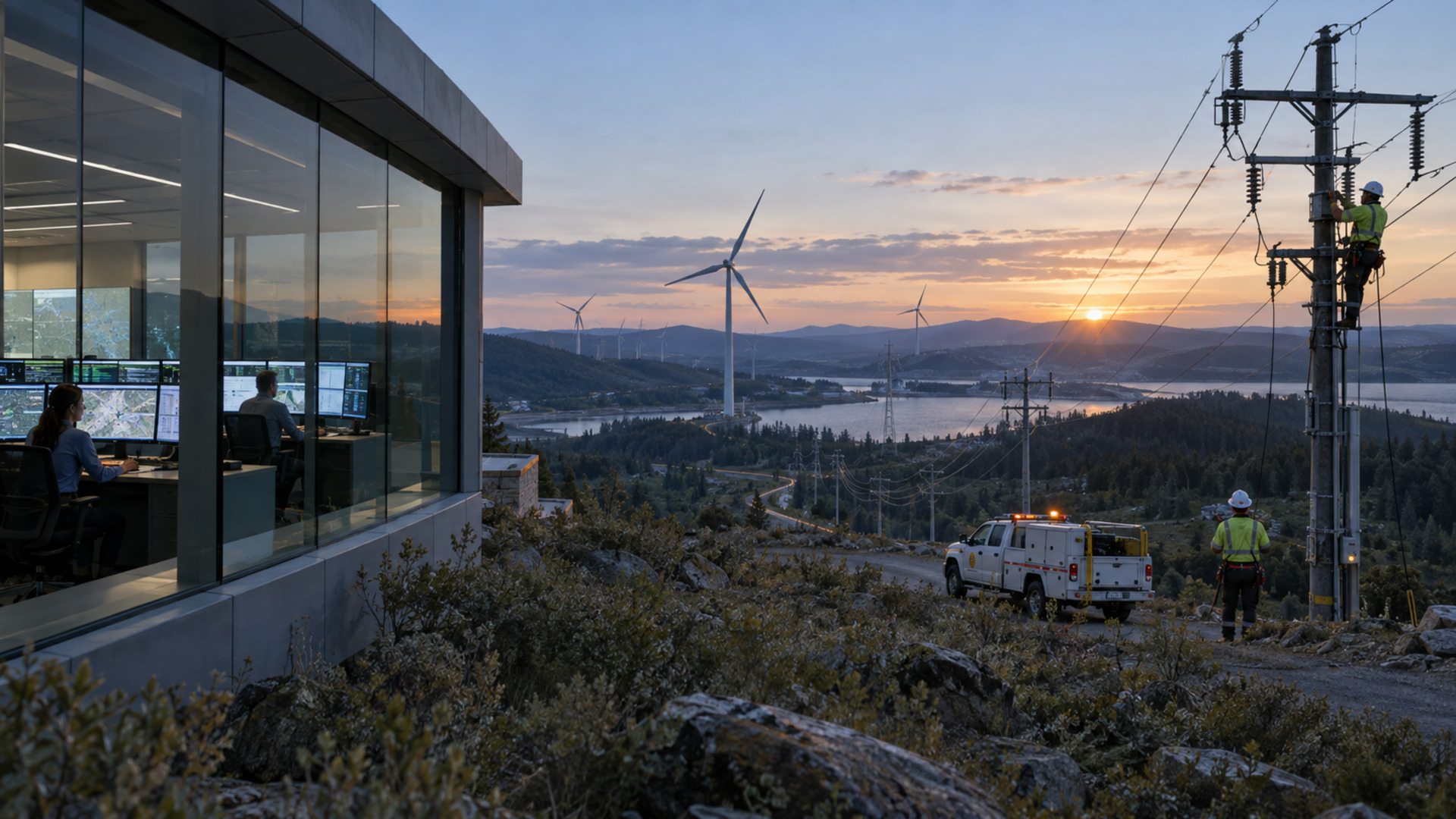
When utilities connect data platforms, analytics, IoT, cloud or edge computing and cybersecurity with operational workflows, they can reduce fragmentation and improve their ability to respond earlier, with better context and clearer accountability.
The strongest value comes when self-optimizing operations are treated as a reusable capability, not a one-off digital initiative.
Utilities can identify risks, anomalies and changing conditions sooner, improving the quality and timing of operational response.
Connected data, communications and workflows reduce handoffs between platforms, field teams and enterprise processes.
Contextual information helps teams apply operational logic more consistently across sites, assets and business units.
Automation can mature progressively, with human oversight preserved where safety, regulation or business criticality requires it.
Let us explore where connected data, intelligent workflows and governed automation can create measurable movement across your critical infrastructure.