- All Foundries

- 商品管理と取引

- 顧客とマーケティング戦略

- デジタルエンジニアリング

- ステーション・スタジオ

- サプライチェーン&インダストリー5.0

- サステナビリティ

- Physical AI

- Next-Gen Infrastructure












OT Cyber Resilience for Water Infrastructure
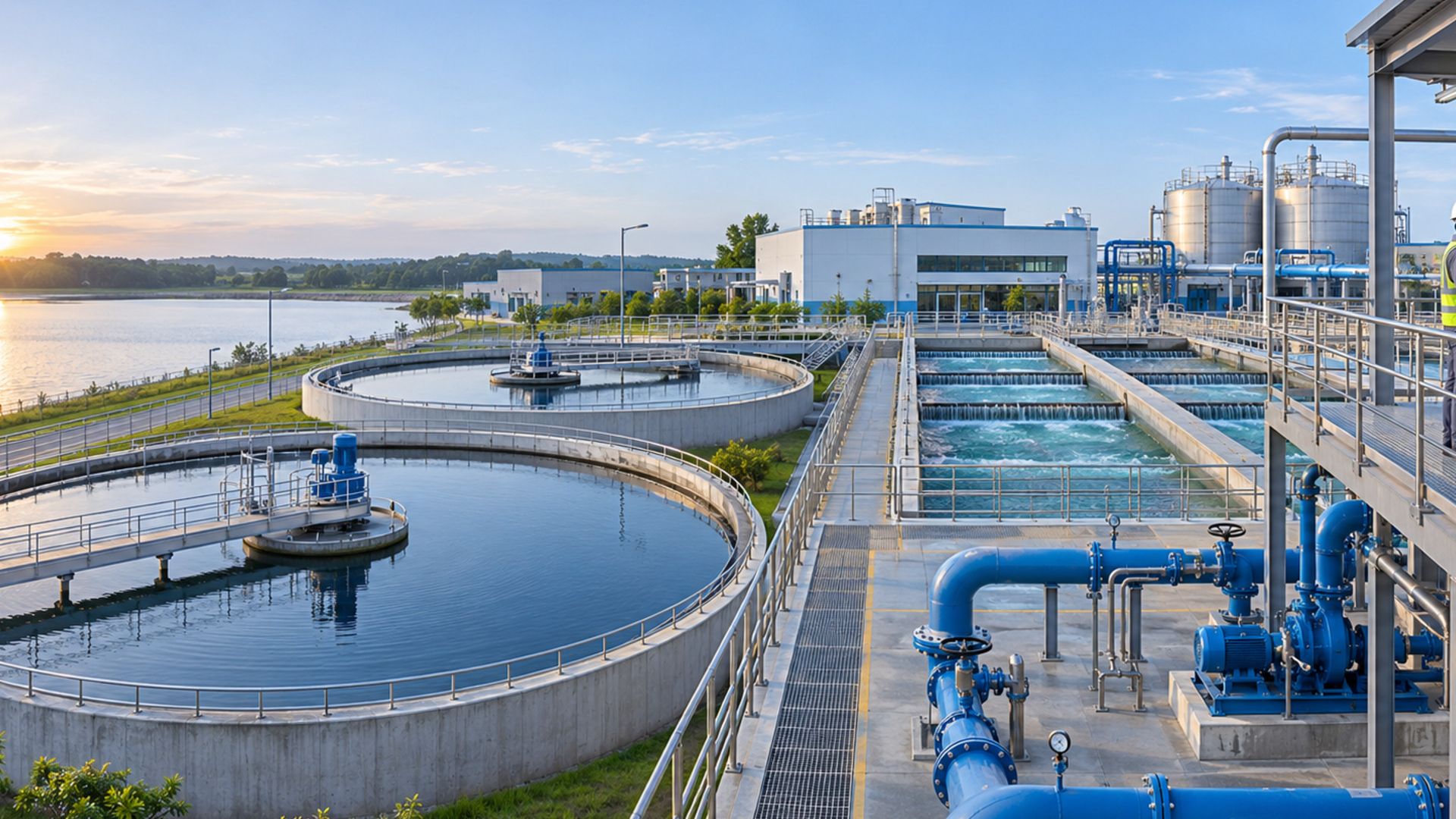
Water and wastewater organizations depend on distributed OT ecosystems that include telemetry systems, PLCs, RTUs, HMIs, engineering workstations and third-party maintenance connections. The leadership issue is not how many controls to add. It is which attack scenarios could disrupt treatment, pumping, distribution or remote operations, and which measures reduce that risk most effectively. Common weaknesses include exposed OT services, weak or default credentials, uncontrolled remote access, insufficient segmentation and limited visibility.

Focus controls on scenarios that could disrupt treatment, pumping, distribution or remote operations.
Address unnecessary internet exposure, insecure access paths, weak configurations and segmentation gaps.
Prioritize remediation using reachability, exploitability, process criticality and operational consequence.
Connect OT visibility, backups, recovery procedures, SOC integration and industrial incident response.
NTTデータのサポート体制は?
Combine documentation review, site walkdowns, asset discovery, passive network analysis and communication-flow review to show what is connected, how the process depends on it and where exposure exists.

Use scenario-based assessment aligned with ISA/IEC 62443, organizing assets into zones and conduits, assessing credible attack paths and consequences, and defining target Security Levels where appropriate.
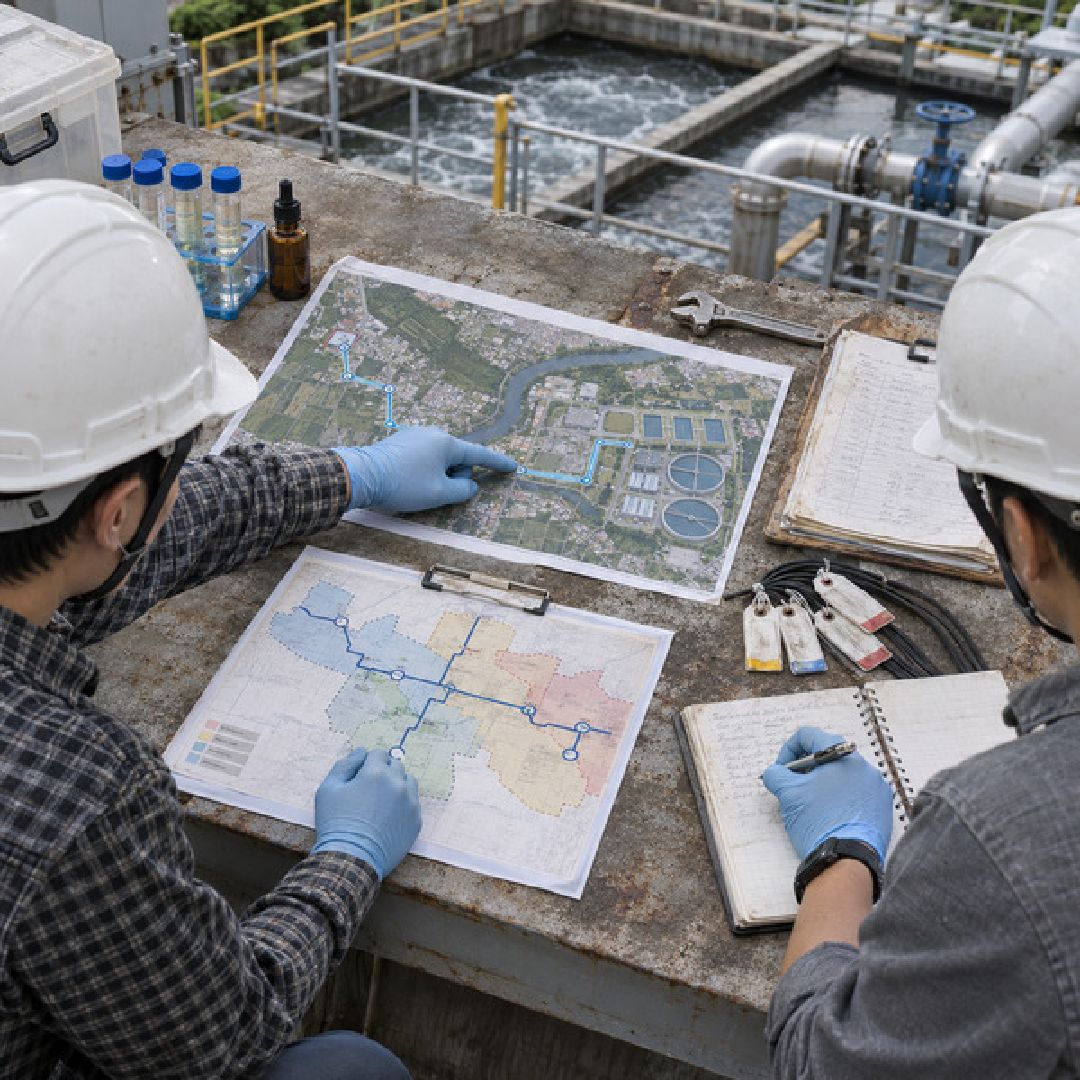
Turn findings into a prioritized roadmap spanning defensible architecture, segmentation, secure remote access, identity and privileged access, hardening, vulnerability management, endpoint protection, backups and secure IT and OT integration.
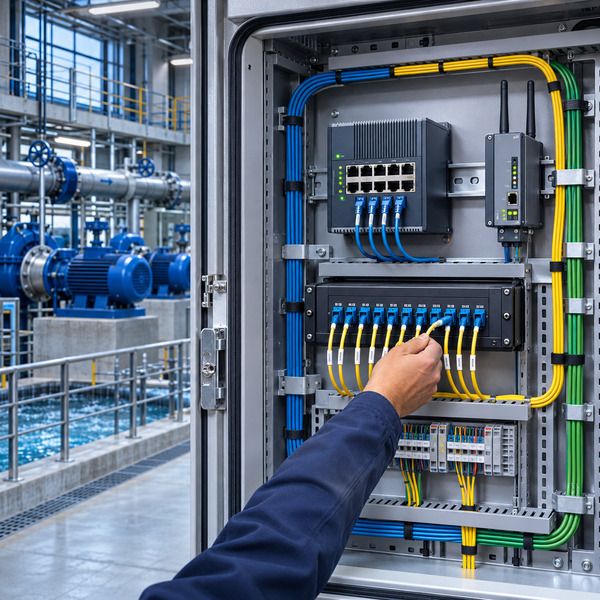
Support implementation, validation and transition into continuous monitoring, SOC integration, threat intelligence, incident response, DFIR, cyber exercises and measurable improvement plans.

Use OT Assessment Hub to centralize field evidence, assets, architecture, findings, scenarios, target Security Levels, controls and action plans. AI-assisted analysis can support correlation across configurations, documentation and evidence, while expert review retains accountability.
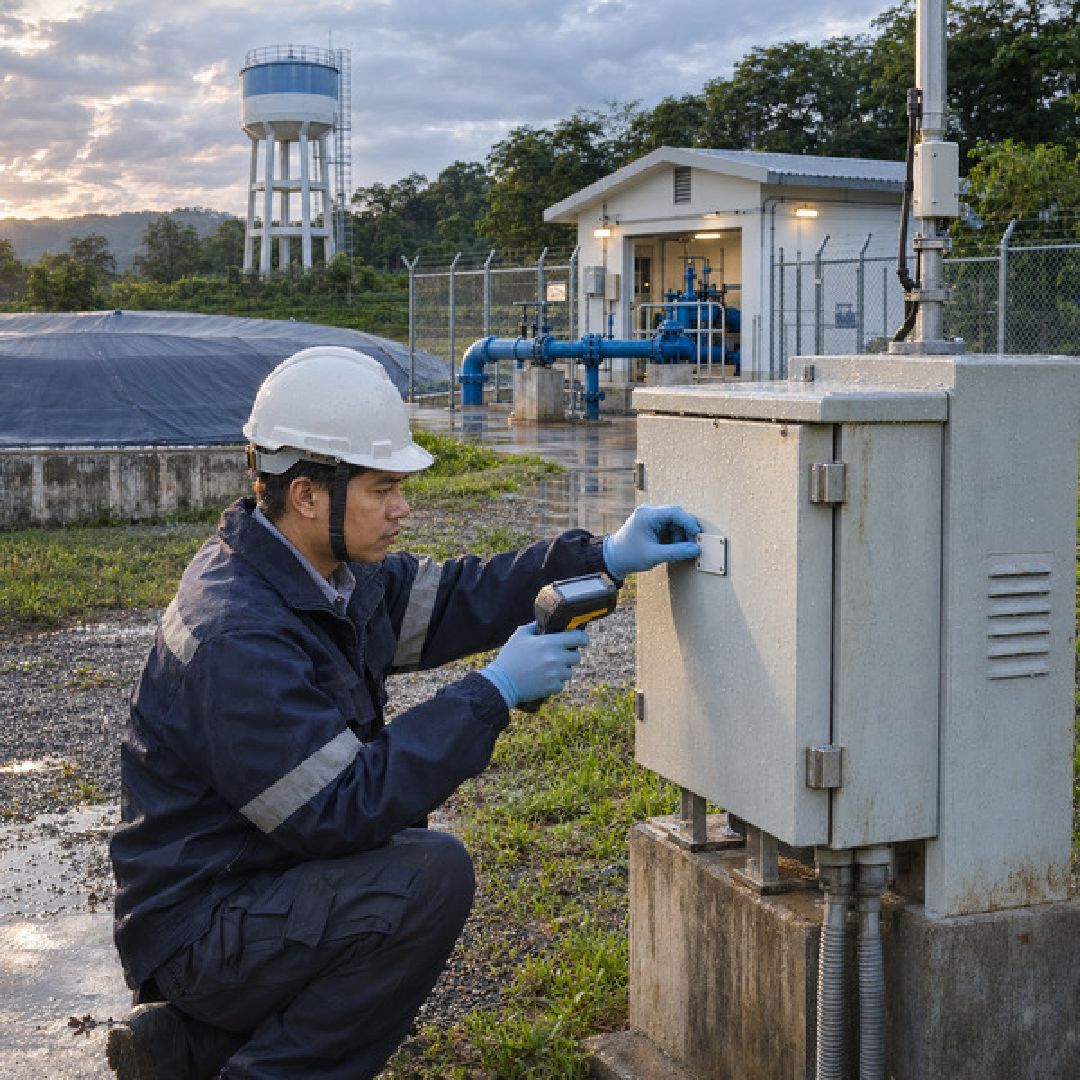
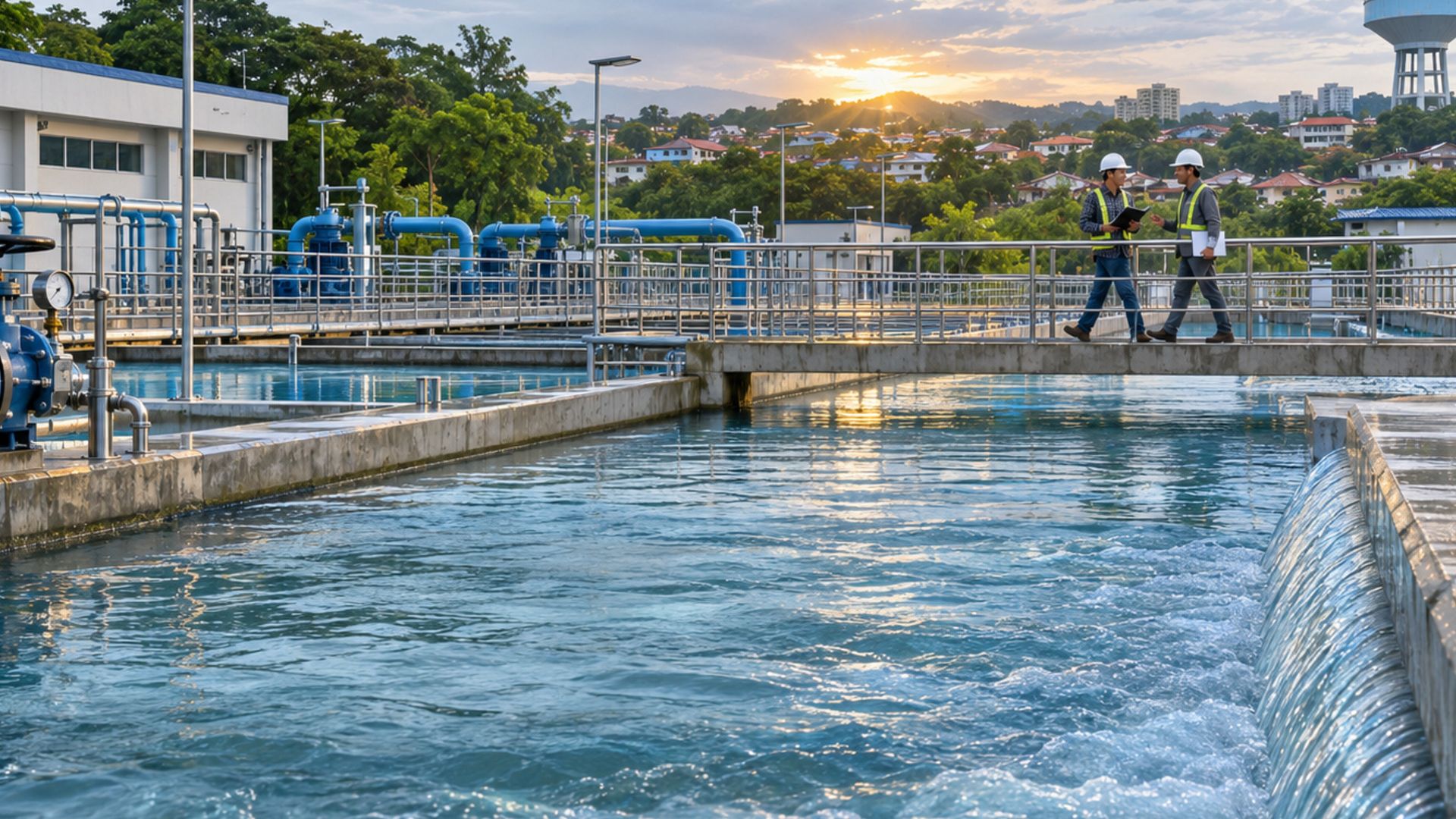
The source defines a clear path from field evidence to risk reduction, but it provides no named deployment, baseline, time period or measured outcome. Approved case evidence is required before these outcomes can be presented as proven.
Focus protection on essential water functions and the scenarios that could interrupt them.
Make third-party and privileged OT connections authenticated, monitored and auditable.
Connect OT visibility with SOC workflows, threat intelligence and industrial response use cases.
Trace each action from field evidence and asset context to scenario, control and improvement plan.
Start the conversation that turns OT evidence into prioritized, measurable resilience.