









Homeowner plugging in an electric car in the evening when dynamic prices are lower.
心を動かす会話

Turning dynamic tariffs into customer flexibility

Smart meters, electrified heating, electric vehicles, home batteries and digital customer channels create the possibility of moving part of electricity demand in time.
会議のスケジューリング
ポッドキャストを聴く
-15
+15
0:00
/
0:00
Smart meters, heat pumps, EVs and home batteries let customers move demand in time. A dynamic tariff sends the price signal, and customers need to understand and trust each signal.
Why THIS “Turning dynamic tariffs into customer flexibility” challenge?
Turning dynamic tariffs into customer flexibility matters because dynamic pricing is only valuable when customers can respond without excessive complexity or risk.

Dynamic pricing pays off only when customers respond without complexity or risk. Digital platforms make flexibility clear, personal and automated for customers, retailers and networks.

主なメリット
Price signals customers act on
チェックアイコン
Higher customer participation in flexible tariffs

Simple, personalised actions make dynamic prices easier to understand and act on.

チェックアイコン
Lower peak procurement and imbalance exposure

Load moved out of peak hours reduces costly purchases and imbalance positions.

チェックアイコン
Improved customer savings and engagement

Customers see the savings from each shift in their consumption.

チェックアイコン
More predictable demand response from distributed loads

Consent-based automation of EV chargers, batteries and heat pumps makes each response more reliable.

NTTデータのサポート体制は?

01
Flexible segments and loads

Identify customer segments and loads with meaningful flexibility potential using interval data and behavioural analytics.

Aerial view of homes with solar roofs and EV chargers, loads with flexibility potential.
02
Personalised price signals

Translate dynamic prices or grid signals into simple, personalised actions rather than exposing customers to raw market complexity.

Retiree reading a simple personalised energy tip instead of raw market prices.
03
Home-energy automation

Integrate EV chargers, batteries, heat pumps or home-energy systems for consent-based automation where available.
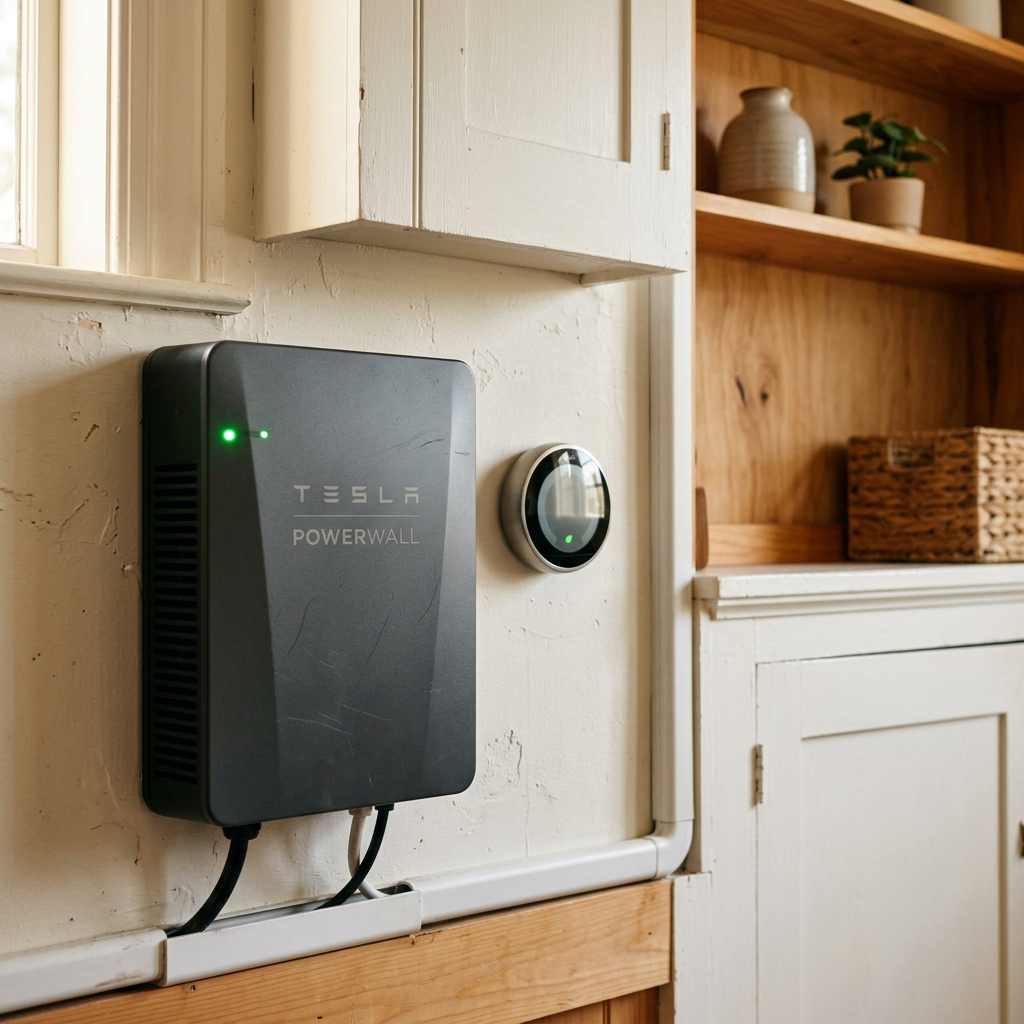
Home battery and smart thermostat automated with customer consent.
04
Experimentation and next-best action

Use experimentation and next-best-action techniques to improve participation without creating bill shock or loss of trust.

Product manager and analyst testing two flexible tariff offers.
05
Load shift and value measurement

Measure realised load shift, customer savings, opt-outs and portfolio value to refine offers continuously.


Energy retail analyst measuring realised load shift and customer savings.
Terraced houses with solar panels and home batteries ready to shift demand.
実証済みの効果
Dynamic prices turned into everyday choices

Personalised signals and consent-based automation help customers shift load with confidence, and you measure each kilowatt-hour moved.

重要な結果
Flexibility outcomes to track
チェックアイコン
More customers on flexible tariffs

Enrolment grows as offers get simpler.

チェックアイコン
Less peak exposure

Retail portfolios buy less energy at peak prices.

チェックアイコン
Savings customers notice

Bills reflect each shifted kilowatt-hour.

チェックアイコン
Reliable flexibility

Automated loads respond the same way at every event.

Turn price signals into real flexibility

Assess your tariff and customer data, validate the data and operating model, and define a pragmatic path from pilot to scale.


ドラッグ