- Commodity Management & Trading

- Customer & Marketing Strategy

- Digital Engineering

- Station Studio

- Supply Chain & Industry 5.0
- Sustainability







Operations Management Center
As digital information exchange becomes a stronger operational expectation in ports, maritime organizations need better integration between voyage management, terminal planning, documentation, customs and enterprise systems. Since 2024, electronic single-window exchange for ship clearance has been mandatory for IMO Member States, reinforcing the shift toward more connected port processes
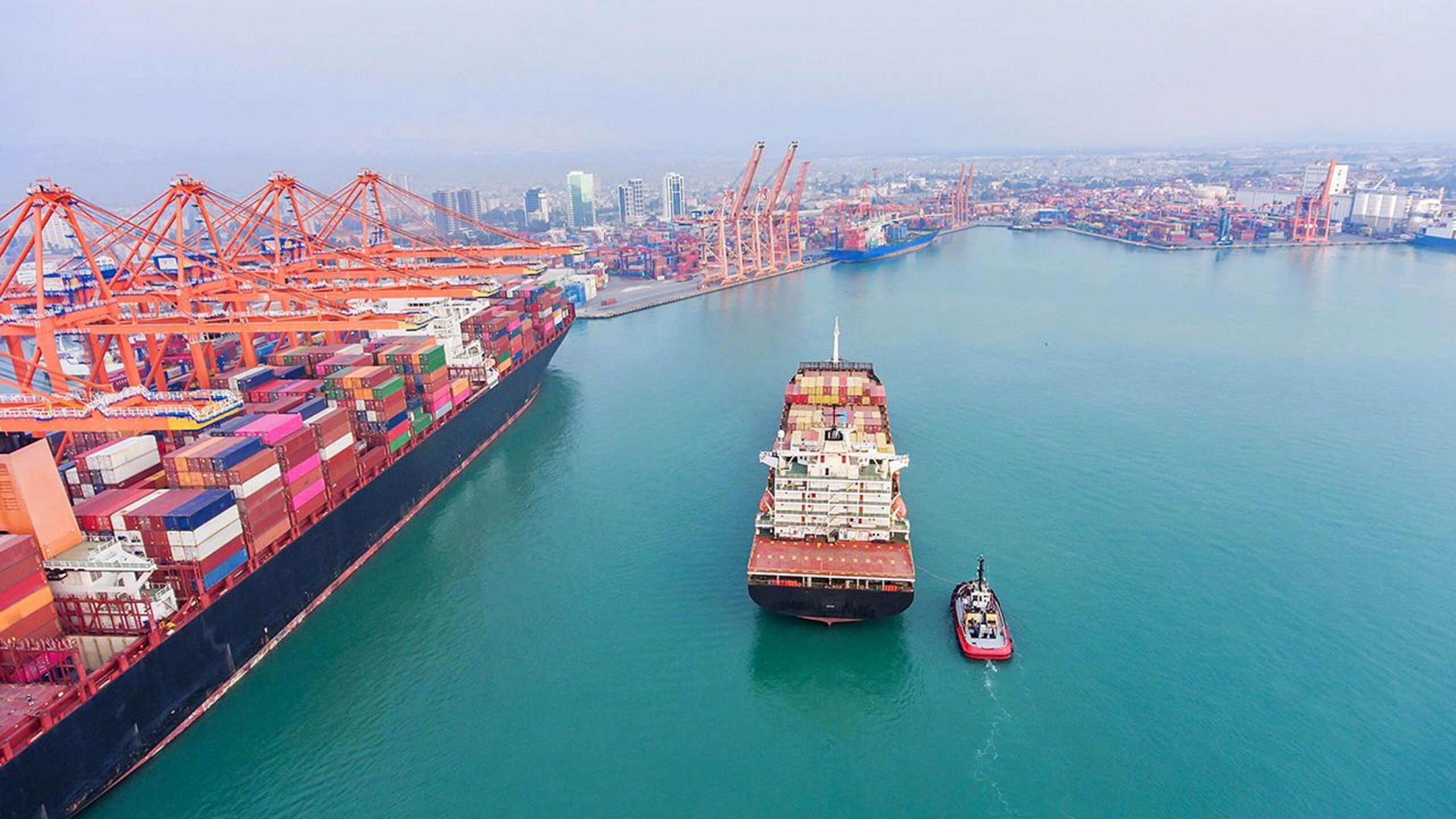
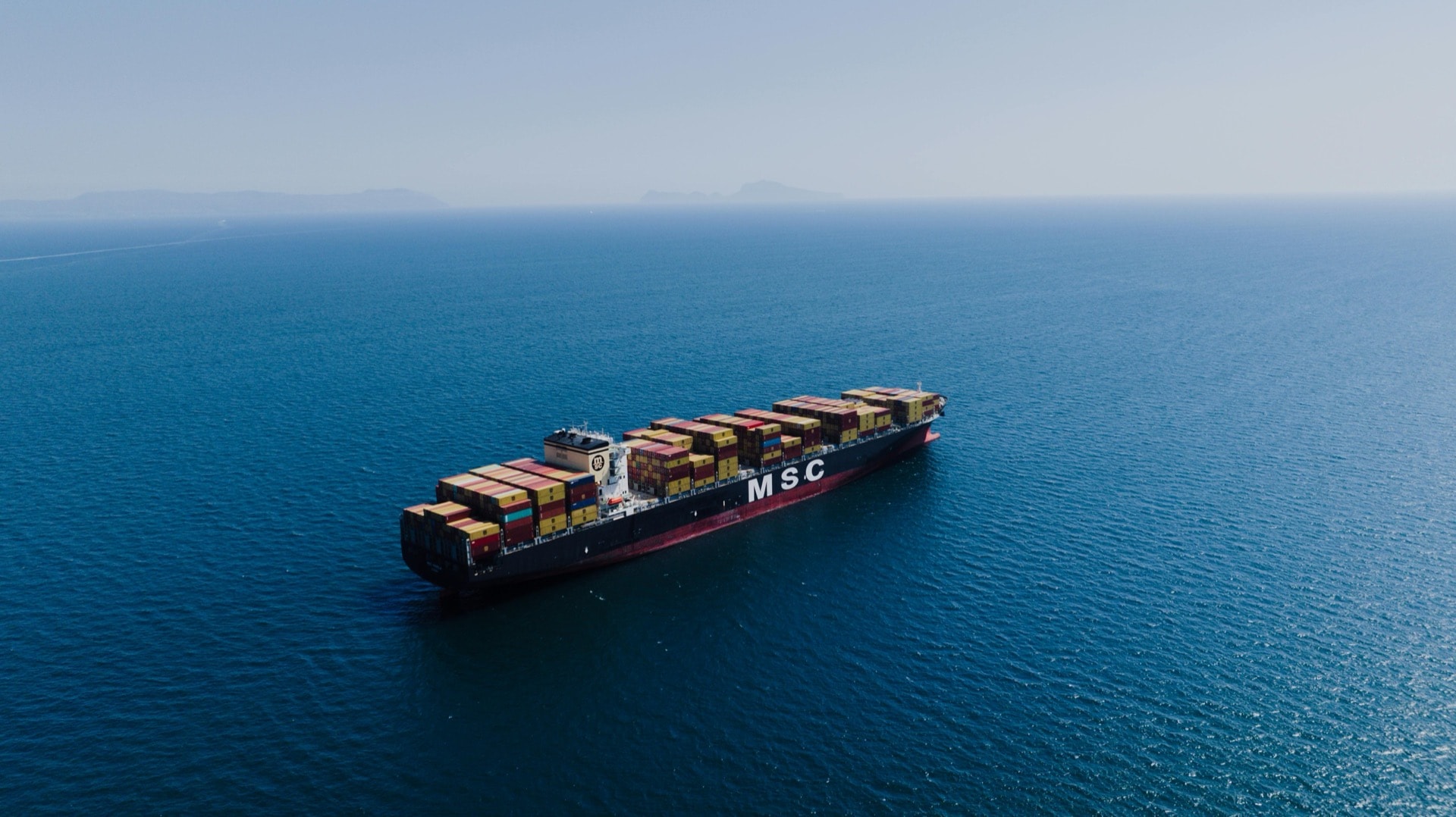
Optimized maritime operations help teams move from reactive coordination to proactive control — improving vessel turnaround, resource planning and terminal performance.

Better ETA visibility helps terminals prepare resources before delays create congestion
Unified terminal and voyage planning supports reduced vessel turnaround time
Advanced analytics help identify inefficiencies that increase OPEX across port operations
Integration with legacy platforms, customs and enterprise systems improves continuity
How NTT DATA helps
We evaluate voyage flows, terminal processes, documentation gaps and the systems that slow coordination
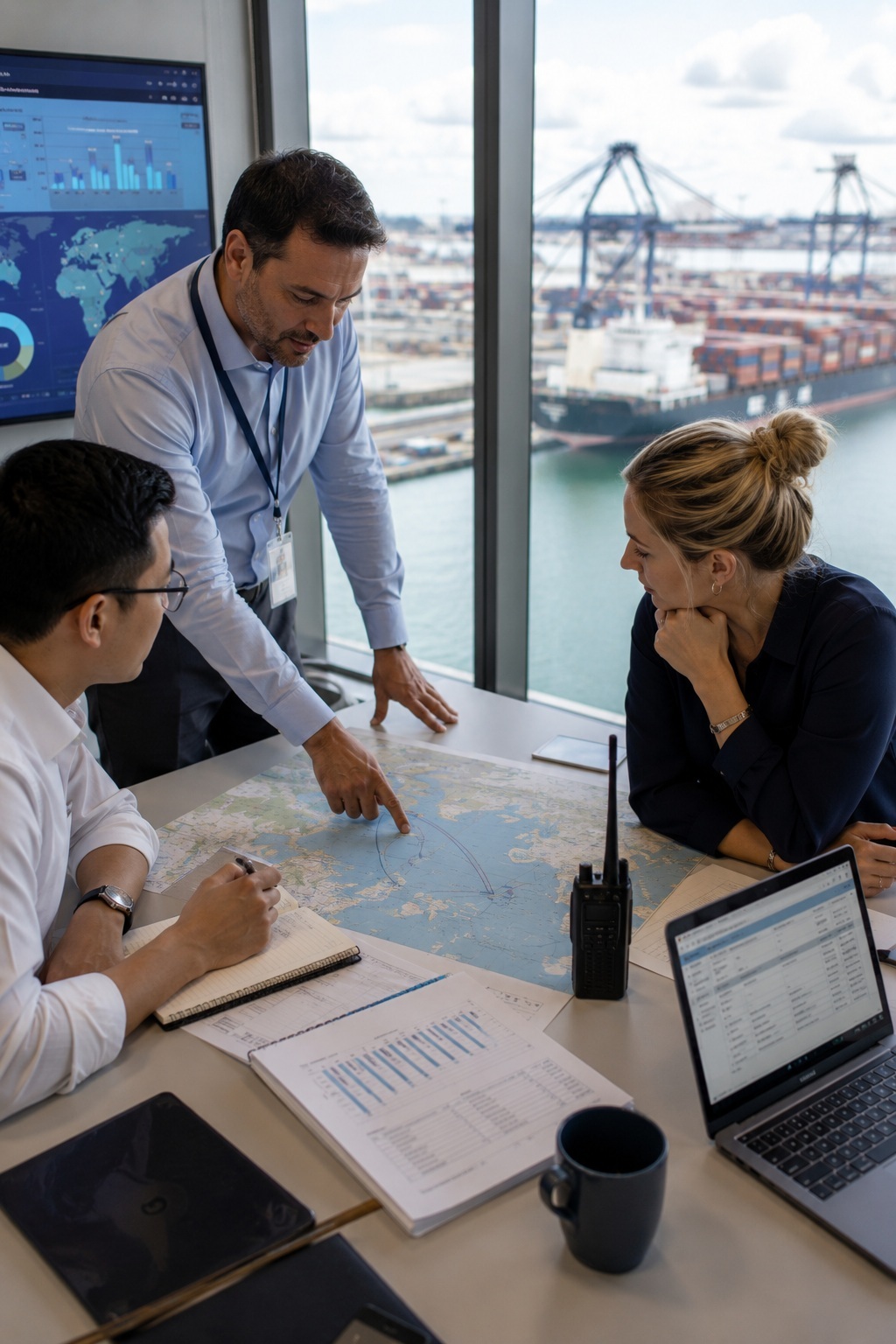
Bring planning, execution and operational status into a unified platform for clearer daily decisions

Use performance indicators to monitor vessel TAT, congestion, OPEX and operational bottlenecks

Connect documentation, customs processes and core business platforms to reduce manual handoffs

We don’t replace the operation overnight. We help teams adopt better ways of working, measure progress and keep improving

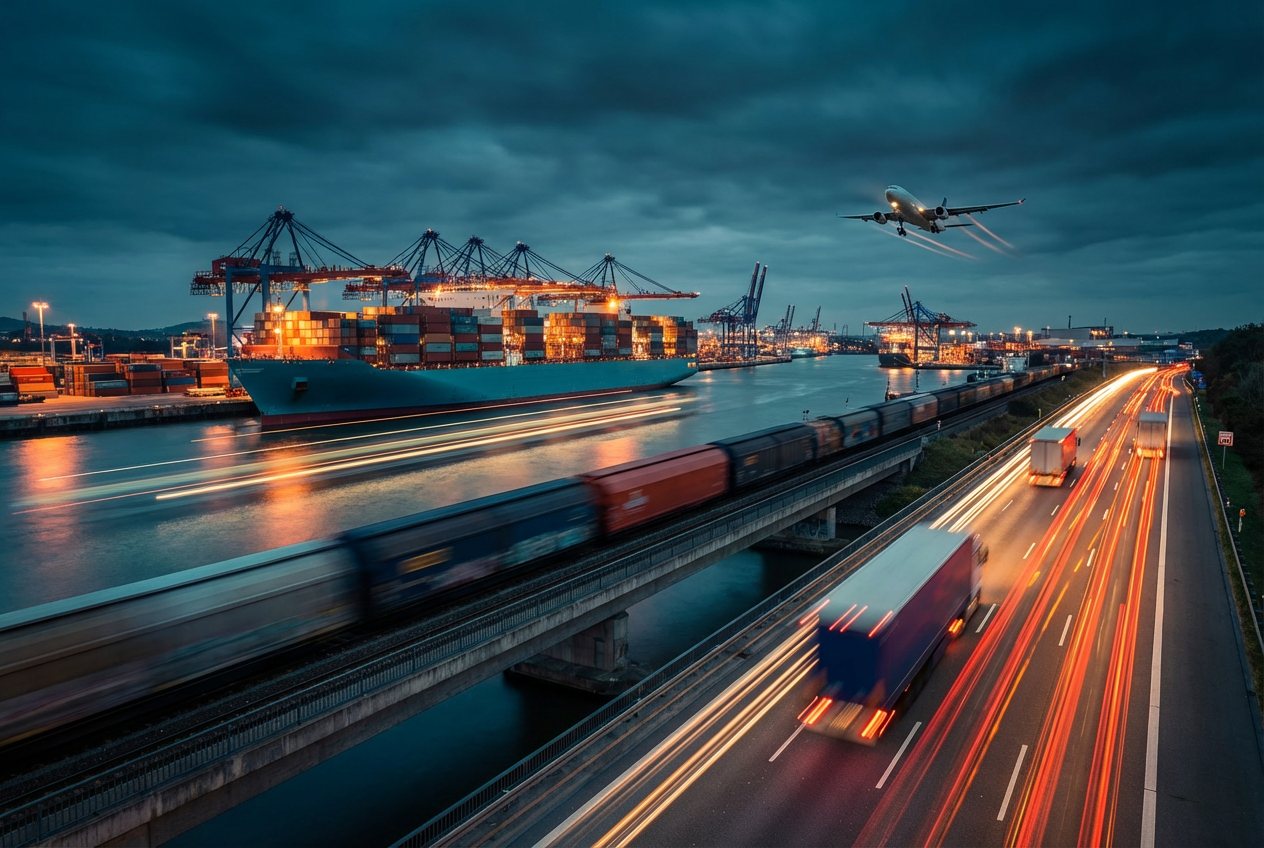
Optimized maritime operations help transportation organizations improve efficiency where vessels, terminals and documentation meet.
shorter turnaround through better planning and coordination
fewer operational bottlenecks from proactive delay management.
better resource use and fewer cost drivers across daily operations
stronger alignment between voyage schedules, assets and execution teams
Improve port efficiency.→