


- All Foundries

- 商品管理と取引

- 顧客とマーケティング戦略

- デジタルエンジニアリング

- ステーション・スタジオ

- サプライチェーン&インダストリー5.0
- サステナビリティ

- Physical AI

- Next-Generation Infrastructure











AI-Powered Video Situational Awareness Platform with Explainable Alerts
Not behavior, so teams sift through footage to confirm what an alert means. Every new scenario demands added development, and monitoring logic stays hard to adapt.

Understanding scenes and interactions separates events worth attention from ordinary activity, so fewer alerts reach your team.
Automated interpretation reduces the hours spent watching video, so attention goes to events meeting defined conditions.
Plain language descriptions replace custom algorithms, so monitoring logic adapts as fast as your environment does.
Each alert carries a plain explanation of why the system flagged it, so operators decide with context, not guesswork.
NTTデータのサポート体制は?
Visual language models analyze scenes, objects, actions and interactions instead of detecting isolated objects alone.
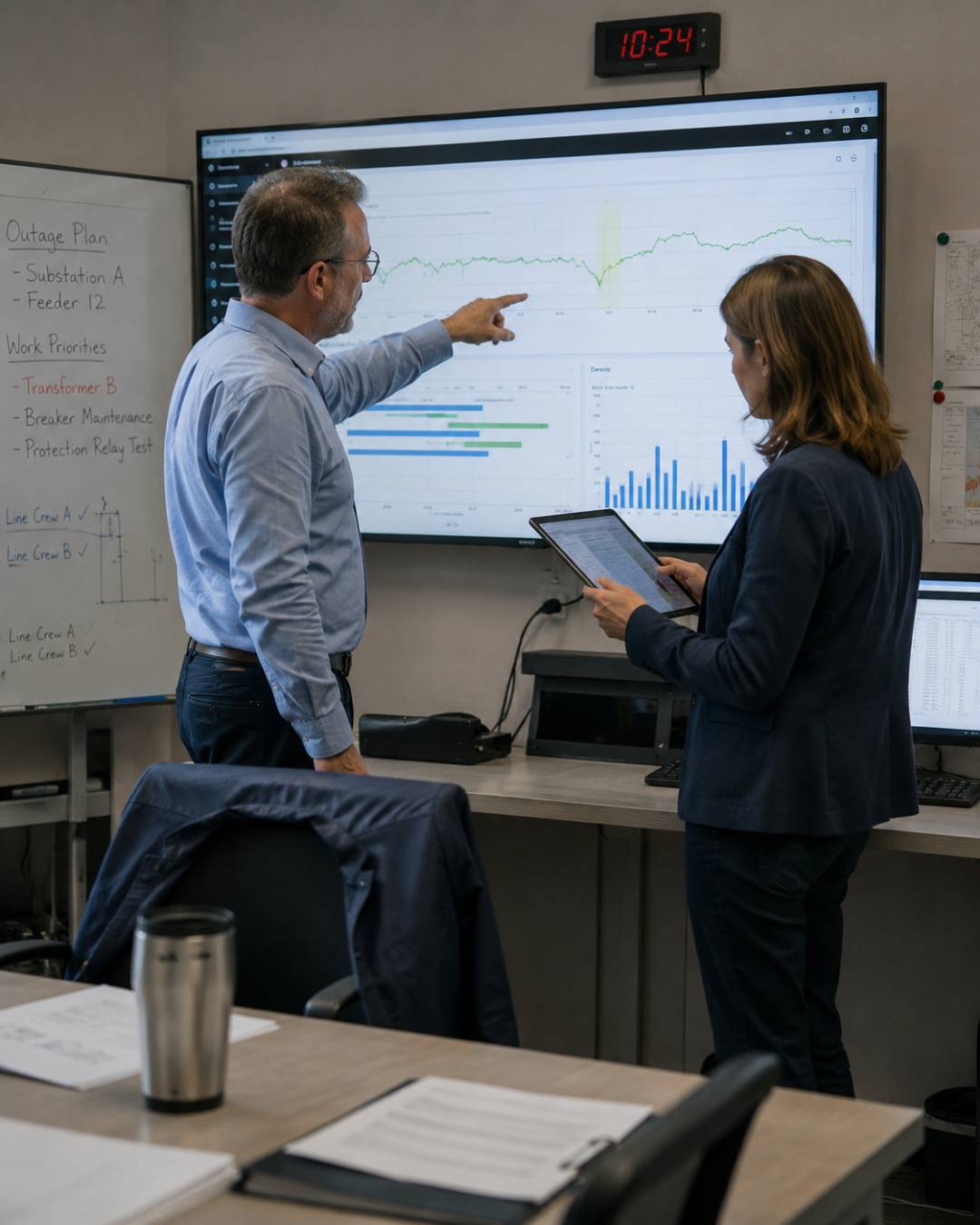
Monitoring conditions get described in everyday English, building adaptable detection logic without coding a single algorithm.

Alerts trigger when defined conditions are met and arrive with a contextual explanation of what the system saw.
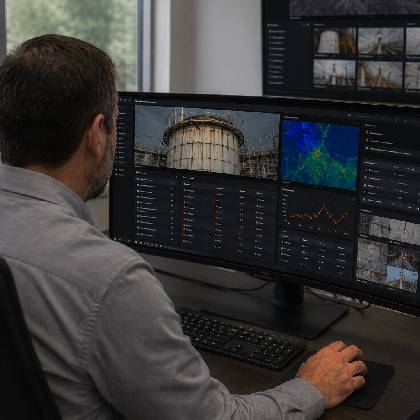
Rules apply to specific regions inside a video stream and take on added context wherever a scenario calls for it.

The same approach spans fire and smoke detection, unusual behavior and violence detection across different sites.
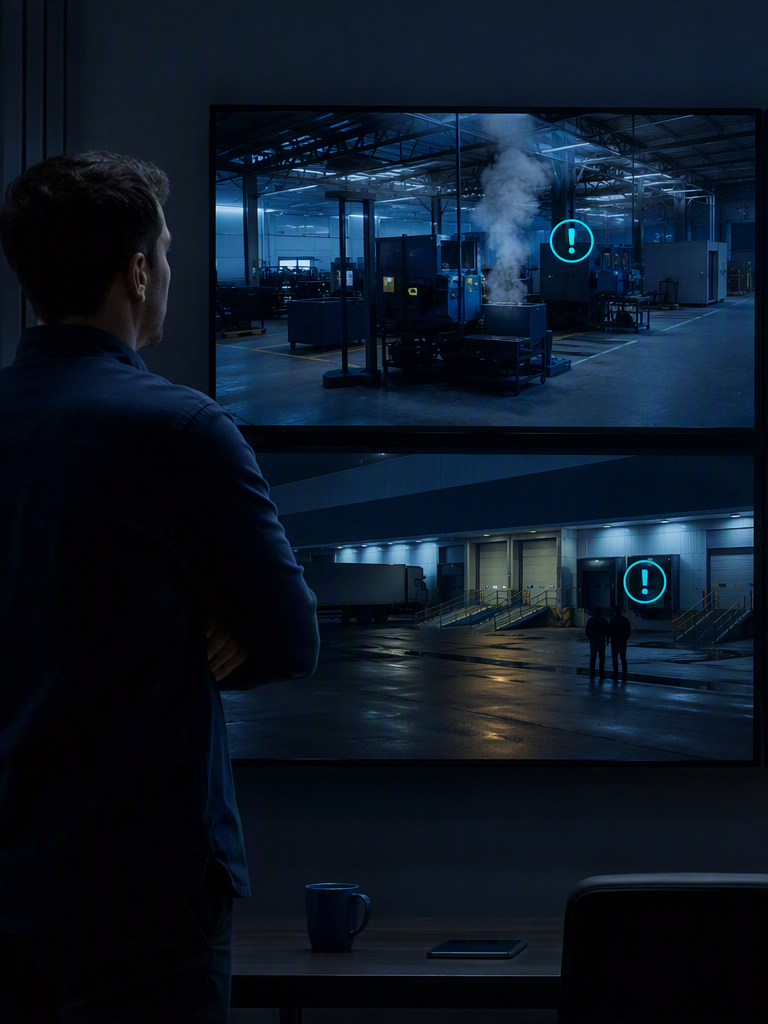

From isolated detection to explainable understanding of what matters and why.
Contextual understanding of scenes and behavior improves accuracy while cutting down false alerts.
Automated interpretation and condition-based alerting free operators from continuous video review.
Earlier recognition of fire, smoke and unsafe behavior supports quicker action across different sites.
Plain language rules extend the same platform to new use cases without retraining the system each time.
Drive the conversation that gives your video streams context, clarity and a reason behind every alert.
