


- All Foundries

- 商品管理と取引

- 顧客とマーケティング戦略

- デジタルエンジニアリング

- ステーション・スタジオ

- サプライチェーン&インダストリー5.0
- サステナビリティ

- Physical AI

- Next-Generation Infrastructure

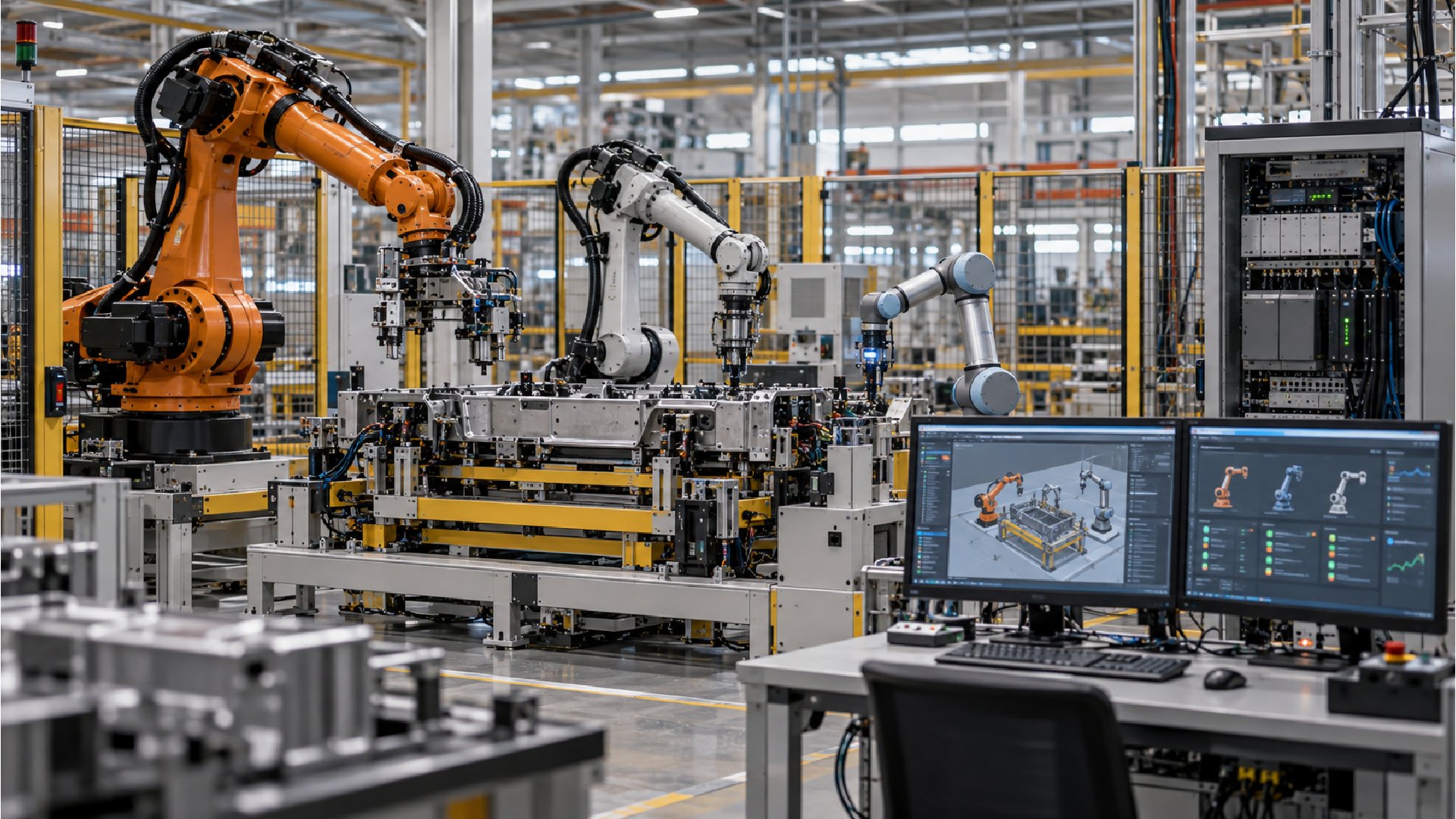
Robotics Cloud Platform
Manufacturing automation is increasing, but organizations often work with robots from different suppliers that require specialized product knowledge and proprietary control approaches. This fragmentation makes it harder to select, configure and extend robotic capabilities consistently, creating demand for an agnostic platform that can work across different robot types.
A common robotics environment reduces dependence on manufacturer-specific systems while supporting safer testing, broader robot choice and more adaptable automation.

An agnostic control approach allows manufacturers to work with robotic arms from different suppliers without relying on detailed knowledge of each proprietary system.
Digital twin simulation enables robot movements and production-line behavior to be tested in controlled conditions before they are introduced into operations.
Manufacturers can evaluate and choose robots according to production requirements rather than being constrained by a specific supplier or proprietary environment.
AI-based movement learning and environmental perception support the development of additional robotic capabilities as production requirements evolve.
NTTデータのサポート体制は?
NTT DATA creates a common platform for controlling robotic arms from different manufacturers through a consistent operational environment.
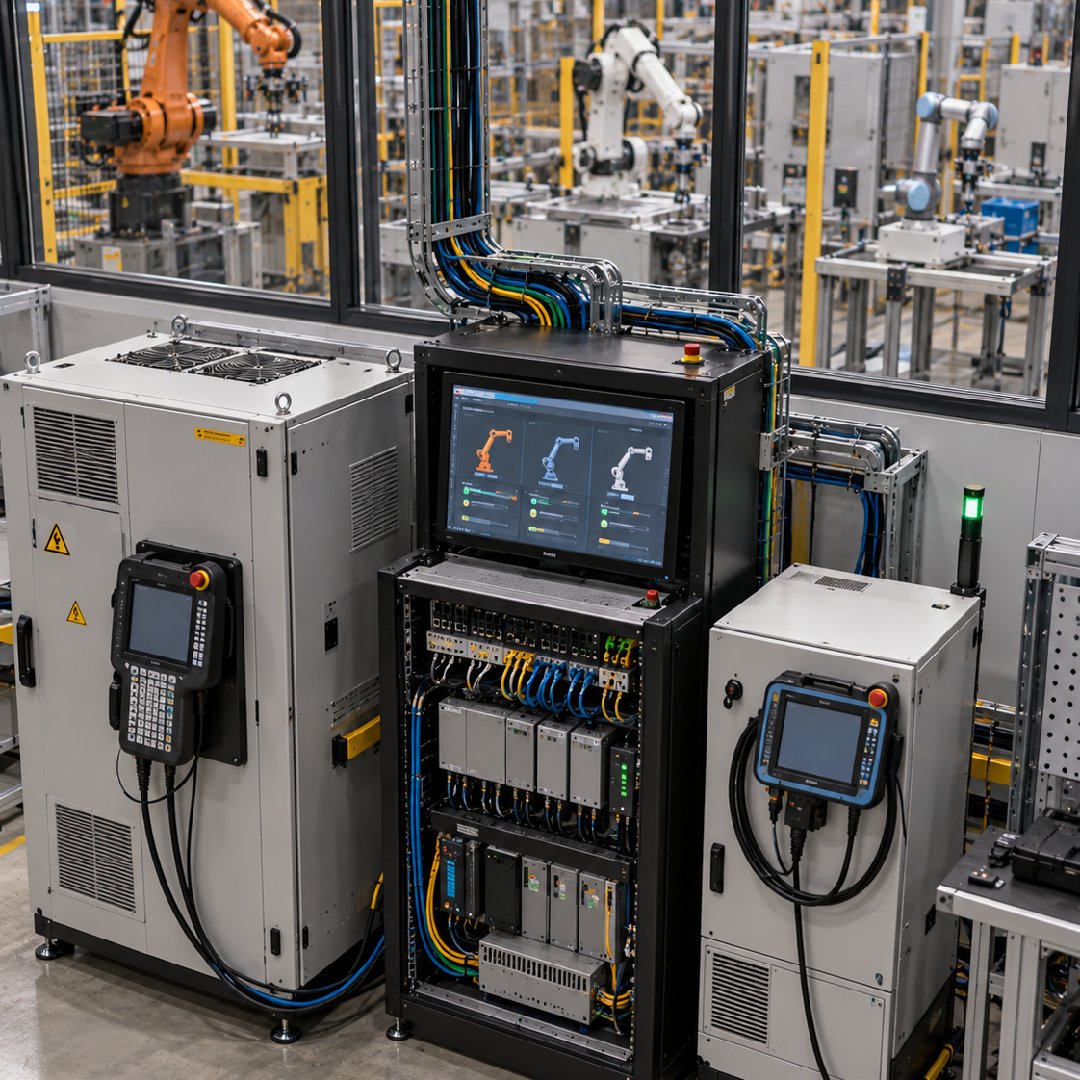
Digital twins reproduce robot behavior so movements and production-line interactions can be supervised, simulated and tested before deployment.Test capabilities in controlled environments
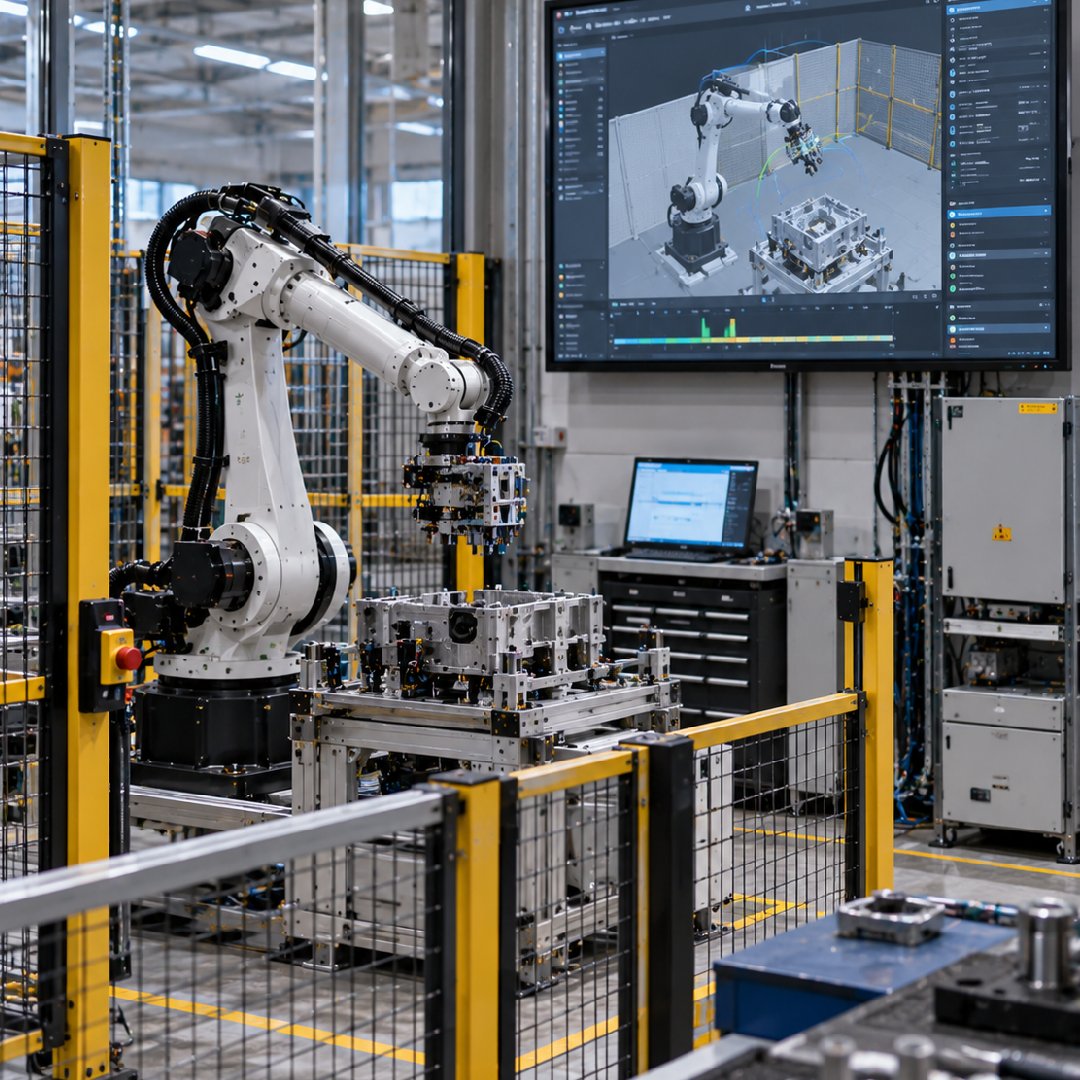
Additional robot functions can be developed and validated virtually before being introduced into live manufacturing operations.
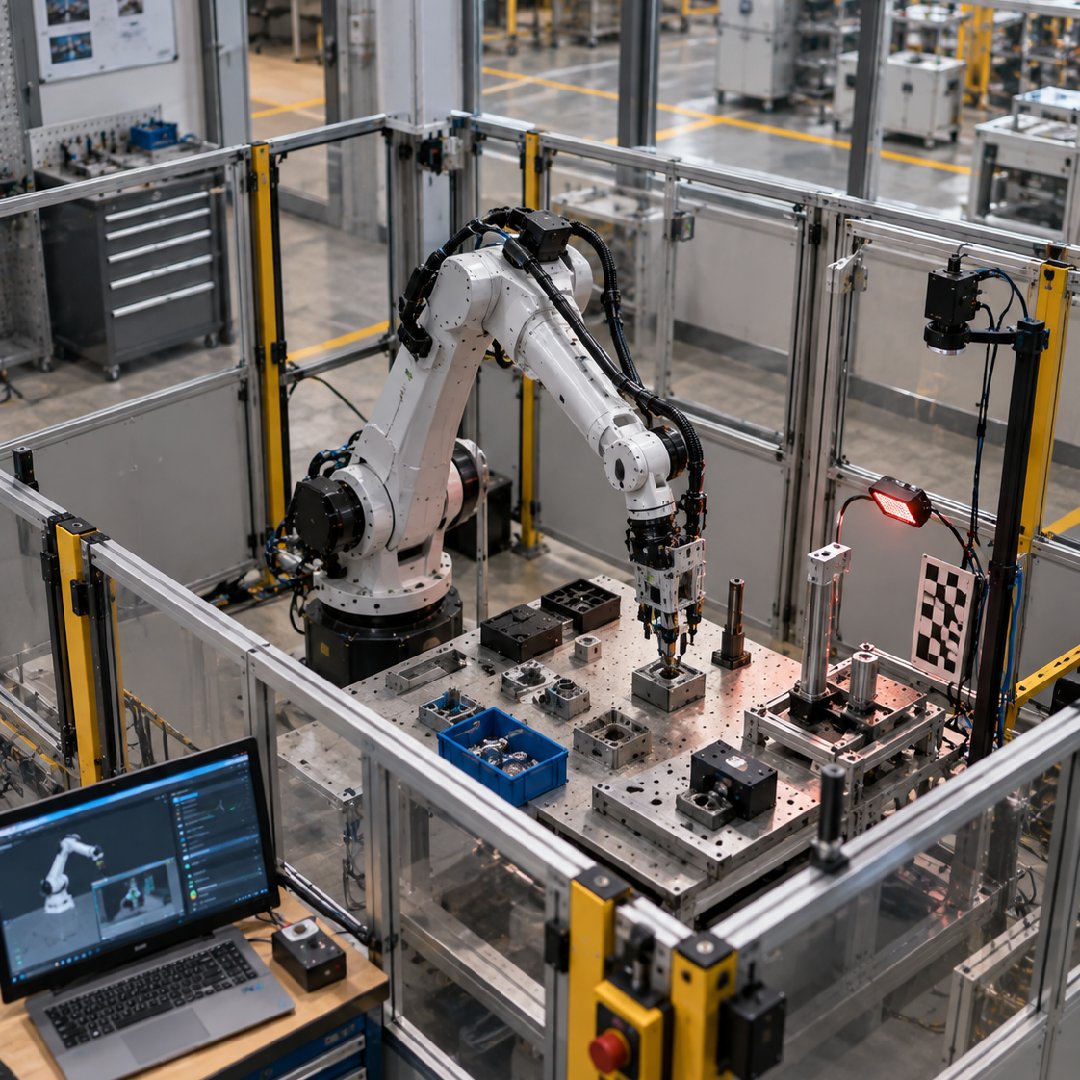
AI algorithms support movement learning and environmental perception using information collected from cameras and other sensors.
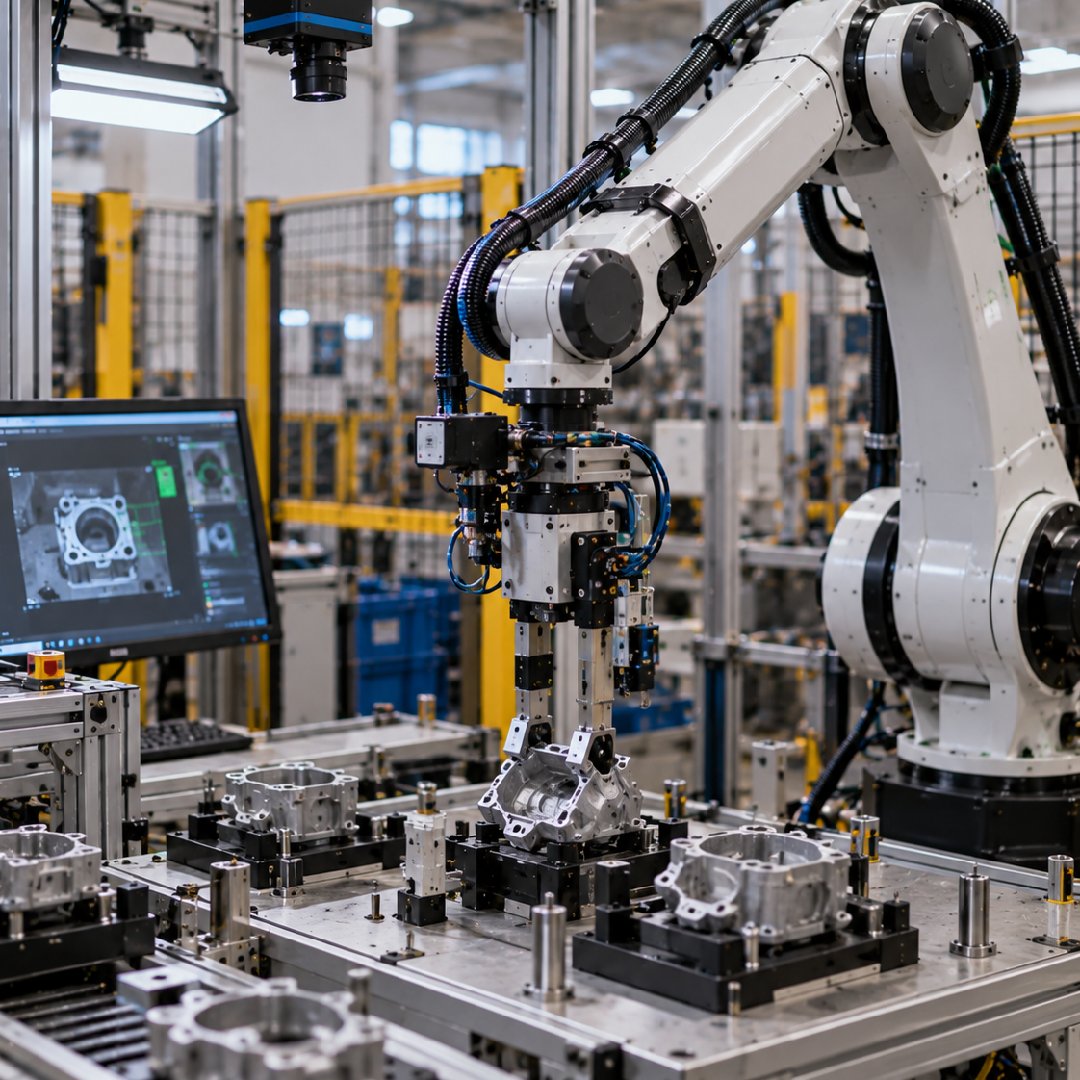
Users can select the appropriate robot and allocate tasks within the production chain according to manufacturing requirements.
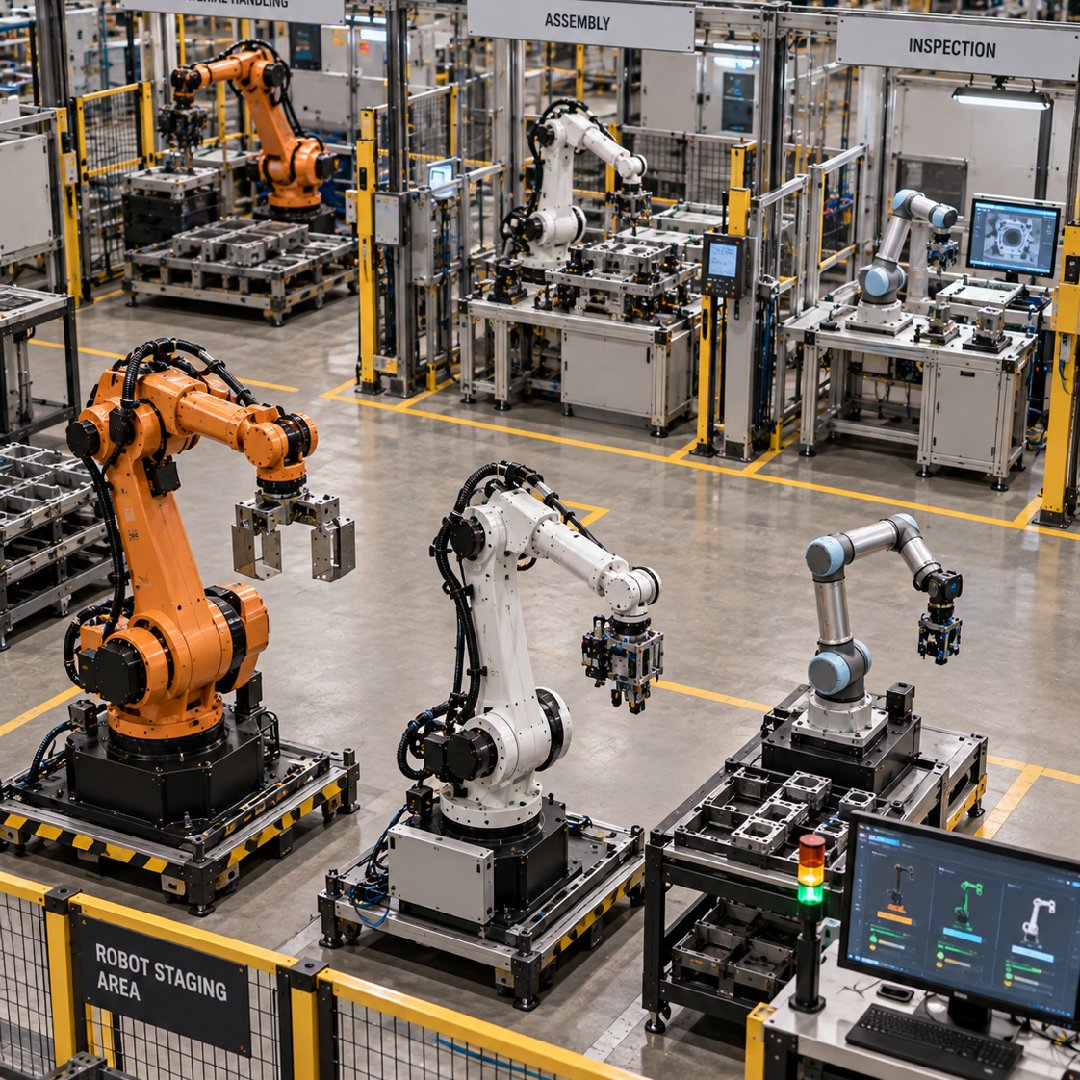
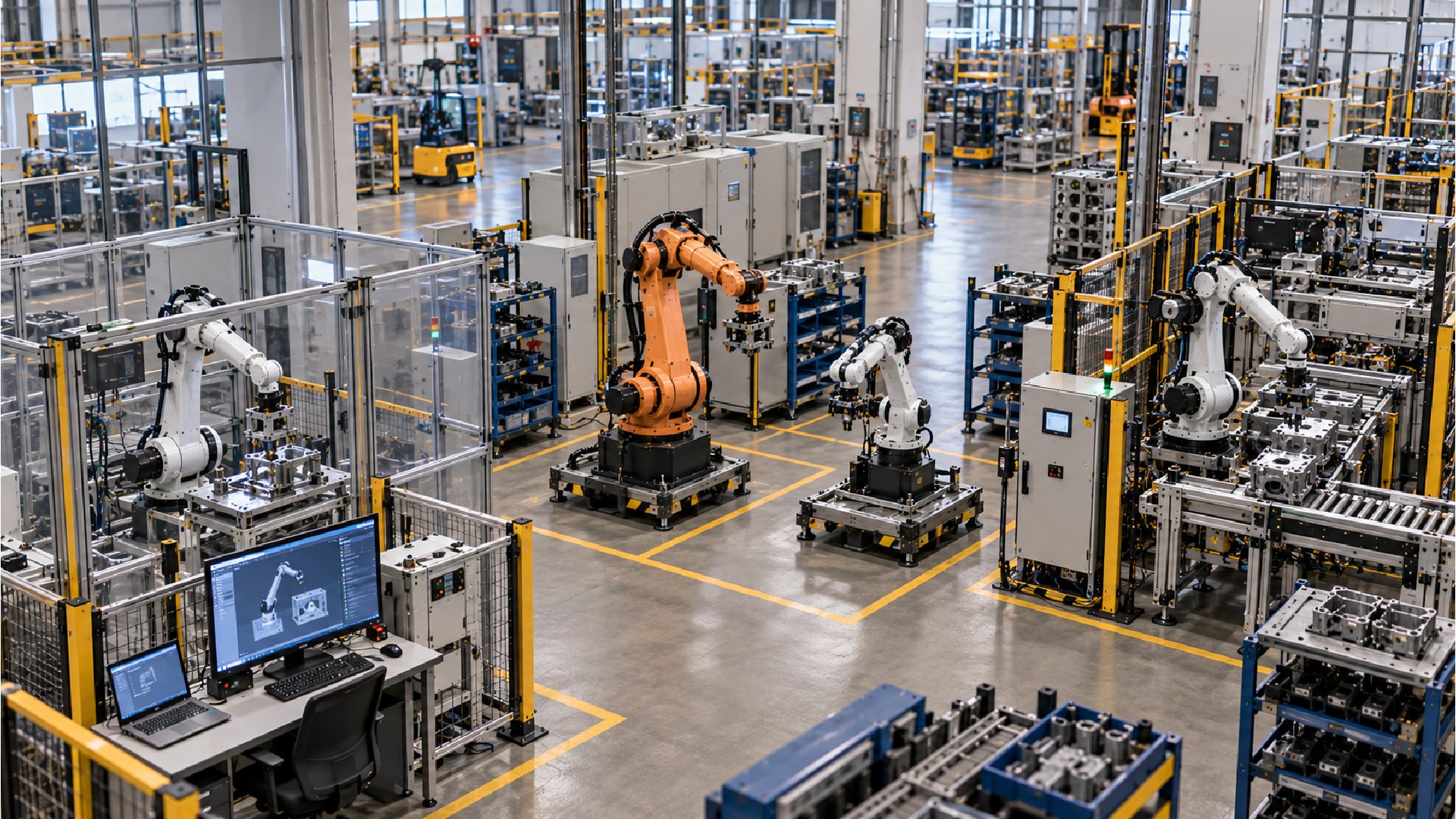
The demonstrated approach provides qualitative improvements in robot selection, predeployment testing, production efficiency and automation flexibility across mixed manufacturing environments.
Manufacturers can select robotic systems that best fit production needs without limiting deployment decisions to a single supplier or proprietary control environment.
Digital twin simulation allows movements across the production line to be evaluated before operation, reducing dependence on live testing for initial validation.
Predeployment simulation and greater freedom in robot selection can help optimize implementation time and costs across industrial automation initiatives.
Combining digital twins with a flexible robotics control platform supports more adaptable production automation and continued development of robotic capabilities.
Use vendor-agnostic control, digital twin simulation and AI-enabled robotics to test, select and deploy automation according to changing manufacturing needs.
